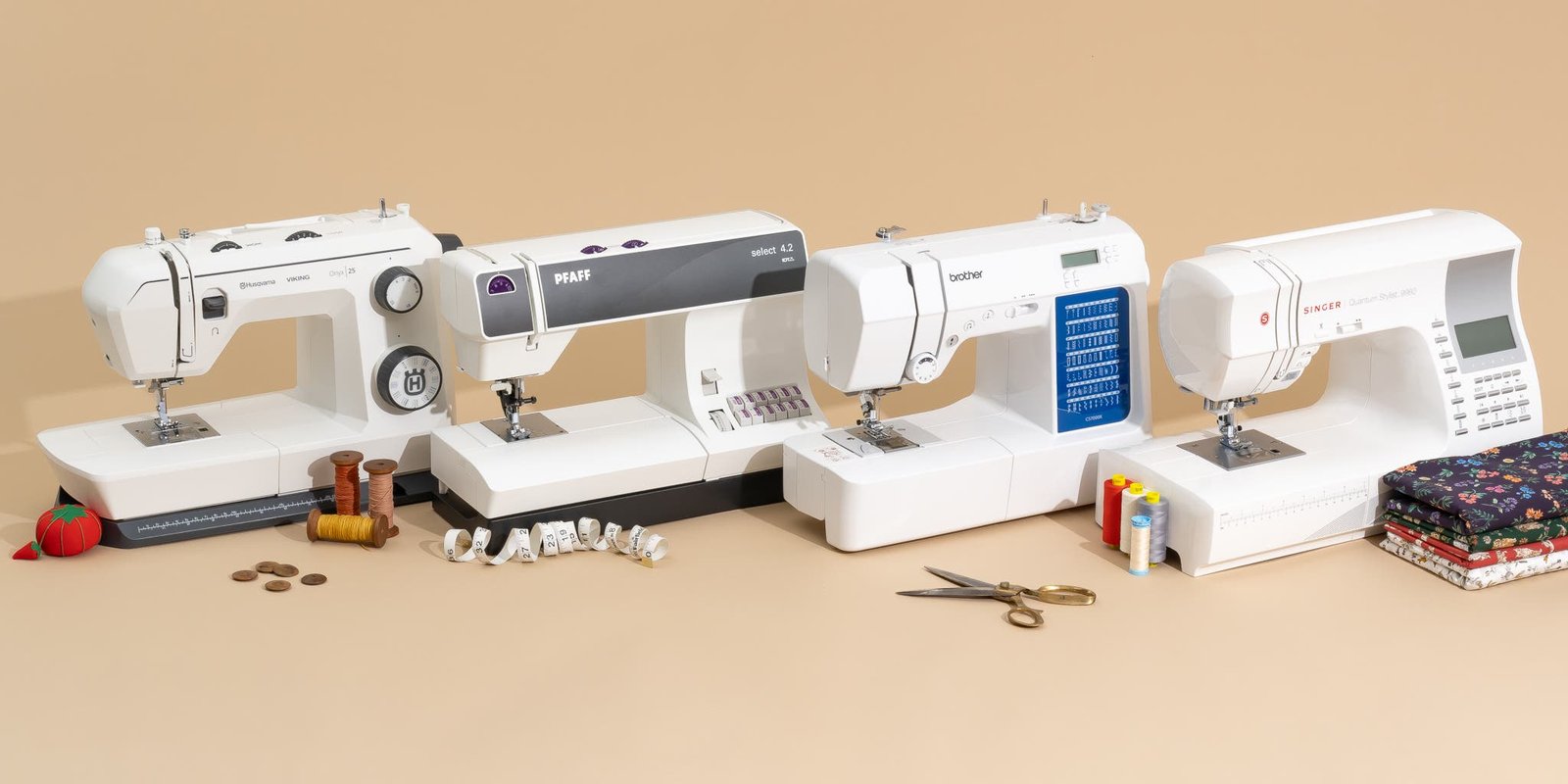
What Is the Best Sewing Machine for Everyday Use?
For most people, the best sewing machine for everyday use is a mechanical or computerized model with a 1-step buttonhole and adjustable speed — not the cheapest one on the shelf. The condition that changes this: if you sew daily on thick fabric like denim or canvas, you need a machine rated for heavy fabric. If you sew a few times a month on cotton, a basic 20-stitch model is enough.
Quick picks for everyday sewing

- A machine with a 1-step buttonhole is faster and more consistent than a 4-step one — worth it if you make shirts or dresses often.
- Look for adjustable speed control. It matters for beginners sewing curves; a fixed-speed machine forces you to control everything with the foot pedal alone.
- A metal bobbin case and metal frame hold up better than plastic. Plastic frames flex under thick fabric and cause skipped stitches.
- A machine with at least 20 built-in stitches covers nearly all daily sewing: straight, zigzag, blind hem, and stretch stitches.
- Check the throat space. A 6-inch throat (the gap right of the needle) is fine for clothes; quilts need 8 inches or more.
- Buy a machine with a free arm for cuffs and sleeves. Without it, you’ll fight the fabric every time you hem a pant leg.
Why machine type decides your daily sewing
The motor and frame decide how the machine handles fabric, not the stitch count. A weak motor stalls on thick seams, and a plastic frame flexes so the needle misses the bobbin hook. That’s why a 60-stitch machine with a plastic frame can sew worse than a 20-stitch machine with a metal one.
Stitch count is mostly marketing for everyday sewing. You’ll use straight stitch, zigzag, and maybe a blind hem. The rest sit unused. What you actually feel every session is the feed dogs pulling fabric evenly, the presser foot pressure, and how smoothly the handwheel turns by hand.
Mechanical machines have a dial for stitch length and width. Computerized machines set these with buttons and store them. Computerized models give you a 1-step buttonhole and needle-up/down control, which matters when you pivot at a corner. Mechanical models cost less and have fewer parts to fail.
The U.S. Consumer Product Safety Commission publishes recalls on sewing machines and their foot pedals. Check your model there before you buy used. A recalled pedal is a fire risk, and no stitch quality makes up for that.
Budget matters less than the two things you’ll touch every time: the presser foot and the bobbin winder. A machine that winds a bobbin evenly and holds fabric flat will serve you for years. One that doesn’t will frustrate you no matter how many stitches it claims.
When a basic machine isn’t enough

The simple answer above breaks down when your fabric, your space, or your volume changes. Here’s what shifts.
| Situation | What changes | What to do instead |
|---|---|---|
| You sew denim or canvas daily | Light motor stalls, needle bends | Pick a heavy-duty model rated for denim |
| You quilt large projects | 6-inch throat crowds the fabric | Get 8-inch or larger throat space |
| You sew leather or vinyl | Standard foot drags, stitches skip | Use a walking foot and leather needle |
| You only mend clothes | Full machine is overkill | A basic 12-stitch model works fine |
| You sew in a small apartment | Machine stays out on a table | Choose a lighter 12-15 lb model |
| You want to embroider | Standard machines can’t hoop | Buy a separate embroidery machine |
How to choose and set up your machine
Set your budget for a machine that lasts. Cheaper machines have plastic frames and motors that struggle with anything thicker than cotton. Spend more, and you’re paying for features most daily sewers don’t use.
-
Test the weight before buying. Pick the machine up. A machine under 10 lbs tends to slide and vibrate at high speed. One between 12 and 20 lbs stays put, which matters when you sew long seams.
-
Check the buttonhole function in the store. Ask to sew one. A 1-step buttonhole finishes in one press of the pedal. A 4-step one needs you to turn a dial four times, and getting the steps uneven ruins the buttonhole.
-
Thread the machine and sew a test seam on woven cotton. Look at the stitches on both sides. Even, flat stitches on top and bottom mean the tension is right. Loops underneath mean the top tension is too loose.
-
Sew over a folded piece of denim to test the motor. The machine should push through without stalling or skipping. If it stalls, the motor is too weak for daily use on heavy fabric.
Check the accessory feet included. You want at least a zipper foot, a buttonhole foot, and a general-purpose foot. Missing feet are inexpensive to replace relative to buying a whole new machine.
-
Read the manual’s oiling schedule. Most modern machines are self-oiling and need no oil. Older mechanical models need a drop of sewing machine oil at the points the manual names — never more, and never a different oil.
-
Register the machine with the manufacturer. This matters for the warranty, so check your manual for the exact terms. Check your manual for the exact terms.
Mistakes that ruin daily sewing

- Skipping the manual’s threading order. The thread must pass through the take-up lever last. Miss it and the machine tangles thread under the fabric every few inches, wasting an afternoon.
- Using the wrong needle for the fabric. A sharp needle on knits cuts the fibers and leaves holes. Match the needle to the fabric — universal for woven, ballpoint for knits, denim for heavy cotton.
- Winding the bobbin at the wrong speed. Winding too fast makes an uneven bobbin that causes tension problems later. Most machines have a bobbin winding speed setting — use the slower one.
- Pushing or pulling the fabric. The feed dogs move the fabric. Pulling it bends the needle and throws off stitch length. Guide the fabric, don’t drag it.
- Never cleaning the bobbin area. Lint builds up under the bobbin case and jams the feed dogs. Brush it out regularly, or sooner if you sew fleece or flannel.
Frequently asked questions
Can a cheap sewing machine handle everyday use?
Yes, if your everyday sewing is mending and simple cotton projects. An inexpensive mechanical machine with a metal frame handles that fine. It won’t handle denim, leather, or quilting. Match the machine to your actual fabric, not to the price tag.
Why does my machine skip stitches?
Skipped stitches usually come from a bent or dull needle, or the wrong needle type for the fabric. Change the needle first — it’s the cheapest fix. If that doesn’t work, check that the needle is pushed all the way up into the clamp and tightened.
How long do sewing machines last?
A well-maintained mechanical machine lasts a long time. Computerized models often have a shorter life because the circuit board fails before the mechanical parts. Cleaning the bobbin area and using the right needle are the two things that stretch the life most.
Is it safe to leave a sewing machine plugged in?
It’s safe to leave it plugged in while you’re in the room, but unplug it when you finish for the day. Foot pedals and cords can overheat, and the CPSC has recalled sewing machine pedals for fire risk. Unplugging costs nothing and removes the risk.
What happens if I use the wrong bobbin size?
The machine jams, the thread tangles, and the timing can slip. A slipped timing means the needle no longer meets the bobbin hook, and the machine won’t sew at all. Use only the bobbin size listed in your manual — class 15 and class 66 are the common ones.
Does it matter if the machine is mechanical or computerized?
It matters for buttonholes and speed control, not for stitch quality. Computerized machines give you a 1-step buttonhole and needle-up/down control. Mechanical machines cost less and have fewer parts to break. For basic cotton sewing, both work equally well.
How often should I service my sewing machine?
Check your manual for the maker’s own service schedule. A service is inexpensive relative to replacing the machine and covers cleaning, oiling, and timing check. Check your manual for the maker’s own schedule.
Can I use any presser foot on any machine?
No. Presser feet attach with either a snap-on shank or a screw-on shank, and the two don’t mix. Check which shank your machine uses before buying feet. Buying the wrong type means the foot won’t attach, or attaches loose and shifts while you sew.
Conclusion
Before you buy, bring a scrap of the fabric you sew most to a shop and test a machine yourself. Feel how it feeds and sounds. If you can’t visit a store, order from a seller with easy returns, so you’re not stuck with something that doesn’t suit you.
{“@context”:”https://schema.org”,”@type”:”FAQPage”,”mainEntity”:[{“@type”:”Question”,”name”:”Can a cheap sewing machine handle everyday use?”,”acceptedAnswer”:{“@type”:”Answer”,”text”:”Yes, if your everyday sewing is mending and simple cotton projects. An inexpensive mechanical machine with a metal frame handles that fine. It won’t handle denim, leather, or quilting. Match the machine to your actual fabric, not to the price tag.”}},{“@type”:”Question”,”name”:”Why does my machine skip stitches?”,”acceptedAnswer”:{“@type”:”Answer”,”text”:”Skipped stitches usually come from a bent or dull needle, or the wrong needle type for the fabric. Change the needle first — it’s the cheapest fix. If that doesn’t work, check that the needle is pushed all the way up into the clamp and tightened.”}},{“@type”:”Question”,”name”:”How long do sewing machines last?”,”acceptedAnswer”:{“@type”:”Answer”,”text”:”A well-maintained mechanical machine lasts a long time. Computerized models often have a shorter life because the circuit board fails before the mechanical parts. Cleaning the bobbin area and using the right needle are the two things that stretch the life most.”}},{“@type”:”Question”,”name”:”Is it safe to leave a sewing machine plugged in?”,”acceptedAnswer”:{“@type”:”Answer”,”text”:”It’s safe to leave it plugged in while you’re in the room, but unplug it when you finish for the day. Foot pedals and cords can overheat, and the CPSC has recalled sewing machine pedals for fire risk. Unplugging costs nothing and removes the risk.”}},{“@type”:”Question”,”name”:”What happens if I use the wrong bobbin size?”,”acceptedAnswer”:{“@type”:”Answer”,”text”:”The machine jams, the thread tangles, and the timing can slip. A slipped timing means the needle no longer meets the bobbin hook, and the machine won’t sew at all. Use only the bobbin size listed in your manual — class 15 and class 66 are the common ones.”}},{“@type”:”Question”,”name”:”Does it matter if the machine is mechanical or computerized?”,”acceptedAnswer”:{“@type”:”Answer”,”text”:”It matters for buttonholes and speed control, not for stitch quality. Computerized machines give you a 1-step buttonhole and needle-up/down control. Mechanical machines cost less and have fewer parts to break. For basic cotton sewing, both work equally well.”}},{“@type”:”Question”,”name”:”How often should I service my sewing machine?”,”acceptedAnswer”:{“@type”:”Answer”,”text”:”Check your manual for the maker’s own service schedule. A service is inexpensive relative to replacing the machine and covers cleaning, oiling, and timing check. Check your manual for the maker’s own schedule.”}},{“@type”:”Question”,”name”:”Can I use any presser foot on any machine?”,”acceptedAnswer”:{“@type”:”Answer”,”text”:”No. Presser feet attach with either a snap-on shank or a screw-on shank, and the two don’t mix. Check which shank your machine uses before buying feet. Buying the wrong type means the foot won’t attach, or attaches loose and shifts while you sew.”}}]}