Best Sewing Machine for Professional Seamstress: Expert Picks
A dedicated industrial lockstitch unit is the best sewing machine for professional seamstress work because its high-torque servo motor and rigid steel frame deliver perfect, identical stitches through dense fabrics all day without overheating. A computerized multi-stitch domestic machine wins instead when your daily workload demands instant buttonholes, decorative finishes, and quick zigzag operations across custom bridal garments in a small studio space.
The Best Sewing Machine for Professional Seamstress Needs

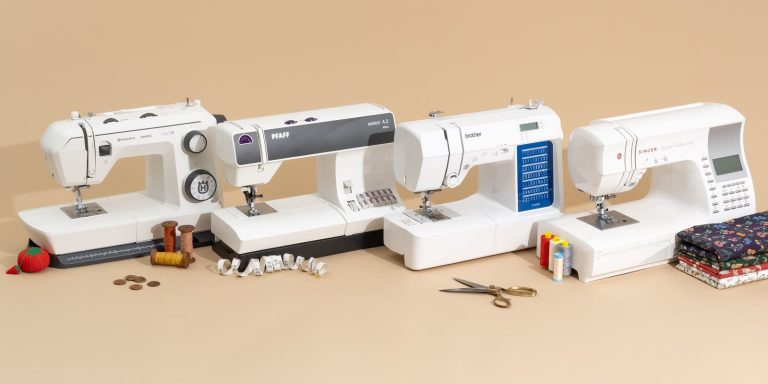
Choosing professional equipment depends on your daily production volume, workspace size, and the primary fabric weights you run through the needle.
| Method | How long | Effort | Cost | Best for |
|---|---|---|---|---|
| Industrial Lockstitch Setup | Under 1 hour setup | Medium | High | High-volume garment assembly |
| Heavy-Duty Semi-Industrial Unit | 15 minutes setup | Low | Medium | Alterations and mobile tailoring |
| High-End Computerized Machine | 10 minutes setup | Low | High | Custom fashion and bridal design |
| Mechanical Utility Workhorse | 5 minutes setup | Medium | Low | Basic repairs and sample mockups |
Industrial Lockstitch Setup
An industrial straight-stitch machine operates mounted inside a heavy table alongside an external servo motor.
- Bolt the motor beneath the table, thread the stand-mounted thread tree through the dual-disc tension assembly, and lower the machine head into the oil reservoir.
- Fill the self-lubricating pump pan with white mineral oil until the level reaches the ‘High’ mark on the reservoir.
- Insert a Type DBx1 needle with the long groove facing the thread path, and turn the digital servo dial to your target limit.
- Rest your heel on the floor pedal to raise the presser foot automatically, align your seam, and press down with the ball of your foot to sew.
This setup powers through stacked denim, leather, and canvas at extreme speeds without skipped stitches. The knee lifter lets you steer work with both hands. However, it sews only forward and reverse straight stitches, so you can’t produce a zigzag or a buttonhole without dedicated secondary equipment. If you need 220-volt wiring installed or motor wiring modified, hire a licensed electrician to avoid fire or shock hazards.
Heavy-Duty Semi-Industrial Unit
A semi-industrial straight-stitch unit gives you commercial piercing power inside a portable, all-metal domestic body.
- Place the metal body onto a level table, slide the optional extension plate around the free arm, and snap the standard presser foot into position.
- Mount a metal bobbin into the side-loading vertical rotary hook case, pulling the thread under the flat tension spring until it clicks firmly.
- Install an industrial-style needle (such as an HLx5 system), making sure the flat side faces the correct direction for your specific chassis.
- Set your mechanical stitch dial to 2.5 millimeters for standard seams, adjust the presser-foot pressure according to your fabric weight, and guide the cloth through with the foot controller.
You get true industrial speeds up to 1,500 stitches per minute without taking up permanent floor space. It handles heavy woolens and multiple layers of canvas easily. Its genuine weakness shows on delicate sheer fabrics, where the feed dogs can chew fine silk unless you swap in a dedicated lightweight throat plate.
High-End Computerized Machine
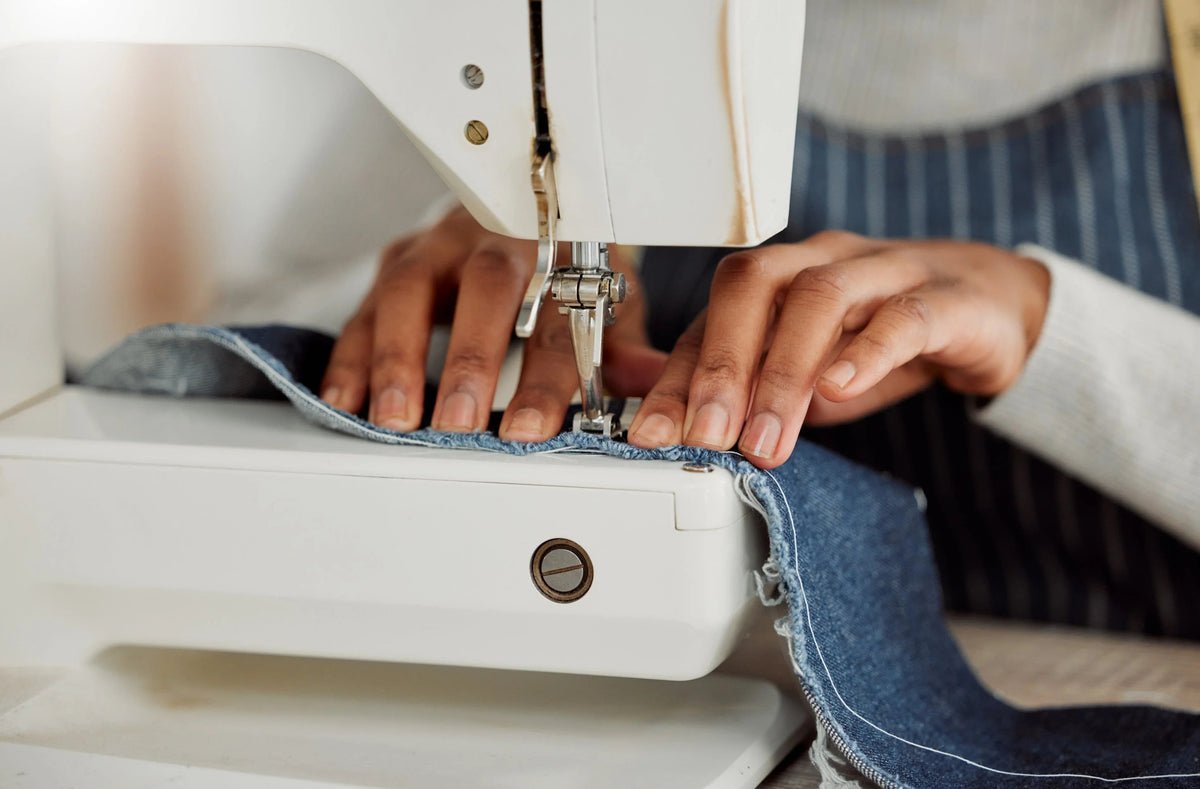
A computerized professional unit relies on internal microprocessors, dual stepper motors, and touchscreens to control stitch width, length, and needle positions.
- Connect the power cable, power on the LCD panel, and select your stitch style from the utility menu using the touchpad.
- Drop a class 15 plastic bobbin directly into the horizontal top-loading rotary hook race, guiding the thread through the integrated cutter slot.
- Lower the sensor-controlled automatic buttonhole foot, and set your stitch density between 0.35 and 0.45 millimeters on the screen.
- Engage the built-in walking foot or dual-feed arm, lower the needle with the up/down button, and start the run.
These machines create balanced, programmable buttonholes, blind hems, and decorative stitches across stretchy knits and delicate crepes without manual puckering. They store stitch sequences for repeat collections. The main drawback is mechanical fragility under continuous heavy production; thick materials can bend internal sensors, leading to expensive electronic repairs.
A standard mechanical utility machine is worth using only for dirty repair tasks or basic sample mockups. It lacks the continuous-duty motor ratings required for full-time garment manufacturing.
Which one should you use?
If you’re in a hurry, pick the heavy-duty semi-industrial unit because it comes fully assembled in a box and sits directly on any sturdy table without technical installation.
When you’re sewing professionally for the first time, choose the high-end computerized machine because its digital screen helps prevent thread errors, sets your tension automatically, and sews standard buttonholes in a single step.
When you want the best possible result whatever it takes, choose the industrial lockstitch setup because its dedicated servo motor and vibration-free table produce microscopic seam accuracy through production runs that burn out smaller domestic motors. The trade-off is clear: you give up portability and stitch variety in exchange for unmatched speed, continuous durability, and perfect straight-line accuracy.
The rules that apply whichever way you choose
Every machine must be matched to your material weight before you sew production garments. The Federal Trade Commission textile rules require precise fiber labeling on finished apparel, and your seam quality must match those commercial standards.
Before cutting fabric, run test scraps with identical thread weights in both the bobbin and upper paths. This catches tension knots early.
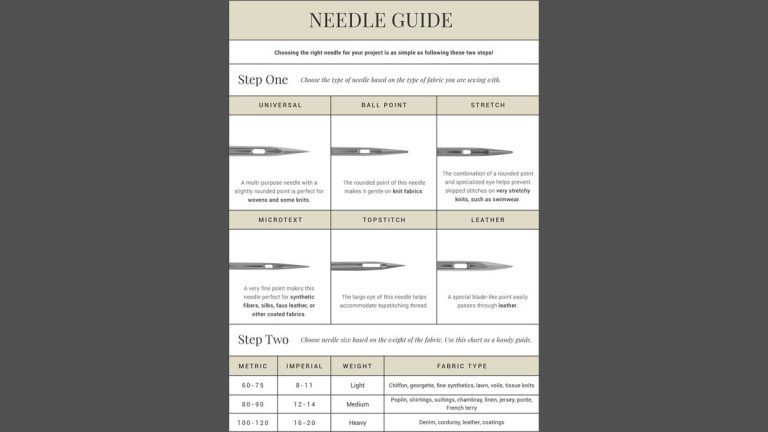
Partway through a run, check your needle point with the edge of your fingernail. A burred tip snags fibers and ruins costly yards of fabric. The common decision rule holds true: if sewing light rayon, run a size 70/10 needle; if joining heavy denim or upholstery layers, move to a size 100/16 needle.
This isn’t for someone who only mends occasional torn hems once a month. One costly mistake people make is skipping regular oiling on hook races; dry friction overheats steel bearings, which seizes internal shafts and leads to costly timing rebuilds. Always brush out lint and apply factory-approved lubricant according to your machine’s maintenance schedule.
Frequently asked questions
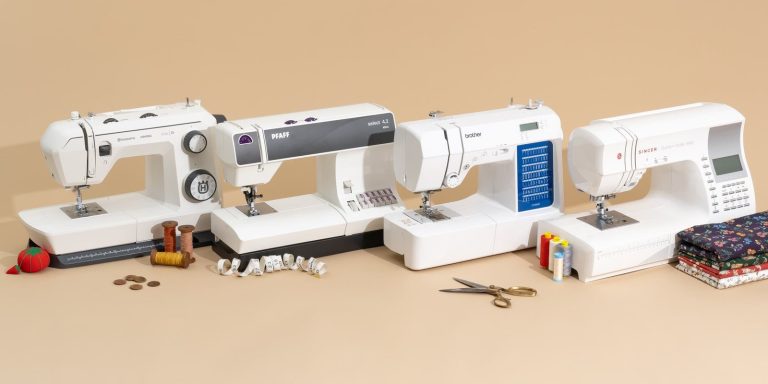
Photo: www.southernliving.com on Google
Can an industrial sewing machine sew zigzag stitches?
No, dedicated industrial lockstitch machines sew straight lines only. Their internal rotary hooks and needle bars are pinned in place to stop needle play during high-speed production. If your shop needs zigzag seams, stretch finishing, or blind hems, buy a secondary computerized machine or an industrial zigzag unit.
How long do sewing machine needles stay sharp?
About six to eight hours of active needle time. Dense wovens and synthetic polyesters dull the tip much faster than natural cottons. A blunt point punches holes in your weave, pulls cross threads, and produces noisy popping sounds during stitching.
What happens if you use domestic needles in an industrial machine?
The machine skips stitches or breaks the needle instantly. Industrial units take round-shank needles without a flat back edge, such as DBx1 or 134R systems. Domestic needles seat at the wrong depth, which knocks against the rotating hook and causes costly timing misalignment.
Why does upper thread keep snapping during high-speed runs?
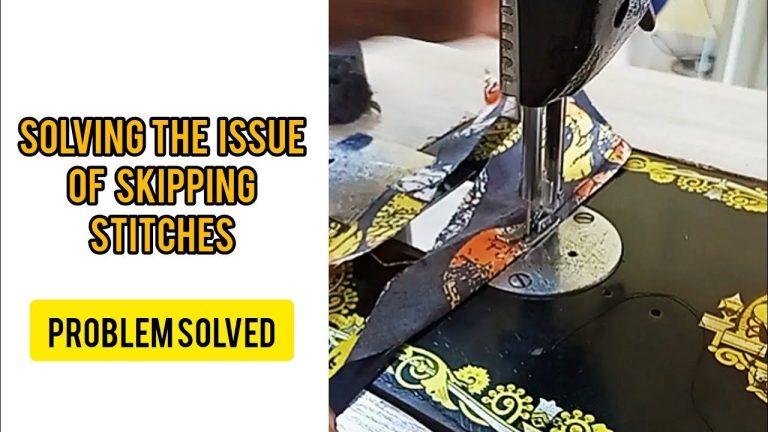
Incorrect threading or cheap thread that shreds under rapid friction causes snapping. If your upper tension discs are set too tight, or the needle eye has a groove worn into the steel, the thread breaks repeatedly. Replace the needle and test thread balance on scrap fabric first.
Is it safe to leave an industrial motor running unattended?
Yes, modern brushless servo motors draw power only when your foot presses the pedal. Older clutch motors keep spinning and consume electricity constantly while powered on. Switch off the main power box at the breaker or wall switch before leaving your workspace.
Final Thoughts
Choosing the right equipment depends on how you want your business to grow. Whether you prioritize raw speed or creative versatility, don’t rush your decision. Take a sample of your heaviest fabric to a local dealer and test a few models yourself; you’ll quickly see which machine feels like a natural partner.
{“@context”:”https://schema.org”,”@type”:”FAQPage”,”mainEntity”:[{“@type”:”Question”,”name”:”Can an industrial sewing machine sew zigzag stitches?”,”acceptedAnswer”:{“@type”:”Answer”,”text”:”No, dedicated industrial lockstitch machines sew straight lines only. Their internal rotary hooks and needle bars are pinned in place to stop needle play during high-speed production. If your shop needs zigzag seams, stretch finishing, or blind hems, buy a secondary computerized machine or an industrial zigzag unit.”}},{“@type”:”Question”,”name”:”How long do sewing machine needles stay sharp?”,”acceptedAnswer”:{“@type”:”Answer”,”text”:”About six to eight hours of active needle time. Dense wovens and synthetic polyesters dull the tip much faster than natural cottons. A blunt point punches holes in your weave, pulls cross threads, and produces noisy popping sounds during stitching.”}},{“@type”:”Question”,”name”:”What happens if you use domestic needles in an industrial machine?”,”acceptedAnswer”:{“@type”:”Answer”,”text”:”The machine skips stitches or breaks the needle instantly. Industrial units take round-shank needles without a flat back edge, such as DBx1 or 134R systems. Domestic needles seat at the wrong depth, which knocks against the rotating hook and causes costly timing misalignment.”}},{“@type”:”Question”,”name”:”Why does upper thread keep snapping during high-speed runs?”,”acceptedAnswer”:{“@type”:”Answer”,”text”:”Incorrect threading or cheap thread that shreds under rapid friction causes snapping. If your upper tension discs are set too tight, or the needle eye has a groove worn into the steel, the thread breaks repeatedly. Replace the needle and test thread balance on scrap fabric first.”}},{“@type”:”Question”,”name”:”Is it safe to leave an industrial motor running unattended?”,”acceptedAnswer”:{“@type”:”Answer”,”text”:”Yes, modern brushless servo motors draw power only when your foot presses the pedal. Older clutch motors keep spinning and consume electricity constantly while powered on. Switch off the main power box at the breaker or wall switch before leaving your workspace.”}}]}