How to Choose the Right Sewing Machine Needle: A Simple Guide
Choosing the right sewing machine needle involves matching the point type to your fabric and the size to your thread thickness.
How to choose the right needle type
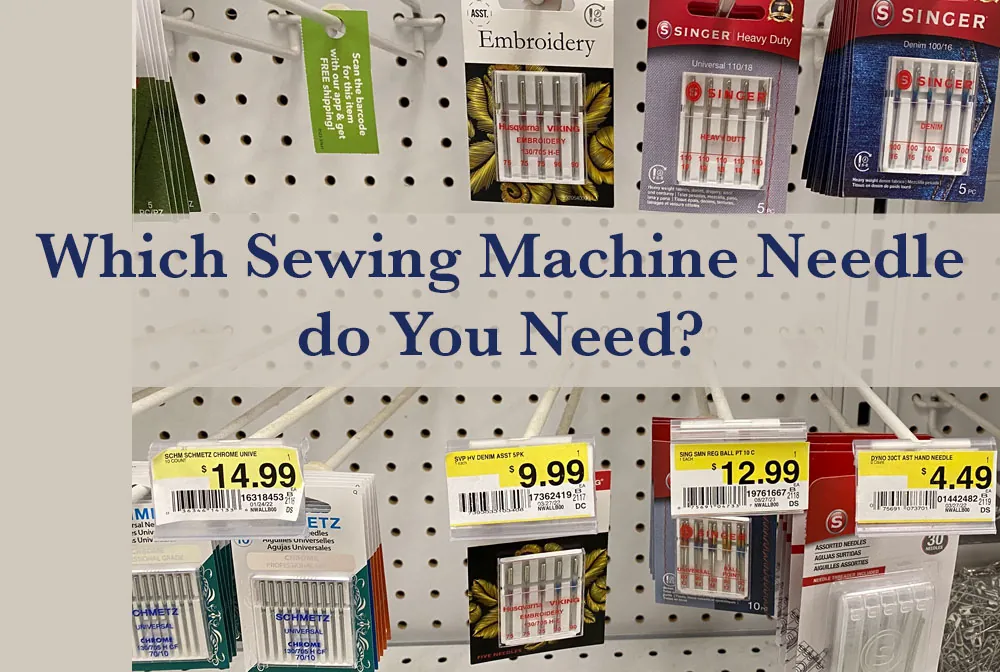
The table below shows common needle types and the fabrics they work best with. Always check your sewing machine manual for the specific needle system required for your model, as using the wrong shank type can damage your machine.
| Needle Type | Best For | Common Example |
|---|---|---|
| Universal | Woven fabrics | Cotton or linen |
| Ballpoint | Knits and jersey | T-shirt fabric |
| Sharp / Microtex | Fine, dense fabrics | Silk or microfiber |
| Denim | Heavy, thick fabrics | Canvas or jeans |
| Leather | Non-woven leather | Real or faux leather |
Universal needles for everyday projects
Universal needles have a slightly rounded point that allows them to slide through most woven fabrics without snagging or damaging the material. They’re the most common choice for general sewing tasks because they handle a wide range of weights, from light quilting cotton to medium-weight drapery fabric.
- They provide a clean stitch on cotton, linen, and synthetic blends.
- They work well for basic repairs and general garment construction.
- They’re compatible with almost all home sewing machines.
If you’re unsure where to start, begin with a size 80/12 universal needle for medium-weight cotton. If the thread loops or the fabric puckers, switch to a smaller size like 70/10 for thinner fabric or a larger 90/14 for thicker layers. A simple way to test is to sew a scrap of your project fabric; if the needle makes a loud popping sound, it’s too large for the weave.
Ballpoint needles for knit fabrics
Ballpoint needles feature a rounded tip that pushes the fibers of stretchy materials aside instead of piercing them. This design prevents the needle from creating holes in the fabric, which is a common problem when sewing jerseys, spandex, or interlock knits.
- They prevent skipped stitches by staying between the loops of the knit.
- They stop the fabric from running or laddering after you sew.
- They maintain the elasticity of the seam so it doesn’t break.
Using a sharp needle on knit fabric often results in small holes along the seam line that appear after the first wash. If you notice small holes forming, change to a ballpoint needle immediately. For lightweight tricot, use a size 70/10; for heavy sweatshirt fleece, use a size 90/14. Always use a stretch or ballpoint stitch setting on your machine to ensure the thread doesn’t snap when you pull the fabric.
Sharp and microtex needles for precision
Sharp or microtex needles have a very thin, acute point designed to pierce tightly woven fabrics with minimal resistance. They’re essential for sewing delicate materials where a standard needle might leave a visible hole or cause the fabric to pucker along the stitch line.
- They create crisp, straight seams on silk, taffeta, and polyester linings.
- They’re ideal for topstitching where precision and stitch quality matter.
- They reduce the risk of puckering on very thin, synthetic materials.
These needles are more fragile than universal types and break easily if they hit a pin or a thick seam. If you’re sewing through multiple layers of heavy fabric, these needles may bend or snap, so save them for fine, single-layer work. For most delicate silks, a size 60/8 or 70/10 works best. If you find your machine is struggling to penetrate the fabric, move to a universal needle instead of forcing the sharp point.
Denim and leather needles for heavy tasks
Denim needles have a reinforced shaft and a sharp point to penetrate heavy, dense materials without bending. Leather needles have a wedge-shaped point that cuts through hide, vinyl, or heavy synthetic leather.
- Denim needles handle multiple layers of thick canvas or heavy twill.
- Leather needles prevent the machine from jamming on non-woven materials.
- They’re designed to withstand high pressure during the sewing process.
Never use these needles on delicate fabrics, as they will leave permanent holes that look like damage. If you’re sewing leather, ensure you use the official needle sizing guidelines provided by the manufacturer to avoid breaking your machine’s motor. For heavy denim, a 100/16 needle is usually required; for thin leather, a 90/14 or 100/16 is common. These needles aren’t for everyday sewing and should be removed once you finish your heavy project.
Other specialty needles
- Twin needles: These use two needles on one shank to create two parallel rows of stitching, which is perfect for decorative hems on knit garments.
- Quilting needles: These have a tapered point that’s specifically designed to pierce through multiple layers of fabric and batting without skipping stitches.
- Embroidery needles: These have a larger eye to accommodate thicker embroidery thread, preventing the thread from fraying or breaking during high-speed designs.
Selecting the right needle for your needs
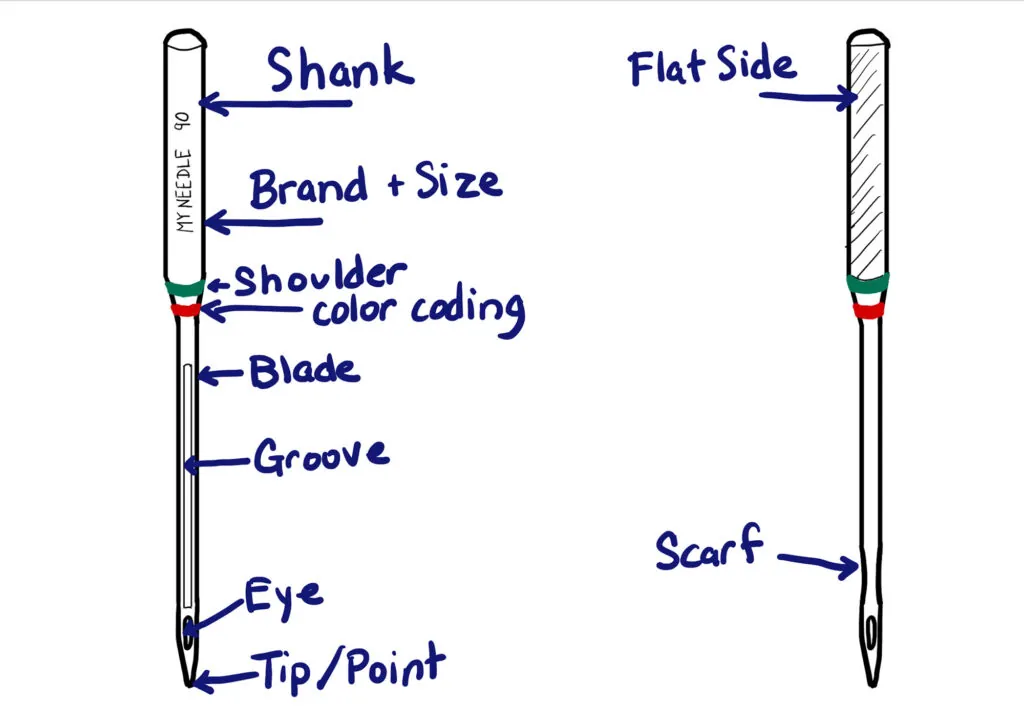
Decide based on the fabric weight and the material construction first. If your fabric is stretchy, reach for a ballpoint needle; if it’s tightly woven or delicate, choose a microtex or sharp needle. For heavy materials like canvas, always select a denim needle to prevent bending the shank.
If you’re working with a delicate fabric, match the needle size to the thread weight; a thick needle with thin thread will leave large, unattractive gaps in your seams. Generally, you shouldn’t mix needle types within a single project, as this creates uneven tension across your work.
Frequently asked questions
How often should I change my sewing machine needle?
Change your needle after every 8 to 10 hours of active sewing time. A dull needle can cause skipped stitches, fabric puckering, and even damage to your machine’s hook. If you hear a thumping sound while sewing or see small holes in the fabric, replace the needle immediately regardless of how many hours it has been used.
Does the needle size affect the stitch quality?
Yes, the needle size must match the thread thickness to ensure a balanced stitch. If the needle eye is too small for the thread, the thread will fray or break; if the needle is too large for the fabric, it will leave visible holes. Always test your thread and needle combination on a fabric scrap first.
Can I use any needle in my sewing machine?
No, you must use the needle system specified in your sewing machine manual. While many home machines use the 130/705 H system, industrial machines and some specific computerized models require different shank lengths or designs. Using the wrong system can cause the needle to strike the needle plate and damage the machine.
What happens if I use a dull needle?
A dull needle will push through the fabric rather than piercing it, leading to skipped stitches and uneven tension. This forces the machine motor to work harder and can cause the thread to snap frequently. If your machine isn’t catching the bobbin thread, the first step is always to insert a fresh, sharp needle.
Why does my thread keep breaking?
Thread often breaks because the needle is too small for the thread thickness or the needle point is dull. Check that your thread passes freely through the needle eye and that you’re using the right needle type for your fabric. If the thread continues to snap, try a larger needle size.
Is it safe to use a universal needle for everything?
It’s safe for many standard woven fabrics, but it isn’t ideal for knits, leather, or delicate silks. Using a universal needle on these materials often results in skipped stitches or fabric damage. Always switch to a specialized needle type when moving between different fabric categories to ensure the best results.
Conclusion
Start by checking your fabric type and choosing the corresponding needle point, then match the needle size to your thread. Expect the stitches to look even and flat when the balance is correct. If you see skipped stitches or hear a thumping sound, stop immediately and check for a bent or dull needle before continuing your project.
{“@context”:”https://schema.org”,”@type”:”FAQPage”,”mainEntity”:[{“@type”:”Question”,”name”:”How often should I change my sewing machine needle?”,”acceptedAnswer”:{“@type”:”Answer”,”text”:”Change your needle after every 8 to 10 hours of active sewing time. A dull needle can cause skipped stitches, fabric puckering, and even damage to your machine’s hook. If you hear a thumping sound while sewing or see small holes in the fabric, replace the needle immediately regardless of how many hours it has been used.”}},{“@type”:”Question”,”name”:”Does the needle size affect the stitch quality?”,”acceptedAnswer”:{“@type”:”Answer”,”text”:”Yes, the needle size must match the thread thickness to ensure a balanced stitch. If the needle eye is too small for the thread, the thread will fray or break; if the needle is too large for the fabric, it will leave visible holes. Always test your thread and needle combination on a fabric scrap first.”}},{“@type”:”Question”,”name”:”Can I use any needle in my sewing machine?”,”acceptedAnswer”:{“@type”:”Answer”,”text”:”No, you must use the needle system specified in your sewing machine manual. While many home machines use the 130/705 H system, industrial machines and some specific computerized models require different shank lengths or designs. Using the wrong system can cause the needle to strike the needle plate and damage the machine.”}},{“@type”:”Question”,”name”:”What happens if I use a dull needle?”,”acceptedAnswer”:{“@type”:”Answer”,”text”:”A dull needle will push through the fabric rather than piercing it, leading to skipped stitches and uneven tension. This forces the machine motor to work harder and can cause the thread to snap frequently. If your machine isn’t catching the bobbin thread, the first step is always to insert a fresh, sharp needle.”}},{“@type”:”Question”,”name”:”Why does my thread keep breaking?”,”acceptedAnswer”:{“@type”:”Answer”,”text”:”Thread often breaks because the needle is too small for the thread thickness or the needle point is dull. Check that your thread passes freely through the needle eye and that you’re using the right needle type for your fabric. If the thread continues to snap, try a larger needle size.”}},{“@type”:”Question”,”name”:”Is it safe to use a universal needle for everything?”,”acceptedAnswer”:{“@type”:”Answer”,”text”:”It’s safe for many standard woven fabrics, but it isn’t ideal for knits, leather, or delicate silks. Using a universal needle on these materials often results in skipped stitches or fabric damage. Always switch to a specialized needle type when moving between different fabric categories to ensure the best results.”}}]}