Husqvarna Quilting Sewing Machine Guide for Precision Stitches
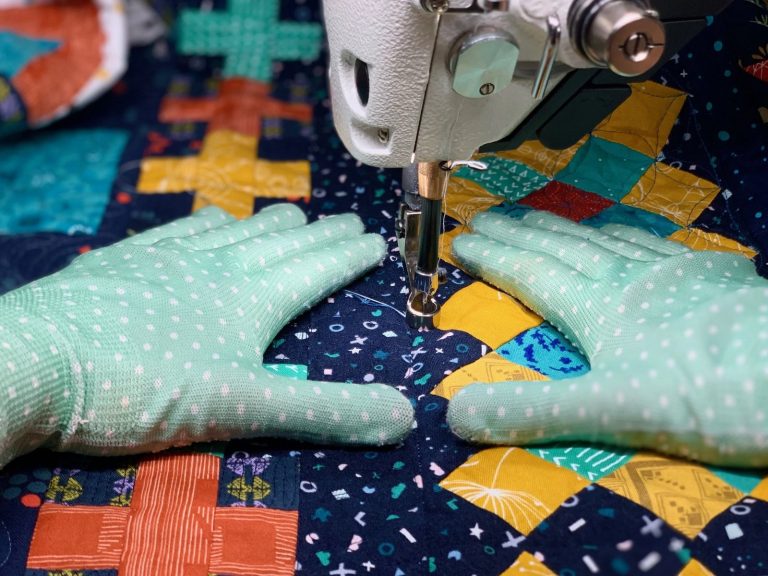
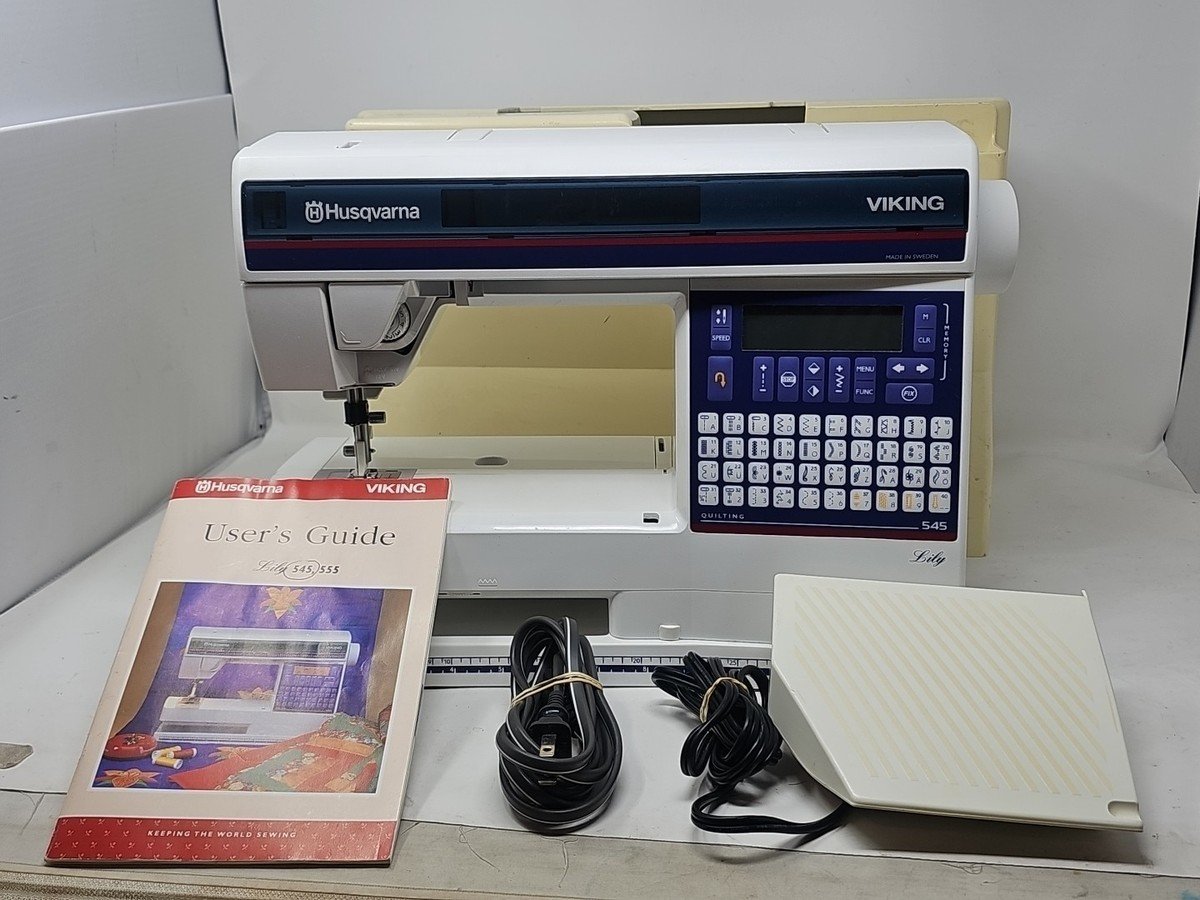
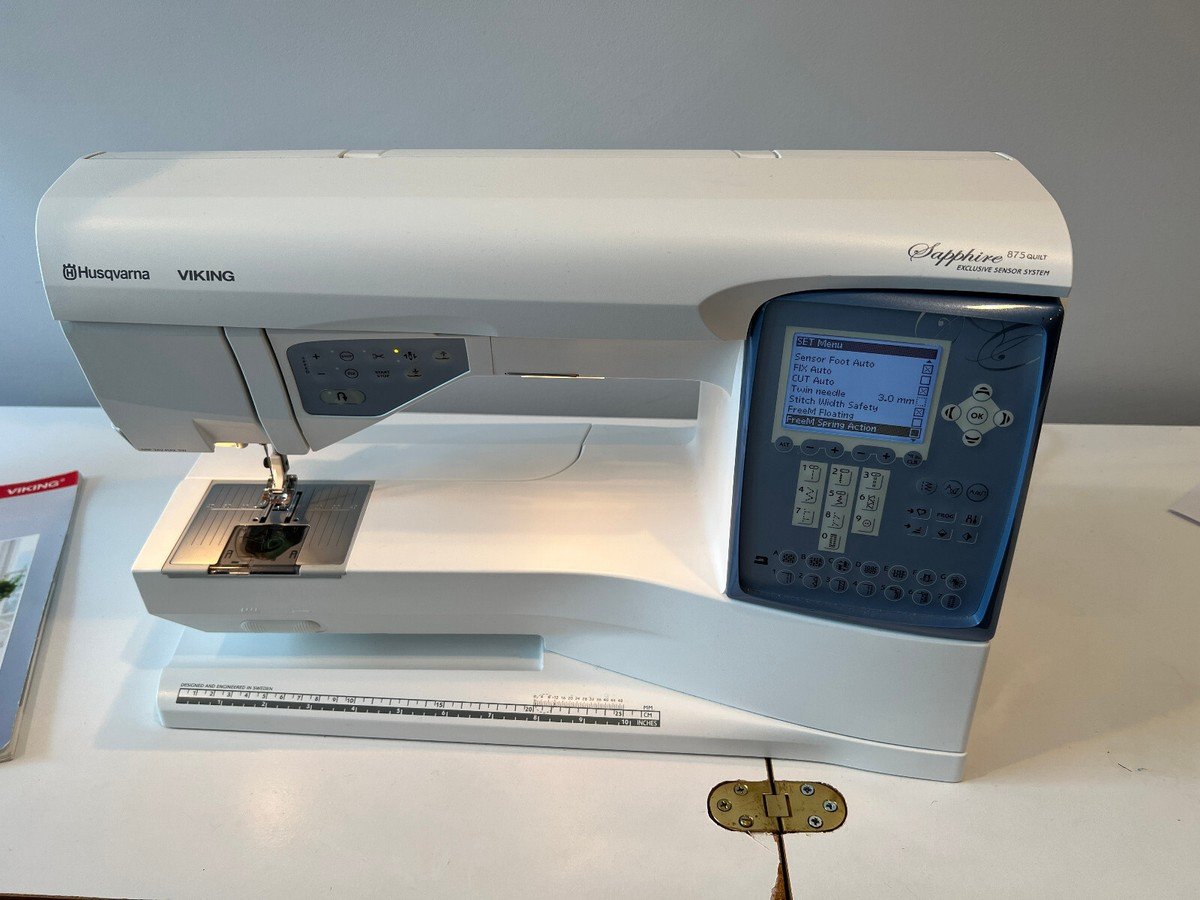
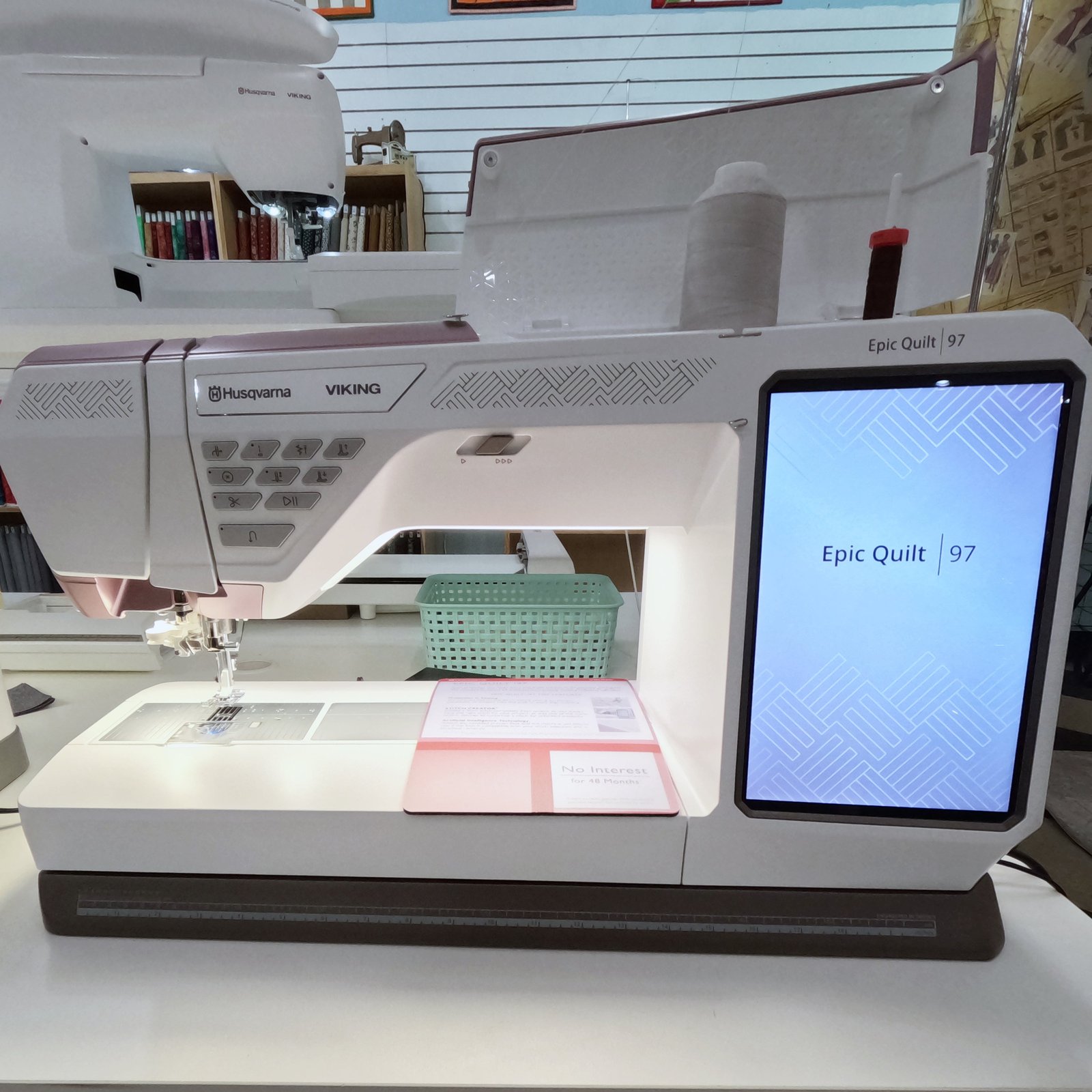
The best choice for most quilters is a computerized Viking machine because it offers consistent stitch length and a wide throat space for large blankets. You’ll find that a husqvarna quilting sewing machine provides the precision needed for complex block patterns without requiring constant manual adjustments. If you work primarily on small wall hangings or intricate embroidery, a smaller mechanical model is often better. This choice depends on your workspace size and your preference for either digital automation or manual tactile control during the sewing process.
The options compared
The right tool depends on your project goals and how much space you have for your setup.
| Method | How long | Effort | Cost | Best for |
|---|---|---|---|---|
| Computerized | Low | Low | High | Large quilts |
| Mechanical | Medium | High | Low | Small pieces |
| Long-arm | Low | Medium | High | Professional finish |
If you’re using a computerized model, allow extra time for learning the menu system. Mechanical models are faster to set up but require more focus on fabric guidance. Long-arm systems are the fastest, though they require a large dedicated room. Always check the machine manual for specific maintenance requirements, as Husqvarna Viking support provides detailed guides on proper needle and thread matching for different fabric weights.
Automated digital stitching
This method uses software to control the stitch length and feed speed, ensuring every seam is identical.
- Select your stitch pattern on the digital screen.
- Adjust the presser foot pressure based on your batting thickness; standard settings usually work for cotton, but decrease pressure for thicker materials.
- Use the start/stop button to sew, which keeps your hands free to guide the quilt sandwich.
- Set the needle-down position to keep the fabric in place when you stop to rotate the quilt.
This approach is excellent for beginners who struggle with consistent speed. If the digital display fails, this isn’t a user-serviceable part; you must take the unit to a certified technician to avoid voiding your warranty.
Manual feed control
Manual sewing relies on your hands to move the fabric at a steady pace, giving you total control over curves and tight corners.
- Set your machine to a straight stitch with a length of 2.5 millimeters for standard quilting.
- Disengage or lower the feed dogs if you plan to do free-motion quilting.
- Use a darning foot to allow the fabric to slide easily over the needle plate.
- Maintain a steady, rhythmic speed with the foot pedal to keep the quilt moving smoothly.
This method is perfect for free-motion work where you need to create custom patterns or signatures on the quilt top. The major trade-off is fatigue; because you control the speed and movement, you’ll likely tire after an hour of continuous work. People often make the mistake of pulling the fabric through the machine, which causes broken needles; always let the machine feed the material naturally.
Dedicated frame systems
Long-arm quilting involves mounting your quilt top, batting, and backing onto a large metal frame rather than moving the quilt through a small throat.
- Clamp your three layers of fabric onto the frame bars, ensuring they’re pulled taut without distorting the grain.
- Move the sewing head across the frame manually to stitch your desired pattern.
- Use a laser pointer attachment to trace pre-printed pantograph designs on the table surface.
This method allows you to complete a king-sized quilt in a single session because you don’t have to bunch the fabric under the machine arm. It’s the best choice for those who want a professional finish, but it isn’t for someone with limited storage space. You need a dedicated room at least 12 feet long to house the frame safely.
Choosing a Husqvarna quilting sewing machine
If you’re in a hurry, use the automated digital method. It allows you to set the stitch length and speed, so you can focus entirely on moving the fabric rather than worrying about the machine settings.
If you’re doing this for the first time, use a mechanical machine because it’s easier to understand how the parts work without navigating complex software menus, allowing you to learn the basics of tension and fabric handling much faster as you watch the mechanical parts moving.
If you want the best possible result, use a long-arm frame system. This provides the most professional look because the fabric remains perfectly flat and tensioned throughout the entire process. The trade-off is the significant investment in space and equipment. You must decide if the final look of the quilt is worth the cost of the floor space required for the frame.
The rules that apply whichever way you choose
Regardless of the method, you must follow the safety guidelines for electrical appliances. Always unplug the machine before changing the needle or cleaning the bobbin area to avoid accidental activation. Before you start, test your tension on a scrap piece of fabric that matches the thickness of your actual quilt sandwich.
If the bobbin thread pulls to the top or the top thread loops on the bottom, adjust the tension dial by small increments. At the end of every session, use a soft brush to remove lint from the feed dogs. Never use compressed air to clean the machine, as this pushes lint deeper into the internal electronics.
If you notice a burning smell or hear grinding noises, stop using the machine immediately. These signs indicate a mechanical failure that requires a professional. Never attempt to disassemble the motor housing or the internal circuit boards yourself; these contain sensitive electronic components that can be damaged by improper handling. Always contact the manufacturer’s authorized service center for repairs involving internal parts.
Frequently asked questions
Can I use a regular sewing machine for quilting?
Yes, you can use almost any standard machine for quilting as long as it has enough throat space to fit the rolled-up fabric. You’ll need a walking foot attachment to help feed the multiple layers of fabric evenly. If the machine is too small, you’ll find it difficult to maneuver large quilts, which leads to bunched seams and uneven stitches.
Why is my thread bunching on the bottom?
This usually happens because the top thread tension is too loose or the bobbin isn’t inserted correctly. Re-thread the top path completely while the presser foot is in the up position, as this opens the tension disks. If the problem persists, check the bobbin case for any stray lint or thread fragments that might be preventing the bobbin from spinning freely.
How long does a quilting machine last?
A well-maintained machine can last a long time if you follow the service schedule. The lifespan varies by model — check the label for the motor rating and the manual for the manufacturer’s suggested maintenance frequency to ensure you get the most out of your purchase.
Is it safe to leave my machine plugged in?
No, you should never leave your machine plugged into an outlet when it isn’t in use. A power surge or a faulty switch could cause the motor to engage unexpectedly, creating a fire hazard. Always turn off the power switch and remove the plug from the wall to ensure the machine is completely disconnected from the electrical supply after you finish your work.
What happens if I use the wrong needle?
Using the wrong needle size or type can cause skipped stitches and permanent damage to your fabric. For quilting, you should use a dedicated quilting needle with a sharp point to pierce through the layers of batting without causing holes. If your needle is blunt, it will push the fabric into the throat plate, which results in jammed threads and potential damage to the machine’s timing.
Final Thoughts
Choosing the right tool is just the beginning of your creative journey. Once you’ve picked a machine that fits your style, try visiting a local shop to test a few models in person. You’ll quickly see which one feels most comfortable, and you won’t regret taking the time to find your perfect match.
{“@context”:”https://schema.org”,”@type”:”FAQPage”,”mainEntity”:[{“@type”:”Question”,”name”:”Can I use a regular sewing machine for quilting?”,”acceptedAnswer”:{“@type”:”Answer”,”text”:”Yes, you can use almost any standard machine for quilting as long as it has enough throat space to fit the rolled-up fabric. You’ll need a walking foot attachment to help feed the multiple layers of fabric evenly. If the machine is too small, you’ll find it difficult to maneuver large quilts, which leads to bunched seams and uneven stitches.”}},{“@type”:”Question”,”name”:”Why is my thread bunching on the bottom?”,”acceptedAnswer”:{“@type”:”Answer”,”text”:”This usually happens because the top thread tension is too loose or the bobbin isn’t inserted correctly. Re-thread the top path completely while the presser foot is in the up position, as this opens the tension disks. If the problem persists, check the bobbin case for any stray lint or thread fragments that might be preventing the bobbin from spinning freely.”}},{“@type”:”Question”,”name”:”How long does a quilting machine last?”,”acceptedAnswer”:{“@type”:”Answer”,”text”:”A well-maintained machine can last a long time if you follow the service schedule. The lifespan varies by model — check the label for the motor rating and the manual for the manufacturer’s suggested maintenance frequency to ensure you get the most out of your purchase.”}},{“@type”:”Question”,”name”:”Is it safe to leave my machine plugged in?”,”acceptedAnswer”:{“@type”:”Answer”,”text”:”No, you should never leave your machine plugged into an outlet when it isn’t in use. A power surge or a faulty switch could cause the motor to engage unexpectedly, creating a fire hazard. Always turn off the power switch and remove the plug from the wall to ensure the machine is completely disconnected from the electrical supply after you finish your work.”}},{“@type”:”Question”,”name”:”What happens if I use the wrong needle?”,”acceptedAnswer”:{“@type”:”Answer”,”text”:”Using the wrong needle size or type can cause skipped stitches and permanent damage to your fabric. For quilting, you should use a dedicated quilting needle with a sharp point to pierce through the layers of batting without causing holes. If your needle is blunt, it will push the fabric into the throat plate, which results in jammed threads and potential damage to the machine’s timing.”}}]}