Best Sewing Machine for Quilting: Features and Top Picks
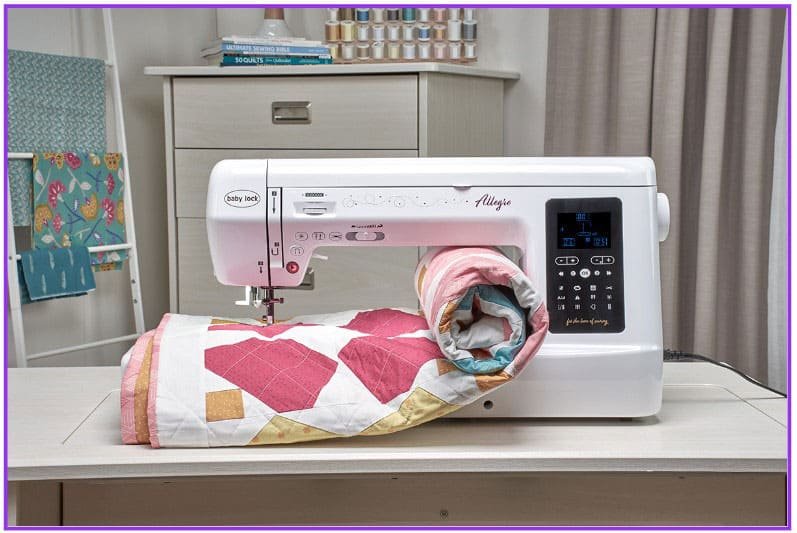
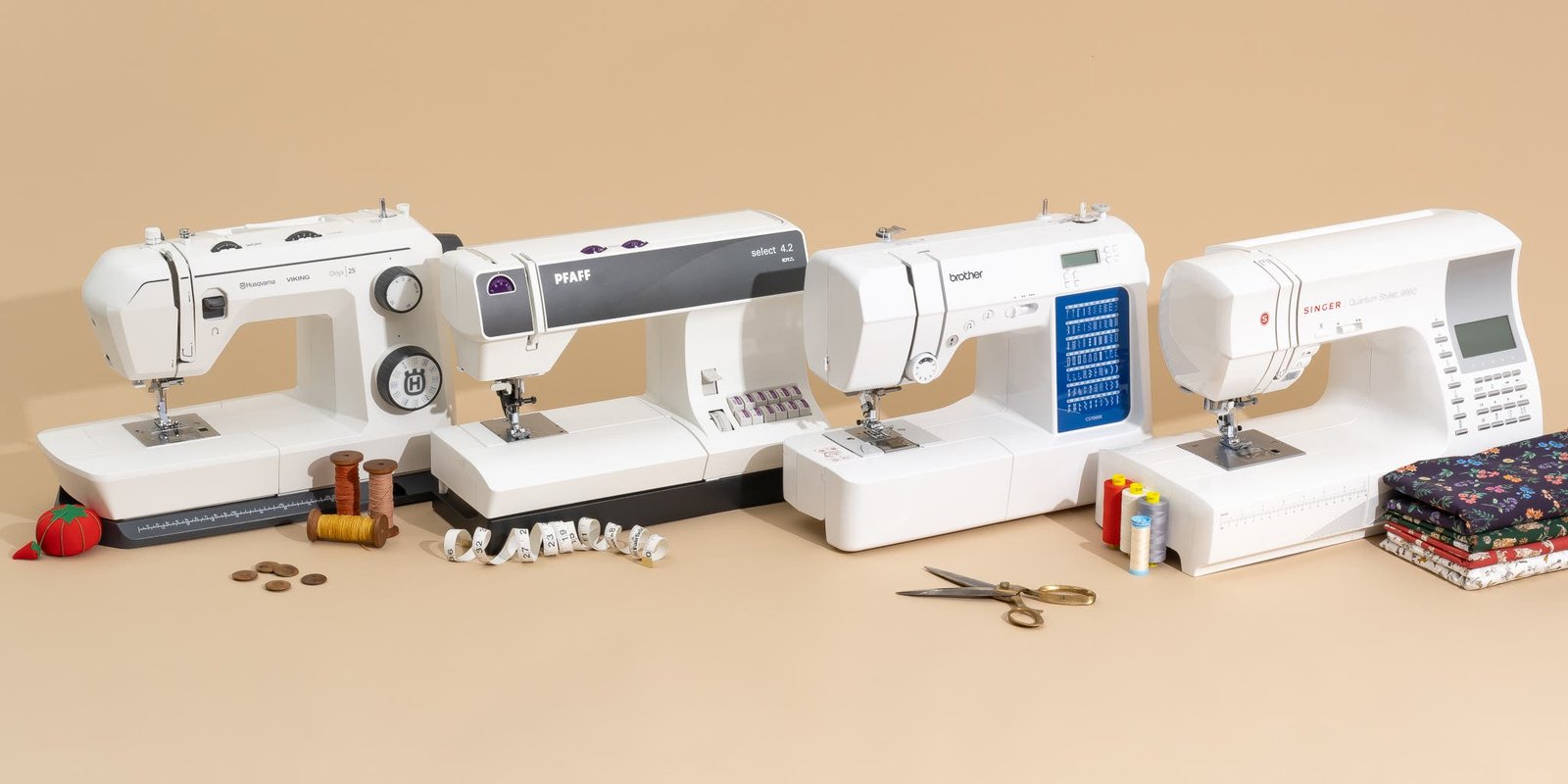
To determine what is best sewing machine for quilting, look for models with large throat spaces like the Janome Memory Craft 6700P or Juki TL-2010Q, which provide room to maneuver bulky fabric. These machines offer high-speed straight stitching and wide workspaces to quilt large blankets without bunching. Prioritize a model with at least nine inches of space to the right of the needle.
Why it works / what to know first
The defining feature of a successful quilting machine is the throat space, also known as the harp. This is the distance between the needle and the machine’s body. If the space is under seven inches, you’ll struggle to push a queen-sized quilt through the machine. You need that extra room to avoid uneven tension and accidental puckers in your layers. This is a clear trade-off: machines with larger throats often have fewer decorative stitches because the focus is on heavy-duty performance.
The most common mistake beginners make is ignoring the feed dog system. If your machine doesn’t have a walking foot or a built-in dual feed mechanism, the top layer of your quilt will shift and create pleats. You must ensure your machine supports a walking foot, as this moves both fabric layers at the same speed.
Machine Setup for Quilting
- Clean the needle plate and feed dogs using a soft brush to ensure the fabric moves smoothly without snags.
- Install a fresh size 90/14 quilting needle, which is designed to penetrate multiple layers of batting and fabric without breaking.
- Attach your walking foot or engage the built-in dual feed system to keep the layers aligned as you move the fabric.
- Set your stitch length to 2.5mm or 3.0mm; this provides a secure hold that’s easier to remove if you make a mistake.
- Wind your bobbin with the same thread weight you use in the top needle to maintain balanced tension.
- Test your settings on a scrap sandwich—two layers of cotton with batting in between—to check for skipped stitches.
Tip: If you notice the thread bunching on the bottom, re-thread the top of the machine while the presser foot is up to ensure the thread is properly seated in the tension discs.
Tip: Always verify the electrical requirements for your specific machine model to ensure it’s compatible with your home’s power supply.
Time spent quilting on your machine
The time required to complete a project depends on the size of the quilt and your experience with free-motion or straight-line quilting.
If your project takes significantly longer than these estimates, you’re likely stopping too frequently to adjust the fabric. This varies by model — Check your user manual for any specific maintenance or lubrication requirements.
How to tell when it’s done
You know you’re finished when the quilting pattern is consistent across the entire surface and the tension remains balanced on both sides. Flip the quilt over to inspect the back; if you see loops or jagged stitches, the tension is off. A simple way to check is to tug gently on the thread ends at the start and stop points to ensure they’re locked. If you’re using a long-arm machine, follow the specific tension standards provided by the manufacturer, as these machines operate under higher pressure than standard domestic models. The final sign of completion is that all raw edges are secured and the quilt lies flat on a hard surface without bowing or pulling at the seams. If the quilt ripples, you may have “quilted out” too much fabric, meaning your stitches were too tight or your batting was too thin for the distance between your lines.
Mistakes that ruin it
- Using the wrong needle type: Choosing a standard universal needle instead of a quilting or denim needle leads to skipped stitches and broken threads when hitting thick batting seams. Always swap to a dedicated quilting needle before starting the main project.
- Neglecting regular cleaning: Dust from batting collects inside the bobbin case and interferes with the hook timing, causing the machine to jam or tangle thread. Use a small brush to clear the lint after every few bobbins.
- Forcing the fabric through: Pushing or pulling the quilt against the machine arm creates uneven stitch lengths and puts unnecessary stress on the needle bar. Let the machine do the work, and if it feels heavy, you need to support the weight of the quilt on a table behind the machine.
- Poor thread matching: Using a heavy thread in the needle and a thin one in the bobbin creates an unbalanced stitch that pops open after washing. Match the weight and type of thread in both the needle and the bobbin for a professional, durable result.
Frequently asked questions
What is best sewing machine for quilting?
Yes, you can quilt on a regular sewing machine if it has enough throat space to hold your quilt. Machines with less than six inches of space make managing large projects difficult. You’ll also need a walking foot or darning foot to ensure even fabric feeding.
How long should a quilting machine last?
A high-quality sewing machine used for quilting can last between 10 and 20 years with proper maintenance. This assumes the machine is cleaned after every project and serviced by a professional every two to three years. Daily use may require replacing parts like the bobbin case sooner.
Is it safe to leave a machine running unattended?
No, you should never leave a sewing machine running unattended while it’s plugged into a power source. A short circuit or accidental press of the foot pedal could cause the motor to overheat or the needle to strike the plate. Always unplug the machine if you leave the room.
What happens if the thread tension is wrong?
Incorrect thread tension causes uneven stitches that may pull apart after washing. If the top thread is too tight, the bobbin thread pulls to the top; if the bobbin thread is too tight, the top thread loops on the bottom. Test on scrap fabric until the stitch locks centrally.
How do I know if my machine is powerful enough?
Your machine is powerful enough if it sews through three layers of fabric and batting without the motor slowing down. If the machine struggles or stitches become erratic at seams, the motor is likely too weak. Stop immediately if the machine stalls to avoid damaging the internal gears.
Final Thoughts
Before you commit to a purchase, visit a local shop to test a few machines in person. Feeling how the fabric moves under the needle will help you decide which one fits your hands best. You’ll soon find the perfect partner to bring your creative vision to life with ease.
{“@context”:”https://schema.org”,”@type”:”FAQPage”,”mainEntity”:[{“@type”:”Question”,”name”:”What is best sewing machine for quilting?”,”acceptedAnswer”:{“@type”:”Answer”,”text”:”Yes, you can quilt on a regular sewing machine if it has enough throat space to hold your quilt. Machines with less than six inches of space make managing large projects difficult. You’ll also need a walking foot or darning foot to ensure even fabric feeding.”}},{“@type”:”Question”,”name”:”How long should a quilting machine last?”,”acceptedAnswer”:{“@type”:”Answer”,”text”:”A high-quality sewing machine used for quilting can last between 10 and 20 years with proper maintenance. This assumes the machine is cleaned after every project and serviced by a professional every two to three years. Daily use may require replacing parts like the bobbin case sooner.”}},{“@type”:”Question”,”name”:”Is it safe to leave a machine running unattended?”,”acceptedAnswer”:{“@type”:”Answer”,”text”:”No, you should never leave a sewing machine running unattended while it’s plugged into a power source. A short circuit or accidental press of the foot pedal could cause the motor to overheat or the needle to strike the plate. Always unplug the machine if you leave the room.”}},{“@type”:”Question”,”name”:”What happens if the thread tension is wrong?”,”acceptedAnswer”:{“@type”:”Answer”,”text”:”Incorrect thread tension causes uneven stitches that may pull apart after washing. If the top thread is too tight, the bobbin thread pulls to the top; if the bobbin thread is too tight, the top thread loops on the bottom. Test on scrap fabric until the stitch locks centrally.”}},{“@type”:”Question”,”name”:”How do I know if my machine is powerful enough?”,”acceptedAnswer”:{“@type”:”Answer”,”text”:”Your machine is powerful enough if it sews through three layers of fabric and batting without the motor slowing down. If the machine struggles or stitches become erratic at seams, the motor is likely too weak. Stop immediately if the machine stalls to avoid damaging the internal gears.”}}]}