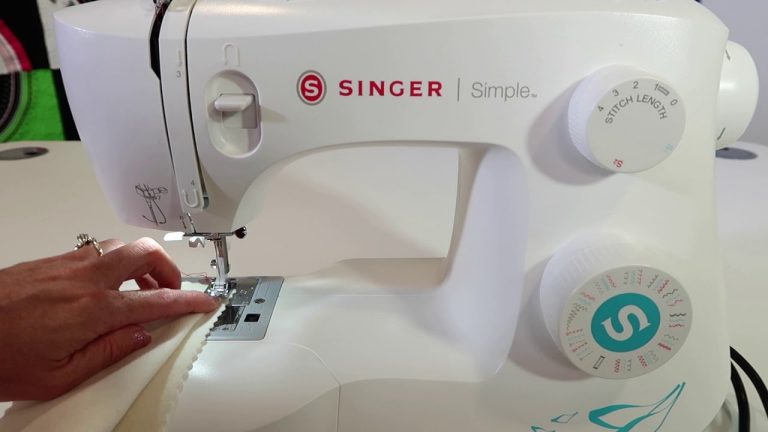
Best All Purpose Sewing Machine: Why the Brother CS7000X Wins
The Brother CS7000X is widely considered the best all purpose sewing machine because it balances a wide range of automated features with a user-friendly design that suits both hobbyists and beginners. If you work primarily with heavy-duty upholstery or industrial-grade leather, you should look for a dedicated mechanical machine with a high-torque motor instead. This model offers the most versatility for common household projects, whereas specialized machines are required for heavy materials. Always check the manufacturer’s manual to ensure your specific fabric weight matches the motor’s capability.
Choosing the best all purpose sewing machine
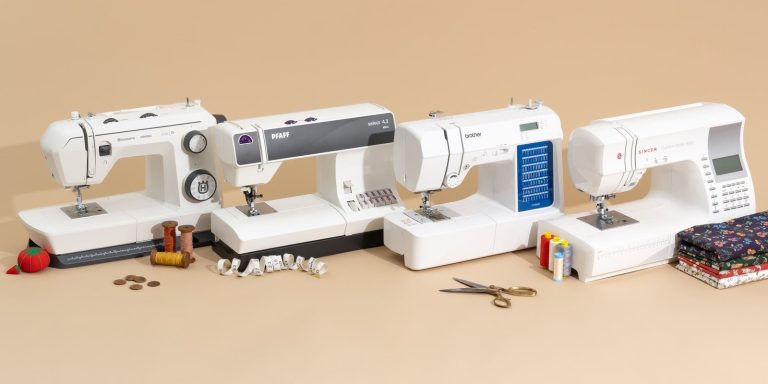
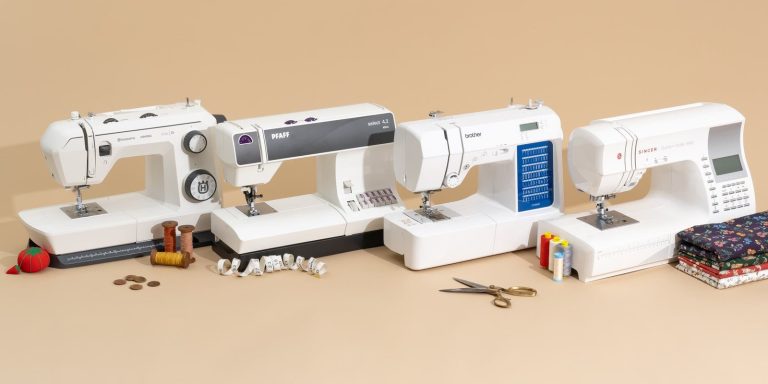
Photo: www.businessinsider.com on Google
Choosing the right equipment depends on your typical projects and your comfort level with digital interfaces.
| Method | How long | Effort | Cost | Best for |
|---|---|---|---|---|
| Computerized | Low | Low | Medium | Everyday sewing |
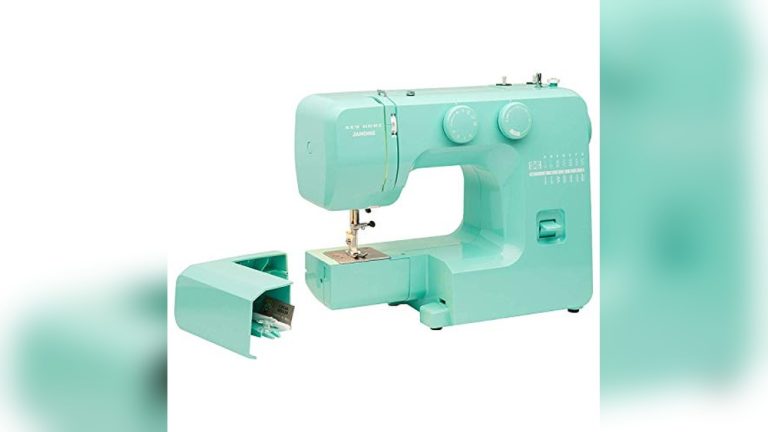
| Mechanical | Medium | Medium | Low | Learning basics |
| Industrial | Low | High | High | Heavy fabrics |
If your goal is simple repairs, a mechanical machine provides enough functionality without the complexity of a screen. However, for those who want to explore quilting or decorative stitching, a computerized model saves significant time. If you choose a mechanical machine, you’ll spend more time adjusting tension manually. If you choose a computerized one, the machine handles most settings automatically. Keep in mind that “low cost” mechanical models often lack the precise speed control found in computerized units. You can find detailed safety specifications for electrical appliances through the UL product safety standards documentation.
Computerized machines for precision
These machines use internal circuit boards to control needle movement and stitch patterns.
- Turn the power on and select your desired stitch number on the digital display.
- Adjust the stitch length and width using the buttons beneath the screen.
- Use the start/stop button for consistent speed or connect the foot pedal for manual control.
- Engage the automatic thread cutter to finish your seam with a single touch.
These machines excel at decorative work and consistent results across various fabric types. They’re highly efficient for users who change stitch patterns frequently. One weakness is that the internal electronics are sensitive to dust, which requires you to clean the bobbin area regularly to prevent sensor errors.
Mechanical machines for simplicity
Mechanical models rely on physical dials and levers to change stitch settings.
- Turn the manual dial on the side of the machine to align the arrow with your chosen stitch icon.
- Set the stitch length lever to the desired measurement, usually between two and four millimeters.
- Place your fabric under the presser foot and lower the lever to lock it in place.
- Press the foot pedal steadily, starting slowly to ensure the needle enters the fabric cleanly.
This method is perfect for those who want a tactile experience and a machine that’s easy to repair. These machines are very durable because they have fewer electronic components to fail. The main disadvantage is that you must manually reset every setting when you switch from a straight stitch to a zigzag, which slows down complex projects.
Heavy duty machines for thick materials
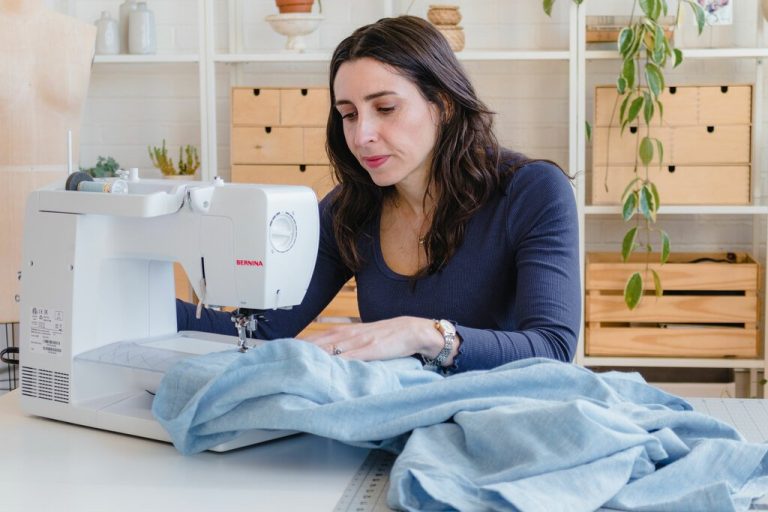
Photo: www.nytimes.com on Google
These machines use stronger motors and metal frames to handle thick layers of denim or canvas.
- Install a heavy-duty needle, such as a size 100/16, designed for thick fabrics.
- Adjust the tension dial to a higher number to ensure the thread pulls through heavy layers properly.
- Feed the material slowly, allowing the high-torque motor to pull the fabric through the feed dogs.
- Use a walking foot attachment to keep multiple layers of fabric aligned while sewing.
These machines are built for performance and longevity when working with thick materials. They provide the power needed to punch through layers that would stall a standard motor. The biggest weakness is their size and weight, as they’re often too bulky to move easily around a small home workspace.
Which one should you use?
If you’re in a hurry, use a computerized machine because it saves time with automatic stitch selection and built-in thread cutters. If you’re doing this for the first time, a mechanical machine is the best choice because the simple dials make it easier to understand the interaction between the needle and bobbin. If you want the best possible result whatever it takes, choose a high-end computerized machine with a wide table attachment.
The trade-off is always between convenience and control. A computerized machine offers convenience but requires more care, while a mechanical machine offers absolute control but requires more manual effort. If you’re working on a budget, remember that a used mechanical machine often outlasts a cheap, new computerized one. Always verify your machine’s warranty before attempting any modifications to the internal housing or motor.
The rules that apply whichever way you choose
Regardless of the machine, you must keep the bobbin area free of lint. Use a small brush to remove debris regularly according to the manufacturer’s instructions. Always match your needle size to your fabric weight; using a thin needle on thick fabric will cause it to snap. If you hear a grinding noise, stop immediately and check for tangled thread in the bobbin case.
If you’re dealing with frayed wires or a burning smell, stop using the machine and unplug it immediately. Any repair involving the motor, internal wiring, or power supply is strictly for a qualified technician. Attempting to open the machine housing can lead to electric shock or permanent damage. Always consult the official user manual for specific maintenance intervals, as these vary by model. If you can’t fix a tension issue after adjusting the dial, take the machine to a professional service center.
Frequently asked questions

Can I sew leather with a standard machine?
No, most standard machines lack the torque to pierce thick leather without breaking the needle. You should use a machine specifically designed for heavy-duty materials or leather work. Attempting to sew thick leather on a basic machine can damage the timing mechanism, which is a costly repair. If you must sew leather, check that your machine is rated for that material in the manual.
Why is my thread bunching up?
Thread bunching on the underside of the fabric usually happens because the top tension is too loose or the machine isn’t threaded correctly; bunching on the top side usually indicates the bobbin tension is too loose. Re-thread both the top spool and the bobbin to ensure the thread is seated firmly in the tension discs. If the issue continues, check that your presser foot is in the down position while you’re sewing.
How long does a machine last?
A well-maintained machine can last for many years if it’s cleaned and serviced regularly. This assumes you’re using the machine for home projects and not professional, daily industrial work. If you notice the motor struggling, it’s time to have a professional technician inspect the internal belts and gears.
Is it safe to leave the machine plugged in?
No, you should always unplug your machine when you aren’t actively using it to prevent accidental starts. Leaving it plugged in can also pose a risk if there’s a power surge in your home. Always store the machine in a dry, cool place to protect the internal electronics from humidity.
What happens if I sew over a pin?
Sewing over a pin will almost certainly break your needle and can scratch the needle plate or damage the feed dogs. If you hit a pin, remove the broken pieces immediately to prevent them from falling into the bobbin race. Always remove pins from your fabric as you approach the needle to keep your workspace safe.
Final Thoughts
Choosing the right tool is just the start of your creative journey. Once you’ve set up your workspace, don’t be afraid to experiment with different stitches on scrap fabric. You’ll find that practice makes everything easier, and you’re going to love how much you can create once you get comfortable.
{“@context”:”https://schema.org”,”@type”:”FAQPage”,”mainEntity”:[{“@type”:”Question”,”name”:”Can I sew leather with a standard machine?”,”acceptedAnswer”:{“@type”:”Answer”,”text”:”No, most standard machines lack the torque to pierce thick leather without breaking the needle. You should use a machine specifically designed for heavy-duty materials or leather work. Attempting to sew thick leather on a basic machine can damage the timing mechanism, which is a costly repair. If you must sew leather, check that your machine is rated for that material in the manual.”}},{“@type”:”Question”,”name”:”Why is my thread bunching up?”,”acceptedAnswer”:{“@type”:”Answer”,”text”:”Thread bunching on the underside of the fabric usually happens because the top tension is too loose or the machine isn’t threaded correctly; bunching on the top side usually indicates the bobbin tension is too loose. Re-thread both the top spool and the bobbin to ensure the thread is seated firmly in the tension discs. If the issue continues, check that your presser foot is in the down position while you’re sewing.”}},{“@type”:”Question”,”name”:”How long does a machine last?”,”acceptedAnswer”:{“@type”:”Answer”,”text”:”A well-maintained machine can last for many years if it’s cleaned and serviced regularly. This assumes you’re using the machine for home projects and not professional, daily industrial work. If you notice the motor struggling, it’s time to have a professional technician inspect the internal belts and gears.”}},{“@type”:”Question”,”name”:”Is it safe to leave the machine plugged in?”,”acceptedAnswer”:{“@type”:”Answer”,”text”:”No, you should always unplug your machine when you aren’t actively using it to prevent accidental starts. Leaving it plugged in can also pose a risk if there’s a power surge in your home. Always store the machine in a dry, cool place to protect the internal electronics from humidity.”}},{“@type”:”Question”,”name”:”What happens if I sew over a pin?”,”acceptedAnswer”:{“@type”:”Answer”,”text”:”Sewing over a pin will almost certainly break your needle and can scratch the needle plate or damage the feed dogs. If you hit a pin, remove the broken pieces immediately to prevent them from falling into the bobbin race. Always remove pins from your fabric as you approach the needle to keep your workspace safe.”}}]}