Best Sewing Machine for All Purpose Tasks: Our Expert Guide
The best sewing machine for all purpose tasks is a high-quality computerized model that offers adjustable speed, automatic needle threading, and a wide range of utility stitches. If you want to handle everything from light silk to thick denim, you need a machine with a powerful motor and a metal internal frame. For those working only with very heavy leather or industrial-grade fabrics, a dedicated walking-foot machine is the better choice. Check the manufacturer’s manual for the maximum fabric thickness allowed for your specific model.
The options compared
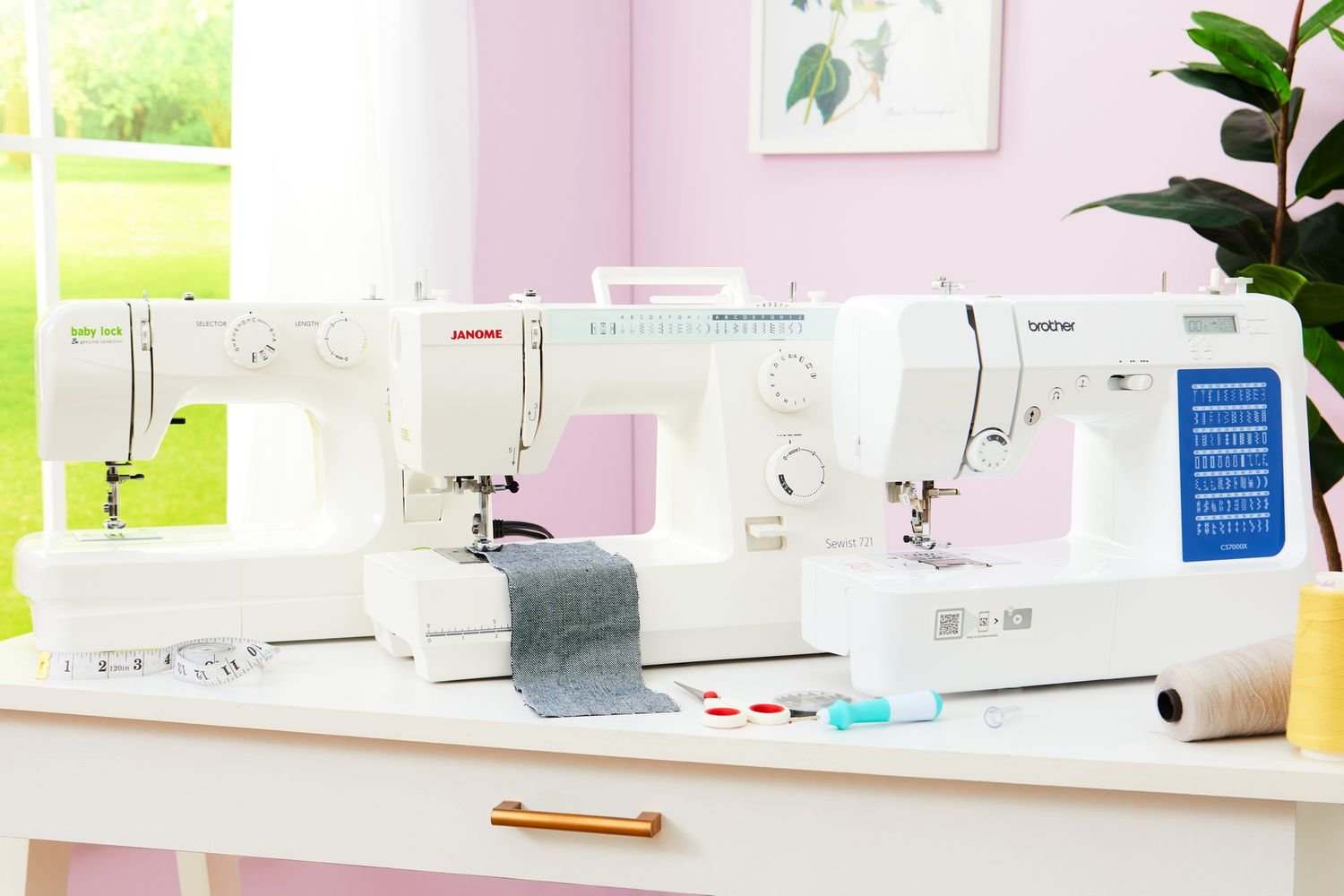
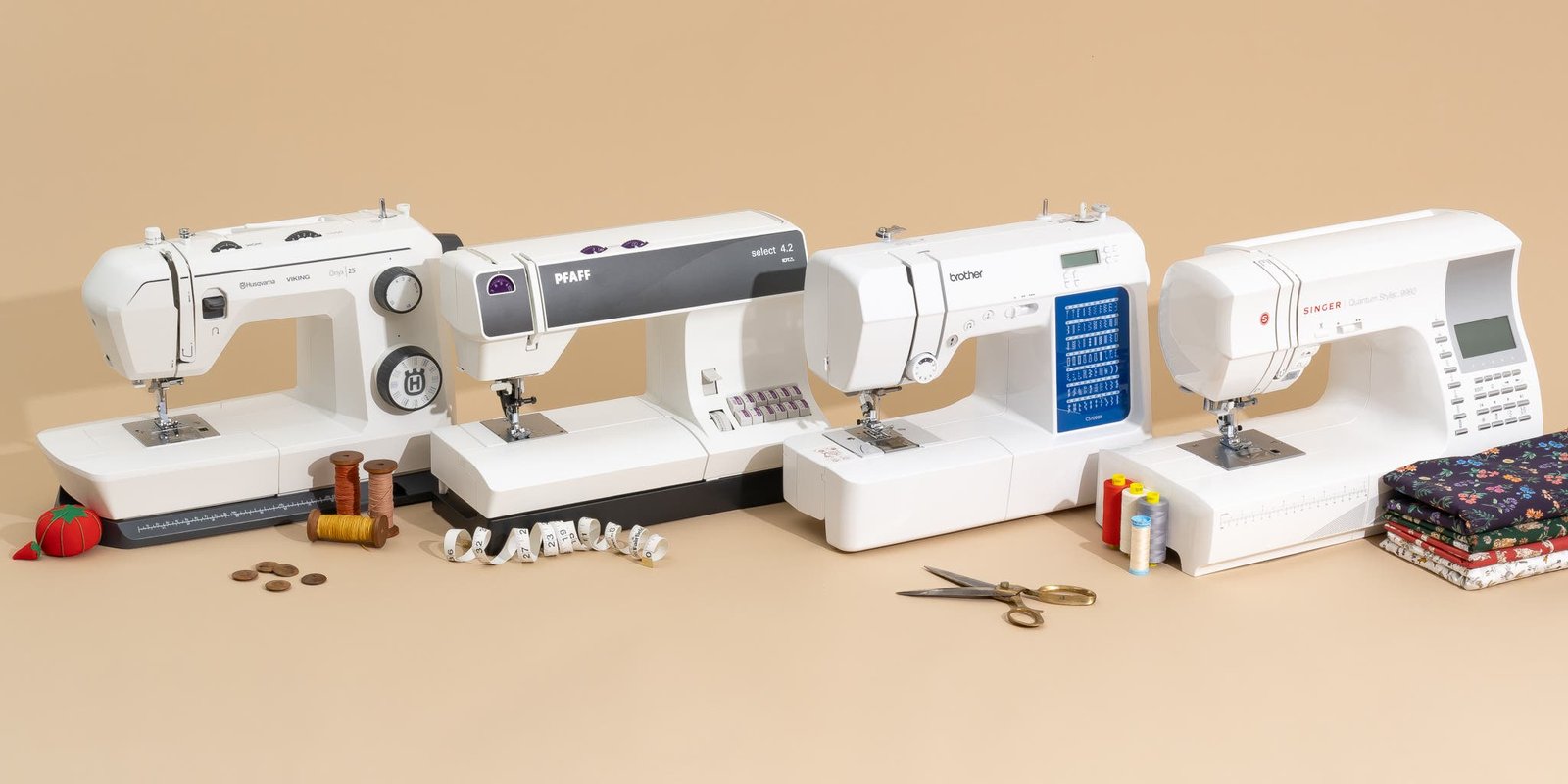
The right tool depends on your goals, as different machines offer specific advantages for different types of sewing projects.
| Method | How long | Effort | Cost | Best for |
|---|---|---|---|---|
| Mechanical Machine | Fast | Medium | Low | Basic repairs |
| Computerized Machine | Very fast | Low | Medium | All-purpose sewing |
| Industrial Machine | Instant | High | High | Heavy production |
If you’re a beginner, look for a computerized model that handles tension settings for you. If you’re a professional or work with heavy materials, you should choose an industrial machine that’s built for speed and power. These machines aren’t for you if you change projects often, as they’re heavy and difficult to move. A common mistake is buying an entry-level machine and expecting it to sew through thick upholstery; this often breaks the timing mechanism, which is a costly repair. This varies by model — always check the label for the recommended fabric weights.
Standard computerized sewing machines
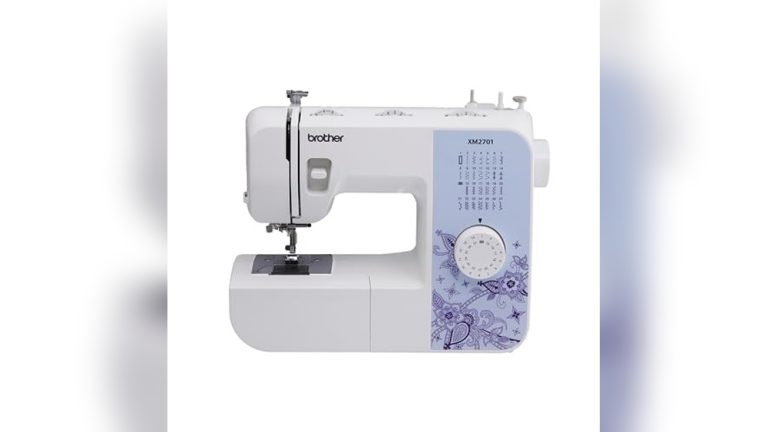
Computerized machines use digital sensors to control needle movement and stitch length. They provide consistent results for a wide variety of fabrics.
- Turn the power switch to the “on” position and ensure the presser foot is raised.
- Select your desired stitch on the digital display, then adjust the width and length according to the fabric type.
- Place your fabric under the needle and press the start button or use the foot pedal to begin sewing.
- Use the automatic thread cutter once you reach the end of your seam to finish the task.
These machines are excellent for garment making, quilting, and embroidery because they offer precision and ease of use. The downside is that the internal circuit boards are sensitive to moisture and dust. If you notice the display screen flickering or error codes appearing, stop usage and contact an authorized service center.
Heavy-duty mechanical machines
Mechanical machines rely on physical dials and levers rather than digital software. They’re robust and built to withstand the strain of thicker materials.
- Rotate the handwheel to bring the needle to its highest position.
- Set the stitch dial to your chosen pattern and adjust the tension dial based on your thread thickness.
- Lower the presser foot firmly onto the fabric and guide it slowly under the needle as you engage the pedal.
- When finished, use the manual lever on the side of the machine to cut the thread.
These machines are fantastic for mending heavy items like jeans, canvas bags, or curtains. They’re simple to maintain because they don’t have complex software that can glitch. A major trade-off is the lack of automatic features, which means you must manually adjust tension and needle positions for every project. This requires more patience and practice compared to computerized versions.
Industrial sewing machines
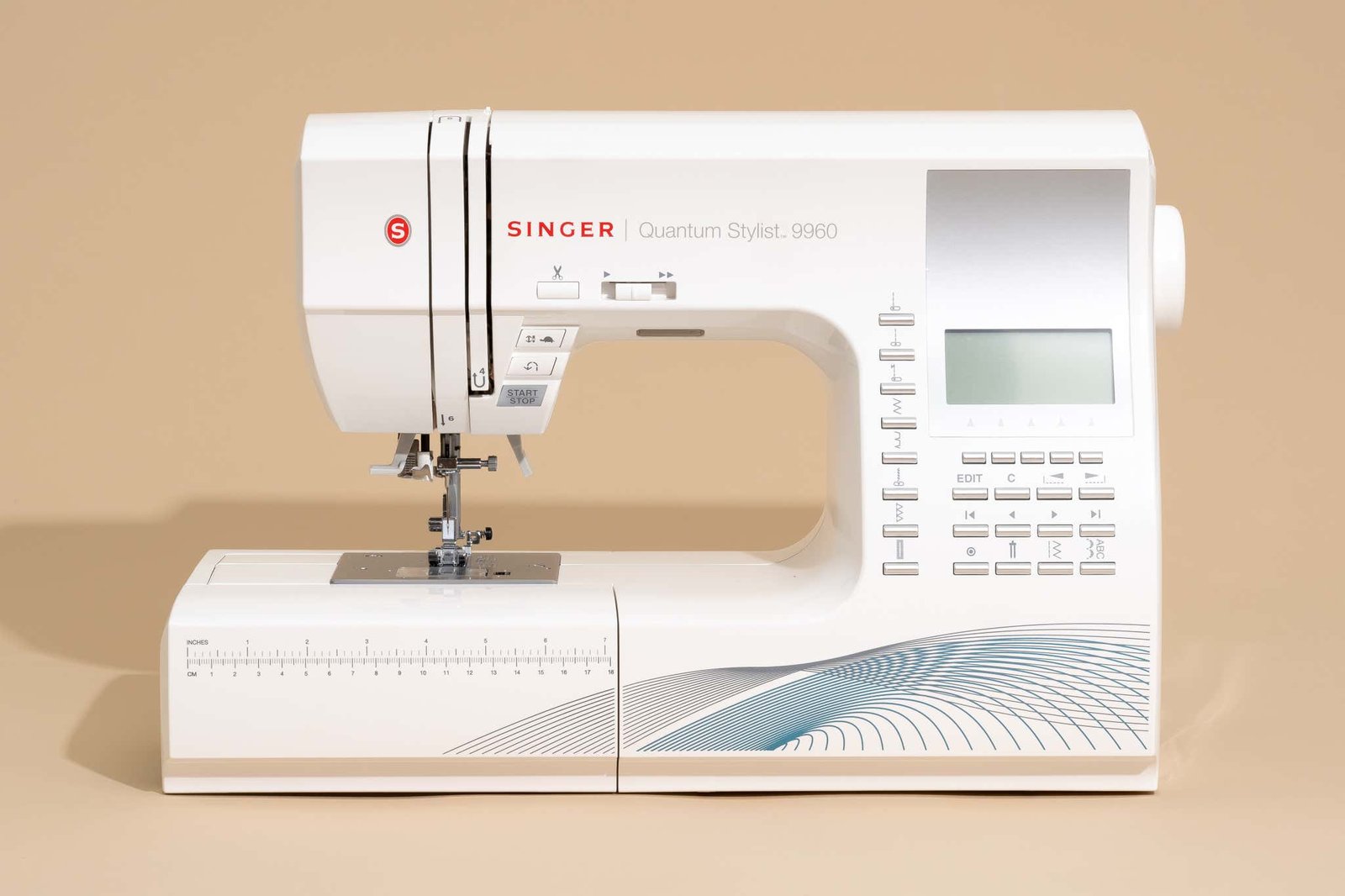
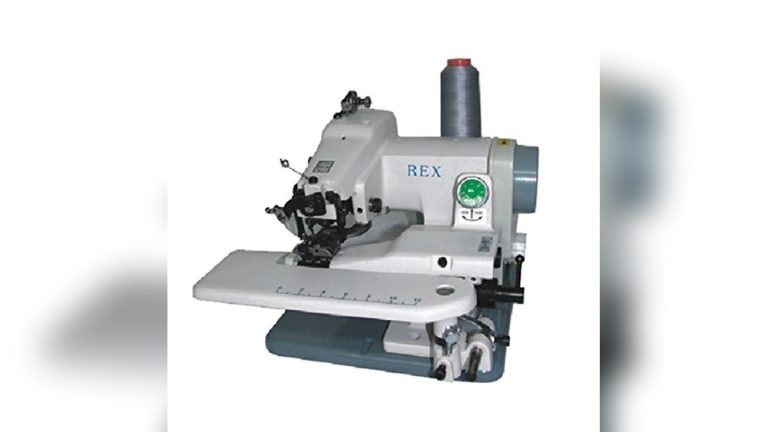
Industrial machines are purpose-built for speed, often sewing at over 4,000 stitches per minute. They’re designed for high-volume work in professional settings.
- Connect the machine to a standard grounded power outlet, as most industrial sewing machines are designed to operate on standard residential voltage.
- Oil the machine regularly at the designated points found in the service manual to keep the internal parts moving smoothly.
- Feed the fabric under the walking foot and maintain steady pressure on the pedal to keep the speed consistent.
- Always disengage the motor and turn off the power before cleaning out lint or changing the needle.
These machines are unmatched for power and speed, making them the gold standard for upholstery and heavy-duty sewing. However, they aren’t for you if you need a portable machine, as the motor and table are permanently fixed in place. If you aren’t a professional, you might find the speed difficult to control, which can lead to uneven seams. Working with industrial electrical equipment requires caution; never attempt to open the motor housing, as a capacitor can hold a lethal charge even after being unplugged.
The best sewing machine for all purpose
If you’re in a hurry, use a computerized sewing machine because the automatic features like needle threading and stitch selection save you significant time. If you’re doing this for the first time, choose a basic computerized model; these machines provide helpful prompts on the screen that make the learning process much easier. When you want the best possible result whatever it takes, choose an industrial machine, as its heavy-duty motor ensures perfectly straight and strong stitches on even the thickest fabrics.
The trade-off is clear: computerized machines offer convenience and versatility for the home user, while industrial machines offer raw power at the expense of portability and ease of use. Mechanical machines sit in the middle, offering reliability but requiring more manual skill. If you’re unsure which path to take, visit a local sewing shop to test the machines in person. Feeling the weight of the frame and the smoothness of the motor helps you decide if a machine is right for your specific needs. Always confirm the warranty details with the manufacturer before making your final purchase, as professional-grade machines often have different service requirements than home-use models.
The rules that apply whichever way you choose
Regardless of the machine you pick, you must follow basic safety and maintenance standards. Always unplug your machine before changing the needle or cleaning the bobbin area. This prevents accidental activation while your fingers are near the needle. Before starting any project, ensure you use the correct needle type for your fabric; using a leather needle on silk will ruin the material.
Partway through a long project, check the bobbin to ensure it isn’t running low on thread. A common mistake is to keep sewing until the thread runs out, which can cause the needle to jam or the tension to become uneven. At the end of every session, use a soft brush to remove lint from the feed dogs. Lint buildup is the number one cause of poor stitch quality.
If your machine makes a loud grinding noise or smells like burning plastic, stop immediately. These signs indicate a mechanical failure that requires professional repair. Never attempt to adjust the motor or the internal timing mechanism yourself. These parts are complex and require specialized tools. If you’re unsure about the safety of your machine, contact the manufacturer’s customer support line. They can tell you exactly how to maintain your unit according to the official safety standards for that specific model.
Frequently asked questions

Can I use a home sewing machine for leather?
No, most home machines aren’t designed for thick leather. Using leather on a standard machine can snap the needle or damage the internal timing gears. If you must sew leather, use a specialized machine with a walking foot that can handle the thickness without stalling. Always check the manufacturer’s manual for your machine’s maximum fabric weight limits before attempting to sew heavy materials.
How long does a sewing machine last?
A well-maintained home sewing machine can last for fifteen to twenty years if you clean it regularly and have it serviced by a professional as part of your usual maintenance. Industrial machines can last even longer because they’re made with heavy-duty metal parts. This lifespan varies by model — check the manufacturer’s manual for recommended maintenance schedules.
Is it safe to sew with a damaged power cord?
No, it’s never safe to use a machine with a damaged or frayed power cord. A damaged cord poses a serious fire and shock risk. If you notice any damage to the cable, stop using the machine immediately and replace the cord through the manufacturer or a certified service center. Never try to repair the cord with electrical tape, as this doesn’t provide a safe or permanent fix.
What happens if I use the wrong needle?
Using the wrong needle often results in skipped stitches, broken threads, or holes being punched through your fabric. A ballpoint needle is for knits, while a sharp needle is for woven fabrics. If you notice your stitches look uneven or the thread keeps snapping, the first thing you should do is replace the needle with one specifically designed for the weight and type of material you’re currently sewing.
Why is my machine making a clicking sound?
A clicking sound usually means that the bobbin case isn’t seated correctly or there’s a piece of thread stuck in the shuttle race. Turn off the machine and open the bobbin compartment to clear any debris. If the sound continues after cleaning, the timing may be off. At this point, stop using the machine and take it to a qualified technician to avoid further damage to the internal parts.
Final Thoughts
Choosing the right tool is just the beginning of your creative journey. Once you’ve picked a model that fits your needs, don’t be afraid to experiment with different needles and thread weights. You’ll find that practice makes your projects look professional, so grab some scrap fabric and start stitching today!
Related guides
- Is Singer a Good Sewing Machine? Our Expert Verdict
- Best Sewing Machine With Embroidery: Our Top Expert Picks
- Best Singer Sewing Machines for Beginners: Our Top 2 Picks