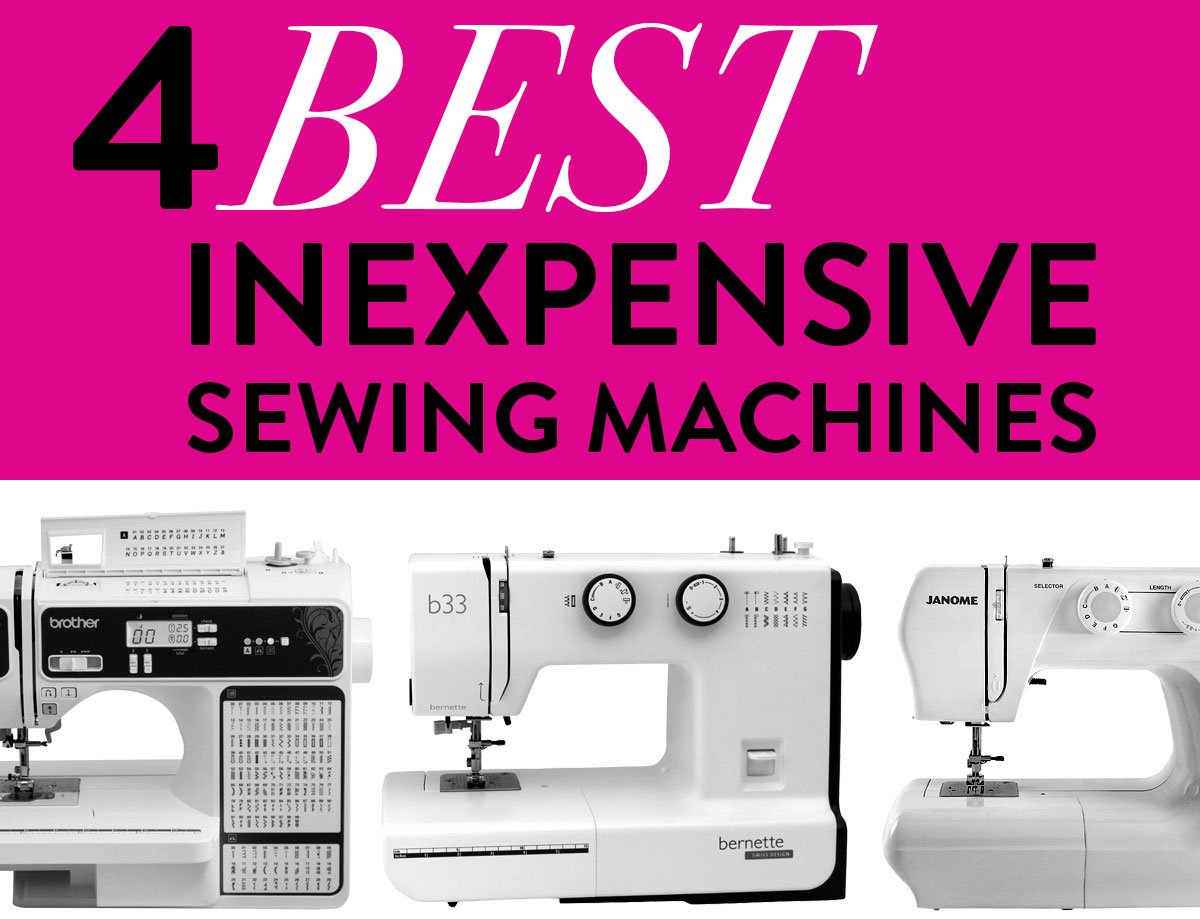
What Is the Best Inexpensive Sewing Machine? Top Picks
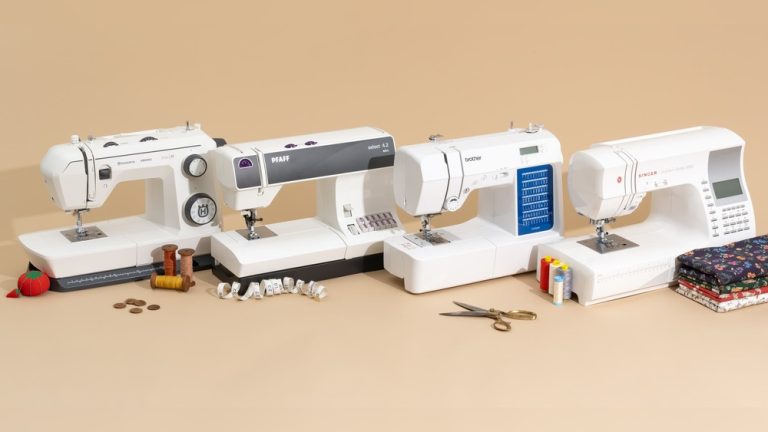
A basic mechanical machine from a known brand is the best inexpensive choice for most people. The Singer Heavy Duty 4411 and the Brother GX37 are the two models that keep coming up, because both are inexpensive relative to the alternative and both have metal frames that hold up to regular use. If you only sew occasionally, a cheaper machine is fine.
What to look for in an inexpensive sewing machine
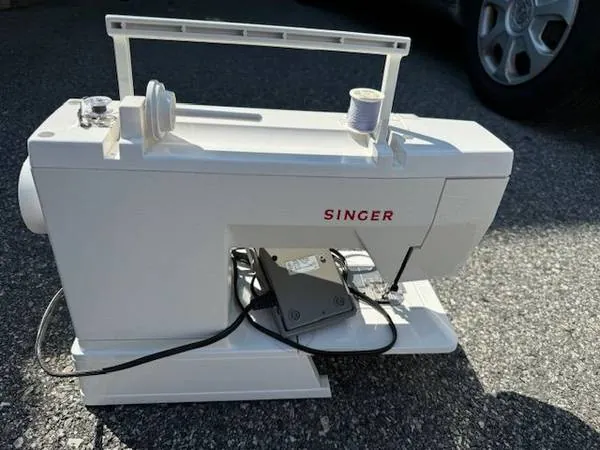
- Buy a mechanical machine, not a computerized one. Computerized models add boards and screens that fail first and cost more to repair than the machine is worth.
- Check the frame material before the price. A metal inner frame keeps stitches even at speed; a full plastic body flexes and skips stitches on thick seams.
- Expect to pay little for a machine that lasts. Spend less than that and you’re usually buying a toy with a plastic bobbin case.
- Count the stitches you’ll actually use. Most sewers use straight stitch, zigzag, and a buttonhole — that’s it. Paying extra for 60 decorative stitches is wasted money.
- Confirm the bobbin type is common. A Class 15 or 15J bobbin costs a few dollars for a pack of 10; odd bobbins are hard to find and cost more.
- Check that presser feet are standard snap-on. Snap-on feet are inexpensive relative to the alternative; proprietary feet can cost much more.
Why cheap machines fail
The single biggest difference between a cheaper machine and a pricier one is the frame. A metal frame holds the needle bar and the feed dogs in exact alignment, so the stitch stays even when you press the pedal down. A plastic frame flexes under the same force. That flex moves the timing slightly, and a mistimed machine skips stitches or breaks needles.
Motor power matters for the same reason. A weaker motor slows down when it hits a thick seam, and a slow needle punches through fabric at an angle instead of straight. That’s why a denim hem that sews fine on a heavy machine comes out with skipped stitches on a light one. You don’t need a huge motor for cotton — you need one that holds its speed.
Bobbin cases are the third weak point. A metal bobbin case holds tension settings for years. A plastic one wears where the thread rubs, and once that groove cuts in, tension drifts and no adjustment fixes it. You can check this yourself: take the bobbin case out and look at where the thread passes. If that spot is plastic, plan on replacing the case eventually.
The good news is that the parts that matter most — frame, motor, bobbin case — are exactly the parts a brand controls cheaply. That’s why a low-cost machine from a company that’s been making them for decades can still be a solid tool. The U.S. Consumer Product Safety Commission publishes recall notices for sewing machines, so it’s worth a quick check before buying any specific model.
When a cheap machine isn’t the right answer
One lead point: the answer changes the moment your work gets heavy, wide, or constant.
| Situation | What changes | What to do instead |
|---|---|---|
| You sew denim or canvas weekly | Light motor stalls on thick seams | Buy a heavy-duty mechanical model |
| You quilt full-size blankets | Small throat space bunches fabric | Look for a 7-inch or wider throat |
| You sew 10+ hours a week | Plastic parts wear out in months | Step up to a metal-body machine |
| You want embroidery designs | Cheap machines can’t read design files | Save for an embroidery machine |
| You need to sew leather | Standard needles and feet won’t hold | Use a walking-foot machine |
| You’re buying for a child | Full-size machines are heavy and fast | Get a small starter machine instead |
How to pick and set up your machine
- Set a modest budget and stick to it. In that range you get a metal frame and a real bobbin case. Spend less, and the parts that fail first are the parts you can’t replace.
- Check the machine’s weight before you buy. A machine under about 10 pounds is usually all plastic inside. Weight is the quickest honest signal of how much metal is in the frame.
- Match the needle to the fabric. Use a size 80/12 needle for cotton, a 90/14 for denim, and a 70/10 for silk. The wrong needle causes more skipped stitches than a wrong machine.
- Thread the machine with the presser foot up. The tension discs are open only when the foot is raised. Thread with it down and the thread sits outside the discs, so the stitch loops underneath.
- Wind the bobbin to the fill line, not past it. An overfilled bobbin won’t sit flat in the case, and the thread catches on the case edge as it unwinds.
- Test on scrap fabric before your real project. Sew one line on two layers of the same fabric you’ll use. If the stitch looks even on both sides, you’re set.
- Clean the bobbin area after every 8–10 hours of sewing. Lint packs under the feed dogs and lifts them out of alignment. A small brush and the machine’s own manual instructions are all you need.
- Oil only where the manual says to oil. Many modern machines are sealed and self-lubricating. Adding oil to a sealed machine attracts lint and causes more problems than it solves.
Mistakes that cost you money
- Buying on stitch count alone. A machine with 60 stitches and a plastic frame sews worse than one with 10 stitches and a metal frame. You’ll use three of those 60.
- Skipping the manual. Every machine threads slightly differently, and a missed thread guide is the number one cause of tangles. Ten minutes with the manual saves hours of unpicking.
- Using old or cheap thread. Thread that snaps mid-seam means re-sewing the whole line. Buy fresh thread from a known brand and store it out of direct sun.
- Forcing thick fabric through. Pushing the fabric bends the needle, and a bent needle hits the plate and breaks. Let the feed dogs pull; if they can’t, the machine is wrong for the job.
- Never servicing the machine. Lint and dried oil build up inside, and a machine that’s never cleaned sews badly within a year. Follow the cleaning schedule in your manual.
Frequently asked questions
What is the best inexpensive sewing machine for a beginner?
A mechanical machine in the inexpensive range from a major brand, with a metal frame and a straight-stitch plus zigzag option. Beginners don’t need decorative stitches or a digital screen. Look for one with snap-on presser feet and a common bobbin type, so replacements stay cheap and easy to find.
How much should I spend on a sewing machine?
Spend a modest amount if you’ll sew a few times a month. Spend less, and you’re usually buying a machine with a plastic bobbin case that wears out. Spend more, and you’re paying for features most people never use. The price that fits your sewing frequency matters more than the brand name.
Can a cheap sewing machine sew denim?
Sometimes, but not reliably. A light machine’s motor slows on thick seams, and the needle punches at an angle, which causes skipped stitches. If denim is a regular project, buy a heavy-duty mechanical model instead. For an occasional jeans hem, a size 90/14 needle and a slow speed can get you through.
How long do inexpensive sewing machines last?
A well-kept mechanical machine in the inexpensive range often lasts many years of regular home use. The deciding factors are how often you clean it and whether you force thick fabric through it. A machine that’s never cleaned or serviced can sew badly within a year.
Is a computerized sewing machine better than a mechanical one?
Not for a tight budget. Computerized models add circuit boards and screens that cost more to repair than the machine is worth. A mechanical machine has fewer parts to fail and you can adjust it yourself. Choose computerized only if you need specific stitch patterns or automatic needle positioning.
What happens if I use the wrong needle?
You’ll get skipped stitches, snagged fabric, or a broken needle. A needle that’s too fine for thick fabric bends and hits the needle plate. A needle that’s too heavy for fine fabric leaves visible holes. Match the needle size to the fabric weight and change it every 8–10 hours of sewing.
Does the bobbin type matter?
Yes, and it’s easy to overlook. A common Class 15 bobbin costs a few dollars for a pack of 10 and is sold everywhere. A proprietary bobbin can cost several times that and may only be available from the maker. Check the bobbin type before you buy the machine, not after.
Is it safe to buy a used sewing machine?
Often yes, if you can test it first. Bring scrap fabric, thread it, and sew a straight line and a zigzag. Listen for grinding and watch for skipped stitches. Skip any machine with a cracked plastic bobbin case or missing presser feet, since those parts are the expensive ones to replace.
Conclusion
Pick the machine that fits how you actually sew, then spend your first week on simple projects like pillowcases or tote bags. You’ll learn its quirks fast, and you won’t regret starting small. If you’re still unsure, visit a local shop and try one in person before you buy.
{“@context”:”https://schema.org”,”@type”:”FAQPage”,”mainEntity”:[{“@type”:”Question”,”name”:”What is the best inexpensive sewing machine for a beginner?”,”acceptedAnswer”:{“@type”:”Answer”,”text”:”A mechanical machine in the inexpensive range from a major brand, with a metal frame and a straight-stitch plus zigzag option. Beginners don’t need decorative stitches or a digital screen. Look for one with snap-on presser feet and a common bobbin type, so replacements stay cheap and easy to find.”}},{“@type”:”Question”,”name”:”How much should I spend on a sewing machine?”,”acceptedAnswer”:{“@type”:”Answer”,”text”:”Spend a modest amount if you’ll sew a few times a month. Spend less, and you’re usually buying a machine with a plastic bobbin case that wears out. Spend more, and you’re paying for features most people never use. The price that fits your sewing frequency matters more than the brand name.”}},{“@type”:”Question”,”name”:”Can a cheap sewing machine sew denim?”,”acceptedAnswer”:{“@type”:”Answer”,”text”:”Sometimes, but not reliably. A light machine’s motor slows on thick seams, and the needle punches at an angle, which causes skipped stitches. If denim is a regular project, buy a heavy-duty mechanical model instead. For an occasional jeans hem, a size 90/14 needle and a slow speed can get you through.”}},{“@type”:”Question”,”name”:”How long do inexpensive sewing machines last?”,”acceptedAnswer”:{“@type”:”Answer”,”text”:”A well-kept mechanical machine in the inexpensive range often lasts many years of regular home use . The deciding factors are how often you clean it and whether you force thick fabric through it. A machine that’s never cleaned or serviced can sew badly within a year.”}},{“@type”:”Question”,”name”:”Is a computerized sewing machine better than a mechanical one?”,”acceptedAnswer”:{“@type”:”Answer”,”text”:”Not for a tight budget. Computerized models add circuit boards and screens that cost more to repair than the machine is worth. A mechanical machine has fewer parts to fail and you can adjust it yourself. Choose computerized only if you need specific stitch patterns or automatic needle positioning.”}},{“@type”:”Question”,”name”:”What happens if I use the wrong needle?”,”acceptedAnswer”:{“@type”:”Answer”,”text”:”You’ll get skipped stitches, snagged fabric, or a broken needle. A needle that’s too fine for thick fabric bends and hits the needle plate. A needle that’s too heavy for fine fabric leaves visible holes. Match the needle size to the fabric weight and change it every 8–10 hours of sewing.”}},{“@type”:”Question”,”name”:”Does the bobbin type matter?”,”acceptedAnswer”:{“@type”:”Answer”,”text”:”Yes, and it’s easy to overlook. A common Class 15 bobbin costs a few dollars for a pack of 10 and is sold everywhere. A proprietary bobbin can cost several times that and may only be available from the maker. Check the bobbin type before you buy the machine, not after.”}},{“@type”:”Question”,”name”:”Is it safe to buy a used sewing machine?”,”acceptedAnswer”:{“@type”:”Answer”,”text”:”Often yes, if you can test it first. Bring scrap fabric, thread it, and sew a straight line and a zigzag. Listen for grinding and watch for skipped stitches. Skip any machine with a cracked plastic bobbin case or missing presser feet, since those parts are the expensive ones to replace.”}}]}