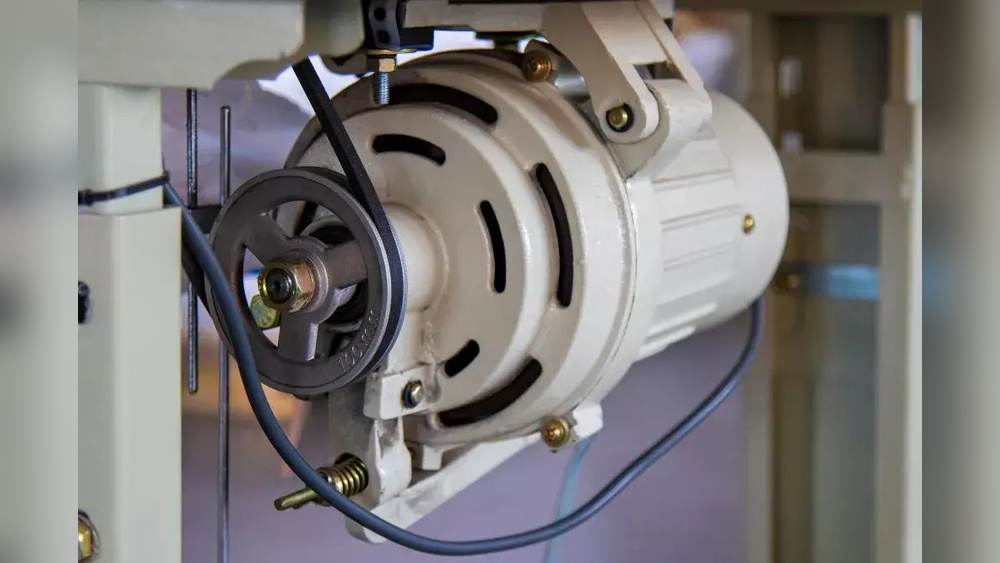
How Much Sewing Machine Motor Costs: Ultimate Buying Guide 2026
Are you thinking about upgrading your sewing machine or replacing its motor? Knowing how much a sewing machine motor costs can save you time and money.
Whether you want a powerful motor for heavy fabrics or a basic one for simple projects, understanding the price range helps you make the right choice. Keep reading to discover what affects the cost of sewing machine motors and how to pick the best one for your needs.
This way, you’ll get the most value and performance from your machine.

Credit: www.jacksew.com
Sewing Machine Motor Types
Sewing machines use different types of motors to run smoothly. Each motor type has unique features and uses. Knowing these types helps you understand how your sewing machine works. It also guides you in choosing the right motor for your needs.
Universal Motors
Universal motors work with both AC and DC power. They are lightweight and can run at high speeds. These motors are common in many sewing machines. They offer strong performance but can be noisy. They also wear out faster than other motor types.
Stepper Motors
Stepper motors move in precise steps. This allows accurate control of the sewing machine parts. They are quiet and use less power. These motors help in detailed stitching and patterns. They are often found in advanced or computerized sewing machines.
Servo Motors
Servo motors provide smooth and strong motion. They adjust speed and position exactly as needed. These motors are energy-efficient and last longer. Many modern sewing machines use servo motors. They offer better control and quieter operation.
Factors Affecting Motor Prices
The price of a sewing machine motor depends on several key factors. These elements shape the cost and help buyers choose the right motor for their needs. Understanding these factors saves money and ensures good performance.
Power And Speed
The motor’s power affects its price. Higher power motors cost more but handle tough fabrics better. Speed is also important. Motors with faster speeds are pricier but improve sewing efficiency. Choose power and speed based on your sewing projects.
Brand And Quality
Well-known brands often charge more for motors. Their products usually last longer and work more smoothly. Cheap motors may save money upfront but break easily. Quality parts and good craftsmanship raise the price but reduce future repairs.
Compatibility
Motors must fit the sewing machine model. Some motors suit many machines; these are often more expensive. Others fit specific machines only and cost less. Check the motor’s compatibility carefully to avoid extra costs or poor performance.
Price Ranges By Motor Type
Sewing machine motors come in different types, each with its own price range. Understanding these price ranges helps you pick the right motor for your needs and budget. Prices depend on the motor’s power, size, and features. Some motors fit basic machines while others suit heavy-duty or industrial use.
Budget Options
Budget motors usually cost between $20 and $60. These motors work well for small, simple sewing projects. They often have lower power and fewer features. These motors fit basic home sewing machines. They are easy to install and replace. Perfect for beginners or casual users.
Mid-range Motors
Mid-range motors range from $60 to $150. These motors offer better power and reliability. They support medium to heavy sewing tasks. Many come with adjustable speed controls. Ideal for regular home use or small businesses. Mid-range motors last longer and handle more fabric types.
Premium Models
Premium motors cost $150 and above. These motors deliver high power and durability. They suit industrial and professional sewing machines. Premium models have advanced features like noise reduction and heat protection. Designed for heavy use and long hours. They ensure smooth and fast sewing performance.
Where To Buy Sewing Machine Motors
Finding the right place to buy a sewing machine motor matters. Quality, price, and support differ by seller. Knowing where to shop helps you get the best motor for your needs.
Several options exist, each with its own benefits. Online stores offer convenience and variety. Local dealers provide personal service and advice. Specialty shops focus on sewing machine parts and expertise.
Online Retailers
Online retailers have a wide range of sewing machine motors. You can compare prices and models easily. Reviews from other buyers help you choose. Shipping is often fast, and you can shop anytime. Popular sites include Amazon, eBay, and specialized sewing stores.
Local Dealers
Local dealers offer direct help and face-to-face service. They may have motors in stock for quick purchase. You can ask questions about compatibility and installation. Supporting local stores helps your community. Some dealers also provide repair and maintenance services.
Specialty Stores
Specialty stores focus on sewing machines and parts. Staff know about different motors and brands. They often carry high-quality or hard-to-find motors. These stores can guide you to the best choice. You get expert advice on motor features and care.
Tips For Choosing The Right Motor
Choosing the right motor for your sewing machine is important. It affects how well your machine works and lasts. A good motor helps your machine run smoothly and handle different fabrics. This guide shares simple tips to pick the best motor for your needs.
Assessing Machine Requirements
First, know what your sewing machine needs. Check the motor size and power that fit your model. Some machines need strong motors for thick fabrics. Others work fine with smaller motors. Match the motor to your machine’s type and size.
Considering Usage Frequency
Think about how often you sew. For daily use, choose a durable motor. It should handle long hours without overheating. For occasional sewing, a basic motor can work well. Pick a motor that suits your sewing habits.
Checking Warranty And Support
Look for motors with good warranties. A warranty protects you from defects and issues. Also, check if the seller offers support. Easy access to help saves time and trouble. Choose a motor backed by reliable service.
Maintenance And Longevity Costs
Maintaining a sewing machine motor helps it last longer and work better. The cost of keeping the motor in good shape varies. Spending on care now can save money on big repairs later. Understanding maintenance and longevity costs helps you plan your budget well.
Regular Servicing
Regular servicing keeps the motor clean and running smoothly. A technician checks the motor for wear and tear. Oil and lubricate parts to reduce friction. Servicing every six months or yearly is ideal. Regular care prevents breakdowns and extends motor life.
Common Repairs
Common repairs include fixing worn belts and replacing brushes. Motor bearings may need replacement after heavy use. Electrical parts like wiring can wear out or short circuit. Repair costs depend on parts and labor needed. Small repairs cost less than full motor replacement.
Cost-saving Practices
Use the motor within its recommended limits to avoid damage. Clean the machine and motor area regularly to stop dust build-up. Store the sewing machine in a dry place to prevent rust. Learn basic motor care to reduce service visits. Good habits lower repair frequency and save money.
Credit: www.goldstartool.com
Frequently Asked Questions
How Much Does A Sewing Machine Motor Cost?
Sewing machine motors typically cost between $20 and $100. The price varies based on power, brand, and features. Higher-end motors offer better durability and speed control. Budget options suit basic sewing needs. Always compare prices and reviews before purchasing a motor.
What Affects The Price Of A Sewing Machine Motor?
Motor price depends on power output, brand reputation, and build quality. Advanced features like variable speed and noise reduction increase costs. Motors with energy-efficient designs often cost more. Warranty and customer support also influence price. Choose a motor that fits your sewing needs and budget.
Can I Replace A Sewing Machine Motor Myself?
Yes, many sewing machine motors can be replaced at home. Basic tools and some technical knowledge are required. Always disconnect power before starting. Follow the manufacturer’s instructions carefully. If unsure, seek professional help to avoid damage or injury.
How Powerful Should A Sewing Machine Motor Be?
A motor with 60-100 watts power suits most home sewing machines. Higher power motors (above 100 watts) are ideal for heavy fabrics. Match motor strength to your sewing projects for optimal performance. Overpowered motors may waste energy, while underpowered ones slow down work.
Conclusion
Choosing the right sewing machine motor depends on your needs and budget. Prices can vary based on power, brand, and features. Basic motors cost less but fit simple tasks well. Stronger motors work better for heavy fabrics and long use.
Always check the motor’s specs before buying. This helps avoid problems later. A good motor makes sewing easier and faster. Think about how often and what you sew. This way, you pick a motor that suits you best. Take time to compare options for the best value.