How Often Should Sewing Machine Be Oiled: Essential Maintenance Tips
If you want your sewing machine to run smoothly and last for years, knowing how often to oil it is key. Skipping this simple step can lead to sticky parts, strange noises, or even costly repairs.
But how do you figure out the right timing for oiling? Too little, and your machine struggles; too much, and you risk damage. You’ll discover exactly when and how to oil your sewing machine to keep your projects running without a hitch.
Keep reading to protect your investment and enjoy effortless sewing every time.

Credit: blog.wawak.com
Importance Of Oiling
Oiling a sewing machine is very important for its health. The machine has many small parts that move fast. These parts need oil to work well. Without oil, the parts can rub too much and get damaged. Regular oiling keeps the machine running longer and better.
Preventing Machine Wear
Oiling stops parts from rubbing against each other. This rubbing causes wear and tear. Over time, worn parts may break or stop working. Oil creates a thin layer that protects metal parts. This layer lowers friction and keeps parts safe. It helps the machine last many years.
Ensuring Smooth Operation
Oil makes the machine run smoothly. Without oil, the machine may sound loud or feel stiff. Smooth parts move easily and use less power. This helps you sew faster and with less effort. Oiling also prevents the machine from getting too hot during use.
Signs Your Machine Needs Oil
Knowing when to oil your sewing machine is key to its smooth work. Machines need oil to stop parts from rubbing and wearing out. Watch your machine closely. It shows signs when oil is low or old. These signs help you keep it running well and avoid damage.
Unusual Noises
Listen for strange sounds during sewing. A well-oiled machine runs quietly. Squeaks, grinding, or clicking can mean parts need oil. These noises happen when metal parts rub without enough lubricant. Oil helps parts slide smoothly and stops noise.
Stiff Or Slow Movement
Check how your machine moves while sewing. It should move easily and quickly. If it feels stiff or slow, it may need oil. Dry parts cause resistance and slow down sewing. Oiling reduces friction and helps the machine work fast again.
Recommended Oiling Frequency
Keeping your sewing machine well-oiled is key to smooth operation. The oil reduces friction and prevents parts from wearing out. Knowing how often to oil your machine helps it last longer and work better. The right oiling schedule depends on how often you use the machine and the type of fabric you sew. This guide explains the recommended oiling frequency for different users and fabrics.
Home Use Vs Professional Use
For home users, oiling the machine every 8 to 10 hours of sewing is enough. This usually means oiling once every few weeks. Professional users sew many hours daily. They need to oil their machines every 4 to 6 hours of use. Frequent oiling prevents damage from constant work. Regular checks help spot parts that need oiling.
Impact Of Fabric Types
Thick or heavy fabrics cause more strain on the machine. Sewing denim or leather requires oiling more often. Thin fabrics create less friction, so oil less frequently. Dusty or linty fabrics also affect oiling needs. Clean the machine and oil it after sewing such materials. This keeps the machine running smoothly and stops build-up.

Credit: www.goldstartool.com
Choosing The Right Oil
Choosing the right oil for your sewing machine is important. The right oil keeps your machine running smoothly. It prevents wear and damage to moving parts. Using the wrong oil can cause problems. It may clog or harm the machine. Understanding which oil to use helps you care for your sewing machine better.
Types Of Sewing Machine Oils
Sewing machine oil is light and clear. It does not leave sticky residue. Most sewing machines work well with 100% pure mineral oil. This oil is safe and effective for most brands. Avoid using general household oils like WD-40 or vegetable oil. These can gum up the machine. Some machines need special synthetic oils. Check your manual for specific recommendations.
Avoiding Common Mistakes
Never use too much oil. A few drops are enough. Excess oil can attract dust and dirt. It may cause the machine to clog. Always clean old oil before adding new. Use a soft cloth to wipe the parts. Only oil parts that need lubrication. Over-oiling or oiling the wrong parts can cause damage. Keep your machine covered when not in use to avoid dust buildup.
Step-by-step Oiling Process
Oiling a sewing machine is key to keeping it running smoothly. The process is simple but must be done right. Follow these steps to oil your machine safely and effectively. Proper oiling helps reduce noise and wear on parts.
Preparing Your Machine
First, unplug the sewing machine. Remove the needle and presser foot carefully. Clean the machine surface and bobbin area with a soft cloth. Remove lint and dust using a small brush or compressed air. Use only sewing machine oil, not household oils.
Applying Oil Correctly
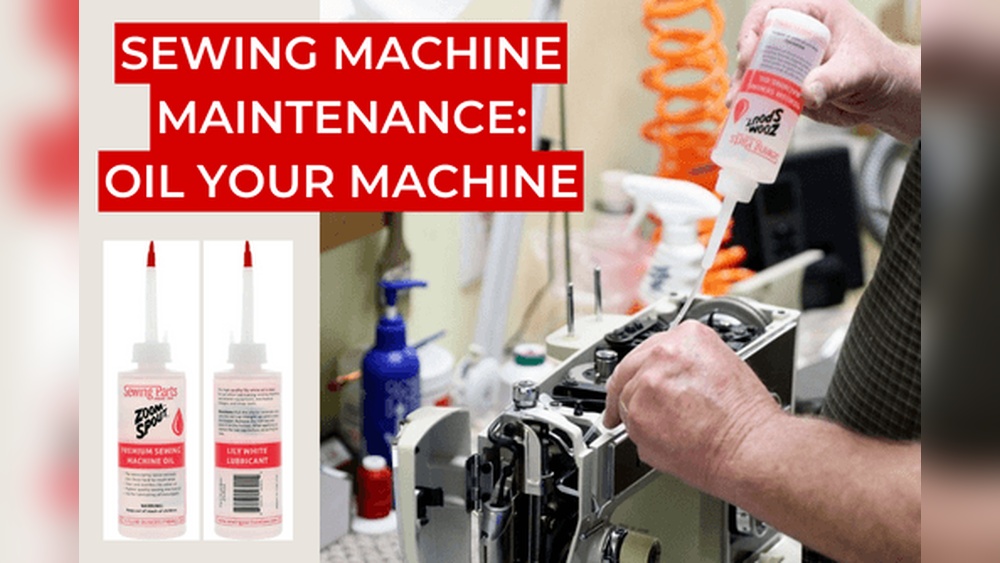
Check your manual for oil points on your model. Apply a small drop of oil to each spot. Avoid over-oiling to prevent stains and machine damage. Turn the handwheel slowly to spread the oil evenly. Wipe any extra oil with a clean cloth.
Post-oiling Care
Reassemble the parts you removed. Plug in the machine and run it on low speed. Listen for smooth operation and less noise. Clean the surface again if oil leaks appear. Oil your machine regularly to extend its life.

Credit: www.bernina.com
Additional Maintenance Tips
Oiling your sewing machine is important. Yet, it is not the only step to keep your machine working well. Proper maintenance extends the life of your machine. It also ensures smooth operation every time you sew.
Besides oiling, regular care helps prevent issues. Small habits can save you from big repairs later. Here are some simple tips to add to your routine.
Cleaning After Oiling
After oiling, wipe off any extra oil. Excess oil can attract dust and lint. Use a soft cloth to clean the surface. Check the bobbin area for stray threads or dirt. Removing debris stops jams and keeps stitches neat.
Regular Inspections
Look over your machine often. Check screws and parts for tightness. Loose parts cause noise and poor stitching. Test the foot pedal and needle for smooth action. Early checks catch small problems early. This saves time and money on fixes.
Frequently Asked Questions
How Often Should I Oil My Sewing Machine?
You should oil your sewing machine after every 8 hours of use. Regular oiling prevents wear and keeps it running smoothly. Check your machine’s manual for specific oiling points and recommended oil types. Proper lubrication extends your sewing machine’s lifespan and ensures optimal performance.
What Type Of Oil Is Best For Sewing Machines?
Use only high-quality sewing machine oil designed for precision instruments. Avoid household oils like WD-40, which can damage parts. Sewing machine oil is lightweight, non-gumming, and safe for delicate mechanisms. Always follow manufacturer recommendations for the best results and machine care.
Can I Sew Without Oiling The Machine?
Sewing without oiling causes friction and wear on moving parts. This leads to poor stitching, machine jams, and possible damage. Regular oiling keeps your machine running smoothly and prevents costly repairs. Always maintain a consistent oiling schedule to ensure reliable performance.
How Do I Know When My Machine Needs Oiling?
Signs include unusual noises, stiff movement, or uneven stitching. If your machine feels sluggish or jams often, it likely needs oiling. Regular maintenance checks help detect these early issues. Timely oiling improves functionality and prevents further mechanical problems.
Conclusion
Oiling your sewing machine keeps it running smooth and quiet. Regular oiling prevents parts from wearing out too fast. Check your machine’s manual for the right oil type and schedule. Most machines need oil after every 8 to 10 hours of use.
Clean the machine before oiling to avoid dirt buildup. Taking care of your sewing machine saves money and frustration later. A little oil goes a long way to keep sewing easy and fun. Stay consistent, and your machine will work well for years.