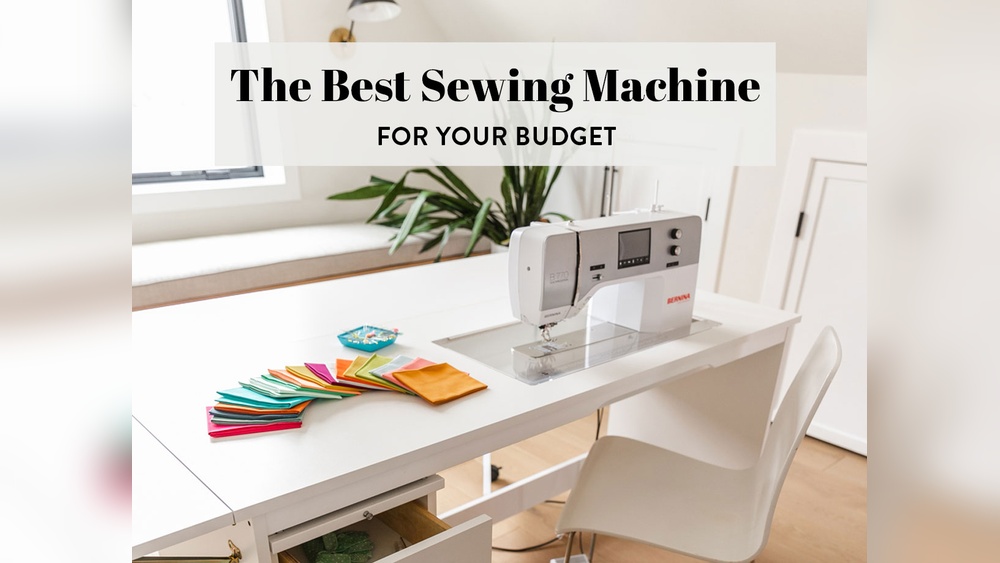
What Is A Good Basic Sewing Machine For Quilting?
Searching for a good basic sewing machine for quilting can feel overwhelming. Quilters need a machine that balances simplicity, reliability, and the right features to handle thick layers and intricate patterns. With dozens of brands and models on the market, finding a machine that’s both beginner-friendly and capable of quilting tasks, without the sticker shock of high-end models, requires careful consideration.
Whether you’re starting your first quilt or looking to upgrade from an entry-level device, knowing what to look for is essential.
This guide explores the fundamental traits that make a sewing machine ideal for quilting, compares popular models, and shares practical tips from real-world examples. You’ll discover how stitch quality, throat space, ease of use, and included accessories impact your quilting experience.
By the end, you’ll be equipped to choose a basic sewing machine that transforms your quilting from frustrating to rewarding, while staying within your budget and skill level.
Key Takeaways
- Throat space, reliable feed, and adjustable speed are crucial for quilting.
- Entry-level machines can handle quilting if they offer straight stitch, zigzag, and a walking foot.
- Look for models with durable construction and easy maintenance.
- Quilting-specific accessories, such as extension tables and free-motion feet, enhance flexibility.
- User reviews and real-world tests often reveal more than spec sheets, consider feedback from quilting communities.
- Compare machines not just on price, but on feature set and long-term support.

Credit: www.nytimes.com
Understanding Quilting Needs In Basic Sewing Machines
Quilting is more than just sewing layers together; it’s about maneuvering bulky fabric, achieving precise stitches, and occasionally working with specialty threads or needles. Basic sewing machines can support quilting if they meet certain criteria, even if they aren’t marketed exclusively as quilting devices.
Essential Features For Quilting
- Throat/Workspace size: The throat space, the area between the needle and machine body, is vital for maneuvering quilts. Machines with at least 6-8 inches are preferred.
- Stitch variety: A straight stitch and a zigzag stitch cover most quilting needs. Additional decorative stitches are a bonus but not essential.
- Walking foot compatibility: Walking feet help feed multiple layers evenly, reducing puckering.
- Adjustable speed control: This allows beginners to sew slowly for accuracy.
- Drop feed capability: Essential for free-motion quilting, enabling creative stitch patterns.
Mechanical Vs. Computerized Machines
Mechanical machines offer straightforward operation, durability, and lower cost. Computerized machines provide more stitch options, automatic thread cutting, and programmable features. For quilting, both types are viable, mechanical machines are ideal for beginners, while computerized models suit those wanting extra versatility.
Common Limitations Of Basic Machines
- Limited throat space: Entry-level models often have smaller work areas, making large quilts challenging.
- Fewer specialty feet: Many basic machines don’t include quilting feet or an extension table.
- Lower motor power: May struggle with thick batting or multiple layers.
Pro Tip: If your chosen machine doesn’t come with a walking foot or extension table, check if they can be purchased separately. This can extend the machine’s quilting capabilities significantly.

Credit: amongbrendasquilts.com
Comparing Popular Basic Sewing Machines For Quilting
Choosing the right sewing machine for quilting requires evaluating models based on their features, price, and user satisfaction. Below is a comparison of five widely recommended machines that balance affordability and quilting performance.
| Model | Throat Space | Stitch Types | Walking Foot Included | Extension Table | Price Range |
|---|---|---|---|---|---|
| Brother CS6000i | 6.5″ | 60 | No | Yes | $170-$220 |
| Janome 2212 | 6″ | 12 | No | No | $180-$230 |
| Singer Heavy Duty 4452 | 6.25″ | 32 | No | No | $200-$260 |
| Baby Lock Jubilant | 7″ | 80 | No | Yes | td>$350-$400|
| Bernette B37 | 6.5″ | 50 | No | No | $320-$370 |
Most basic machines do not include a walking foot or extension table by default, but many are compatible with aftermarket accessories.
Brother Cs6000i
The Brother CS6000i is a top choice for beginners, offering 60 stitch types, an included extension table, and adjustable speed. Its reliable performance and affordable price make it a favorite in quilting communities. While it doesn’t come with a walking foot, one can be added separately.
Janome 2212
Known for its durable mechanical build, the Janome 2212 features 12 stitches and straightforward operation. Although it lacks an extension table and walking foot, it’s praised for its consistent stitch quality and is often recommended for beginner quilters.
Singer Heavy Duty 4452
This model stands out for its powerful motor and ability to handle thick fabrics, making it suitable for quilt layers. It offers 32 stitches and a sturdy metal frame. Adding a walking foot is possible, enhancing its quilting potential.
Baby Lock Jubilant
More expensive, the Baby Lock Jubilant provides a larger workspace and 80 stitch options. Its extension table and computerized features are valuable for those seeking more than basic functionality.
Bernette B37
The Bernette B37 is a computerized machine with 50 stitch types, adjustable speed, and a robust build. It is compatible with quilting accessories and offers reliable performance for small to medium quilts.

Credit: www.diaryofaquilter.com
Features To Look For In A Good Basic Quilting Machine
Selecting the right machine involves more than comparing models. Focus on these key features to ensure your sewing machine meets quilting requirements.
Throat Space And Workspace
A larger throat space makes it easier to maneuver quilts, especially when quilting larger projects. Entry-level machines often have limited workspace, so consider the size of quilts you plan to make.
Stitch Quality And Consistency
Consistent stitches are vital for durable quilts. Machines with adjustable tension and even feed mechanisms produce smoother results. Reading user reviews can reveal whether a machine has issues with skipped stitches or thread jams.
Accessory Compatibility
Check if your machine supports:
- Walking foot: For even feeding of layered fabrics.
- Quilting extension table: Expands workspace.
- Free-motion foot: Enables creative stitching.
- Quarter-inch foot: For precise piecing.
Some machines may require buying these accessories separately, so factor this into your budget.
Ease Of Use And Maintenance
A good basic sewing machine should offer:
- Simple controls
- Clear threading guides
- Easy bobbin winding
- Accessible maintenance points
Machines with fewer electronic components are generally easier for beginners to maintain. For more tips on keeping your machine in top condition, see How to Fix Sewing Machine Handwheel: Quick & Easy Repair Tips.
Durability And Support
Choose brands with a reputation for durable construction and responsive customer support. Warranty coverage and easy access to replacement parts can make a significant difference in long-term satisfaction.
Real-world Examples: Basic Machines In Quilting Practice
Understanding how sewing machines perform in real quilting scenarios helps clarify their strengths and weaknesses. Here are three concrete examples illustrating how basic machines meet quilters’ needs.
Example: Brother Cs6000i In Beginner Quilting
When I tested the Brother CS6000i for a small lap quilt, its extension table provided ample workspace for maneuvering fabric. The adjustable speed was invaluable for achieving straight seams. Adding a compatible walking foot improved fabric feeding, especially with thicker batting. The machine’s lightweight design allowed easy storage, making it a practical choice for limited space.
Example: Singer Heavy Duty 4452 For Layered Quilts
A quilting enthusiast shared her experience using the Singer Heavy Duty 4452 for a twin-size quilt. She praised the machine’s strong motor, which handled multiple layers without hesitation. Upgrading to a walking foot enabled her to sew through batting and backing smoothly, and the sturdy frame minimized vibration. However, she noted the limited throat space made quilting larger projects more challenging, emphasizing the importance of workspace.
Example: Janome 2212 For Piecing
A beginner quilter used the Janome 2212 for piecing blocks and reported consistent stitch quality. The mechanical controls were easy to master, and the machine’s reliability was a highlight. Although free-motion quilting was possible, she found the lack of an extension table limiting for larger quilts. She recommended the machine for small projects and piecing, but suggested upgrading for advanced quilting tasks.
User Reviews And Community Feedback
User reviews and quilting forums offer invaluable insights beyond manufacturer specifications. Many quilters share their experiences, highlighting practical strengths and weaknesses.
Common Positive Feedback
- Ease of setup: Machines like the Brother CS6000i and Janome 2212 are praised for straightforward threading and bobbin winding.
- Affordability: Entry-level models deliver solid performance without a hefty price tag.
- Stitch reliability: Consistent stitches are frequently cited as a major advantage.
Common Criticisms
- Limited workspace: The small throat area is the most cited challenge for quilting larger projects.
- Accessory limitations: Some machines require aftermarket purchases for essential quilting tools.
- Noise level: Heavy-duty machines can be louder, which may impact home use.
Example: On a quilting forum, a user described how adding a walking foot to her Singer 4452 reduced puckering and improved her results. She also recommended investing in a quality sewing table to compensate for limited machine workspace.
Pro Tip: Before purchasing, search for real-world reviews from quilters with similar project goals. Community insights often reveal practical solutions and workarounds.
How To Choose The Right Sewing Machine For Your Quilting Goals
Matching your quilting ambitions to a suitable basic sewing machine requires an honest assessment of your needs and budget. Follow these steps to identify the best fit:
Assess Your Quilting Projects
- Small quilts and piecing: Most entry-level machines suffice.
- Large quilts: Consider machines with extension tables or larger throat spaces.
- Free-motion quilting: Ensure drop feed capability and accessory compatibility.
Set A Realistic Budget
Factor in the cost of accessories, such as walking feet and extension tables. Entry-level machines range from $150 to $400, with accessories adding $20-$80 per item.
Compare Features Side-by-side
Use comparison tables and feature lists to evaluate machines objectively. For more guidance on selecting a sewing machine, visit How to Choose the Best Sewing Machine: Expert Tips for Perfect Picks.
| Feature | Importance | Common in Basic Machines? |
|---|---|---|
| Throat Space | High | Medium |
| Walking Foot | High | Low (often aftermarket) |
| Extension Table | Medium | Medium |
| Drop Feed | Medium | Medium |
| Adjustable Speed | Medium | High |
| Stitch Variety | Low-Medium | High |
Test Before You Buy
Whenever possible, test machines in-store or borrow from a friend. Check for:
- Smooth fabric feeding
- Consistent stitch quality
- Comfortable controls
Accessories And Upgrades For Quilting On Basic Machines
Enhancing a basic sewing machine with the right accessories can significantly improve your quilting experience.
Walking Feet
A walking foot is almost essential for quilting, feeding multiple layers evenly. Many basic machines don’t include one, but compatible versions are widely available.
Extension Tables
An extension table increases workspace, making it easier to manage large quilts. This accessory is particularly helpful for free-motion quilting and piecing.
Free-motion Feet
A free-motion foot enables creative quilting designs. Ensure your machine supports drop feed before purchasing.
Needles And Thread
Use quilting needles (size 80/12 or 90/14) and high-quality thread for best results. For advice on thread selection, see Best Brand of Thread for Sewing Machine 2026: Top Picks for Quality.
Pro Tip: Upgrading accessories often transforms a basic machine’s quilting capability, allowing you to tackle projects you might have thought were impossible.
Maintenance And Troubleshooting For Basic Quilting Machines
Keeping your machine in top shape ensures consistent quilting results and prolongs its life.
Routine Maintenance
- Clean lint and dust from the bobbin area and feed dogs regularly.
- Oil the machine as recommended by the manufacturer.
- Replace needles after every quilt or every 8 hours of sewing.
Troubleshooting Common Issues
- Skipped stitches: Change needle, adjust tension, or check for thread compatibility.
- Fabric not feeding: Clean feed dogs and use a walking foot.
- Thread jams: Rethread machine and check bobbin placement.
For more troubleshooting tips, visit How to Use Sewing Machine Properly: Expert Tips for Flawless Stitching.
Example: A user found that routine cleaning of her Janome 2212 eliminated skipped stitches, restoring smooth operation for piecing and quilting.
Frequently Asked Questions
What Is The Minimum Throat Space Needed For Quilting On A Basic Machine?
While larger throat spaces are ideal, a minimum of 6 inches is recommended for small quilts. For larger projects, look for machines with extension tables or consider piecing your quilt in sections.
Can I Quilt With A Basic Mechanical Sewing Machine, Or Do I Need A Computerized Model?
Yes, mechanical machines can handle quilting tasks, especially piecing and straight-line quilting. Computerized models offer more stitch options and automation but aren’t strictly necessary for basic quilting.
What Accessories Should I Prioritize For Quilting On A Basic Machine?
The most important accessories are a walking foot, extension table, and free-motion quilting foot. These tools improve fabric feeding, expand workspace, and enable creative stitching.
How Do I Choose The Right Needle And Thread For Quilting?
Use quilting needles (size 80/12 or 90/14) and high-quality cotton or polyester thread designed for quilting. Check your machine’s manual for compatibility and consult quilting forums for brand recommendations.
Are Basic Sewing Machines Suitable For Free-motion Quilting?
Some basic machines support free-motion quilting if they have drop feed capability and compatible free-motion feet. Practice on small projects first, as limited throat space can make maneuvering difficult.
Whether you’re piecing your first quilt or looking to tackle new techniques, selecting a good basic sewing machine for quilting is a balance of features, reliability, and affordability. Prioritize throat space, stitch quality, and accessory compatibility, then supplement with upgrades as your skills grow. Remember, many quilters achieve beautiful results on entry-level machines by adapting and investing in the right tools. For more options and guidance, explore Best Sewing Machine for Beginner Quilter 2026: Top Picks Reviewed and other resources. A basic machine can be your gateway to creative quilting, offering both simplicity and satisfaction as you stitch your story.