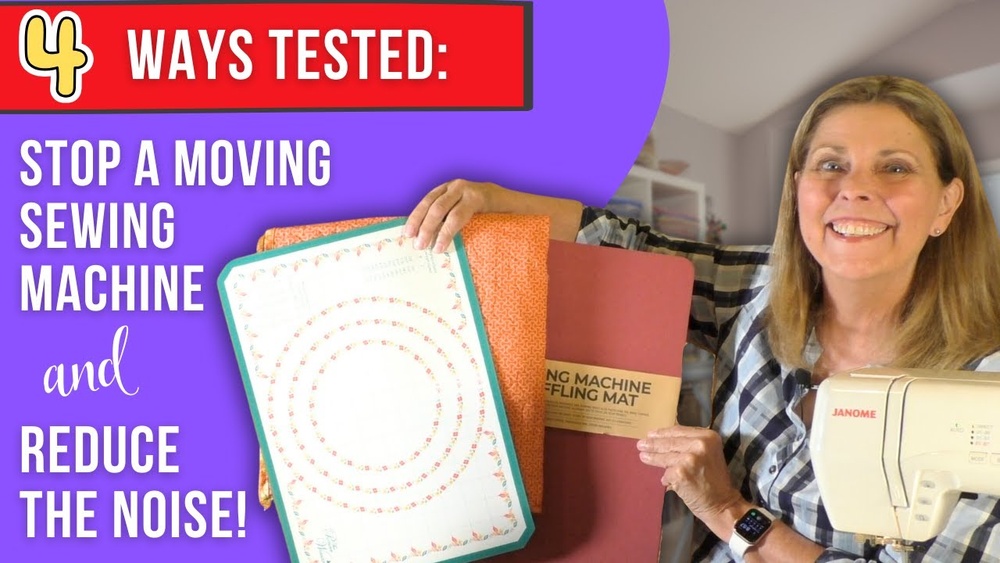
How to Stop Sewing Machine from Moving: Expert Tips That Work
Is your sewing machine sliding around while you work? It can be frustrating and slow down your creativity.
You want to focus on stitching, not chasing your machine across the table. Luckily, stopping your sewing machine from moving is easier than you think. You’ll discover simple, effective tips to keep your machine steady. By the end, you’ll enjoy smoother, more precise sewing without the constant hassle.
Let’s get your machine firmly in place and make every stitch count!
Causes Of Sewing Machine Movement
Sewing machines can move unexpectedly during use. This can disrupt your work and cause uneven stitches. Understanding the causes helps you keep the machine steady. Several factors make the machine slide or shake.
Surface Type And Stability
The surface under your sewing machine matters a lot. Smooth or slippery tables make the machine move easily. Uneven or unstable surfaces cause wobbling and shifting. A solid, flat surface keeps the machine in place. Avoid glass or polished surfaces without grip.
Machine Vibrations
Sewing machines create vibrations while running. Strong vibrations push the machine forward or sideways. Older or unbalanced machines vibrate more than new ones. Heavy stitching or high speed can increase vibration. These shakes make the machine slide on weak surfaces.
Incorrect Machine Placement
Placing the sewing machine near the table edge causes movement. Lack of space around the machine reduces stability. Setting the machine on a small platform can make it tip. The wrong setup makes the machine less steady. Proper placement helps keep it still during sewing.
Choosing The Right Sewing Table
Choosing the right sewing table helps keep your machine steady. A good table supports your sewing machine’s weight. It stops the machine from moving or shaking. This makes sewing easier and more precise. The right table also fits your workspace well. Comfort and stability both improve your sewing experience.
Table Material And Design
Table material affects how steady your sewing machine stays. Wood tables offer strong support and less vibration. Metal tables are durable but may shake more. Choose a table with a smooth, flat surface. A flat surface prevents the machine from wobbling. Tables with a recessed area fit the machine better. This design adds extra stability during sewing.
Anti-slip Features
Anti-slip features keep the sewing machine in place. Look for tables with rubber pads on the legs. These pads stop the table from sliding on smooth floors. Some tables have anti-slip mats on top. These mats hold the sewing machine firmly. Rubber grips or textured surfaces work well too. Such features reduce movement and improve safety while sewing.
Using Non-slip Mats And Pads
Using non-slip mats and pads is a simple way to keep your sewing machine stable. These mats stop the machine from sliding on smooth surfaces. This stability helps you sew more accurately and safely. Non-slip mats come in different types and sizes. Choosing the right one and placing it correctly matters a lot.
Types Of Non-slip Mats
There are rubber mats made to grip tables firmly. They prevent movement without damaging surfaces. Silicone mats work well too. They are flexible and offer strong hold. Felt pads also help but offer less grip. Choose mats that match your sewing table size. Some mats come with adhesive backing for extra hold. Look for mats that are washable and durable.
Proper Placement Techniques
Place the mat flat on your sewing table. Make sure the surface is clean and dry first. Put the sewing machine in the center of the mat. Avoid placing the mat under loose items. Press down gently to make the mat stick well. Check that the machine does not wobble before sewing. Adjust the mat if needed for a firm grip. Replace the mat if it loses stickiness over time.
Adjusting Machine Settings To Reduce Movement
Adjusting your sewing machine settings helps reduce unwanted movement. Small changes make a big difference. These settings control how smoothly your machine runs. Proper adjustments keep your machine steady and your stitches neat. Focus on speed control and stitch tension for best results.
Speed Control Tips
Lower the sewing speed to stop shaking. Slow speed gives you more control. Use the speed slider or dial on your machine. Start slow and increase speed as you feel comfortable. Avoid sudden fast movements that cause the machine to jump. Practice steady, even sewing for smooth results.
Balancing Stitch Tension
Correct stitch tension prevents fabric from pulling and machine from moving. Check the tension dial on your machine. Adjust it slightly to find the right balance. Too tight or too loose tension causes uneven stitches. Test on scrap fabric before starting your project. Balanced tension helps your machine run smoothly and stay in place.
Securing The Machine With Clamps And Straps
Securing your sewing machine with clamps and straps stops it from moving while you sew. This simple step makes sewing safer and more comfortable. Clamps and straps hold the machine firmly on the table or work surface. This prevents slipping or shaking during use. A steady machine helps produce neat stitches and avoids damage. Using the right tools and methods is key to effective securing.
Best Clamping Methods
Use C-clamps or quick-release clamps to hold the machine base. Position clamps on the table edge where the machine sits. Tighten clamps just enough to hold the machine without damaging it. Straps with adjustable buckles work well for extra support. Wrap straps around the machine and table leg or frame. Check that the machine does not rock or slide after securing. Use rubber pads under clamps to protect surfaces. Clamping keeps the machine stable during fast or heavy sewing.
Safety Considerations
Ensure clamps do not block any moving parts of the machine. Avoid overtightening clamps to prevent damage to the machine or table. Check straps often to avoid loosening during sewing. Keep clamps and straps away from power cords and foot pedals. Use clamps made of strong, durable materials for safety. Inspect all securing tools before each use. A properly secured machine reduces accidents and improves sewing quality.

Credit: www.youtube.com
Maintenance Tips To Minimize Shaking
Keeping your sewing machine steady is key for smooth stitching. Regular maintenance helps reduce shaking and keeps your machine in good shape. Small steps like cleaning and checking parts stop the machine from moving too much.
Lubrication And Cleaning
Oil your sewing machine as the manual says. Use the right oil to avoid damage. Clean dust and lint from all parts. Focus on the bobbin case and feed dogs. Dirt can cause the machine to shake more. Wipe the machine surface to keep it smooth.
Checking For Loose Parts
Look for screws and bolts that may be loose. Tighten them carefully with the right tools. Check the needle clamp and presser foot too. Loose parts make the machine vibrate more. Don’t forget the motor mount and belt. Secure parts help the machine work quietly and steady.
Additional Accessories To Stabilize The Machine
Sewing machines can move during use, causing frustration and uneven stitching. Stabilizing your machine improves your sewing experience. Some accessories help keep your machine steady on any surface. These tools are easy to use and affordable.
They reduce vibrations and prevent the machine from sliding. Using the right accessory can protect your table and improve sewing accuracy. Here are two popular options to stabilize your sewing machine.
Weighted Bases
Weighted bases add extra weight under your sewing machine. This weight stops the machine from shifting while you sew. They fit most standard machines and are simple to place.
These bases usually have a non-slip bottom to hold them in place. Heavy material like metal or dense plastic is common. Weighted bases also absorb some vibration, making sewing quieter.
Anti-vibration Pads
Anti-vibration pads are soft mats placed under the machine. They reduce shaking by absorbing movement from the motor. These pads are made from rubber or silicone materials.
They stick well to most surfaces, preventing the machine from sliding. Anti-vibration pads also protect your table from scratches. Using one helps keep your sewing smooth and steady.

Credit: vssmb.blogspot.com
Diy Solutions For Machine Stability
Keeping your sewing machine stable improves your sewing experience. Movement can cause uneven stitches and frustration. DIY solutions offer easy and cheap ways to keep your machine steady. These methods use common materials and simple tools. You can try them at home without much effort.
Homemade Stabilizing Mats
Use rubber shelf liners as a base mat for your machine. Cut them to fit your sewing table. The rubber grips the table surface well. It stops the machine from sliding. Another option is a yoga mat piece. It also provides good friction and cushioning. Place the mat under your machine before sewing. It reduces vibration and noise too.
Custom Table Modifications
Add non-slip pads to the bottom of your sewing machine. These pads create extra grip on the table. Use foam or rubber pads from craft stores. Attach them with double-sided tape or glue. You can also install small clamps to hold the machine. Clamp it gently to avoid damage. Adjust the clamps to fit your machine size. These fixes keep the machine in place during use.

Credit: www.youtube.com
Frequently Asked Questions
How Can I Stop My Sewing Machine From Sliding?
Place a non-slip mat or rubber pad under the machine. This increases friction and prevents sliding on smooth surfaces. You can also use double-sided tape or secure the machine to a heavy table for extra stability during sewing.
What Causes A Sewing Machine To Move While Sewing?
Vibration and smooth surfaces often cause the machine to move. High-speed stitching and lightweight machines are more prone to sliding. Proper machine placement and surface grip help reduce movement and improve sewing accuracy.
Are There Specific Mats To Prevent Sewing Machine Movement?
Yes, anti-slip or silicone mats are ideal. They provide good grip and cushioning to keep the machine stable. These mats are affordable, easy to find, and protect both the machine and your workspace.
Does Machine Weight Affect Its Stability During Sewing?
Heavier machines tend to be more stable and less likely to move. Lightweight machines may require additional support like mats or clamps. Consider machine weight when setting up your sewing area for optimal stability.
Conclusion
Keeping your sewing machine steady makes sewing easier and safer. Use a non-slip mat or place the machine on a flat surface. Tighten all screws and check the machine’s feet. Try these simple steps every time you sew. Small changes can stop the machine from moving.
Enjoy your sewing without interruptions or frustration. Keep practicing and soon it will feel natural. Your projects will look neater, and you will save time. Stay patient and keep your workspace organized for best results.