How Many Sewing Machine Do We Have: Ultimate Guide to Our Collection
Have you ever stopped to think about how many sewing machines you actually own? It might seem like a simple question, but the answer can reveal a lot about your sewing habits, your creativity, and even your space.
Whether you’re just starting out or you’ve been sewing for years, knowing how many machines you have—and why—can help you make better choices for your projects. Keep reading to discover why this number matters and how it can change the way you sew.

Credit: www.reddit.com
Our Sewing Machine Collection
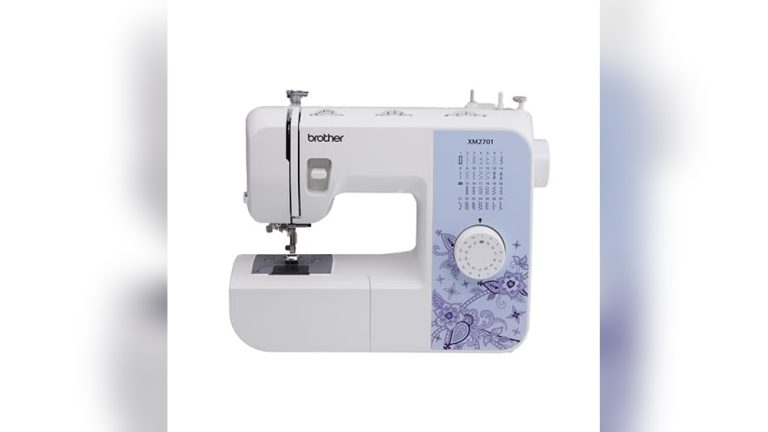
Our sewing machine collection has grown over time. Each machine has a special purpose. Some are for simple repairs. Others handle thick fabrics or detailed patterns.
We enjoy trying different brands and models. This helps us find the best tools for various projects. Our collection includes vintage and modern machines. Each one adds value to our work.
Mechanical Sewing Machines
Mechanical machines are easy to use. They have simple controls and few settings. These machines work well for beginners. They are reliable and last a long time. Many people prefer them for basic sewing tasks.
Electronic Sewing Machines
Electronic machines offer more stitch options. They have buttons and small screens. These machines help with detailed work. They sew faster than mechanical types. Many come with built-in patterns and designs.
Embroidery Machines
Embroidery machines create beautiful decorations. They can sew complex images and letters. These machines are perfect for custom designs. They use special software and hoops. We use them for gifts and personalized items.
Overlock Machines
Overlock machines finish edges quickly. They cut and sew fabric edges at once. These machines prevent fabric from fraying. They create strong, clean seams. We use them for clothes and home textiles.
Types Of Sewing Machines Included
Sewing machines come in many types. Each type serves different sewing needs. Knowing these types helps choose the right machine for you.
Types vary by how they work and what features they offer. Some are simple, others have advanced technology. Here are the main types of sewing machines included in most collections.
Mechanical Machines
Mechanical machines use manual controls and knobs. You adjust stitch length and type by hand. They are easy to use and fix. These machines are great for beginners and basic sewing tasks.
Electronic Machines
Electronic machines have motorized parts controlled by buttons. You get more stitch options than mechanical machines. They sew faster and smoother. These machines offer better precision for different fabrics.
Computerized Machines
Computerized machines have built-in software and screens. You select stitches and patterns digitally. Some can connect to a computer for updates. They are perfect for detailed designs and embroidery work.
Serger And Overlock Machines
Serger machines trim fabric edges while sewing. They use multiple threads for strong seams. Overlock machines finish edges to stop fraying. These machines are important for professional-looking clothes.
Features Of Each Machine
Each sewing machine has unique features that suit different needs. Understanding these features helps choose the right one. Focus on key aspects like stitch options, speed, durability, and ease of use.
These features affect your sewing experience and project quality.
Stitch Options
Sewing machines offer various stitch types. Basic stitches include straight, zigzag, and buttonhole. Some machines provide decorative stitches for designs. More stitch options allow creative freedom. Choose a machine with stitches that fit your projects.
Speed And Performance
Speed varies between machines. Faster machines finish projects quickly. Some machines offer adjustable speed control. High performance means smooth stitching on thick fabrics. Check the machine’s motor power for heavy use.
Durability And Build Quality
Strong build ensures long-lasting use. Metal parts usually last longer than plastic. Durable machines handle frequent sewing without issues. Look for machines with good reviews on reliability. A sturdy machine saves money over time.
Ease Of Use
User-friendly machines help beginners learn fast. Clear controls and simple threading are important. Some machines have automatic needle threading and thread cutters. Lightweight machines are easy to move and store. Choose a machine that feels comfortable and easy to operate.
Brands Represented In Our Collection
Our sewing machine collection includes a wide range of brands. We have machines for beginners, hobbyists, and professionals. Each brand offers unique features and styles. This variety helps everyone find the right machine for their needs.
Popular Mainstream Brands
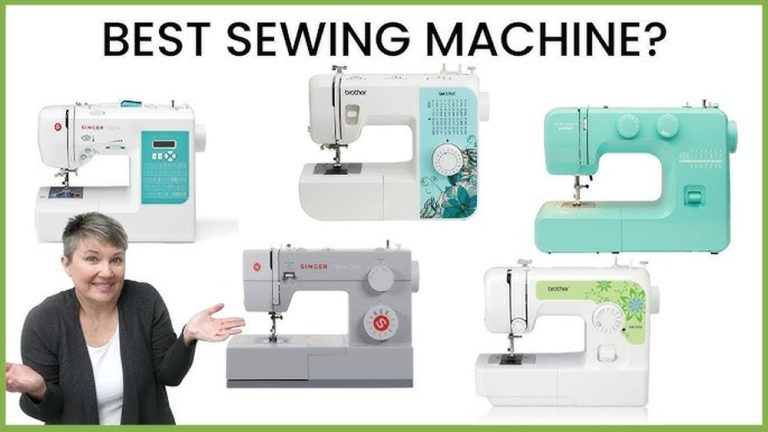
Our collection features well-known brands trusted by many. Brands like Brother, Singer, and Janome lead in quality and reliability. These brands offer machines with easy controls and solid build. They suit daily sewing tasks and common projects. Many users choose these brands for their strong support and parts availability.
Specialty And Niche Brands
We also carry brands that focus on special sewing needs. Brands like Bernina and Juki offer high-end machines. These brands serve advanced users and specific crafts. They provide precision and durability for heavy fabrics and complex designs. Their machines often include unique features not found in mainstream brands.
Purpose And Usage Of Each Machine
Sewing machines come in many types. Each type serves a unique purpose. Understanding these helps you pick the right one. It also helps use machines better.
Some machines are for home use. Others fit professional or industrial needs. Some specialize in crafts and quilting. Each machine has its own features and strengths.
Home Sewing
Home sewing machines are simple and easy to use. They handle daily tasks like mending clothes. These machines work well for small projects. They offer basic stitches and easy controls. Perfect for beginners and hobbyists at home.
Professional And Industrial Use
Industrial sewing machines are strong and fast. They handle heavy fabrics like leather and denim. These machines run for long hours without stopping. Professionals use them in factories and workshops. They provide precise and durable stitching for mass production.
Crafting And Quilting
Crafting and quilting machines have special features. They offer decorative stitches and embroidery options. These machines help create detailed patterns and designs. Quilters use them for stitching layers of fabric. Ideal for art projects and personalized gifts.
Maintenance And Care Tips
Proper maintenance keeps your sewing machines running smoothly. It helps avoid breakdowns and extends their life. Regular care saves money on repairs. Follow simple steps to maintain each machine well.
Cleaning Procedures
Turn off and unplug the machine before cleaning. Remove dust and lint from the bobbin area. Use a small brush or soft cloth for cleaning. Avoid using water or liquid cleaners. Clean the needle and feed dogs carefully. Regular cleaning prevents thread jams and poor stitching.
Regular Servicing
Schedule professional servicing once or twice a year. Technicians check belts, motors, and timing. They oil moving parts to reduce friction. Servicing ensures the machine works quietly and smoothly. Keep a record of service dates for each machine.
Troubleshooting Common Issues
Check thread tension if stitches look uneven. Replace bent or dull needles immediately. Make sure the machine is threaded correctly. Listen for unusual noises during operation. Tighten loose screws to avoid parts falling off. Simple fixes save time and prevent damage.
Future Additions To The Collection
Our sewing machine collection is growing steadily. We plan to add new models soon. These future additions will bring fresh features and styles. This keeps our collection diverse and useful for all sewing needs.
Modern Digital Sewing Machines
Digital machines offer easy controls and many stitch options. They help users sew faster and with more accuracy. These machines are perfect for beginners and experts alike. Adding them will update our collection with the latest technology.
Vintage And Classic Models
Vintage machines have unique designs and strong builds. They remind us of sewing’s history and charm. Collecting these models adds character and variety. They are also great for simple, sturdy sewing tasks.
Portable And Compact Machines
Small machines are easy to carry and store. Ideal for quick repairs or small projects anywhere. Adding portable models makes sewing more flexible and convenient. These machines suit people with limited space or those who travel.

Credit: embroideryhoopstore.com
Frequently Asked Questions
How Many Types Of Sewing Machines Exist Today?
There are five main types of sewing machines: mechanical, electronic, computerized, embroidery, and serger machines. Each type serves different sewing needs, from basic stitching to advanced embroidery and finishing.
How To Choose The Right Sewing Machine Model?
Consider your sewing skills, project types, and budget. Beginners benefit from mechanical machines, while advanced users prefer computerized models for more features and precision.
What Factors Affect The Number Of Sewing Machines Owned?
Factors include sewing frequency, project complexity, and space. Hobbyists may own one or two, while professionals often have several specialized machines.
Can One Machine Handle All Sewing Tasks?
No, a single machine rarely covers all tasks. Different machines specialize in tasks like embroidery, heavy fabrics, or serging for best results.
Conclusion
Sewing machines come in many types and sizes. Each machine serves a different purpose. Some are for beginners, others for experts. Knowing how many machines exist helps you choose wisely. Think about what you want to sew first. Then, pick the best machine for your needs.
Sewing can be fun and creative with the right tools. Explore your options and enjoy making your own clothes or crafts. The right sewing machine makes all the difference. Keep learning and sewing every day.