How to Use Sewing Machine Oil: Essential Tips for Smooth Stitching
If you want your sewing machine to run smoothly and last longer, knowing how to use sewing machine oil is key. You might think it’s a small step, but a little oil goes a long way in keeping your machine quiet, fast, and trouble-free.
You’ll discover exactly when, where, and how to apply oil to your sewing machine. By the end, you’ll have the confidence to maintain your machine like a pro—and avoid costly repairs down the road. Keep reading, and make your sewing projects easier and more enjoyable!
Choosing The Right Oil
Choosing the right oil for your sewing machine is important. The right oil keeps your machine running smooth and lasts longer. Not all oils work well with sewing machines. Some can cause damage or make your machine sticky. Knowing the types of oils helps you pick the best one. Avoiding common mistakes keeps your machine clean and working well.
Types Of Sewing Machine Oil
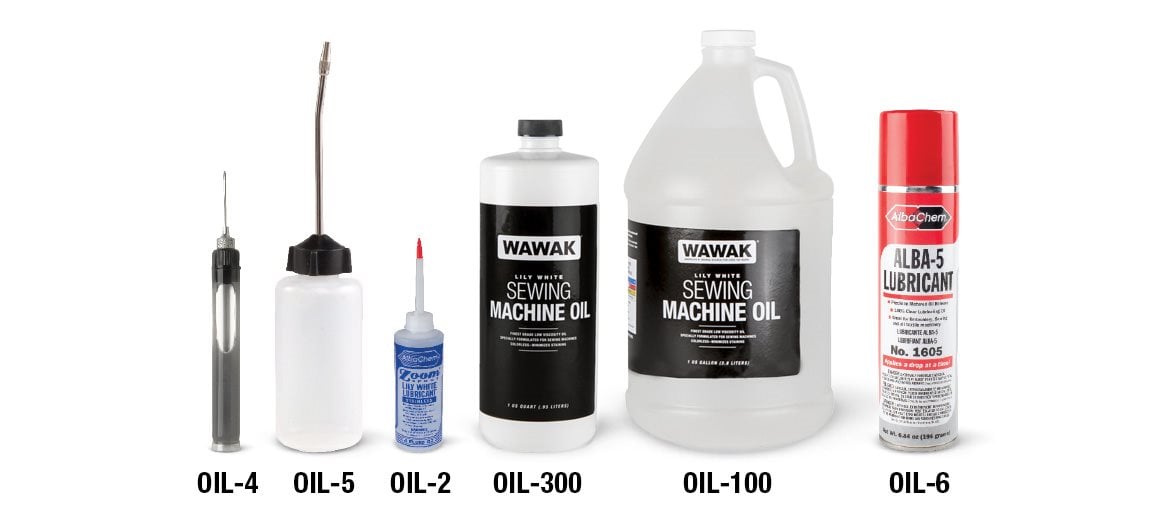
Sewing machine oil is light and clear. It does not gum up or leave thick residue. Most sewing machines use 100% pure mineral oil. This oil is safe and made for metal parts inside the machine. Avoid using household oils like WD-40 or cooking oil. These oils can damage the machine parts.
Some brands offer sewing machine oil in small bottles. These oils are easy to apply and clean. Use only oil labeled for sewing machines. Using the wrong type can cause your machine to jam or rust.
Avoiding Common Oil Mistakes
Do not use too much oil. A few drops are enough. Too much oil attracts dust and dirt. This can make your machine clog. Clean old oil before adding new oil. Old oil can be sticky and dirty.
Do not oil parts that do not need it. Check your machine manual for oil points. Oil only the moving metal parts. Avoid oiling plastic or electrical parts. Always wipe off any extra oil after applying. This keeps your machine clean and safe to use.
Preparing Your Machine
Preparing your sewing machine before oiling is very important. It helps the oil reach the right parts. This keeps your machine working well and lasts longer.
Take your time to prepare your machine carefully. Clean it and get the right tools. This makes the oiling process easier and more effective.
Cleaning Before Oiling
Start by unplugging your sewing machine. Remove the needle and presser foot. Open the machine’s cover or plate to see inside.
Use a small brush or soft cloth to remove lint and dust. Pay close attention to the bobbin area and feed dogs. Clean these parts well to stop dirt from mixing with oil.
Wipe away old oil with a clean cloth. Avoid using water or liquid cleaners inside the machine. Only dry cleaning tools keep parts safe.
Gathering Necessary Tools
Collect all tools before you start oiling. You need sewing machine oil made for this purpose. Avoid using other oils like cooking or motor oil.
Have a small screwdriver ready to open covers or plates. Keep clean cloths or paper towels nearby. Use these to wipe extra oil and clean spills.
Good lighting helps you see small parts clearly. Work in a clean, dust-free area for the best results.
Applying The Oil
Applying sewing machine oil is key to keeping your machine running smoothly. Regular oiling helps parts move easily and prevents wear. Using the right method keeps your machine in good shape and extends its life.
Locating Oil Points
Find the spots where oil is needed. Check the manual for exact locations. Common points include moving parts like the needle bar, shuttle hook, and gears. Clean these areas before oiling to remove dust and lint.
Proper Amount To Use
Use only a few drops of oil. Too much oil can cause dirt buildup and damage. A small drop is enough to lubricate each part. Over-oiling makes the machine messy and less efficient.
Oil Application Techniques
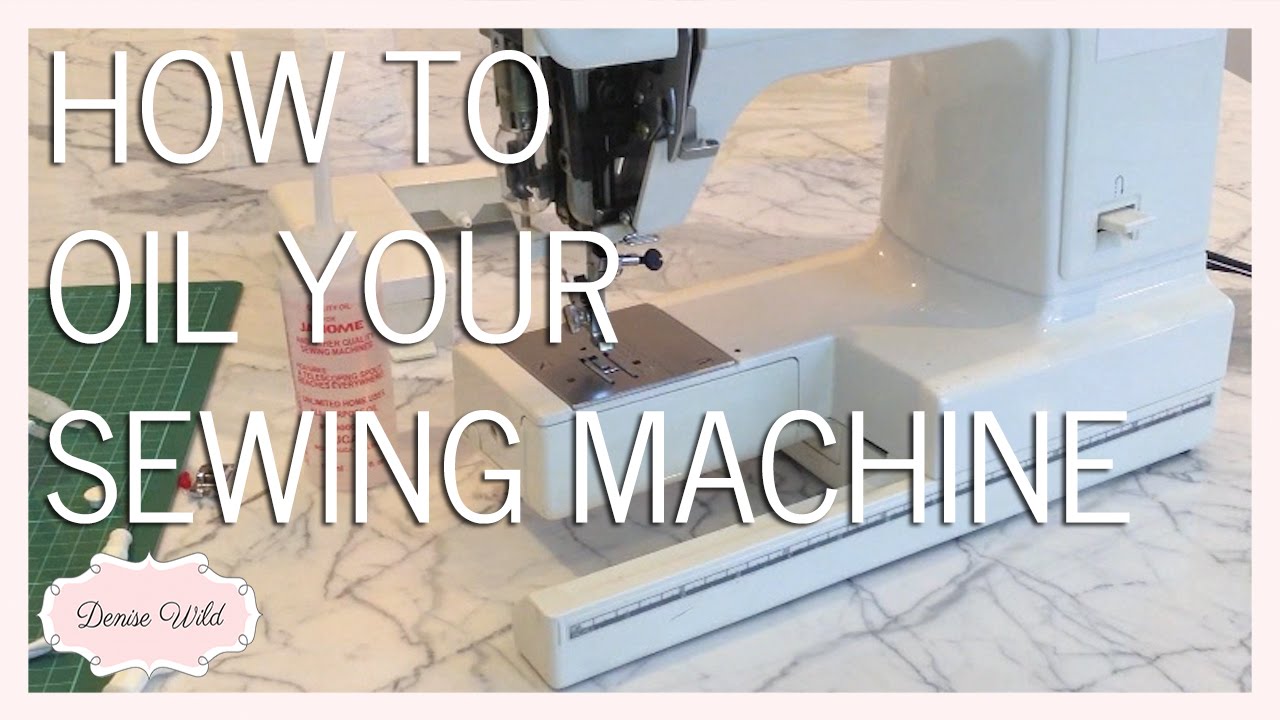
Apply oil carefully with the bottle tip or a small brush. Avoid spilling oil on fabric or plastic parts. Turn the handwheel slowly to spread oil evenly. Wipe off any excess oil with a soft cloth.
Credit: www.youtube.com
Post-oiling Care
After applying sewing machine oil, proper care is important. This step keeps your machine clean and working well. Post-oiling care helps avoid oil stains and machine problems. Follow simple steps to protect your sewing machine and ensure smooth sewing.
Wiping Excess Oil
Use a soft cloth to wipe off extra oil. Check all oiled parts carefully. Remove any visible oil drops or puddles. This prevents oil from getting on your fabric. A clean machine means less mess and better sewing results.
Testing Machine Movement
Turn the handwheel slowly to check movement. Listen for smooth and quiet operation. If it feels sticky or noisy, oil may need adjusting. Run the machine on low speed without thread. This spreads the oil evenly inside the machine parts.
Maintenance Schedule
Keeping a regular maintenance schedule is key to a smooth sewing experience. Oiling your sewing machine prevents wear and tear. It helps the machine run quietly and efficiently. A good schedule saves time and money on repairs.
Setting a routine ensures you never forget this important step. It also keeps your machine in top shape for every project. Understanding when and how to oil protects your investment.
How Often To Oil
Most machines need oiling after every 8 to 10 hours of use. Heavy use may require more frequent oiling. Check your sewing machine manual for specific advice. Some modern machines have self-lubricating parts and need less oil. Regular oiling prevents parts from drying out and sticking.
Signs Your Machine Needs Oiling
A loud or squeaky noise signals low oil levels. The machine may also slow down or jerk while sewing. Fabric may bunch or snag unexpectedly. Stiff or rough movement of parts inside the machine is another sign. Noticing any of these means it is time to oil your machine.
Common Problems And Fixes
Sewing machine oil helps keep your machine running smoothly. Sometimes, problems happen during oiling. Knowing these issues helps you fix them fast. This keeps your sewing machine safe and working well.
Oil Leaks And Stains
Oil leaks can cause stains on fabric and surfaces. Too much oil often causes leaks. Use only a small drop on moving parts. Wipe off any extra oil with a clean cloth. Check the oil holes for dirt or blockages. Clean them gently to stop leaks. Oil stains on fabric may not come out easily. Avoid oiling near your fabric to prevent stains.
Oil Overuse Issues
Using too much oil can cause problems inside the machine. Excess oil can attract dust and lint. This can block moving parts and slow the machine. Over-oiling may also cause parts to slip or stick. Use oil only as the manual says. Regular cleaning helps remove old oil and dirt. Keep oiling light and steady for best results.
Credit: www.wawak.com
Frequently Asked Questions
What Type Of Oil Is Best For Sewing Machines?
Use 100% pure sewing machine oil. It’s lightweight, clear, and non-sticky. Avoid household oils as they can gum up parts and damage the machine.
How Often Should I Oil My Sewing Machine?
Oil your sewing machine every 8 to 10 hours of use. Regular oiling keeps the machine running smoothly and prevents wear and tear.
Where Should I Apply Sewing Machine Oil?
Apply oil to moving metal parts like the needle bar, shuttle hook, and bobbin case. Avoid oiling plastic parts or belts to prevent damage.
Can I Use Other Oils Instead Of Sewing Machine Oil?
No, avoid using WD-40, motor oil, or cooking oil. These can cause buildup and harm the machine. Always use recommended sewing machine oil for best results.
Conclusion
Using sewing machine oil keeps your machine running smooth. Regular oiling stops parts from wearing out fast. Apply oil carefully to clean, dry parts only. Avoid over-oiling to prevent mess and damage. A well-oiled machine sews quietly and works better.
Take a few minutes to oil after every few uses. This simple step saves time and repair costs. Keep your sewing machine happy and sewing strong. Small care makes a big difference in machine life.