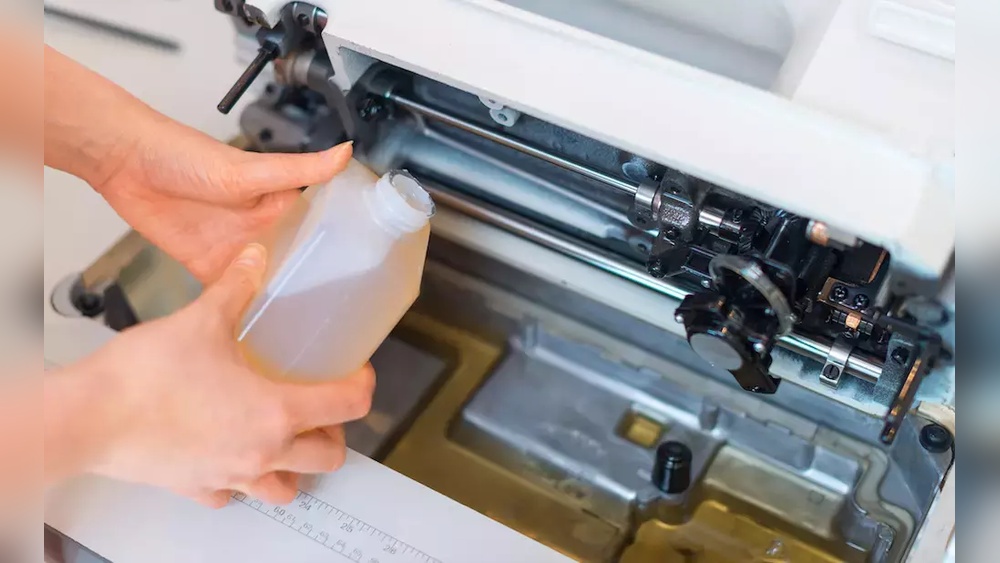
How Do You Know If Your Sewing Machine Needs Oil: Essential Tips
Is your sewing machine making strange noises or running slower than usual? You might be wondering if it’s time to give it some oil.
Keeping your sewing machine well-oiled is key to making it work smoothly and last longer. But how do you know exactly when your sewing machine needs oil? You’ll discover the simple signs to watch for and easy steps to keep your machine in top shape.
Read on to avoid costly repairs and keep your sewing projects running without a hitch.

Credit: blog.wawak.com
Signs Your Machine Needs Oil
Knowing when your sewing machine needs oil helps keep it working well. Machines that lack oil may show clear signs. These signs tell you it is time to add oil to avoid damage. Watch for these common problems during sewing sessions.
Unusual Noises
Listen for strange sounds from your machine. Squeaks, grinding, or rattling noise means parts are dry. Oil helps parts move smoothly and quietly. Noises often start soft but get worse over time.
Stiff Or Jammed Parts
Check if the machine parts move stiffly or get stuck. Dry parts cause resistance and jams. The needle or bobbin area may feel hard to turn. Oiling loosens these parts for easy movement.
Irregular Stitching
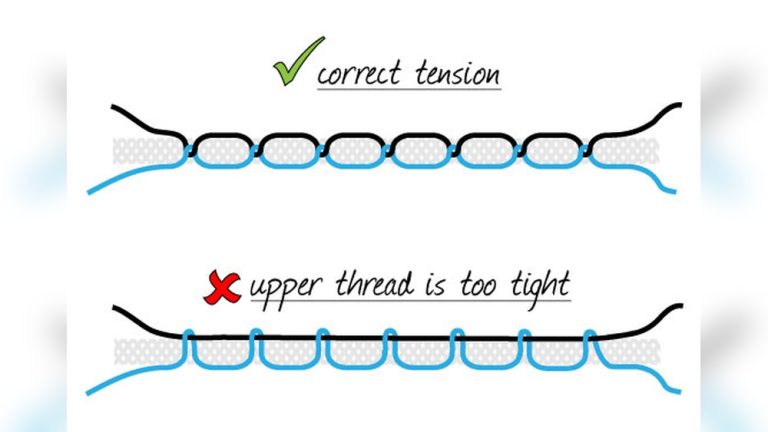
Watch your stitching quality closely. Uneven or skipped stitches suggest your machine needs oil. Dry parts affect thread tension and smooth fabric feeding. Regular oiling keeps stitches even and clean.
Machine Overheating
Feel if your machine gets hot fast during use. Lack of oil increases friction and heat. Overheating can damage the motor and parts. Applying oil cools the machine and prevents heat build-up.
Credit: www.youtube.com
When To Oil Your Sewing Machine
Knowing when to oil your sewing machine helps keep it working well. Regular oiling stops parts from wearing out fast. The right time depends on several factors. Follow these tips to know when to add oil.
Manufacturer Recommendations
Check your sewing machine manual first. Manufacturers give clear instructions on oiling. Some machines need oil after a set number of hours. Others only require oil if parts look dry. Use the oil type they suggest for best results.
After Extended Use
Long sewing sessions can dry machine parts. Noise or rough movement may mean oil is needed. After many hours of sewing, add oil to keep parts smooth. Regular use means regular oiling to avoid damage.
Storage Periods
Machines not used for months may need oil. Oil helps protect parts from rust during storage. Before starting your machine after a break, oil it lightly. This keeps everything running smoothly again.
Choosing The Right Oil
Choosing the right oil for your sewing machine matters a lot. The right oil keeps the machine running smoothly. It stops parts from wearing out too fast. Using the wrong oil can cause damage. Knowing which oil to use is key for good machine care.
Types Of Sewing Machine Oil
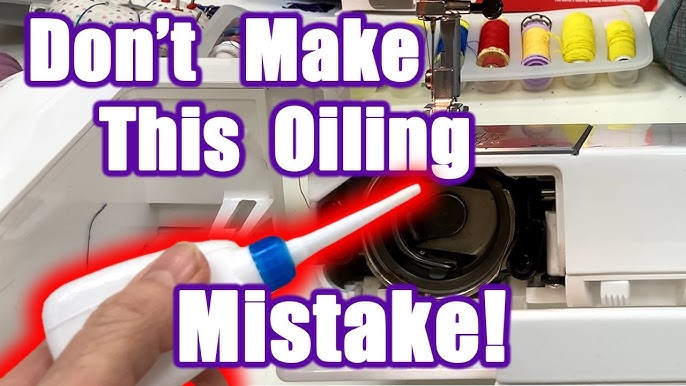
Sewing machine oil is light and clear. It is designed to not gum up inside the machine. Most brands sell a specific sewing machine oil. This oil is usually mineral-based and safe for all metal parts. It flows easily and protects moving parts well. Some oils come in small bottles with a thin tip. This helps put oil in tight spots without waste.
Avoiding Household Oils
Household oils like WD-40 or cooking oil are bad choices. These oils can be thick or sticky. They can gum up your sewing machine parts. Sticky oil attracts dust and dirt. This dirt can cause your machine to jam or wear out faster. Using proper sewing machine oil keeps your machine clean and working right.

Credit: www.wikihow.com
How To Oil Your Machine Safely
Oiling your sewing machine keeps it running smoothly. It stops parts from wearing out and keeps the machine quiet. Knowing how to oil your machine safely helps avoid damage and ensures long life.
Preparing The Machine
Turn off and unplug the machine first. Remove the needle and presser foot to avoid oil stains. Open the machine cover or access panel to see moving parts. Use a small brush to clean dust and lint. This helps oil reach the right places.
Applying Oil Correctly
Use sewing machine oil only. Put a drop on each metal moving part. Avoid over-oiling; a little oil goes a long way. Do not oil plastic or rubber parts. Turn the handwheel slowly to spread the oil evenly.
Cleaning Excess Oil
Wipe off any extra oil with a soft cloth. Check for oil drops on the fabric area. Run a few stitches on scrap fabric to remove excess oil inside. Clean spills to stop stains on your projects.
Maintaining Your Sewing Machine
Maintaining your sewing machine keeps it working smoothly and lasts longer. Regular care prevents common problems like jamming or skipping stitches. Simple steps help your machine stay in top shape and avoid costly repairs.
Regular Cleaning
Dust and lint build up inside the machine during use. Cleaning removes this debris and stops blockages. Use a soft brush or small vacuum to clear the bobbin area and feed dogs. Wipe the exterior with a dry cloth. Clean after every few projects for best results.
Proper Storage
Store your sewing machine in a dry, dust-free place. Cover it with a cloth or case to protect from dirt. Avoid damp rooms to prevent rust. Keep it away from direct sunlight to protect plastic parts. Good storage helps keep the machine ready for sewing anytime.
Routine Inspections
Check your machine often for unusual sounds or rough movement. Look for loose screws or worn parts. Test the needle and replace it if bent or dull. Notice if stitches look uneven or skipped. Early checks help find problems before they get worse.
Troubleshooting Common Issues
Troubleshooting common sewing machine issues helps keep your machine running smoothly. Knowing signs that oiling is needed saves time and avoids damage. Some problems may persist even after oiling. Others might show new symptoms like leaks or jamming. Understanding these signs helps you decide the next steps for your machine’s care.
Persistent Noise After Oiling
A sewing machine should run quietly after oiling. If noise continues, the oil may not reach all parts. Dirt or old grease can block oil flow. Check for clogged oil holes or dried lubricant. Use a small brush or cloth to clean these areas. Repeat oiling carefully, following the manual instructions. Persistent noise can also mean worn parts need repair.
Oil Leaks
Oil leaking from your sewing machine is not normal. Too much oil can cause leaks and mess. Check the oil reservoir or places where you applied oil. Tighten any loose screws or caps. Oil leaks might also come from damaged seals. Clean spilled oil to avoid fabric stains. Use only the recommended oil type and amount for your machine.
Machine Still Jamming
Oiling usually reduces jamming, but some jams still happen. Thread tension may be too tight or thread could be old. Check the needle for bends or damage and replace if needed. Clean the bobbin area and remove lint or thread scraps. Jamming can also mean timing issues inside the machine. In such cases, professional service may be required.
Frequently Asked Questions
How Often Should I Oil My Sewing Machine?
You should oil your sewing machine every 8-10 hours of use. Regular oiling prevents wear and keeps it running smoothly. Always use sewing machine oil, not household oils, to avoid damage. Check your machine’s manual for specific oiling intervals and points.
What Are Signs My Sewing Machine Needs Oil?
Common signs include squeaking noises, skipping stitches, and uneven stitching. The machine may also feel stiff or jam more often. If your sewing machine sounds louder than usual or runs slower, it likely needs oiling to reduce friction and improve performance.
Can I Use Any Oil For My Sewing Machine?
No, only use oil specifically made for sewing machines. Household oils can gum up or damage internal parts. Sewing machine oil is lightweight and designed to lubricate without attracting dust. Always follow manufacturer recommendations for oil type.
What Parts Of The Sewing Machine Need Oiling?
Focus on the hook race, bobbin case, and moving metal parts. Avoid oiling plastic or electrical components. Proper lubrication at these points keeps your machine running quietly and efficiently. Refer to your manual for exact oiling spots.
Conclusion
A sewing machine that sounds rough or runs slow may need oil. Regular oiling keeps it smooth and working well. Check your machine often and listen for unusual noises. Clean parts and add oil where the manual says. This simple step helps avoid bigger problems later.
Caring for your machine saves time and money. Keep stitching without trouble by oiling on time. Easy to do, and your machine will thank you.