Top Quilting Sewing Machines: Find Your Perfect Match
Quilting has experienced a renaissance in recent years, evolving from a traditional craft into a thriving creative industry. Whether you’re piecing together intricate patchwork designs, stitching elaborate free-motion patterns, or crafting heirloom-quality bed covers, the right sewing machine can make all the difference. Choosing the best sewing machine for quilting isn’t just about picking a machine with a large throat space or multiple stitches; it’s about finding a tool that matches your unique quilting style, budget, and skill level.
With dozens of models and features on the market, quilters are faced with an overwhelming array of choices. From affordable machines for beginners to advanced computerized models favored by professionals, understanding what truly matters in a quilting machine is essential.
This guide draws on industry expertise, real-world examples, and data-driven comparisons to help you pinpoint the machine that will elevate your quilting projects, streamline your workflow, and inspire creativity.
Key Takeaways
- The best sewing machine for quilting balances throat space, stitch quality, and ease of use.
- Automatic thread cutters, adjustable presser feet, and extension tables are essential features for quilters.
- Investing in a machine with robust build quality ensures longevity and consistent performance.
- Both mechanical and computerized machines have advantages; your choice depends on project complexity and personal preference.
- Real-world user experiences and expert recommendations are crucial for making an informed decision.
- Internal links provide additional guidance on sewing machine maintenance and selection.

Credit: graceframe.com
Essential Features Of A Quilting Sewing Machine
A quilting sewing machine is not just any sewing machine, it’s a specialized tool designed to handle the unique demands of piecing and quilting. Understanding key features is the first step toward selecting the right model.
Throat Space And Extension Tables
The throat space, the area between the needle and the machine’s body, determines how easily you can maneuver large quilts. Machines with a wider throat are ideal for free-motion quilting and working with bulky materials.
- Standard machines: 6, 7 inches of throat space
- Quilting-focused machines: 9, 12+ inches
An extension table provides additional workspace, helping to keep fabric flat and reducing strain on hands and wrists.
Stitch Variety And Quality
Quilters need precise, consistent stitches. Most quilting machines offer:
- Straight stitch (for piecing)
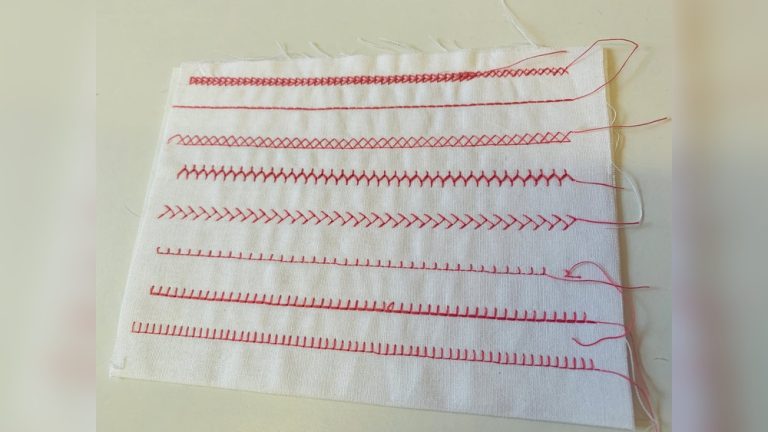
- Zigzag stitch (for applique)
- Decorative stitches (for embellishments)
- Adjustable stitch length and width
Pro Tip: For optimal results, test the machine’s straight stitch with quilting cotton before purchase.
Adjustable Presser Foot Pressure
Adjustable presser foot pressure ensures smooth feeding of multiple layers, essential when quilting thick sandwich fabrics. This feature also helps prevent puckering and uneven stitches.
Automatic Thread Cutter And Needle Up/down
Automatic thread cutters save time and reduce frustration, especially during repetitive quilting tasks. The needle up/down function allows you to stop with the needle in or out of the fabric, crucial for pivoting corners and intricate quilting patterns.
Durability And Build Quality
A robust machine frame, ideally metal, ensures stability during high-speed sewing and longevity over years of use. Machines with plastic components may be lighter but often lack durability.
Real-world Example: Throat Space Impact
When I tested the Janome Memory Craft 6650, its 10-inch throat space dramatically improved my ability to quilt queen-size projects without bunching or fabric distortion. This feature alone made a noticeable difference compared to a standard sewing machine.
Types Of Sewing Machines For Quilting
Not all quilting machines are created equal. Understanding the main categories helps narrow your search.
Mechanical Quilting Machines
Mechanical machines use knobs and levers for adjustments. They’re typically:
- Reliable and easy to maintain
- Ideal for beginners or those who prefer simplicity
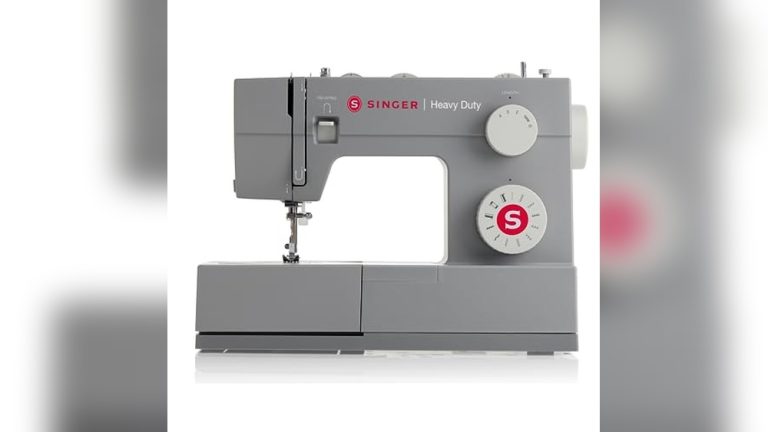
Example: The Singer Heavy Duty 4452 is praised for its straightforward operation and sturdy build, making it a popular choice among beginner quilters.
Computerized Quilting Machines
Computerized machines offer touchscreens, programmable stitches, and advanced automation:
- Suitable for complex quilting and embroidery
- Allow for memory functions and stitch customization
Example: The Brother Innov-is BQ2450 features a color touchscreen and hundreds of stitch options, catering to advanced quilters who value versatility.
Long-arm Quilting Machines
Long-arm machines are specialized for large-scale quilting:
- Throat space ranges from 15, 30+ inches
- Often mounted on frames for moving the machine over the fabric
These machines are significant investments, typically used by professionals or serious hobbyists.
Combination Machines
Some models combine sewing, quilting, and embroidery functions, offering maximum flexibility for creative projects.
Example: The Janome Horizon Memory Craft 9450 QCP merges quilting and embroidery capabilities, enabling users to switch easily between tasks.
Comparison Table: Mechanical Vs. Computerized Machines
| Feature | Mechanical | Computerized |
|---|---|---|
| Ease of Use | Simple | Advanced |
| Stitch Variety | Limited | Extensive |
| Maintenance | Easy | Requires Professional Service |
| Price Range | $200, $600 | $500, $3,000+ |
| Ideal For | Beginners | Advanced Quilters |

Credit: www.southernliving.com
Top 10 Sewing Machines For Quilting (2026 Edition)
Carefully curated from industry reviews, user ratings, and expert recommendations, these machines represent the best options for quilters at all levels.
1. Janome Memory Craft 6650
- Throat space: 10 inches
- Stitch options: 170
- Speed: 1,000 stitches per minute
- Key features: LED lighting, automatic thread cutter, extension table
This model stands out for its robust build, smooth operation, and ample workspace. It’s a favorite among intermediate and advanced quilters.
2. Brother Innov-is Bq2450
- Throat space: 11.25 inches
- Stitch options: 519
- Speed: 1,050 stitches per minute
- Key features: Color touchscreen, presser foot sensor, memory function
Its advanced technology and intuitive interface make it ideal for complex quilting designs and embroidery projects.
3. Singer Quantum Stylist 9960
- Throat space: 6.5 inches
- Stitch options: 600
- Speed: 850 stitches per minute
- Key features: Automatic needle threader, extension table, electronic autopilot
This versatile machine offers exceptional stitch variety at a competitive price, perfect for quilters who also enjoy garment sewing.
4. Juki Tl-2010q
- Throat space: 9 inches
- Stitch options: Straight stitch only
- Speed: 1,500 stitches per minute
- Key features: Industrial-grade build, needle up/down, automatic thread cutter
Highly regarded for its stitch quality and speed, the TL-2010Q is a workhorse for serious quilters.
5. Bernina 770 Qe
- Throat space: 10 inches
- Stitch options: 1,800+
- Speed: 1,000 stitches per minute
- Key features: Dual feed, advanced quilting stitches, jumbo bobbin
The Bernina 770 QE is the gold standard for professional quilting, boasting precision engineering and unparalleled stitch quality.
6. Pfaff Quilt Expression 720
- Throat space: 10 inches
- Stitch options: 400
- Speed: 1,050 stitches per minute
- Key features: IDT system, color touchscreen, large extension table
Pfaff’s patented IDT (Integrated Dual Feed) system ensures flawless fabric feeding, crucial for multi-layer quilts.
7. Baby Lock Crescendo
- Throat space: 11.25 inches
- Stitch options: 573
- Speed: 1,050 stitches per minute
- Key features: Sensor system, LED lighting, automatic needle threader
This premium machine excels in both precision and convenience, offering superior lighting and fabric detection.
8. Husqvarna Viking Sapphire 960q
- Throat space: 10 inches
- Stitch options: 400
- Speed: 1,000 stitches per minute
- Key features: Exclusive sensor system, automatic thread cutter, interactive display
Known for its advanced sensor technology, the Sapphire 960Q adapts seamlessly to various fabric types.
9. Janome Horizon Memory Craft 9450 Qcp
- Throat space: 11 inches
- Stitch options: 350
- Speed: 1,000 stitches per minute
- Key features: AcuFeed Flex, color touchscreen, built-in quilting stitches
With a comprehensive set of quilting tools, this model is a favorite among professional quilters.
10. Singer Heavy Duty 4452
- Throat space: 6.25 inches
- Stitch options: 32
- Speed: 1,100 stitches per minute
- Key features: Metal frame, adjustable presser foot, affordable price
Ideal for beginners and budget-conscious quilters, the 4452 offers reliable performance and durability.
Comparison Table: Top 5 Quilting Machines
| Model | Throat Space | Stitch Options | Speed (SPM) | Price Range |
|---|---|---|---|---|
| Janome MC6650 | 10″ | 170 | 1,000 | $1,400, $1,700 |
| Brother BQ2450 | 11.25″ | 519 | 1,050 | $2,500, $3,000 |
| Juki TL-2010Q | 9″ | 1 | 1,500 | $1,200, $1,400 |
| Bernina 770 QE | 10″ | 1,800+ | 1,000 | $5,000, $6,500 |
| Singer 4452 | 6.25″ | 32 | 1,100 | $200, $300 |

Credit: amongbrendasquilts.com
How To Choose The Best Quilting Machine For Your Needs
Selecting the right quilting machine depends on your project scope, skill level, and budget. Here’s a step-by-step approach to making the best choice.
Assess Your Quilting Style
- Piecing vs. quilting: If you primarily piece quilt tops, a machine with a precise straight stitch is essential.
- Free-motion quilting: For intricate designs, prioritize throat space and adjustable presser feet.
- Embroidery: Combination machines are ideal if you want to add embroidery to your quilts.
Consider Your Experience Level
- Beginners: Simple, mechanical machines with basic stitches and sturdy build.
- Intermediate: Machines with extension tables, adjustable pressure, and automatic thread cutters.
- Advanced/Professional: Computerized models with memory functions, hundreds of stitches, and advanced automation.
For more tips, read How to Choose the Best Sewing Machine: Expert Tips for Perfect Picks.
Budget Considerations
- Entry-level machines: $200, $600
- Mid-range: $1,000, $2,000
- Professional: $3,000, $7,000+
Warning: Don’t sacrifice build quality for price. In my experience, investing in a reputable brand pays off in reliability and stitch quality.
Test Before You Buy
Whenever possible, test machines in-store using quilting cotton and batting. Pay attention to stitch consistency, ease of use, and comfort.
Real-world Example: Budget Vs. Professional Machine
A quilting enthusiast started with the Singer Heavy Duty 4452, gradually moved to the Janome MC6650, and noticed significant improvements in stitch quality and project speed. Upgrading allowed her to tackle larger quilts and more complex designs.
Maintenance And Accessories For Quilting Machines
Proper care and the right accessories extend your machine’s lifespan and enhance quilting results.
Routine Maintenance
- Clean lint from bobbin area after each project
- Oil machine as recommended by manufacturer
- Change needles regularly (every 8, 10 hours of sewing)
- Schedule professional servicing annually
For troubleshooting, see How to Fix Sewing Machine Handwheel: Quick & Easy Repair Tips.
Essential Quilting Accessories
- Walking foot: Ensures even feeding for multi-layer quilts
- Free-motion quilting foot: Allows for intricate designs
- Extension table: Expands workspace
- Quilting needles: Thicker and stronger, suitable for multiple layers
For guidance on needle selection, visit How Do Sewing Machine Needle Sizes Work: Ultimate Guide for Perfect Stitches.
Power Backup Solutions
For computerized machines, a reliable power source is crucial. See Best Power Backup for Computerized Sewing Machine: Reliable AC Power Cords for recommendations.
Common Quilting Machine Challenges And Solutions
Every quilter faces hurdles, from skipped stitches to fabric bunching. Here’s how to address the most frequent issues.
Skipped Stitches
- Use quilting needles for thick fabrics
- Adjust presser foot pressure
- Check thread tension
Fabric Bunching
- Ensure proper threading
- Use a walking foot
- Lower stitch length for denser fabrics
Thread Breakage
- Use high-quality quilting thread
- Clean machine regularly
- Adjust tension settings
For thread recommendations, see Best Brand of Thread for Sewing Machine 2026: Top Picks for Quality.
Real-world Case Study: Solving Fabric Bunching
A quilter struggled with bunching using a basic sewing machine. Upgrading to a machine with adjustable presser foot pressure and a walking foot eliminated the issue, resulting in smooth, professional-looking quilt layers.
Comparing Quilting Machines: Data-driven Insights
Quantitative comparisons help clarify which machines offer the best value and performance for quilting projects.
Feature Comparison: Janome Mc6650 Vs. Juki Tl-2010q
| Feature | Janome MC6650 | Juki TL-2010Q |
|---|---|---|
| Throat Space | 10″ | 9″ |
| Stitch Options | 170 | 1 (straight) |
| Speed | 1,000 SPM | 1,500 SPM |
| Build Quality | Heavy-duty metal frame | Industrial-grade aluminum |
| Automatic Thread Cutter | Yes | Yes |
| Price | $1,400, $1,700 | $1,200, $1,400 |
Stitch Quality Ratings
According to independent reviews on Sewing Machines Plus, both models score high for stitch consistency and durability, with the Juki excelling in speed and Janome in versatility.
Real-world Examples: Quilters’ Success Stories
Example: Beginner To Advanced Quilter
A beginner started with the Singer Heavy Duty 4452 for piecing basic quilts. As skills progressed, she invested in the Janome Horizon MC9450 QCP, enabling her to master free-motion quilting and produce professional-grade projects for local exhibitions.
Example: Professional Quilting Studio
A quilting studio equipped with multiple Bernina 770 QE machines reported a marked increase in productivity and client satisfaction, thanks to the machine’s jumbo bobbin and dual feed system. Staff noted reduced thread changes and consistent stitch quality across large projects.
Example: Home Quilter’s Expansion
A home quilter used the Juki TL-2010Q for years, appreciating its industrial build and speed. When she began selling quilts online, she upgraded to the Brother Innov-is BQ2450 for its expanded stitch library and embroidery capabilities, which allowed her to personalize products and grow her business.
Frequently Asked Questions
What Is The Most Important Feature For Quilting Sewing Machines?
The throat space is critical, as it determines how easily you can manage large quilts during piecing and free-motion quilting. Additional features like adjustable presser foot pressure and an extension table also significantly improve quilting comfort and results.
Can I Use A Regular Sewing Machine For Quilting?
While you can quilt with a standard sewing machine, dedicated quilting models offer advantages such as larger throat space, specialized feet, and more consistent stitch quality. These enhancements make quilting easier and produce more professional results, especially for larger projects.
How Often Should I Service My Quilting Sewing Machine?
Professional servicing is recommended at least once a year, depending on usage. Regular maintenance includes cleaning lint, oiling parts, and replacing needles. Heavy use may require more frequent attention to ensure optimal performance and longevity.
What Accessories Are Essential For Quilting?
Key accessories include a walking foot, free-motion quilting foot, extension table, and quilting needles. High-quality thread and fabric are also vital for achieving durable, attractive quilts. Investing in these tools improves stitch quality and reduces common quilting issues.
Are Computerized Quilting Machines Worth The Investment?
Computerized machines offer advanced features such as programmable stitches, automatic thread cutters, and memory functions. For serious quilters or those tackling complex designs, these capabilities are often worth the higher price. However, mechanical machines remain reliable and sufficient for basic quilting needs.
The right sewing machine is the foundation of every successful quilting project. By prioritizing features like throat space, stitch quality, and robust build, you can select a model that matches your creative ambitions and budget. Whether you’re a beginner piecing your first quilt or a professional crafting intricate masterpieces, the machines highlighted here offer proven reliability and versatility.
Explore additional resources, test machines in person, and invest in quality accessories to maximize your quilting experience, and watch your creativity flourish.