How Do Sewing Machine Needle Sizes Work: Ultimate Guide for Perfect Stitches
When you pick up a new sewing project, one small detail can make a big difference: your needle size. Choosing the right sewing machine needle size might seem confusing at first, but it’s key to getting smooth stitches and avoiding fabric damage.
If you’ve ever dealt with broken threads or skipped stitches, your needle size could be the culprit. You’ll discover how sewing machine needle sizes work and learn simple tips to pick the perfect needle every time. Keep reading to make your sewing projects easier and more enjoyable!
Needle Size Basics
Sewing machine needles come in many sizes. Each size fits different fabrics and threads. Choosing the right needle size helps your sewing look neat and last long. It also stops fabric from damage or thread from breaking.
Needle sizes use two systems. Knowing these helps you pick the right needle easily. Let’s explore the differences and common sizes.
Metric Vs. Singer System
Needle sizes use two main systems: Metric and Singer. The Metric system shows size in numbers from 60 to 120. The higher the number, the thicker the needle.
The Singer system uses smaller numbers like 8 to 19. Here, a higher number means a thicker needle too. Both systems measure the needle’s thickness.
For example, a size 80 (Metric) needle equals size 12 (Singer). Knowing this helps you find the right needle no matter the brand.
Common Needle Sizes Explained
Needle sizes range from very fine to very thick. Fine needles (60/8 or 70/10) suit light fabrics like silk or chiffon.
Medium needles (80/12 or 90/14) work well for cotton and polyester. These are the most used sizes.
Thicker needles (100/16 or 110/18) fit heavy fabrics like denim or canvas. Using the right size stops needle breakage and keeps stitches clean.
Needle Anatomy
The sewing machine needle is small but very important. It helps the thread pass through fabric smoothly. Knowing its parts helps you choose the right needle size. Each part has a special job during sewing. This knowledge improves your sewing results and prevents damage.
Parts Of A Sewing Needle
A sewing needle has several key parts. The shank is the thick top part that fits into the machine. The shaft is the long middle part that moves up and down. The groove runs along the shaft, guiding the thread. The eye is the small hole near the tip where the thread passes through. The point is the sharp end that pierces the fabric. Each part must work well for smooth sewing.
How Size Affects Needle Shape
Needle size changes the needle’s thickness and length. Small sizes are thin and short. They work well with fine fabrics like silk. Larger sizes are thick and strong. They handle heavy fabrics like denim. The size also affects the needle’s point shape. Sharp points pierce woven fabrics easily. Ballpoint needles separate knit fibers without damage. Choosing the right size and shape helps you sew better and protect your fabric.
Choosing Needle Size
Choosing the right needle size is key for a smooth sewing experience. The needle must match your fabric, thread, and project. Picking the wrong size can cause skipped stitches, thread breaks, or fabric damage. Knowing how to choose helps you sew clean and strong seams.
Fabric Types And Needle Compatibility
Different fabrics need different needle sizes. Thin fabrics like silk or chiffon require small needles. Thick fabrics like denim or canvas need larger needles. Using the right needle prevents holes and runs in your fabric. Check your fabric type before choosing a needle.
Thread Thickness And Needle Size
Thread size affects needle choice too. Thin thread fits well with small needles. Thick thread needs larger needles with bigger eyes. A needle that is too small may break the thread. Match thread thickness with needle size for smooth stitching.
Project Requirements And Needle Selection
Think about your project needs. Embroidery, quilting, and general sewing use different needles. Some projects require special needles like ballpoint or stretch needles. Choose a needle that fits your fabric and sewing style. This keeps your project neat and strong.

Credit: www.sewjersey.com
Effects On Stitch Quality
The size of a sewing machine needle affects stitch quality a lot. Using the right needle size helps make strong, neat stitches. The wrong size can cause many problems. It changes how the thread moves through fabric. It also affects how the fabric holds together after sewing.
Good stitch quality means even stitches that do not break or pull fabric. Choosing the right needle size is key. This section explains how needle size impacts stitch quality and what happens when the size is wrong.
Impact Of Wrong Needle Size
A needle that is too large can leave big holes in fabric. This makes stitches look messy and can weaken the fabric. A needle that is too small may bend or break easily. It can also cause skipped stitches or thread breaks.
Wrong needle size can damage delicate fabrics or fail to penetrate thick materials. It leads to uneven stitches and a poor finish. You may see puckering or pulling in the fabric. This lowers the overall quality of your sewing project.
Optimizing Stitch Strength And Appearance
Using the correct needle size improves stitch strength. The needle passes smoothly through the fabric and thread. This creates even stitches that hold fabric layers tightly together. The fabric stays flat without puckers or holes.
Needle size also affects the look of the stitches. A proper size makes stitches neat and uniform. It supports clean, professional sewing results. Choosing the right needle size keeps your project strong and attractive.
Specialty Needles And Sizes
Specialty needles play a key role in sewing. They help handle unique fabrics and tasks. Using the right needle size and type improves stitch quality. It also protects the fabric and the machine. Let’s explore common specialty needles and their sizes.
Needles For Denim And Leather
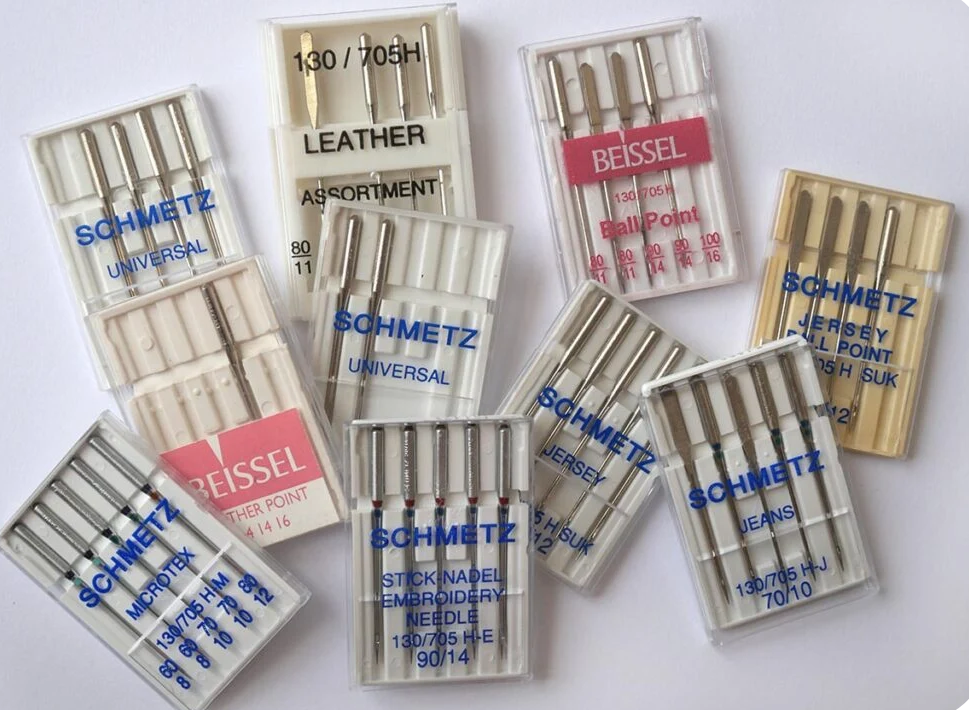
Denim and leather are thick and tough materials. Standard needles can break or bend easily. Denim needles have a strong, sharp point to pierce heavy fabric. They usually come in sizes 90/14 and 100/16. Larger sizes work best for very thick denim.
Leather needles have a sharp, wedge-shaped point. This cuts through leather instead of piercing it. Sizes range from 80/12 to 110/18. Choose a size based on leather thickness. Using the correct needle prevents damage and skipped stitches.
Stretch And Embroidery Needle Sizes
Stretch needles have a special ballpoint tip. It slides between fabric threads without breaking them. Sizes 75/11 and 90/14 suit most stretch fabrics. These needles stop runs and holes in knits and spandex.
Embroidery needles feature a larger eye to hold embroidery thread. They reduce thread breakage for smooth stitching. Sizes range from 75/11 to 90/14. Pick a size that matches your thread weight and fabric type.

Credit: www.sewjersey.com
Maintenance And Replacement
Maintaining and replacing sewing machine needles is key for smooth sewing. Needles wear out over time and affect stitch quality. Regular checks prevent fabric damage and machine issues. Proper needle care saves time and money.
When To Change Needles
Change needles after every 8 to 10 hours of sewing. Switch needles when starting a new project with different fabric. Also, change needles if stitches skip or break often. Avoid using old needles to keep your machine safe.
Signs Of Needle Wear And Damage
Bent or dull needles cause poor stitch quality. Look for rough or bent tips before sewing. Needles that pull or snag fabric need replacement. If your thread frays or breaks, check the needle too.

Credit: www.youtube.com
Frequently Asked Questions
What Do Sewing Machine Needle Sizes Mean?
Sewing machine needle sizes indicate the needle’s thickness and strength. Larger numbers mean thicker needles, suitable for heavy fabrics. Smaller sizes work best for delicate materials. Choosing the right size ensures smooth stitching and prevents fabric damage or needle breakage.
How To Choose The Right Needle Size?
Select needle size based on fabric type and thread thickness. Fine fabrics need smaller needles, while denim requires larger ones. Always match needle size to your project for optimal results and fewer sewing issues like skipped stitches or fabric puckering.
What Happens If Needle Size Is Wrong?
Using the wrong needle size can cause skipped stitches, fabric damage, or needle breakage. Needles too thick can leave holes in delicate fabrics, while thin needles can bend on heavy materials. Correct size improves sewing quality and machine performance.
Are Needle Sizes Universal For All Machines?
Most sewing machine needle sizes are standardized and fit most domestic machines. However, industrial machines may require special needles. Always check your machine manual for compatible needle types and sizes to ensure proper fit and function.
Conclusion
Choosing the right sewing machine needle size helps your project succeed. Small needles work best for thin fabrics, while large needles handle thick materials. Using the correct needle prevents fabric damage and thread breaks. Always check your fabric and thread before picking a needle.
This simple step saves time and effort. Understanding needle sizes makes sewing easier and more fun. Try different sizes to see what fits your needs. Sewing becomes smoother with the right needle in place. Keep practicing, and your skills will grow.