How to Make Sewing Machine Go Backwards: Easy Steps Revealed
Have you ever started sewing only to realize you need to stitch backward to secure your work? Knowing how to make your sewing machine go backwards can save you time and keep your projects looking professional.
It’s a simple trick that every sewer should master. You’ll learn exactly how to reverse your sewing machine’s direction quickly and easily. Keep reading, and you’ll never worry about loose stitches again!

Credit: www.youtube.com
Basic Sewing Machine Functions
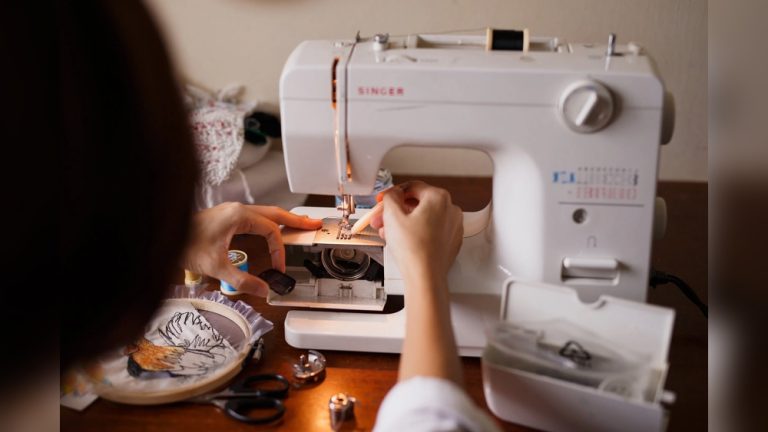
Sewing machines have simple functions that help you create stitches. Knowing these basics makes sewing easier and more fun. You control how the machine moves the fabric and stitches it together. One key function is moving the fabric forward for sewing. Another is moving it backward to secure stitches.
Understanding these functions helps you use the machine better. It also helps fix common sewing problems. Let’s look at the main sewing machine modes for stitching.
Forward Stitching Mode
The forward stitching mode moves fabric under the needle in one direction. It creates straight stitches as you sew. This mode is for most sewing tasks like joining fabrics or making hems. The machine pulls fabric evenly to keep stitches straight and tight. You press the foot pedal to start the forward stitch. The speed controls how fast the fabric moves.
Reverse Stitching Purpose
Reverse stitching moves the fabric backward under the needle. This function helps lock stitches at the start and end of sewing. Locking stitches prevents the thread from coming loose. You press a special reverse button or lever to sew backward. Use reverse stitching to secure seams and stop them from unraveling. It is a simple step that makes your sewing strong and neat.

Credit: www.youtube.com
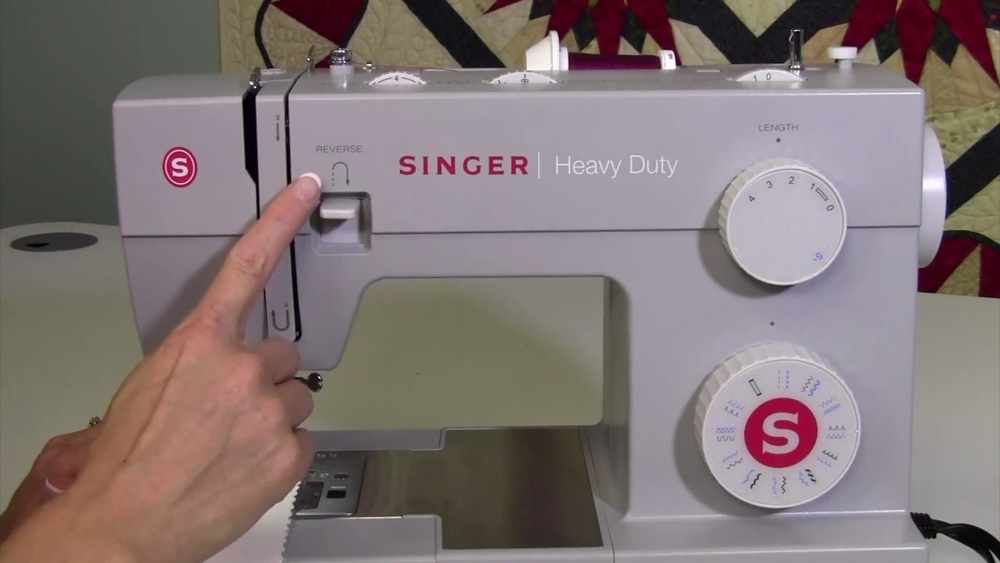
Identifying The Reverse Lever Or Button
Finding the reverse lever or button on your sewing machine is key to sewing backwards. This feature lets you stitch in the opposite direction to secure your seams. Most machines have a clearly marked control for this function. Knowing where to find it saves time and makes sewing easier.
Common Locations On Machines
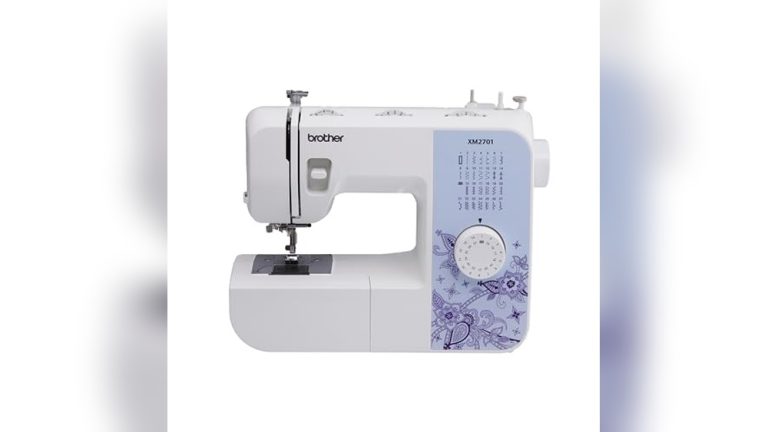
The reverse lever or button often sits near the needle area. Many machines place it on the front panel for easy reach. Some models have it close to the stitch length dial. Others put it near the hand wheel or on the side of the machine. Check the machine’s front and sides carefully. The control usually has an arrow pointing backwards or the word “reverse.”
Different Types Of Controls
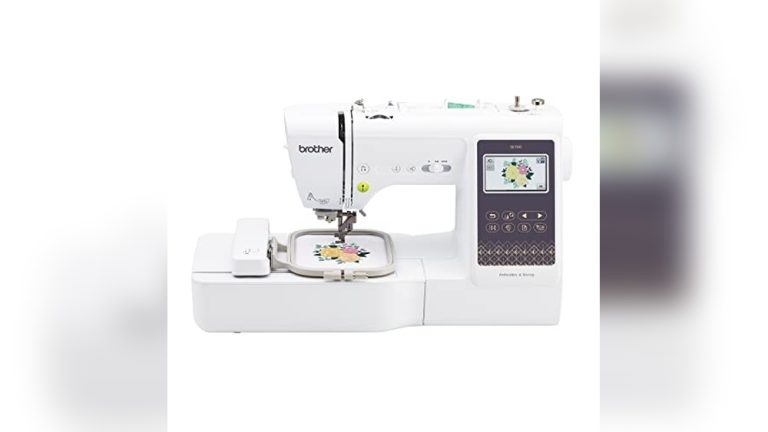
Sewing machines use different kinds of reverse controls. Some have a small lever you push or pull. Others feature a button that you press and hold. A few machines use a switch that stays in the reverse position. Certain models include an electronic touch button. Each control type works the same way: it makes the machine sew backward. Knowing your machine’s control type helps you use it correctly.
Step-by-step Guide To Reverse Stitching
Reverse stitching helps secure your seams and finish edges. This guide shows how to make your sewing machine sew backwards. Follow easy steps to prepare your machine and start reverse stitching smoothly.
Preparing The Machine
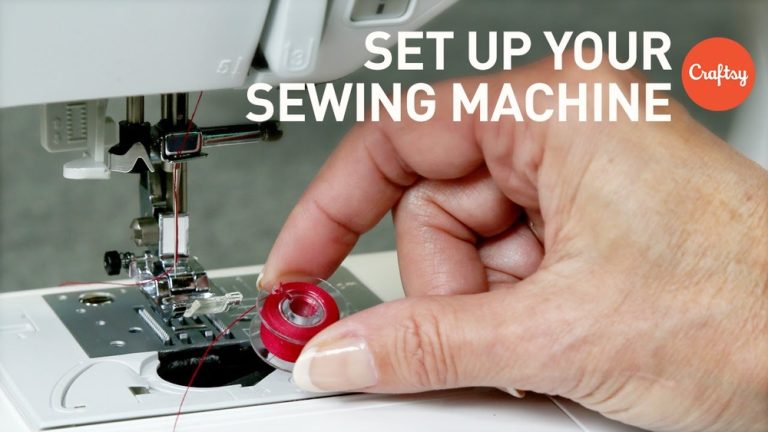
Turn on your sewing machine and place the fabric under the presser foot. Make sure the needle is in the highest position. Check the bobbin and thread to avoid tangles. Use the right needle and thread for your fabric type. Always test on a scrap piece first.
Engaging Reverse Mode
Look for the reverse lever or button on your machine. It is usually near the needle or on the front panel. Press or hold the reverse control firmly. Some machines require a quick press, others need to hold it down while sewing.
Sewing Backwards
Start sewing slowly while holding the reverse control. Guide the fabric gently with your hands. Sew a few stitches backward to lock the seam. Release the reverse control and continue sewing forward if needed. This technique keeps stitches strong and prevents unraveling.
Troubleshooting Reverse Stitching Issues
Troubleshooting reverse stitching issues helps keep your sewing smooth. Problems with reverse stitching slow your work and can cause poor seams. Fixing these problems saves time and avoids frustration. This section covers common issues and easy fixes.
Machine Not Moving Backwards
Check if the reverse lever or button is fully pressed. Sometimes, it needs firm pressure to engage the backward motion. Look for lint or thread stuck near the lever. Clean the area carefully to avoid jams. Also, inspect the machine’s gears for damage or wear. If the machine still won’t move backwards, the motor or clutch might need service. Refer to your sewing machine manual for specific steps.
Inconsistent Stitching While Reversing
Uneven stitches during reverse sewing often mean tension problems. Adjust the thread tension to a balanced level. Too tight or too loose tension affects stitch quality. Check the needle for damage or dullness and replace it if needed. Use the right needle size for your fabric type. Ensure the feed dogs are clean and working properly. Dirt can cause uneven fabric movement under the needle.
Tips For Smooth Backward Sewing
Backward sewing can be tricky at first. It needs care and control to work well. These tips help you sew backward smoothly. Follow them to avoid thread bunching or machine jams. Good habits make your sewing faster and neater.
Adjusting Speed And Pressure
Slow your sewing speed for better control. Fast speeds can cause uneven stitches backward. Use a gentle foot pressure. Too much pressure stops fabric from moving freely. Adjust the foot pressure dial to fit your fabric type. Light fabrics need less pressure, thick ones need more.
Maintaining Machine Parts
Keep your machine clean and oiled. Dust and lint can block moving parts. Check the feed dogs often. They move the fabric forward and backward. Make sure they are not worn out or stuck. Replace needles regularly to avoid skipped stitches. Clean the bobbin area to prevent thread jams.
When To Use Reverse Stitching
Reverse stitching is a key feature on most sewing machines. It allows the machine to sew backward for a short distance. This helps strengthen your work and adds style. Knowing when to use reverse stitching improves your sewing quality. It saves time and prevents problems later.
Securing Seams
One main use of reverse stitching is securing seams. Start sewing forward, then sew backward a few stitches. This locks the thread in place. It stops the seam from coming undone. At the end of the seam, sew backward again. This double lock makes seams stronger. Reverse stitching is very useful for clothes that get a lot of wear.
Decorative Techniques
Reverse stitching can also add style to your projects. Use it to create patterns or textures on fabric. It works well for decorative topstitching. You can sew a line forward, then backward to form a unique look. This technique adds detail to bags, cushions, and clothes. Experiment with different stitch lengths for varied effects.

Credit: embroideryhoopstore.com
Frequently Asked Questions
How Do I Make My Sewing Machine Sew Backwards?
To sew backwards, locate the reverse stitch lever or button on your machine. Press or hold it while sewing to activate reverse stitching. This helps in securing stitches and reinforcing seams efficiently.
Why Is Reverse Stitching Important On A Sewing Machine?
Reverse stitching locks stitches in place, preventing them from unraveling. It strengthens seams and ensures durability in your sewing projects.
Can All Sewing Machines Sew In Reverse?
Most modern sewing machines have a reverse stitch feature. However, some basic or vintage models might lack this function. Check your machine’s manual to confirm.
What Should I Do If The Reverse Stitch Button Doesn’t Work?
If the reverse button is unresponsive, check for thread jams or mechanical issues. Cleaning and proper threading often resolve the problem. Consult your manual if needed.
Conclusion
Sewing machines can sew backward to reinforce stitches. Most machines have a reverse button or lever. Press or hold it to sew in reverse. This helps keep your fabric strong and neat. Always check your machine’s manual for exact steps.
Practice a bit to get comfortable using reverse stitches. Sewing backward is simple once you try it. Keep your projects tidy and lasting longer. Enjoy sewing with more control and skill.