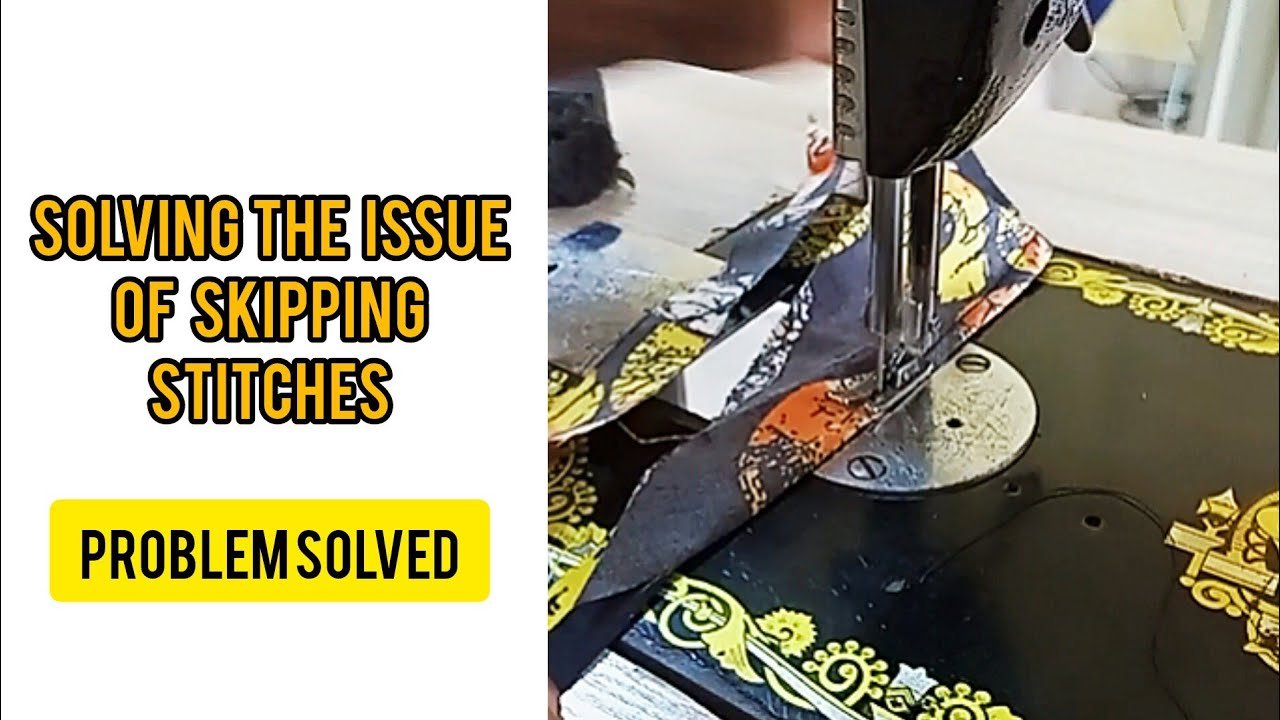
How to Fix Skipped Stitches on a Sewing Machine: Start With the Needle
A skipped stitch happens when the needle thread doesn’t catch the bobbin thread, and you fix it by replacing a bent or dull needle with the correct type for your fabric. If you’re dealing with how to fix skipped stitches on a sewing machine, start there before touching any settings. The single most common cause is a needle that’s wrong for the material, slightly bent, or pushed in backwards.
Why my sewing machine skips stitches
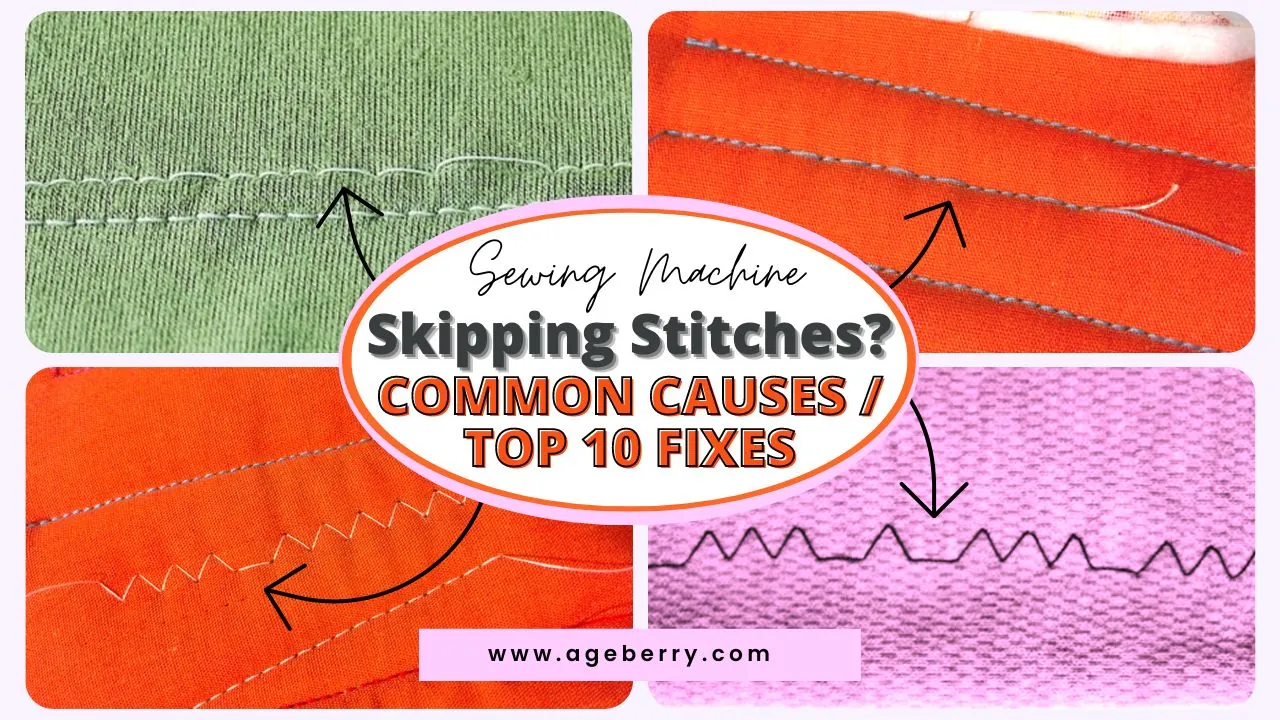
Three things make the hook miss the thread loop. The first is the needle itself. A dull point pushes fabric down instead of piercing it cleanly, so the loop forms too late or not at all. A bent needle swings wide of the hook entirely. Using a universal needle on stretchy knit fabric also causes misses because the rounded point can’t form a tight loop.
The second cause is threading. If the top thread isn’t seated fully between the tension discs, the pull on the needle thread changes every time the needle goes down. That uneven drag shrinks the loop just enough for the hook to pass right by it.
Third is timing. Timing means the exact moment the rotating hook meets the needle thread. If the needle hits a pin or thick seam, it can knock the hook out of sync. You’ll see regular gaps every few inches rather than random ones. When the gap repeats at a steady interval, the problem is mechanical, and you’ll need a technician to reset it.
Put in the right needle
This fix is for anyone whose machine suddenly started skipping after changing fabric or thread. Turn off the machine first. Raise the needle to its highest spot using the handwheel. Loosen the needle clamp screw and pull the old needle straight down.
Take a new needle from the package. Check the flat side of the shank — it faces the back on most modern home machines. Push the needle up into the clamp as far as it goes. Tighten the screw firmly. A loose needle wobbles and won’t form a clean loop.
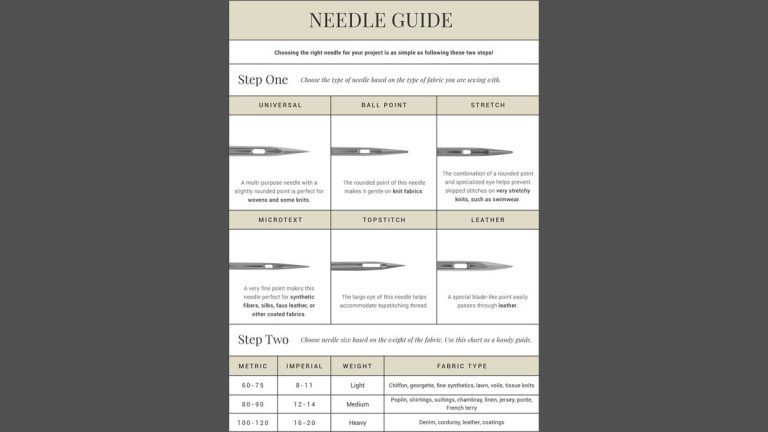
Match the needle to your fabric. Use a ballpoint or stretch needle for knits, and a sharp or microtex needle for woven cottons and linens. Size matters too: a 70/10 for light fabrics, a 90/14 for denim or canvas.
Sew a test line on a scrap of the same fabric. If the stitches lock evenly, you’ve solved it. If they still skip, move to the next step. Never force a thick needle through light fabric; it tears threads and damages the feed dogs.
Rethread the top and bobbin
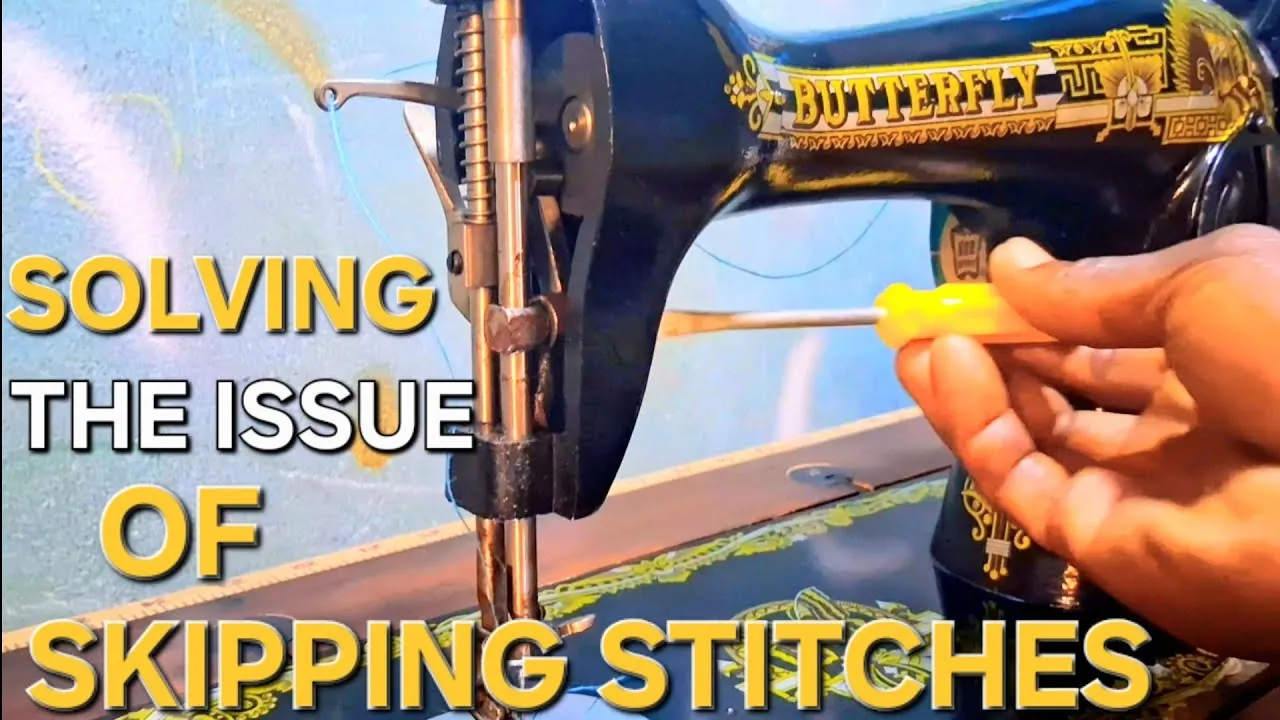
Rethreading fixes the problem when a new needle didn’t help. This is for cases where the skipping looks random, not like a repeating pattern. Turn the machine off completely.
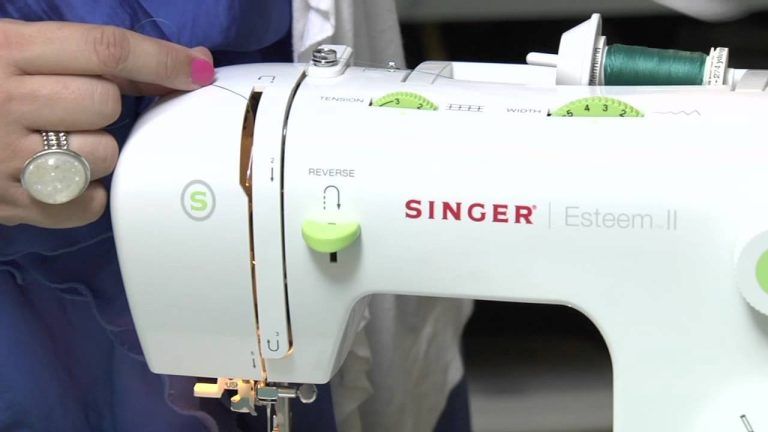
Raise the presser foot. This opens the tension discs so the thread sits between them properly. Pull the top thread out entirely. Follow your machine’s numbered path exactly. Miss one guide, and the tension shifts. Seat the thread firmly into the take-up lever. Bring it down through the needle eye from front to back.
Next, remove the bobbin case. Take the bobbin out and check which way the thread unrolls. It should follow the direction shown in your manual. Drop it back in, pull the thread through the slot, and feel a slight resistance. Replace the cover. Hold both thread tails under and behind the presser foot before you start sewing again. Run another test seam. Even tension on both sides means the hook catches the loop reliably.
Clean lint from the bobbin area
This step is worth the effort when skipping continues after a fresh needle and perfect threading. Lint packed around the bobbin case pushes the hook away from the needle by a tiny amount. That small gap is enough to cause a miss.
Turn off and unplug the machine. Remove the needle plate screws with the screwdriver that came with your machine. Lift the plate off. Take out the bobbin and its case. Use the small brush included with your machine to sweep lint from the metal race where the bobbin sits. Don’t blow into it — moisture from your breath rusts the parts over time.
Wipe the hook tip gently with a dry cloth. Look closely at the metal point. If it has a burr or scratch from hitting a pin, cleaning won’t help. A damaged hook needs professional replacement. Reassemble everything in reverse order. Test sew again.
If the stitches are still skipping steadily, the timing is off. Resetting timing requires opening the machine’s housing, which exposes moving parts that can cause injury. Leave that work to an authorized repair technician. You can find service guidelines on Singer’s support page or your specific brand’s official site.
Bad advice that makes skipping worse
Some tips spread online actually damage your machine or waste your time. Here’s what to avoid.
- Turning the tension dial to the max. Cranking the top tension tighter doesn’t force the hook to catch the thread. It snaps thin threads and leaves puckered seams you’ll have to unpick.
- Oiling the bobbin race yourself. Home machines with drop-in bobbins don’t need user oiling. Oil on the plastic bobbin case ruins your fabric and attracts more lint.
- Sewing over pins left in the fabric. Hitting a pin bends the needle instantly. A bent needle then strikes the needle plate, which can chip the hook tip and ruin your timing.
- Using cheap bulk needles without checking size. Off-brand needles often have slightly shorter shafts. The hook passes below the thread loop every single time, causing constant skips.
- Pulling the fabric from behind while sewing. Dragging the material deflects the needle sideways. It misses the hook and risks snapping inside the machine.
Stop skipped stitches before they start
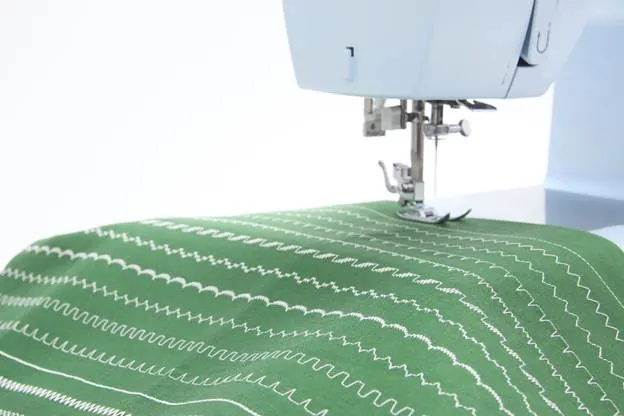
You can prevent this problem by matching your setup to the fabric every time you sit down.
| If you’re doing this | Do this instead | Why |
|---|---|---|
| Using one needle for every project | Change the needle for each new fabric type | Different points pierce knits and wovens correctly |
| Changing a needle after 3 projects | Change it after 8 hours of actual sewing | Dull points push fabric down instead of piercing it |
| Threading with the presser foot down | Raise the foot before threading | Closed tension discs keep the thread from seating |
| Ignoring the bobbin direction | Follow the arrow printed on the case | Backwards bobbins create uneven bottom tension |
| Leaving lint in the bobbin area | Brush it out before every big project | Packed lint physically blocks the hook’s path |
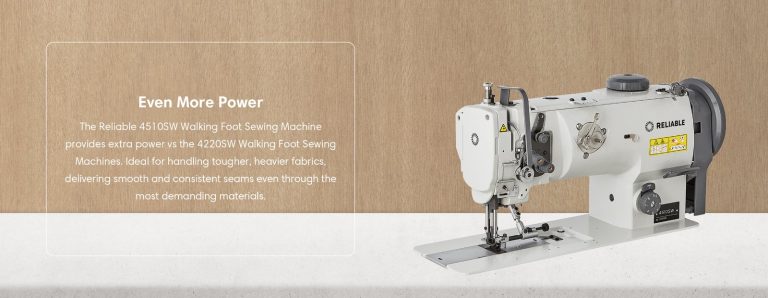
| Forcing thick layers under the foot | Use a walking foot or level the presser foot | Deflected needles bend and miss the hook entirely |
Related guides
Frequently asked questions
Why does my sewing machine skip stitches on stretchy fabric?
Universal needles have a sharp point that pushes knit loops aside instead of sliding between them. Switch to a ballpoint or stretch needle. The rounded tip separates the yarns without breaking them, letting the thread form a proper loop for the hook to catch.
How often should I change my sewing machine needle?
Replace the needle after about 8 hours of active sewing time. That figure assumes standard cotton or polyester fabric. If you’re sewing heavy denim, leather, or multiple thick layers, change it twice as often. A dull needle is the leading cause of skipped stitches.
Can a bad bobbin cause skipped stitches?
Yes. A scratched, warped, or poorly wound bobbin creates uneven thread delivery. The bottom thread pulls erratically, shrinking the loop the hook tries to catch. Always use bobbins made specifically for your machine model, and wind them at a steady speed.
Is it safe to adjust the timing myself?
No. Adjusting timing requires opening the machine’s main housing and loosening gears near the motor. Exposed moving parts can cause serious injury, and incorrect adjustments permanently damage the hook assembly. Take the machine to a certified technician if rethreading and a new needle don’t work.
What happens if I keep sewing with skipped stitches?
The seam will be weak and likely unravel during wear or washing. Continuing to sew with a bent needle risks striking the needle plate or bobbin case. That impact chips metal parts, turning a simple needle swap into an expensive mechanical repair.
Why does my machine only skip stitches on thick seams?
When fabric gets very thick, the needle deflects sideways as it pushes through. That deflection moves the thread loop away from the hook’s path. Slow down your sewing speed over thick intersections, or use a hump jumper to keep the presser foot level.
Conclusion
Every skipped stitch comes down to the distance between the needle thread and the rotating hook. Start with a fresh, correctly sized needle, rethread with the presser foot raised, and clear out the lint. If those three steps don’t solve it, the timing has shifted, and that’s a job for a professional repair shop.
{“@context”:”https://schema.org”,”@type”:”FAQPage”,”mainEntity”:[{“@type”:”Question”,”name”:”Why does my sewing machine skip stitches on stretchy fabric?”,”acceptedAnswer”:{“@type”:”Answer”,”text”:”Universal needles have a sharp point that pushes knit loops aside instead of sliding between them. Switch to a ballpoint or stretch needle. The rounded tip separates the yarns without breaking them, letting the thread form a proper loop for the hook to catch.”}},{“@type”:”Question”,”name”:”How often should I change my sewing machine needle?”,”acceptedAnswer”:{“@type”:”Answer”,”text”:”Replace the needle after about 8 hours of active sewing time. That figure assumes standard cotton or polyester fabric. If you’re sewing heavy denim, leather, or multiple thick layers, change it twice as often. A dull needle is the leading cause of skipped stitches.”}},{“@type”:”Question”,”name”:”Can a bad bobbin cause skipped stitches?”,”acceptedAnswer”:{“@type”:”Answer”,”text”:”Yes. A scratched, warped, or poorly wound bobbin creates uneven thread delivery. The bottom thread pulls erratically, shrinking the loop the hook tries to catch. Always use bobbins made specifically for your machine model, and wind them at a steady speed.”}},{“@type”:”Question”,”name”:”Is it safe to adjust the timing myself?”,”acceptedAnswer”:{“@type”:”Answer”,”text”:”No. Adjusting timing requires opening the machine’s main housing and loosening gears near the motor. Exposed moving parts can cause serious injury, and incorrect adjustments permanently damage the hook assembly. Take the machine to a certified technician if rethreading and a new needle don’t work.”}},{“@type”:”Question”,”name”:”What happens if I keep sewing with skipped stitches?”,”acceptedAnswer”:{“@type”:”Answer”,”text”:”The seam will be weak and likely unravel during wear or washing. Continuing to sew with a bent needle risks striking the needle plate or bobbin case. That impact chips metal parts, turning a simple needle swap into an expensive mechanical repair.”}},{“@type”:”Question”,”name”:”Why does my machine only skip stitches on thick seams?”,”acceptedAnswer”:{“@type”:”Answer”,”text”:”When fabric gets very thick, the needle deflects sideways as it pushes through. That deflection moves the thread loop away from the hook’s path. Slow down your sewing speed over thick intersections, or use a hump jumper to keep the presser foot level.”}}]}