What Is the Most Trouble-Free Sewing Machine?
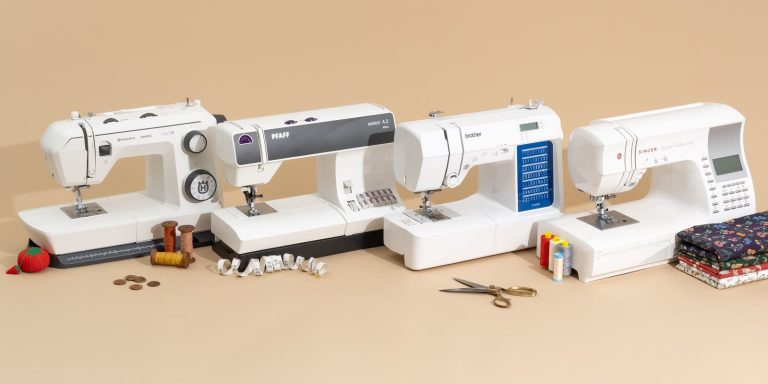
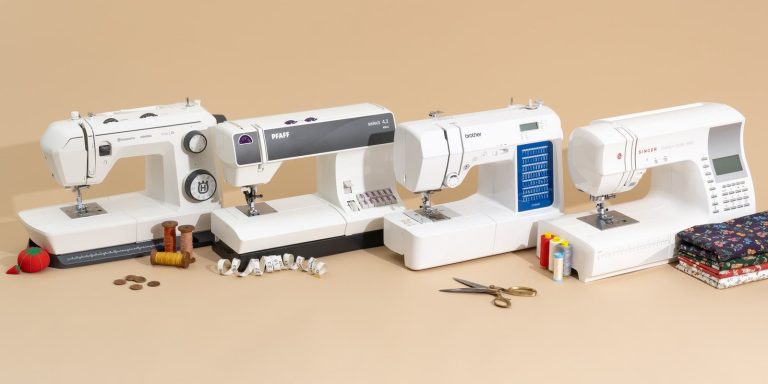
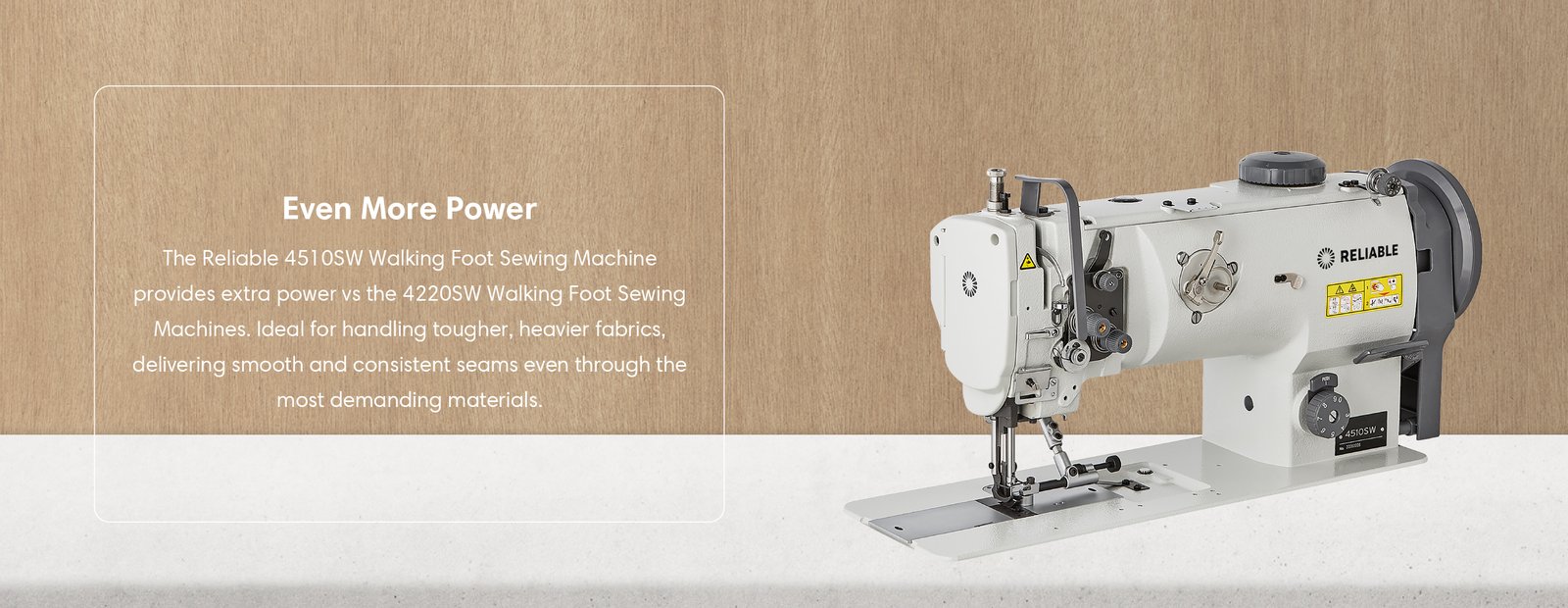
The most trouble-free sewing machine is a mechanical model with a metal frame, a top-loading bobbin, and a simple stitch set — that combination removes the parts that jam, tangle, and need service most often.
You confirm it in about ten minutes: open the bobbin area, check the frame material, and count the stitch dials. If there’s a screen, it’s not this machine.
What makes a sewing machine trouble
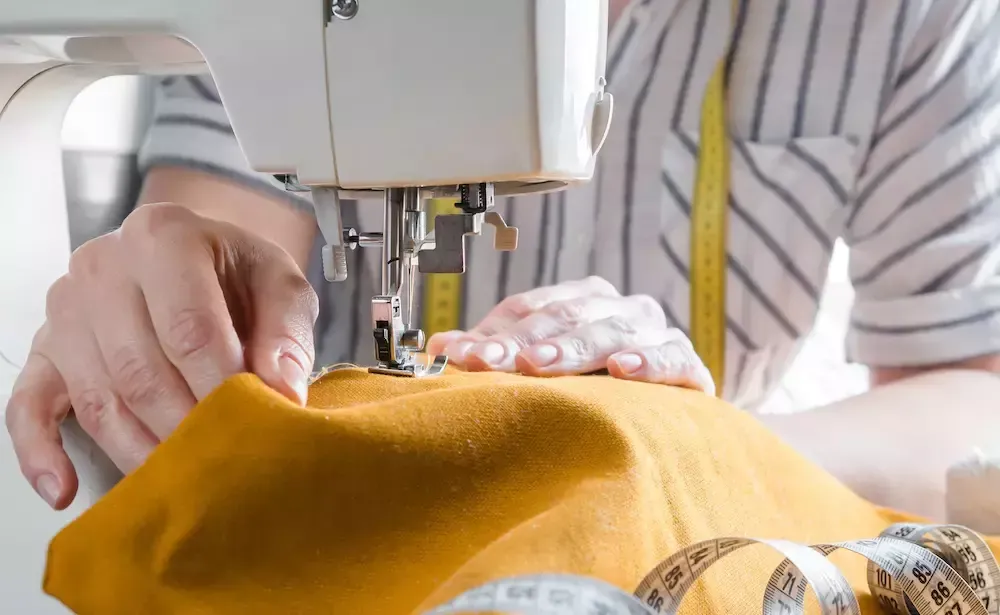
Most trouble comes from five places, and they’re not equal. A machine that tangles on the first stitch usually has a threading or bobbin problem, not a broken part. The table below ranks each cause by how often it’s the real one, based on common repair patterns.
| Cause | How common | How to confirm it | Fix it yourself? |
|---|---|---|---|
| Wrong threading path | Very common | Rethread with presser foot up | Yes |
| Bobbin inserted wrong | Very common | Check bobbin direction in the case | Yes |
| Wrong needle for fabric | Common | Match needle type to fabric weight | Yes |
| Tension set too tight | Common | Test on scrap fabric first | Yes |
| Lint in the bobbin case | Common | Remove the plate and look | Yes with care |
| Timing knocked out | Uncommon | Needle hits plate or misses hook | No |
| Motor or circuit board fault | Rare | Machine won’t run or smells hot | No |
Two of these need a technician. Timing and electronics aren’t home repairs — a misaligned hook can bend the needle into the plate, and opening the housing on any machine puts you near parts that hold a charge.
Threading and bobbin problems come first
A machine that bunches thread under the fabric is almost always threaded with the presser foot down. The tension discs stay closed, so the thread sits on top of them instead of between them. Lift the foot, rethread from the spool, and the problem usually disappears on the first try.
The confirming test takes 30 seconds. Raise the presser foot, pull the thread through the tension discs, and feel for a slight drag. No drag means the thread isn’t seated. Then check the bobbin: it should turn the right way in its case, and the thread should pull out smoothly with a light tug.
For the fix, follow your manual’s threading diagram exactly — every guide, in order, including the take-up lever. Set the top tension at the middle of the dial’s range and adjust one step at a time. Test on a scrap of the same fabric. Total time: 5–10 minutes. If the machine still tangles after a correct rethread, the bobbin case may need a technician’s look.
Needle and fabric mismatch
A skipped stitch or a needle that snaps points to the needle, not the machine. A sharp needle for wovens, a ballpoint for knits, and a heavier size for denim or canvas — using the wrong one causes skipped stitches, pulled fabric, and bent needles. The tell is a sound change: a dull thud instead of a clean punch.
Test it by running a scrap of your actual fabric at normal speed. If the stitches skip, change the needle before touching any dial. Replace the needle after about 8 hours of sewing, or sooner if it hits a pin.
A bent needle is the most expensive small mistake here. It can strike the plate, knock the timing out, and turn a two-minute fix into a shop visit. Cost in time: 2 minutes to swap, versus days without the machine. If your fabric is delicate, test on a scrap first — a too-large needle leaves visible holes.
Tension, lint, and the slow build-up
Tension problems show as loops on the bottom (top tension too loose) or thread pulling to the top (too tight). Adjust the top dial one number at a time, sew 5 cm, and check.
Lint is the quiet cause. Fuzz builds under the needle plate and in the bobbin case, and after enough of it, the bobbin won’t spin freely. Clean the bobbin area with the brush that came with the machine after every 8–10 hours of sewing, or sooner with fleece and flannel. Unplug the machine first.
This is where most people stop and where a technician starts. Removing the needle plate is fine on most models — your manual will say. Never open the outer housing, touch a capacitor, or test the motor yourself; a capacitor can hold a lethal charge even when unplugged.
Rarer causes worth knowing
- Timing knocked out. The needle misses the hook and skips every stitch. Clue: it happens on every fabric, even after a fresh needle and rethread. This needs a technician.
- Worn or wrong bobbin. A bobbin that isn’t the exact type for your model sits too low or too high. Clue: the machine worked fine until you bought a cheap pack of bobbins.
- Bent or burred hook. Thread shreds or snaps near the bobbin. Clue: you can feel a rough spot with a fingernail. Technician work.
- Electronic fault. The screen freezes, the motor won’t start, or you smell hot plastic. Clue: no mechanical cause fits. Unplug it and call service.
- Motor brushes worn out. The machine runs slow or stalls under load. Clue: it’s an older machine with heavy use. This is a shop job, not a home fix.
Anything past the bobbin case and the needle plate belongs to a qualified repair technician. That line isn’t about difficulty — it’s about safety and warranty.
What fixing it actually costs you

A rethread and a needle swap cost nothing but a few minutes. A tension adjustment is the same. Those three cover most of what goes wrong, and you can do all of them with the tools in the machine’s own accessory box.
Lint cleaning needs a small brush — the one in the box works. A new pack of needles and a set of correct bobbins for your model cost about as much as a spool of good thread, so keeping spares is cheap insurance. A replacement bobbin case sits in the same range.
A technician visit is the one real cost, and it’s usually the price of a basic machine’s worth of labor before parts. That price depends on your area and the shop’s hourly rate, so ask for a written estimate before leaving the machine. If the quote approaches the cost of a new mechanical model, that’s your answer.
Frequently asked questions
What is the most trouble-free sewing machine brand?
Janome and Juki have the strongest reputation for mechanical reliability, based on owner reports and repair-shop feedback rather than any single study. Brother’s mechanical models are also solid and easier to find. The brand matters less than the type: a mechanical machine from any of these three beats a computerized one for low maintenance.
Are mechanical sewing machines more reliable than computerized ones?
Yes, in general. Mechanical machines have fewer parts that can fail — no circuit board, no screen, no software. A computerized machine adds features but also adds failure points that only a technician can fix. If trouble-free is your goal, mechanical wins. If you need dozens of stitch patterns, computerized is the trade-off you accept.
How long should a sewing machine last?
A well-maintained mechanical machine can run for decades with regular cleaning and oiling. Computerized models tend to have shorter service lives because electronics age and parts become hard to find. The biggest factor is use: a machine sewn on daily needs service more often than one used monthly.
Why does my sewing machine keep jamming?
The thread isn’t seated in the tension discs, or the bobbin is in wrong. Rethread with the presser foot up and check the bobbin direction. If it still jams, clean the lint from the bobbin case. These three checks solve most jams without any repair.
Is it safe to fix a sewing machine myself?
Yes for threading, needles, bobbins, tension, and cleaning the bobbin area with the machine unplugged. No for anything inside the housing — capacitors can hold a lethal charge even when unplugged, and the motor and timing need a qualified technician. Stay outside the case and you’re safe.
What happens if I use the wrong bobbin?
The machine skips stitches, tangles, or won’t form a stitch at all. A bobbin that’s slightly too tall or too short sits at the wrong height in the case, so the hook can’t catch the thread. Check your manual for the exact bobbin type — it’s usually a letter or number, like Class 15 or a model-specific type.
Does it matter if I use cheap thread?
Yes. Cheap thread sheds more lint, breaks more often, and can leave fuzzy residue in the tension discs. That residue changes your tension settings over time. A mid-range all-purpose thread costs a little more but reduces cleaning and rethreading. It’s one of the cheapest upgrades you can make.
Can I use any needle in any machine?
No. Needles come in standard sizes that fit most home machines, but the type matters more than the brand. Universal, ballpoint, and sharp needles each suit different fabrics. Using a universal needle on knits causes skipped stitches. Match the needle to the fabric, and check your manual if you’re unsure of the size range your machine takes.
Conclusion
A mechanical machine with a metal frame and a simple stitch set gives you the fewest things to go wrong. Learn the three fixes above — rethread, swap the needle, clean the lint — and most problems never reach a repair shop.
{“@context”:”https://schema.org”,”@type”:”FAQPage”,”mainEntity”:[{“@type”:”Question”,”name”:”What is the most trouble-free sewing machine brand?”,”acceptedAnswer”:{“@type”:”Answer”,”text”:”Janome and Juki have the strongest reputation for mechanical reliability, based on owner reports and repair-shop feedback rather than any single study. Brother’s mechanical models are also solid and easier to find. The brand matters less than the type: a mechanical machine from any of these three beats a computerized one for low maintenance.”}},{“@type”:”Question”,”name”:”Are mechanical sewing machines more reliable than computerized ones?”,”acceptedAnswer”:{“@type”:”Answer”,”text”:”Yes, in general. Mechanical machines have fewer parts that can fail — no circuit board, no screen, no software. A computerized machine adds features but also adds failure points that only a technician can fix. If trouble-free is your goal, mechanical wins. If you need dozens of stitch patterns, computerized is the trade-off you accept.”}},{“@type”:”Question”,”name”:”How long should a sewing machine last?”,”acceptedAnswer”:{“@type”:”Answer”,”text”:”A well-maintained mechanical machine can run for decades with regular cleaning and oiling. Computerized models tend to have shorter service lives because electronics age and parts become hard to find. The biggest factor is use: a machine sewn on daily needs service more often than one used monthly.”}},{“@type”:”Question”,”name”:”Why does my sewing machine keep jamming?”,”acceptedAnswer”:{“@type”:”Answer”,”text”:”The thread isn’t seated in the tension discs, or the bobbin is in wrong. Rethread with the presser foot up and check the bobbin direction. If it still jams, clean the lint from the bobbin case. These three checks solve most jams without any repair.”}},{“@type”:”Question”,”name”:”Is it safe to fix a sewing machine myself?”,”acceptedAnswer”:{“@type”:”Answer”,”text”:”Yes for threading, needles, bobbins, tension, and cleaning the bobbin area with the machine unplugged. No for anything inside the housing — capacitors can hold a lethal charge even when unplugged, and the motor and timing need a qualified technician. Stay outside the case and you’re safe.”}},{“@type”:”Question”,”name”:”What happens if I use the wrong bobbin?”,”acceptedAnswer”:{“@type”:”Answer”,”text”:”The machine skips stitches, tangles, or won’t form a stitch at all. A bobbin that’s slightly too tall or too short sits at the wrong height in the case, so the hook can’t catch the thread. Check your manual for the exact bobbin type — it’s usually a letter or number, like Class 15 or a model-specific type.”}},{“@type”:”Question”,”name”:”Does it matter if I use cheap thread?”,”acceptedAnswer”:{“@type”:”Answer”,”text”:”Yes. Cheap thread sheds more lint, breaks more often, and can leave fuzzy residue in the tension discs. That residue changes your tension settings over time. A mid-range all-purpose thread costs a little more but reduces cleaning and rethreading. It’s one of the cheapest upgrades you can make.”}},{“@type”:”Question”,”name”:”Can I use any needle in any machine?”,”acceptedAnswer”:{“@type”:”Answer”,”text”:”No. Needles come in standard sizes that fit most home machines, but the type matters more than the brand. Universal, ballpoint, and sharp needles each suit different fabrics. Using a universal needle on knits causes skipped stitches. Match the needle to the fabric, and check your manual if you’re unsure of the size range your machine takes.”}}]}