Common Problems in Sewing Machine: Easy Fixes for Smooth Sewing
Have you ever been in the middle of a sewing project when your machine suddenly stops working? It’s frustrating, isn’t it?
Whether you’re a beginner or have some experience, common problems in sewing machines can slow you down or even ruin your work. But don’t worry—most issues are easy to fix once you know what to look for. You’ll discover the top sewing machine problems and simple solutions to keep your creativity flowing without interruption.
Keep reading to save time, avoid stress, and get back to sewing like a pro!

Credit: www.ecofashionsewing.com
Thread Tension Issues
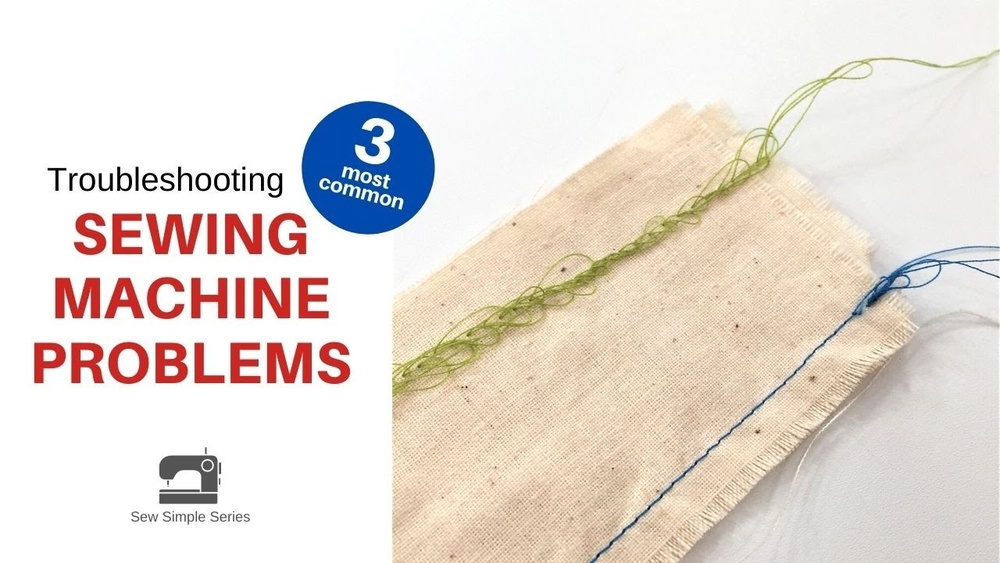
Thread tension issues are common in sewing machines. They affect stitch quality and fabric appearance. Proper tension keeps stitches even and secure. Too tight or loose tension causes problems. Knowing how to spot and fix tension issues saves time and frustration.
Signs Of Incorrect Tension
Uneven stitches show wrong tension. Loops on the fabric’s top or bottom surface appear. Thread may break often or bunch up. Fabric puckering or pulling happens. Stitches look loose or tight in places. These signs mean tension needs adjusting.
Adjusting Upper Thread Tension
Locate the tension dial on your machine. Turn it slightly to increase or decrease tension. Test stitches on scrap fabric each time. Tighten tension if stitches loop on fabric bottom. Loosen tension if thread breaks or puckers fabric. Small changes make a big difference.
Fixing Bobbin Thread Tension
Bobbin tension affects stitches too. Remove the bobbin case carefully. Check the thread path for tangles or damage. Adjust the small screw on the bobbin case slightly. Test stitches after each adjustment. Correct bobbin tension balances upper thread tension. It keeps stitches neat and strong.
Needle Problems
Sewing machine needle problems cause many common issues. These problems affect stitch quality and fabric handling. Knowing how to manage needle problems helps keep your machine running smoothly.
Needles wear out, bend, or break. Wrong needle choice can cause skipped stitches or fabric damage. Understanding needle care can save time and effort.
Choosing The Right Needle
Select a needle based on fabric type and thread size. Thin needles work best for lightweight fabrics. Heavy fabrics need thicker, stronger needles. Match needle size to thread thickness for smooth stitching. Using the wrong needle causes skipped stitches and holes.
Replacing Bent Or Dull Needles
Bent needles cause uneven stitching and fabric damage. Dull needles pull or snag fabric. Replace needles after about 8 hours of sewing. Change needles immediately if you see bending or dullness. Fresh needles improve stitch quality and protect fabric.
Avoiding Needle Breakage
Needle breakage can stop your project suddenly. Avoid forcing thick fabric through the machine. Lower the presser foot gently on fabric. Use the right needle for your fabric type. Tighten the needle clamp securely before sewing. Slow your sewing speed to prevent needle damage.
Thread Breakage
Thread breakage is a common issue that stops your sewing project. It can slow down your work and cause frustration. Understanding why thread breaks helps fix the problem fast. This section covers common causes, proper threading, and using good thread.
Common Causes
Thread breaks because of tension that is too tight. Old or weak thread can snap easily. Dirt or lint in the machine can catch the thread. Needles that are bent or dull also cause breaks. Thread not matching the fabric weight may break often.
Proper Threading Techniques
Thread the machine carefully to avoid snapping. Follow the machine’s path exactly. Make sure the thread passes through all guides and tension discs. Pull the thread gently without forcing it. Check the bobbin is inserted correctly and wound evenly.
Using Quality Thread
Cheap thread often breaks more. Use good quality thread made for your fabric type. Cotton or polyester thread works well for most projects. Store thread in a dry place to keep it strong. Replace thread that looks old or fuzzy.

Credit: www.allfreesewing.com
Fabric Jamming
Fabric jamming is a common problem in sewing machines. It happens when fabric gets stuck inside the machine. This stops the machine from sewing properly. Jamming can damage your fabric and machine parts. It can make sewing frustrating and slow.
Understanding how to clear jammed fabric and prevent jams helps keep sewing smooth. Small adjustments can avoid big troubles.
Clearing Jammed Fabric
Turn off the sewing machine first. Remove the fabric gently to avoid tearing. Open the bobbin case and check for stuck threads. Use tweezers or a small brush to clean out lint and thread pieces. Do not force the fabric out. Take time to clear all trapped material.
Adjusting Feed Dogs
Feed dogs move fabric through the machine. If they are too low, fabric can jam. Raise the feed dogs to the correct height. Check your machine manual for instructions. Proper feed dog height helps fabric feed smoothly. This reduces the chance of jamming during sewing.
Preventing Future Jams
Use the right needle for your fabric type. Keep your machine clean and oiled. Remove lint regularly from the feed dogs and bobbin area. Avoid pulling fabric while sewing. Let the feed dogs do the work. Sew slowly on tricky fabrics to prevent jams.
Skipped Stitches
Skipped stitches are a common sewing machine problem. They happen when the machine misses some stitches while sewing. This can make your fabric weak or look messy. Understanding why skipped stitches occur helps fix the issue fast. It also keeps your sewing projects neat and strong.
Identifying The Problem
Skipped stitches show as gaps in your stitching line. The thread may look loose or uneven. Sometimes the needle leaves holes without thread loops. This usually means the needle is not catching the thread properly. Check your stitch samples before starting your project. Look closely for missing stitches or uneven patterns.
Correcting Needle And Thread Issues
A bent or dull needle often causes skipped stitches. Replace the needle with a new one for smooth sewing. Use the right needle size for your fabric type. Thin fabrics need small needles; thick fabrics need bigger ones. Thread quality matters too. Use good thread that fits your fabric and needle. Avoid old or tangled thread to prevent problems.
Maintaining The Machine
Clean your sewing machine regularly to avoid skipped stitches. Dust and lint can block the needle or thread path. Oil the moving parts as per the manual instructions. Check the machine timing and tension settings often. Proper maintenance keeps the machine running smoothly. This helps prevent skipped stitches and other issues.
Machine Not Sewing
Sewing machines sometimes stop sewing suddenly. This problem can confuse many users. The machine may run but not stitch fabric. Several reasons cause this issue. Checking basic parts first can save time and money.
Checking Power And Connections
First, ensure the machine is plugged in properly. Loose plugs cause no power to the machine. Check the power switch; it must be on. Look for any damaged cords or wires. Faulty power supply stops the machine from working. Test the outlet with another device to be sure.
Inspecting Foot Pedal
The foot pedal controls the sewing speed. If the machine runs but does not sew, check the pedal. Look for cracks or broken parts. Make sure the pedal is firmly connected to the machine. Try pressing the pedal gently. No response means the pedal might be faulty.
Examining Internal Components
Inside the machine, parts can get stuck or broken. Remove the needle plate and clean lint or dust. Check the bobbin case for proper placement. Look if the needle moves when you press the pedal. Sometimes, the motor or gears wear out. These parts need repair or replacement by a professional.
Noisy Operation
Sewing machines should run smoothly and quietly. A noisy operation can signal trouble. It may disrupt your work and cause frustration. Noise often means parts need care or adjustment. Addressing the noise early saves time and money.
Lubrication Tips
Many sewing machines need regular oiling. Lack of lubrication causes friction and noise. Use sewing machine oil only. Avoid household oils that can damage parts. Apply oil to moving parts as the manual suggests. A few drops go a long way. Do not over-oil, as it attracts dirt.
Cleaning Dust And Lint
Dust and lint build-up cause rough sounds. Clean your machine after every project. Use a small brush or a soft cloth. Remove lint from the bobbin area and feed dogs. Avoid compressed air, which can push dirt deeper. Regular cleaning keeps your machine quiet and efficient.
When To Call A Technician
Persistent noise needs expert help. Strange grinding or rattling might mean broken parts. Do not try to fix complex issues yourself. Call a technician for thorough inspection and repair. Professional service ensures safety and long machine life.
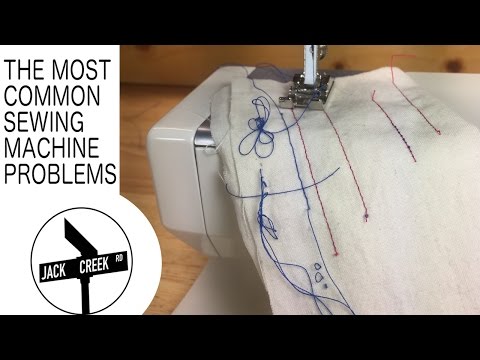
Credit: www.youtube.com
Frequently Asked Questions
Why Is My Sewing Machine Needle Breaking Frequently?
Needle breakage often happens due to incorrect needle type or size. Also, sewing over thick fabric or hitting a pin can cause breaks. Always use the right needle for your fabric and replace bent or dull needles promptly to avoid damage.
How Do I Fix Thread Bunching Under Fabric?
Thread bunching, or birdnesting, usually occurs from incorrect threading or tension issues. Re-thread the machine carefully and check the bobbin installation. Adjust the tension settings gradually until the stitches look even and smooth on both sides.
What Causes Uneven Or Skipped Stitches?
Uneven or skipped stitches can result from a dull needle or improper needle insertion. Using the wrong needle for your fabric also causes skipped stitches. Ensure the needle is sharp, correctly positioned, and compatible with your material for smooth stitching.
Why Won’t My Sewing Machine Feed Fabric Properly?
Fabric feeding problems often arise from a dirty or damaged feed dog. Clean the feed dogs regularly and check for damage. Also, ensure the presser foot pressure suits your fabric type to help the machine pull fabric evenly during sewing.
Conclusion
Sewing machine problems can slow down your projects. Simple fixes often solve common issues quickly. Keeping your machine clean helps avoid many troubles. Regular checks prevent thread jams and uneven stitches. Using the right needle and thread matters a lot.
Don’t ignore strange noises or skipped stitches. Small steps keep your machine working well. Sewing becomes easier when your machine runs smoothly. Stay patient and fix problems as they come. Happy sewing!