What Sewing Machine Brand Is Most Reliable? Bernina, Janome, Juki
Bernina, Janome, and Juki sit at the top of reliability rankings, with Bernina leading for long-term durability. Janome is the most reliable choice for most home sewers, because its mechanical models need the least servicing. Juki wins if you sew heavy fabric daily, since its straight-stitch machines are built for industrial-level hours.
What makes a sewing machine reliable
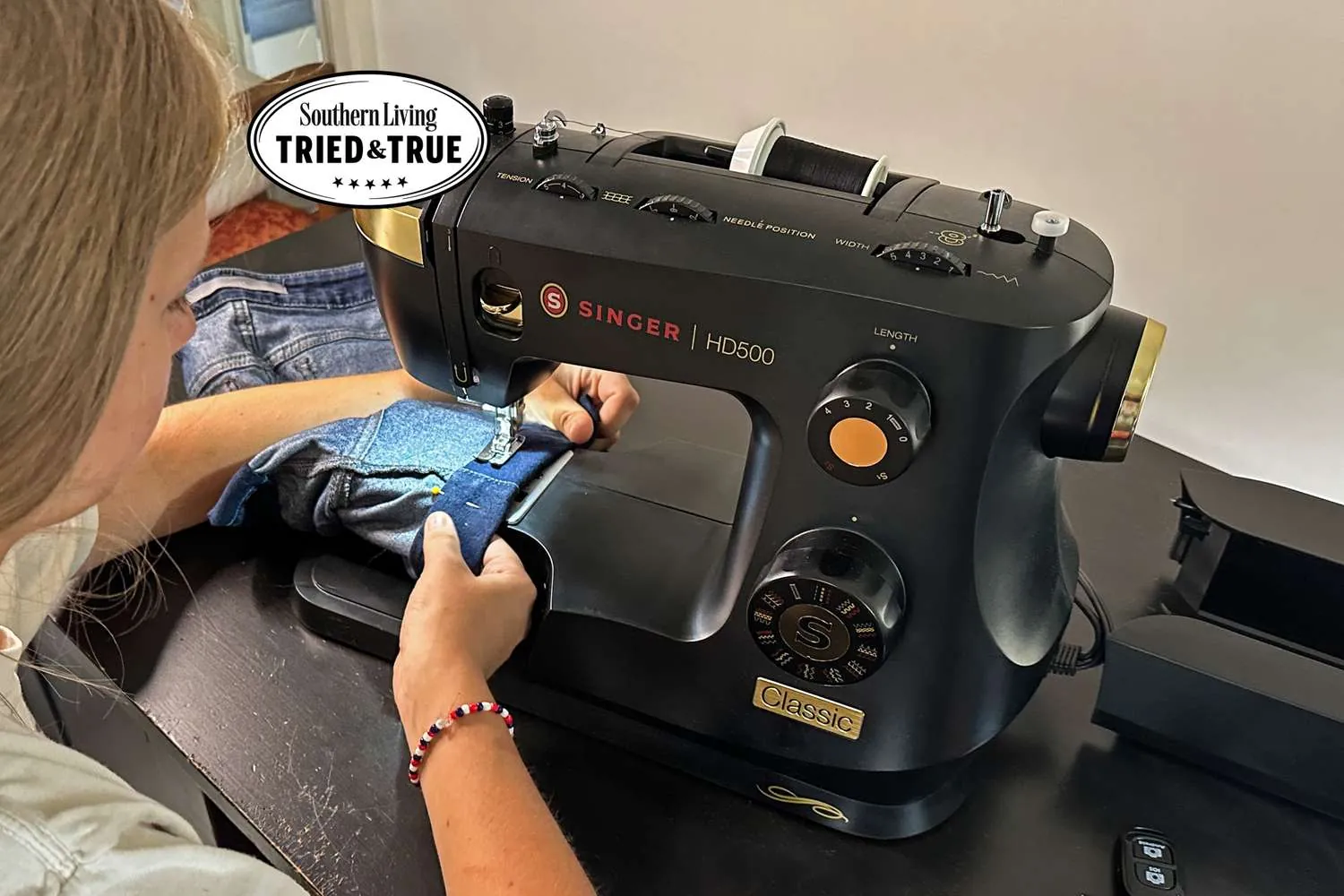
Reliability comes down to three things: metal internal parts, a simple stitch mechanism, and parts you can still buy in ten years. A machine with plastic gears in the drive train wears faster under load, no matter what brand name is on the case.
Brand matters less than the model line inside that brand. Every big maker sells a cheap line and a serious line. An inexpensive machine from a good brand is still an inexpensive machine, and it’ll struggle with denim or leather.
Servicing keeps a machine alive. Bernina, Janome, Juki, and Brother all publish service intervals in their manuals, and most home machines want a check-up every 1-2 years of regular use. Skip that, and even a great machine starts skipping stitches.
The U.S. Consumer Product Safety Commission tracks recalls by brand and model, so you can check any machine you’re considering before you buy it.
The short version
- Janome — best all-round reliability for home sewing; mechanical models like the HD series need the fewest repairs.
- Bernina — best long-term build quality; metal frames and strong resale value, but servicing costs more.
- Juki — best for heavy fabric and daily straight stitching; industrial-style mechanisms.
- Brother — most reliable at low prices; computerized models are fine, but plastic parts wear under thick fabric.
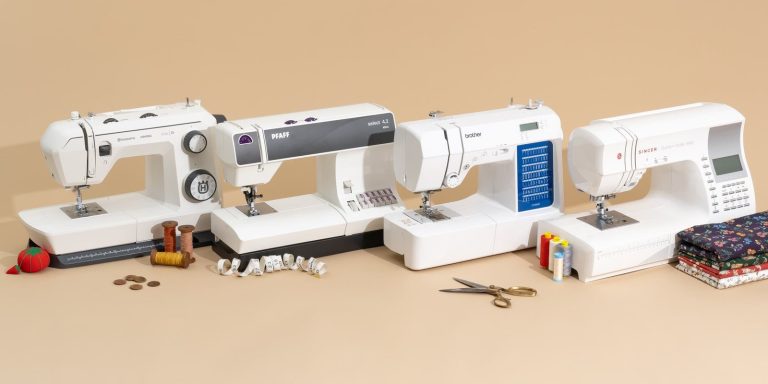
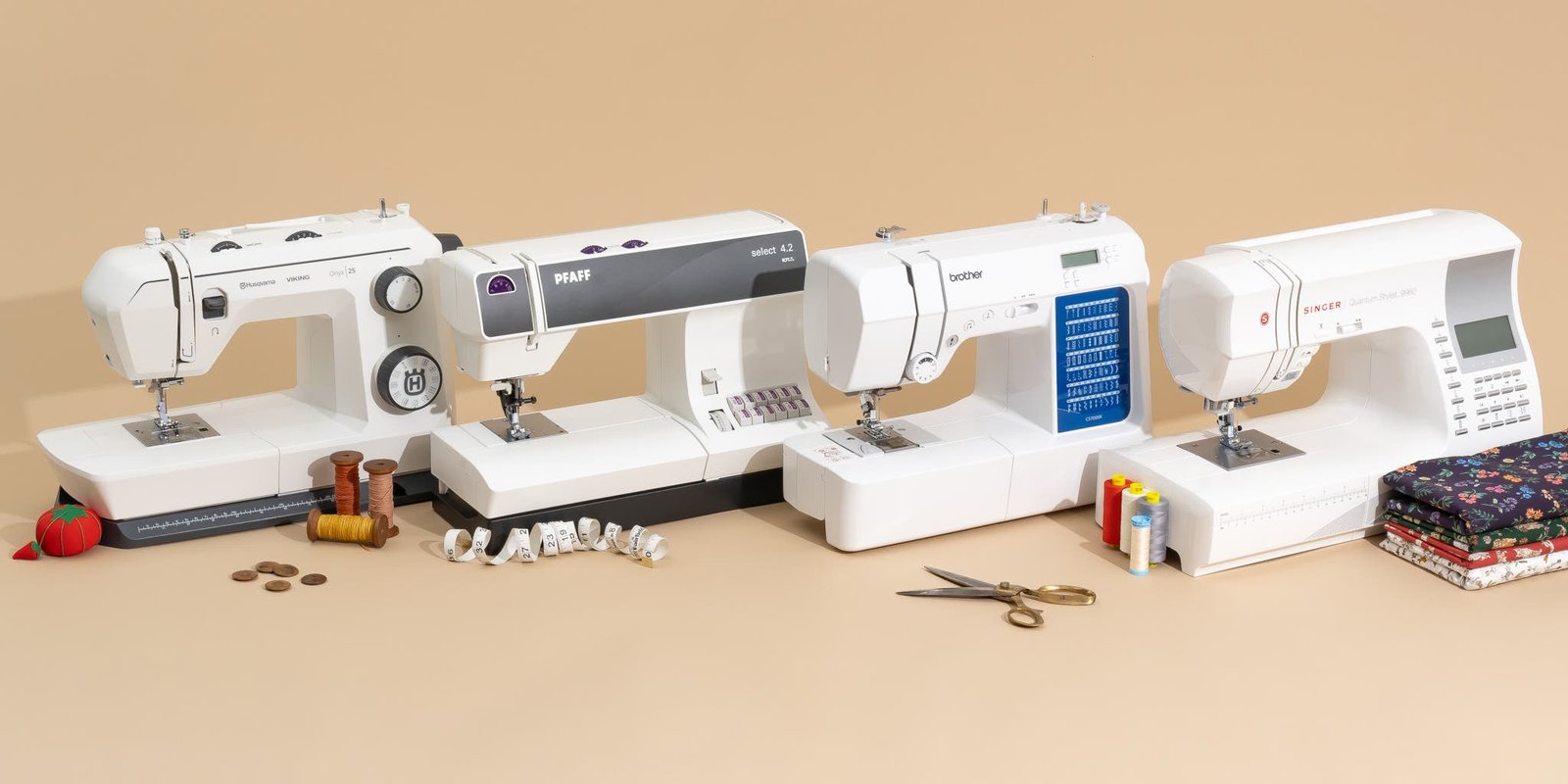
- Pfaff and Husqvarna Viking — solid mid-to-high range, but dealer network is thinner, so repairs take longer.
- The real rule — a $400+ mechanical machine from any of these brands outlasts a $200 computerized one.
Why brand names don’t tell the whole story
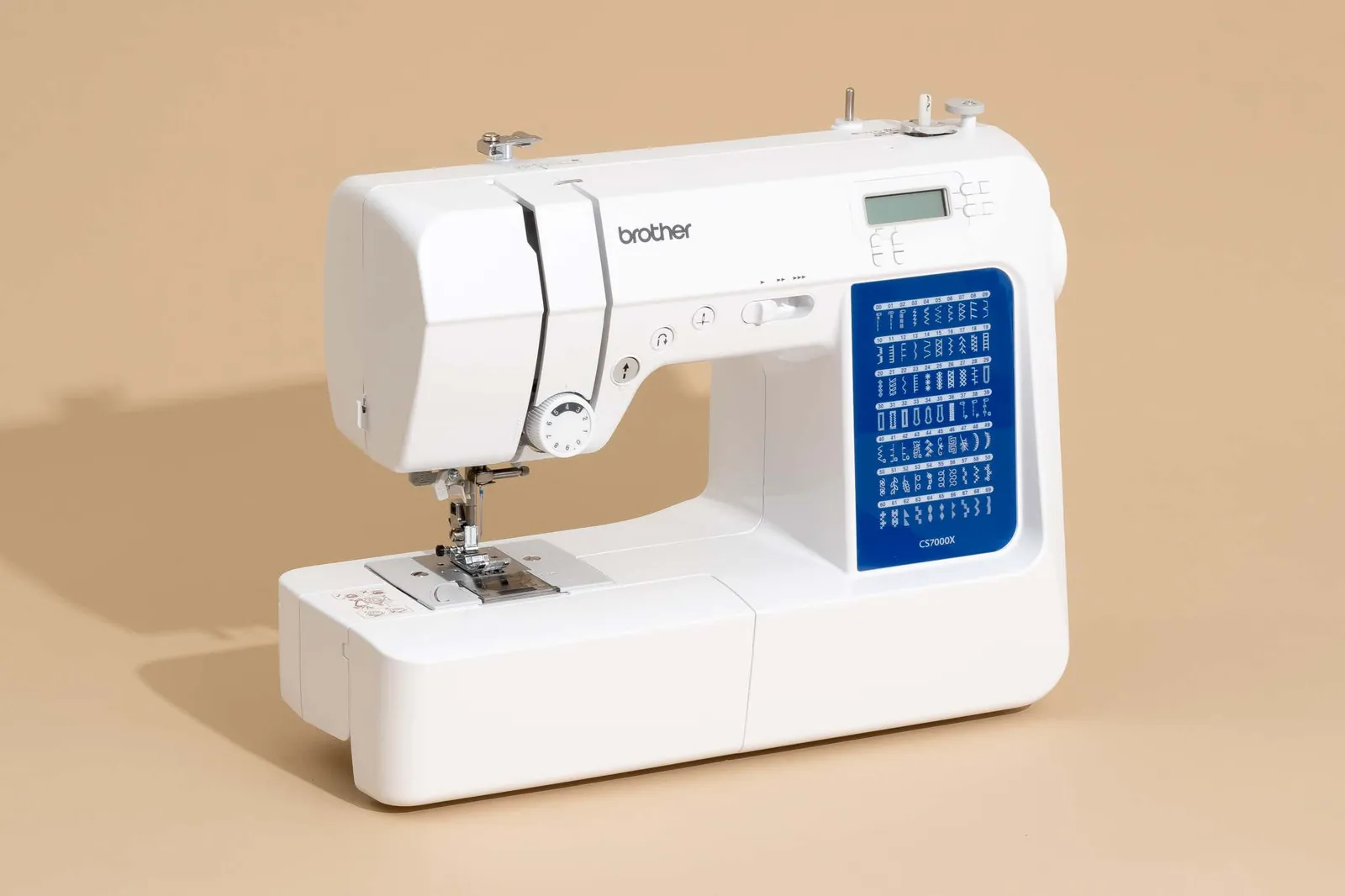
A brand is a company, not a factory. The same brand can sell a machine built in Japan and another built elsewhere, with different parts inside. That’s why two Janomes ten years apart can feel like different machines.
The mechanism decides most of it. A mechanical machine has fewer electronic parts, so there’s less to fail. Computerized machines add a circuit board, a screen, and sensors. Those are reliable, but they’re the parts that cost the most to replace when they go.
Stitch count matters too. A machine with 200 decorative stitches has more moving parts than one with 20. More parts means more chances for something to wear out. If you mostly sew straight seams and zigzag, you’re paying for complexity you don’t need.
Heavy fabric is where cheap machines die. Feeding denim, canvas, or upholstery cloth puts load on the gears and motor. Plastic gears strip under that load. Metal gears don’t. This is the single biggest difference between a machine that lasts and one that doesn’t.
When the answer changes
| Situation | What changes | What to do instead |
|---|---|---|
| You sew daily, 2+ hours | Wear happens fast | Buy Juki or Bernina |
| You sew twice a month | Any major brand works | Janome mechanical model |
| You quilt large projects | Needs a big throat space | Janome or Bernina quilting line |
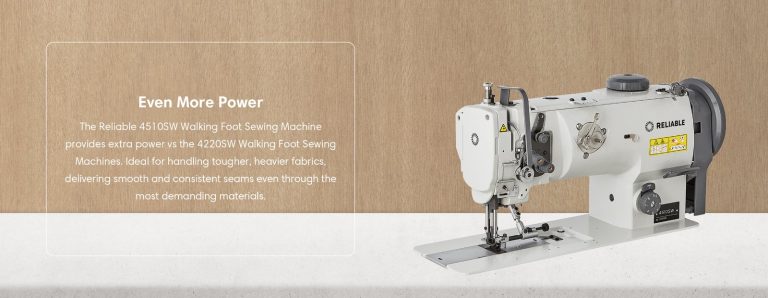
| You sew leather or canvas | Plastic gears strip | Juki industrial-style machine |
| You want embroidery too | More electronics, more repairs | Brother or Bernina, with warranty |
| No dealer near you | Repairs take weeks | Brother, sold in big-box stores |
How to judge a machine before you buy
- Check the weight. A machine under 12 pounds is mostly plastic inside. Heavier machines, roughly 20 pounds and up, usually have a metal frame and gears. Pick it up before you buy.
- Read which parts are excluded, because labor is the cost that hurts.
- Look for a dealer within 30 miles. Servicing means driving the machine in. If the nearest dealer is 3 hours away, a brand with a big-box presence serves you better.
- Test it on your own fabric. Bring a square of the thickest cloth you sew. If the machine stalls or skips, it won’t improve at home. Test 3 layers of denim, not one.
- Check the bobbin system. Top-loading bobbins are easier to clean and less prone to jamming. Front-loading bobbins are fine, but they need more careful threading.
- Confirm parts availability. Search the model number plus “presser foot” and “bobbin case.” If parts are scarce now, they’ll be gone in 5 years. Current models have the best supply.
- Read the manual’s service interval. Most brands state a service check every 12-24 months of regular use. If the manual doesn’t say, ask the dealer in writing.
- Buy from a dealer, not a marketplace. Gray-market machines often have no local warranty. Ask if the warranty is honored in your country before you pay.
Mistakes that ruin a good machine
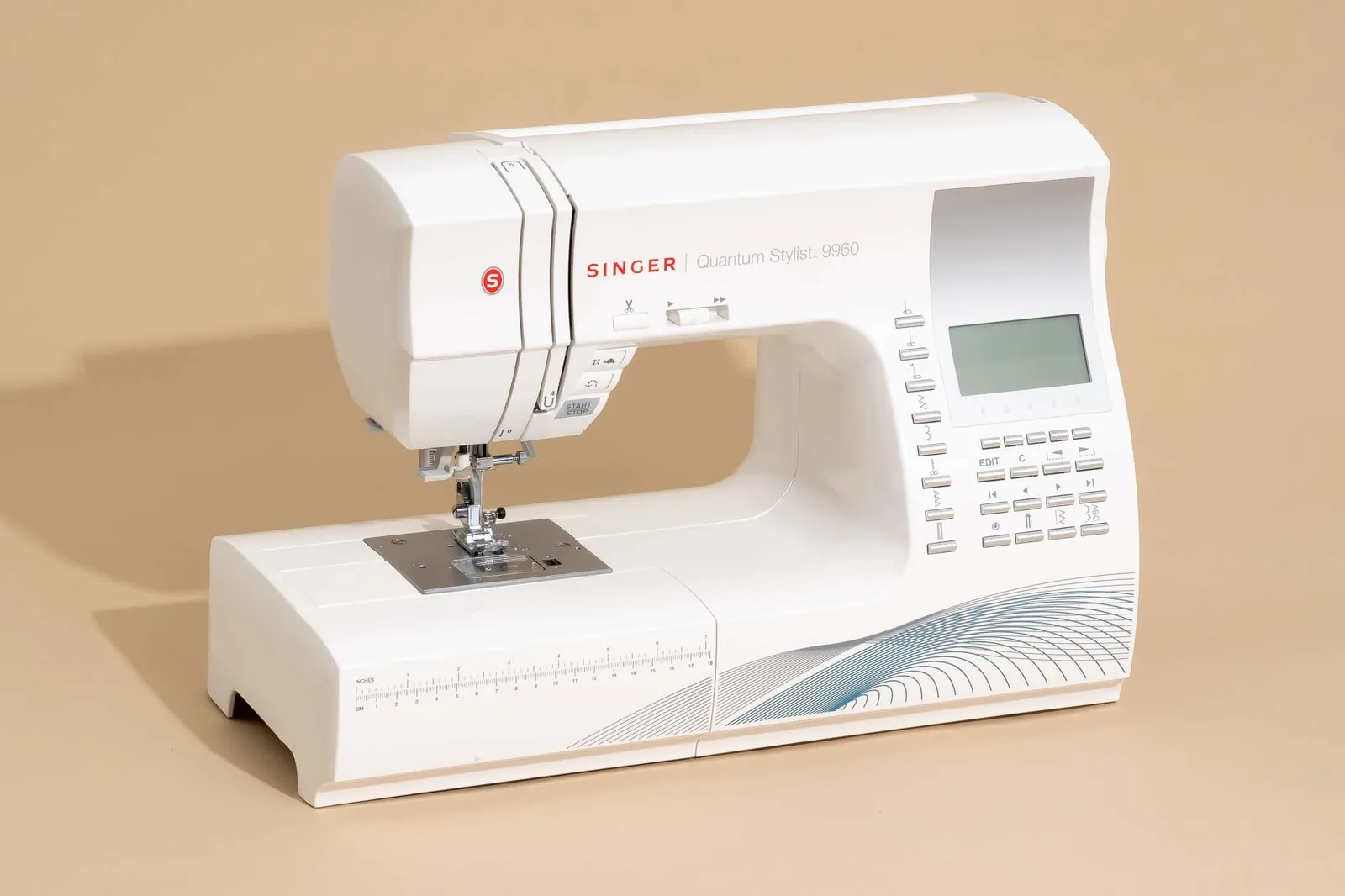
- Skipping the service check. Dust and lint build up inside, the timing drifts, and stitches skip. An inexpensive service prevents a far costlier repair.
- Using the wrong needle for the fabric. A sharp needle on knit fabric cuts threads instead of sliding between them, so seams pop. Match the needle type to the cloth.
- Winding the bobbin wrong. An uneven bobbin makes the tension jump around, and people then “fix” it by turning the tension dial, which makes it worse.
- Forcing thick fabric through. Pushing the cloth bends the needle and knocks the timing out. Let the feed dogs move the fabric, and use a walking foot for thick layers.
- Storing it uncovered in a dusty room. Lint and dust settle into the gears. A simple cover, or the hard case it came in, adds years.
Frequently asked questions
What sewing machine brand is most reliable?
Janome, Bernina, and Juki are the most reliable brands overall. Janome leads for home sewing because its mechanical models have the fewest electronic parts to fail. Bernina leads for build quality and resale value. Juki leads for heavy fabric and daily use. Any of the three beats a cheaper machine from a lesser brand.
How long should a sewing machine last?
A well-maintained mechanical machine lasts a long time, and some run far longer. A computerized model typically gives fewer years, because the circuit board is the weak point. Servicing every 12-24 months of regular use is what gets you to the top of that range. Cheap machines often fail early.
Is Brother as reliable as Janome?
Yes, at the same price point. Brother and Janome both build solid machines, and reliability tracks price more than brand. An inexpensive Brother lasts as long as an inexpensive Janome. At the higher end, Janome and Bernina pull ahead on metal parts and stitch quality. At the low end, both are limited.
Can I fix a sewing machine myself?
Only simple things: cleaning lint, changing the needle, rethreading, and adjusting top tension. Anything inside the housing, including the timing, the gears, or the motor, needs a technician. Opening the case yourself can void the warranty, and the machine holds spring-loaded parts that are easy to bend.
Does a more expensive machine last longer?
Usually, yes, up to a point. Price buys metal gears, a stronger motor, and better tolerances. A pricier machine typically outlasts a cheaper one by years. Past the high end, you’re paying for features and stitch quality more than for extra lifespan. Match the price to how often you actually sew.
How often does a sewing machine need servicing?
Every 12-24 months of regular use, depending on how much you sew. Heavy daily sewing means every 12 months. Light use, a few hours a month, can stretch to 2-3 years. Your manual states the interval for your model, and it’s the figure to follow.
What happens if I never service my machine?
Stitches start skipping, tension drifts, and the machine gets noisy. Lint and dried oil bind the moving parts, which puts strain on the motor. Left long enough, the timing goes out and the repair costs more than the service would have. It’s the most common way a good machine dies early.
Is it safe to buy a used sewing machine?
Yes, if you test it first. Bring fabric, sew a straight seam and a zigzag, and listen for grinding or knocking. Check that the needle bar isn’t bent and the bobbin case turns freely. Ask for the service history. A used Bernina or Janome with records often beats a new budget machine.
The brand gets you a good starting point, but the model line, the internal parts, and your own servicing habits decide how long the machine actually runs. Pick a mechanical Janome for general sewing, a Bernina if you want one machine for decades, or a Juki if heavy fabric fills your table. Then check the manual’s service interval, keep the machine covered, and use the right needle for each fabric. Start with the manual’s service interval and build the habit from there.
Conclusion
Take your fabric to a dealer and test a few models yourself. You’ll feel which one suits your hands and habits, and that’s what really matters over years of sewing. Pick the machine you’ll enjoy using, and you won’t regret it.
{“@context”:”https://schema.org”,”@type”:”FAQPage”,”mainEntity”:[{“@type”:”Question”,”name”:”What sewing machine brand is most reliable?”,”acceptedAnswer”:{“@type”:”Answer”,”text”:”Janome, Bernina, and Juki are the most reliable brands overall. Janome leads for home sewing because its mechanical models have the fewest electronic parts to fail. Bernina leads for build quality and resale value. Juki leads for heavy fabric and daily use. Any of the three beats a cheaper machine from a lesser brand.”}},{“@type”:”Question”,”name”:”How long should a sewing machine last?”,”acceptedAnswer”:{“@type”:”Answer”,”text”:”A well-maintained mechanical machine lasts a long time, and some run far longer. A computerized model typically gives fewer years, because the circuit board is the weak point. Servicing every 12-24 months of regular use is what gets you to the top of that range. Cheap machines often fail early.”}},{“@type”:”Question”,”name”:”Is Brother as reliable as Janome?”,”acceptedAnswer”:{“@type”:”Answer”,”text”:”Yes, at the same price point. Brother and Janome both build solid machines, and reliability tracks price more than brand. An inexpensive Brother lasts as long as an inexpensive Janome. At the higher end, Janome and Bernina pull ahead on metal parts and stitch quality. At the low end, both are limited.”}},{“@type”:”Question”,”name”:”Can I fix a sewing machine myself?”,”acceptedAnswer”:{“@type”:”Answer”,”text”:”Only simple things: cleaning lint, changing the needle, rethreading, and adjusting top tension. Anything inside the housing, including the timing, the gears, or the motor, needs a technician. Opening the case yourself can void the warranty, and the machine holds spring-loaded parts that are easy to bend.”}},{“@type”:”Question”,”name”:”Does a more expensive machine last longer?”,”acceptedAnswer”:{“@type”:”Answer”,”text”:”Usually, yes, up to a point. Price buys metal gears, a stronger motor, and better tolerances. A pricier machine typically outlasts a cheaper one by years. Past the high end, you’re paying for features and stitch quality more than for extra lifespan. Match the price to how often you actually sew.”}},{“@type”:”Question”,”name”:”How often does a sewing machine need servicing?”,”acceptedAnswer”:{“@type”:”Answer”,”text”:”Every 12-24 months of regular use, depending on how much you sew. Heavy daily sewing means every 12 months. Light use, a few hours a month, can stretch to 2-3 years. Your manual states the interval for your model, and it’s the figure to follow.”}},{“@type”:”Question”,”name”:”What happens if I never service my machine?”,”acceptedAnswer”:{“@type”:”Answer”,”text”:”Stitches start skipping, tension drifts, and the machine gets noisy. Lint and dried oil bind the moving parts, which puts strain on the motor. Left long enough, the timing goes out and the repair costs more than the service would have. It’s the most common way a good machine dies early.”}},{“@type”:”Question”,”name”:”Is it safe to buy a used sewing machine?”,”acceptedAnswer”:{“@type”:”Answer”,”text”:”Yes, if you test it first. Bring fabric, sew a straight seam and a zigzag, and listen for grinding or knocking. Check that the needle bar isn’t bent and the bobbin case turns freely. Ask for the service history. A used Bernina or Janome with records often beats a new budget machine. The brand gets you a good starting point, but the model line, the internal parts, and your own servicing habits decide how long the machine actually runs. Pick a mechanical Janome for general sewing, a Bernina if you want one machine for decades, or a Juki if heavy fabric fills your table. Then check the manual’s service interval, keep the machine covered, and use the right needle for each fabric. Start with the manual’s service interval and build the habit from there.”}}]}