Which Type of Sewing Machine Is Best? Computerized vs Mechanical
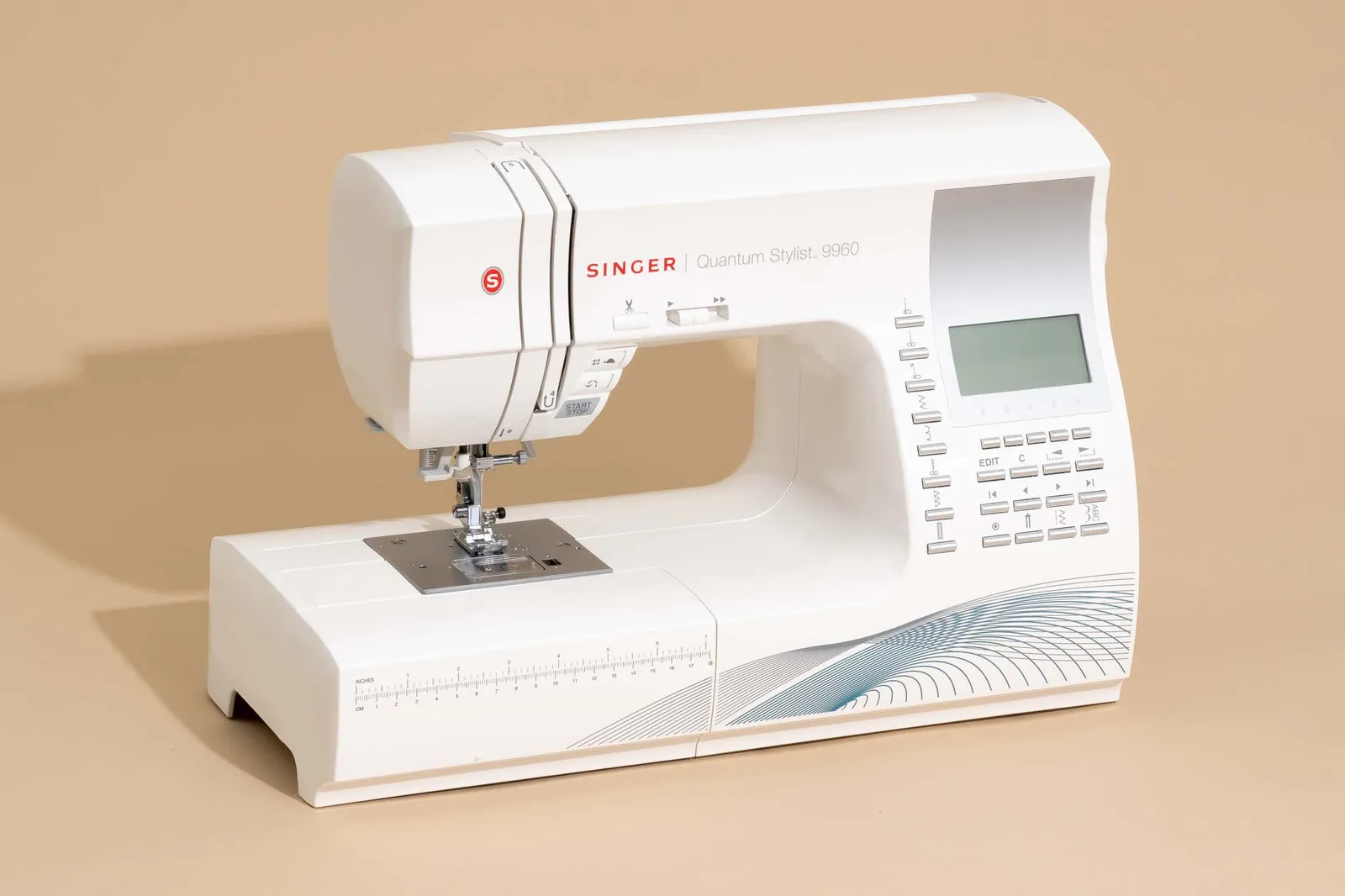
For most people, a computerized sewing machine is the best type. It handles straight seams, buttonholes and zigzag stitches without extra parts, so one machine covers clothes, curtains and repairs. If you only ever hem flat fabric and never sew stretchy material, a mechanical machine does the same job for less money.
The short answer in plain terms

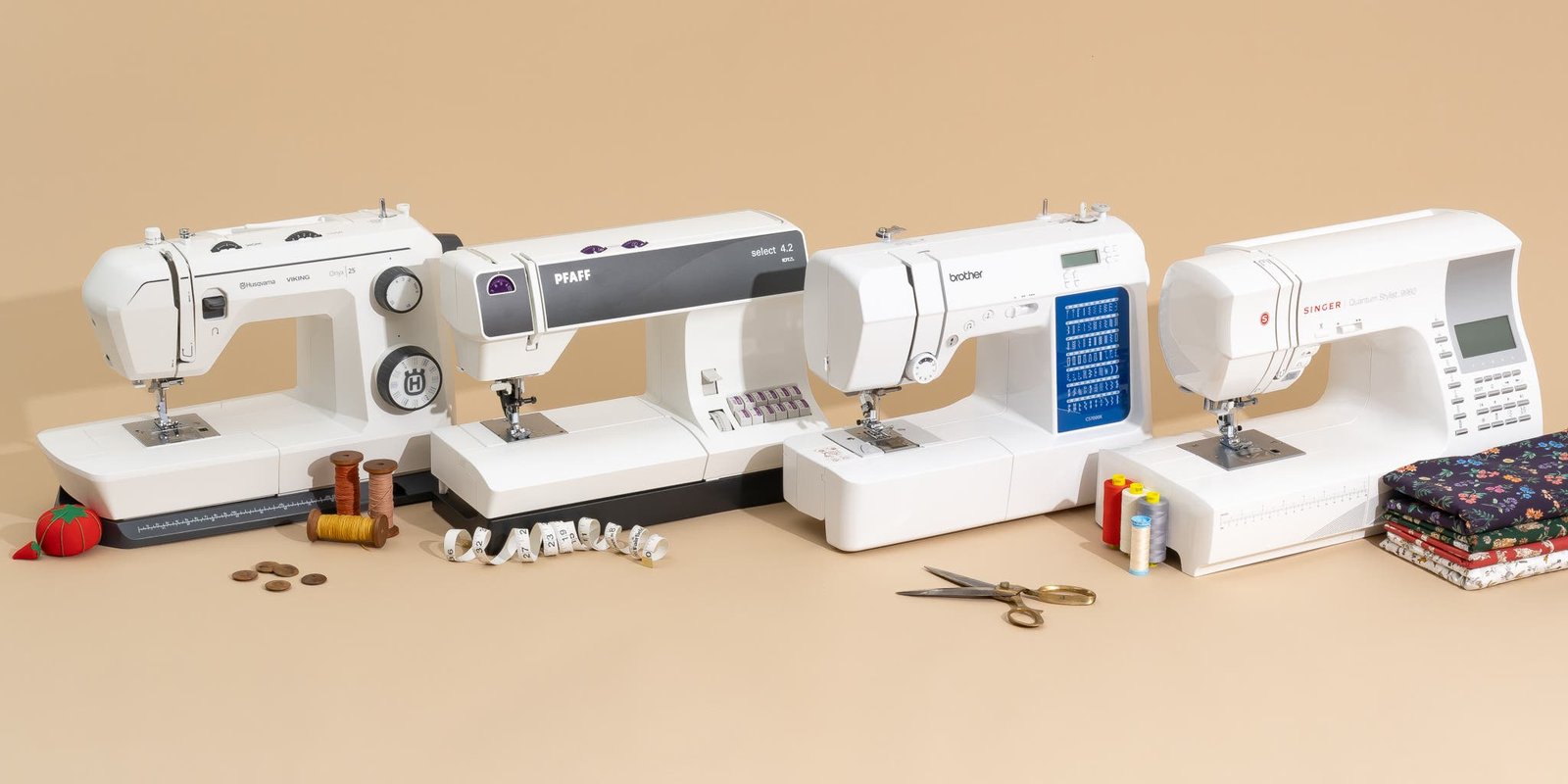
- Computerized machine — best all-round pick for a home sewer. Stitch selection is built in, so you don’t buy attachments for buttonholes or stretch stitches.
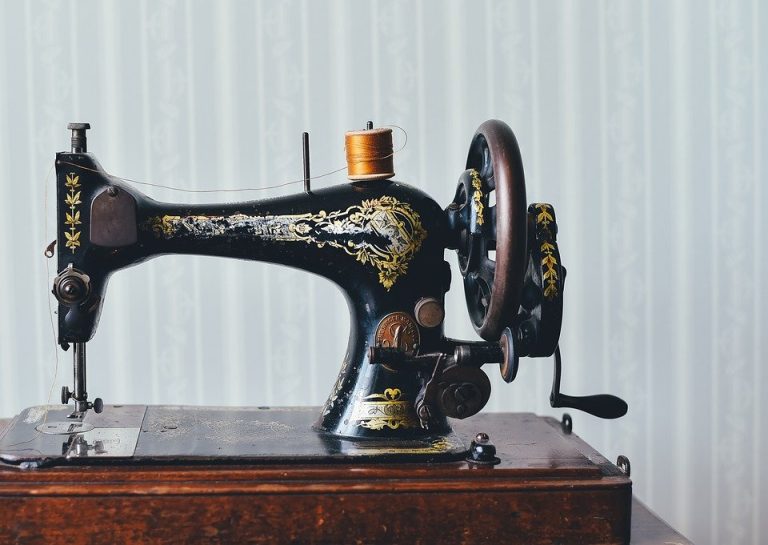
- Mechanical machine — best if your budget is tight and you only sew woven cotton or linen. Fewer parts, fewer repairs.
- Serger (overlocker) — not a replacement. It trims and finishes edges, but it can’t sew a straight seam on its own.
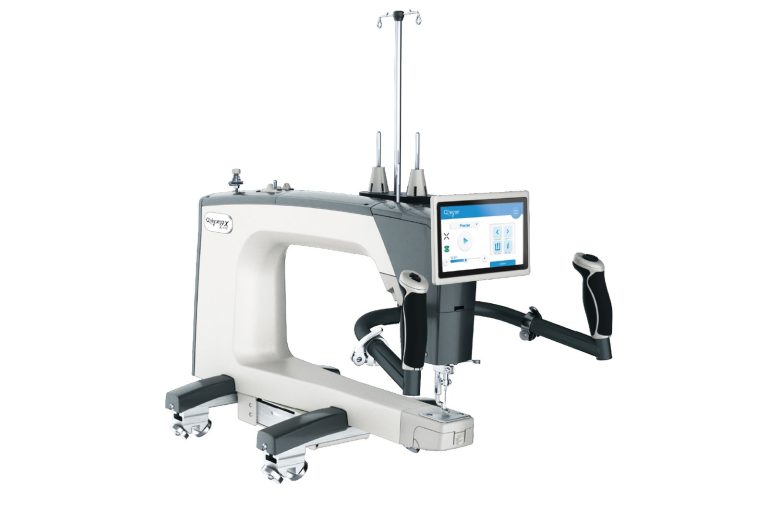
- Quilting machine — worth it only if your throat space matters. A wide throat (around 8–11 inches) fits a rolled quilt; a standard machine fights you.
- Embroidery machine — a separate purchase. It stitches designs from a file, not seams.
- Heavy fabric — check the motor and the needle system, not the stitch count. Denim and canvas need a strong feed, not 200 stitches.
Why stitch type decides the machine
A stitch is made by a needle pushing thread through fabric, a hook catching that thread underneath, and a feed dog pulling the fabric forward. A mechanical machine does this with gears and cams, so the stitch pattern is fixed by the parts inside. A computerized machine does the same job with a motor and a circuit board, which is why it can change stitch width, length and pattern from a keypad.
This is the real difference between the two types. It’s not quality — it’s flexibility. A mechanical machine sews a straight stitch and a zigzag beautifully. It just can’t give you a one-step buttonhole or a stretch stitch without you swapping cams or dials. A computerized machine stores those settings, so the buttonhole comes out the same size every time.
Stretch fabric is where this shows up most. Knit fabric stretches as you sew, and a straight stitch snaps when the fabric moves. You need a narrow zigzag or a built-in stretch stitch, which most computerized machines have at the touch of a button. On a basic mechanical machine, you set the zigzag by hand and hope the length is right.
The motor and frame matter more than the stitch count for heavy work. A machine rated for denim has a stronger motor and a metal frame; a light plastic machine with 60 stitches will still stall on four layers of canvas. Check the manual for the fabric weight the maker lists, not the number on the box.
The U.S. Consumer Product Safety Commission publishes recalls for sewing machines and their foot controls, so it’s worth a check before you buy any used model.
When a different machine fits better
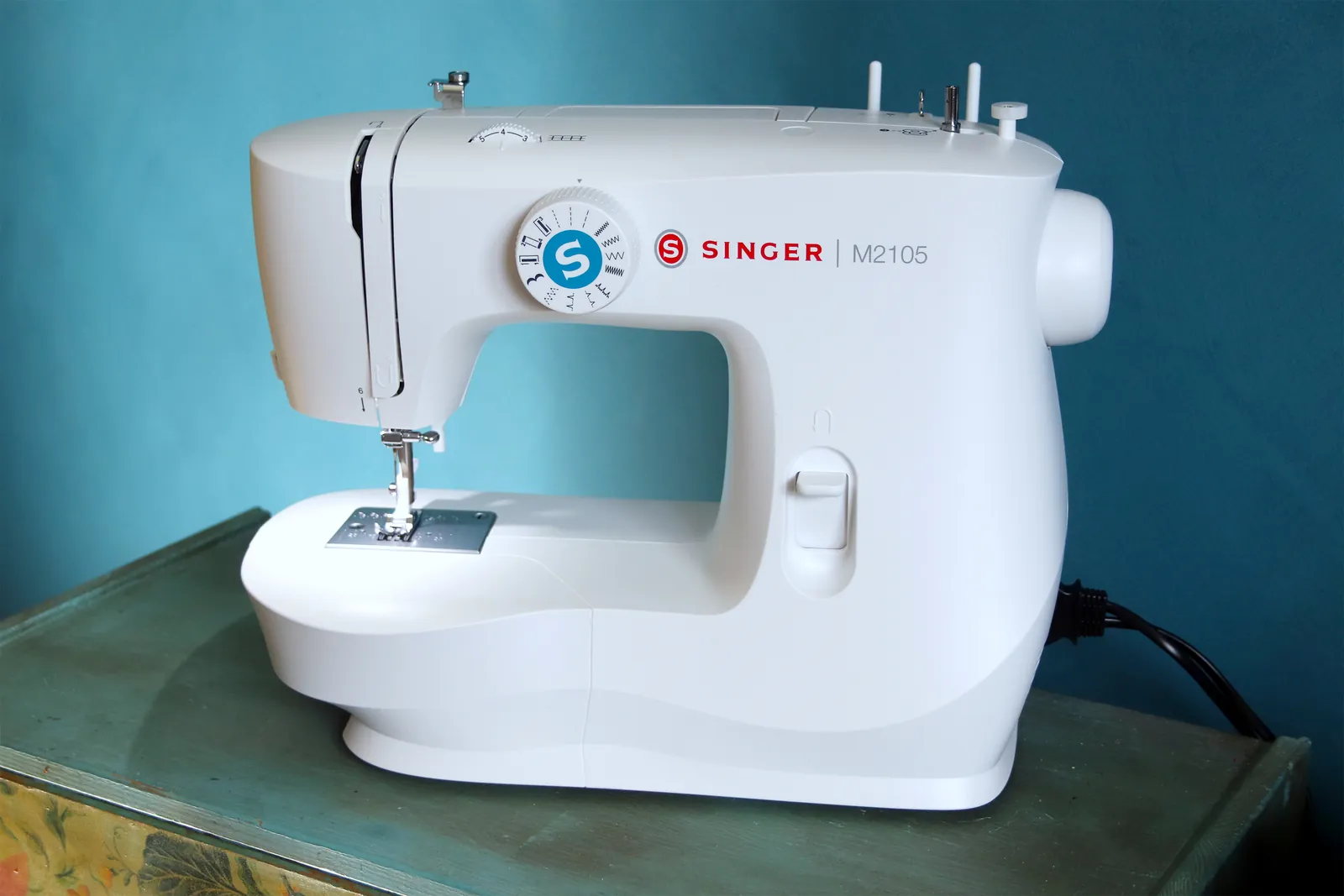
The simple answer changes once your fabric, your space or your budget changes. A quilter needs throat space. Someone sewing swimwear needs a serger for the edges. A beginner on a tight budget is often better off with a solid mechanical machine than a cheap computerized one with a fragile board.
| Situation | What changes | What to do instead |
|---|---|---|
| You only sew cotton and linen | Stretch stitches aren’t needed | Buy a mechanical machine |
| You sew knits and swimwear | Edges need finishing too | Add a serger |
| You quilt large projects | Throat space limits you | Choose a wide-throat model |
| Your budget is under $150 | Computerized boards are basic | Pick mechanical, better build |
| You sew leather or canvas | Motor and feed matter | Check the maker’s fabric rating |
| You want monogramming | Stitching designs, not seams | Buy an embroidery machine |
How to pick the right one for you
- Write down the three things you’ll sew most — for example, cotton shirts, curtains and jean hems. If two of the three are stretchy or heavy, you need a machine with stretch stitches and a strong motor, not the cheapest option.
- Set your budget and split it. Spend about 70% on the machine and 30% on needles, bobbins, thread and a walking foot. A $200 machine with the right feet beats a $300 machine with none.
- Check the throat space before you buy. Measure from the needle to the right side of the machine body. Under 6 inches is tight for quilts; 8 inches or more gives you room to roll fabric.
- Test the buttonhole setting in the store or watch a demo video for that exact model. A one-step buttonhole should finish in a single pass. If it needs four passes, it’s a four-step machine.
- Confirm the needle system the machine takes. Most home machines use a flat-shank needle, but heavy fabric needs a denim or leather needle in the right size. The manual lists the sizes the maker approves.
- Mechanical machines often carry a longer warranty than computerized ones, because there’s less electronics to fail.
- Buy from a dealer who services what they sell. A machine you can’t get repaired locally becomes a paperweight, whatever the stitch count says.
Mistakes that ruin the result
- Buying by stitch count. A machine with 200 stitches and a weak motor stalls on denim. You paid for patterns you’ll never use and lost the power you needed.
- Skipping the serger when sewing knits. A sewing machine seam on stretch fabric pops the first time it’s pulled. You’ll re-sew the same hem twice.
- Ignoring throat space for quilting. A small throat means you bunch the quilt under the arm and fight every line. The quilting comes out uneven.
- Choosing the cheapest computerized model. Cheap boards and touchscreens fail first, and repairs often cost more than the machine. A solid mechanical model outlasts it.
- Never servicing the machine. Lint and old oil build up in the bobbin area, and the timing drifts. Stitches skip, and a service costs more than a yearly clean.
Frequently asked questions
Which type of sewing machine is best for beginners?
A computerized machine is best for beginners, because it sets stitch length and width for you and makes a one-step buttonhole. If your budget is tight, a mechanical machine with a good metal frame is the better buy — it’s simpler to learn on and cheaper to repair.
Can a serger replace a sewing machine?
No. A serger trims and overcasts the edge of fabric, but it can’t sew a seam in the middle of a garment or make a buttonhole. Most people who sew knits keep both: a sewing machine for the seams and a serger for the edges.
How much should I spend on a sewing machine?
A solid mechanical machine costs less than a comparable computerized one, assuming you sew clothes and home items a few times a month. The cheapest machines tend to have a plastic frame and a short warranty, while the priciest ones are built for quilting space or embroidery.
Is a computerized sewing machine worth the extra money?
Yes, if you sew buttonholes, stretch fabric or repeat projects. The machine stores the settings, so the result is the same every time. If you only sew straight seams on cotton, a mechanical machine does that job for less and has fewer parts to fail.
What machine do I need for quilting?
You need a machine with at least 8 inches of throat space and a walking foot, which feeds the quilt layers evenly. A standard machine can quilt small projects, but a large quilt bunches under a short arm. Check the throat measurement in the spec sheet.
How long does a sewing machine last?
A well-built mechanical machine can run for decades with yearly cleaning, while a computerized model often lasts 10–15 years before the electronics need work. The deciding factor is service, not the price. Check the warranty length the maker lists for the model you’re considering.
Does it matter if the machine is mechanical or computerized for heavy fabric?
Yes. Heavy fabric needs motor power and a strong feed, not stitch patterns. Check the maker’s fabric rating in the manual. If denim or canvas is on your list, pick a machine rated for it and use a denim needle in the size the manual recommends.
Can I sew leather on a home sewing machine?
Yes, but only thin garment leather, and only with a leather needle at a slow speed. Thick leather and multiple layers need an industrial machine with a walking foot. Pushing a home machine through heavy leather can bend the needle and knock the timing out.
Conclusion
Pick the machine that fits the sewing you actually do, then take a test drive before you buy. Bring a scrap of your usual fabric to the shop and try a seam. You’ll learn more in five minutes than from any spec sheet.
{“@context”:”https://schema.org”,”@type”:”FAQPage”,”mainEntity”:[{“@type”:”Question”,”name”:”Which type of sewing machine is best for beginners?”,”acceptedAnswer”:{“@type”:”Answer”,”text”:”A computerized machine is best for beginners , because it sets stitch length and width for you and makes a one-step buttonhole. If your budget is tight, a mechanical machine with a good metal frame is the better buy — it’s simpler to learn on and cheaper to repair.”}},{“@type”:”Question”,”name”:”Can a serger replace a sewing machine?”,”acceptedAnswer”:{“@type”:”Answer”,”text”:”No. A serger trims and overcasts the edge of fabric, but it can’t sew a seam in the middle of a garment or make a buttonhole. Most people who sew knits keep both: a sewing machine for the seams and a serger for the edges.”}},{“@type”:”Question”,”name”:”How much should I spend on a sewing machine?”,”acceptedAnswer”:{“@type”:”Answer”,”text”:”A solid mechanical machine costs less than a comparable computerized one, assuming you sew clothes and home items a few times a month. The cheapest machines tend to have a plastic frame and a short warranty, while the priciest ones are built for quilting space or embroidery.”}},{“@type”:”Question”,”name”:”Is a computerized sewing machine worth the extra money?”,”acceptedAnswer”:{“@type”:”Answer”,”text”:”Yes, if you sew buttonholes, stretch fabric or repeat projects. The machine stores the settings, so the result is the same every time. If you only sew straight seams on cotton, a mechanical machine does that job for less and has fewer parts to fail.”}},{“@type”:”Question”,”name”:”What machine do I need for quilting?”,”acceptedAnswer”:{“@type”:”Answer”,”text”:”You need a machine with at least 8 inches of throat space and a walking foot, which feeds the quilt layers evenly. A standard machine can quilt small projects, but a large quilt bunches under a short arm. Check the throat measurement in the spec sheet.”}},{“@type”:”Question”,”name”:”How long does a sewing machine last?”,”acceptedAnswer”:{“@type”:”Answer”,”text”:”A well-built mechanical machine can run for decades with yearly cleaning, while a computerized model often lasts 10–15 years before the electronics need work. The deciding factor is service, not the price. Check the warranty length the maker lists for the model you’re considering.”}},{“@type”:”Question”,”name”:”Does it matter if the machine is mechanical or computerized for heavy fabric?”,”acceptedAnswer”:{“@type”:”Answer”,”text”:”Yes. Heavy fabric needs motor power and a strong feed, not stitch patterns. Check the maker’s fabric rating in the manual. If denim or canvas is on your list, pick a machine rated for it and use a denim needle in the size the manual recommends.”}},{“@type”:”Question”,”name”:”Can I sew leather on a home sewing machine?”,”acceptedAnswer”:{“@type”:”Answer”,”text”:”Yes, but only thin garment leather, and only with a leather needle at a slow speed. Thick leather and multiple layers need an industrial machine with a walking foot. Pushing a home machine through heavy leather can bend the needle and knock the timing out.”}}]}