What Is the Best Sewing Machine at a Reasonable Price?
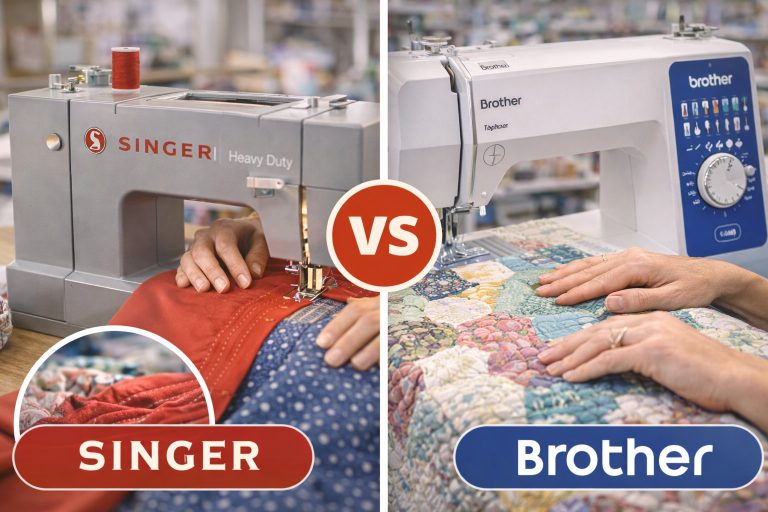
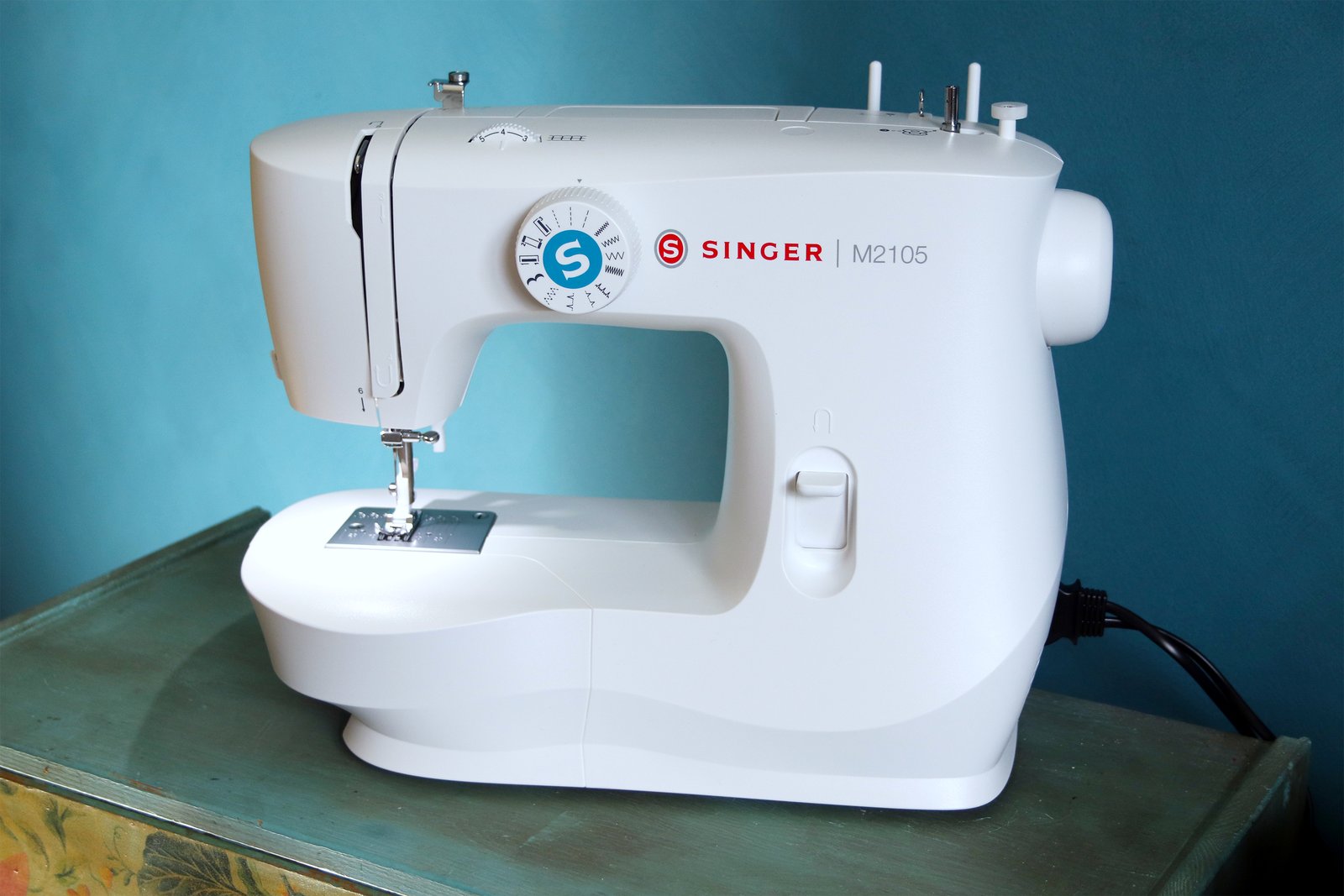
For most home sewers, the best sewing machine at a reasonable price is a mechanical model from a brand like Brother, Janome, or Singer, costing roughly $150 to $350. At that price you get a metal frame, 10 to 25 built-in stitches, a one-step buttonhole, and a drop-in bobbin. Skip anything under $100 — those plastic models skip stitches and jam.
What decides whether you’ll be happy with it
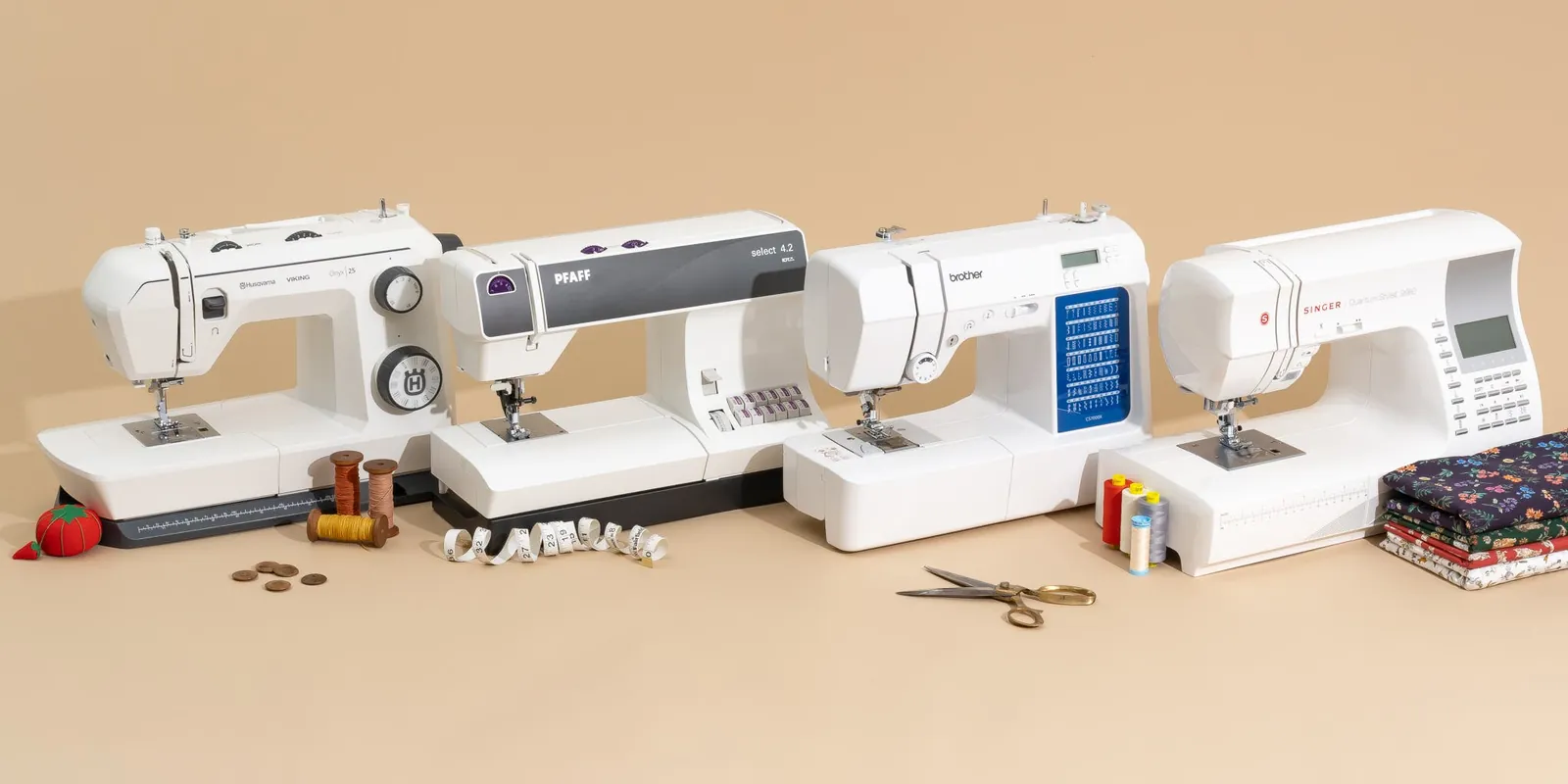
The one thing that matters most is the machine’s frame and how it feeds fabric. A metal inner frame keeps the needle aligned and stops the machine from shaking at speed. A plastic frame flexes, so stitches wobble and the timing drifts. You can’t see the frame from the box, so check the weight — a machine under 10 pounds is usually all plastic inside.
The mistake people make before they buy is chasing stitch count. A machine with 60 stitches sounds better than one with 15, but you’ll use straight, zigzag, and maybe a blind hem. Pick the sturdiest machine in your budget, then look at features.
A simple way to choose and set up your machine
- Set your real budget first. Decide the top number you’ll pay before you look, then add the cost of thread, bobbins, and needles — about $25 to $40 for a starter set. A machine that eats your whole budget leaves nothing for the parts you need on day one.
- Check the weight and frame. Pick up the machine or read the shipping weight. Aim for 12 pounds or more for a full-size home machine. Heavier means a metal frame, which holds timing better and runs quieter.
-
Confirm these five features. A drop-in bobbin (easier to load and see), a one-step buttonhole, adjustable presser foot pressure, a free arm for cuffs, and a needle threader. If a listing doesn’t mention them, it likely doesn’t have them. Tip: A front-loading bobbin (the kind in a removable case) is fine, but you’ll need to open the front cover to reach it. If you sew sitting at a table, drop-in saves you time.
-
Test the stitches in the store or on arrival. Sew on a scrap of cotton, then a scrap of denim folded double. You want even stitches with no skipped ones. If the machine skips on denim, check the needle size and threading first — and return it within the store’s window if it still skips.
-
Thread it exactly as the manual shows. The thread must sit inside the tension discs, and the presser foot must be up while you thread. Threading with the foot down leaves the discs closed, so the thread rides outside them and the stitches loop underneath. Tip: Rethread from the start rather than tugging at the thread. Pulling it deeper into the discs can stretch or fray the thread and leave it mis-seated.
-
Set tension and stitch length before you sew. Start at tension 4 and stitch length 2.5 mm for medium cotton. Adjust one setting at a time, sewing a test line after each change.
- Service it once a year. Clean lint from the bobbin area after every few projects, and have a technician oil and check the timing yearly if you sew often. Timing and motor work are technician jobs — don’t open the housing yourself.
How long a machine lasts and what repairs cost
A mechanical machine used a few hours a week usually runs 10 to 20 years before it needs major work. Electronic models with screens and auto-tension tend to fail sooner because the circuit board is the weak point.
| Situation | How long | What changes it | What to watch for |
|---|---|---|---|
| Light use, 1–2 hours a week, mechanical | 10–20 years | Dust, lint, storage | Bobbin area clogging |
| Heavy use, 10+ hours a week | 5–10 years | Motor heat, timing drift | Skipped stitches, loud noise |
| Electronic model, any use | 5–12 years | Circuit board failure | Screen faults, dead auto-tension |
| Second-hand machine, unknown history | Unknown until serviced | Prior owner’s care | Rust, missing accessories |
| First service after purchase | Within the first year | How much you sew | Loose screws, dry gears |
If your machine is taking far longer than these ranges suggest it should — jamming, skipping, or needing constant rethreading — stop sewing and get it serviced. Pushing a mis-timed machine bends needles and can damage the hook, turning a routine service into a much costlier repair.
Signs your machine is set up right
You’ll know it’s working when the stitches look identical on the top and the bottom of the fabric and the machine runs at a steady hum with no rattling.
The one test that settles it: sew a line on a scrap, then flip it over. Both sides should match. If they don’t, rethread the top, then check the bobbin. The American Sewing Guild runs local chapters where you can get help from experienced sewers if the manual isn’t clear.
The US Consumer Product Safety Commission publishes recall notices for sewing machines and their foot pedals — check the model number there before you buy used.
Mistakes that spoil the result
- Buying on stitch count alone. A 60-stitch machine with a plastic frame sews worse than a 15-stitch machine with a metal one. You’ll use three stitches for most projects, so put the money into the frame instead.
- Skipping the test sew. Machines that skip on denim or knits have a weak motor or bad timing, and you won’t find out until you’re mid-project. Sew on two fabric types before the return window closes, or you’re stuck with it.
- Threading with the presser foot down. The tension discs stay closed, the thread sits outside them, and every stitch loops underneath. Always raise the foot, then rethread from the beginning.
- Pulling the fabric through. The feed dogs move the fabric at the right speed, and tugging bends the needle and throws off the timing. Guide the fabric, don’t drag it.
- Skipping the yearly service. Lint and dry gears wear the machine quietly, and by the time it jams, the repair costs more than the service would have. Book it once a year if you sew regularly.
Frequently asked questions
What is a reasonable price for a sewing machine?
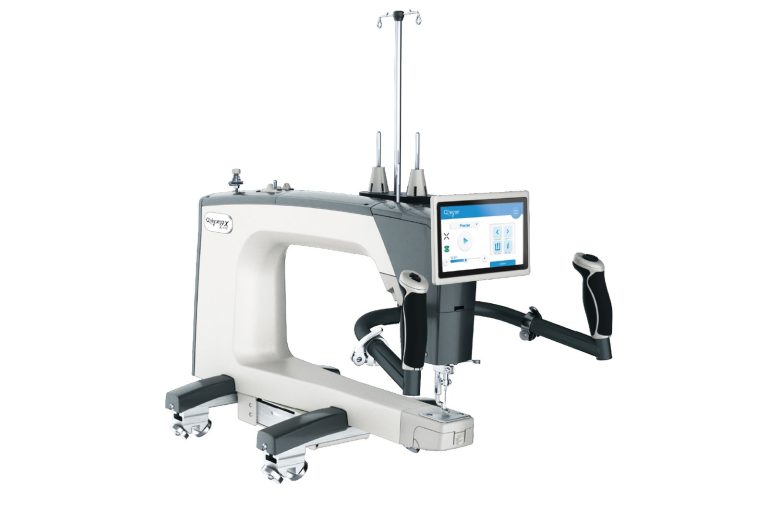
For a home machine that handles cotton, denim, and light knits, expect to pay about $150 to $350. Under $100 you’re mostly buying plastic parts that skip stitches. Above $400 you’re paying for embroidery or quilting features most beginners don’t need. The condition here assumes a full-size mechanical or basic electronic model, not a mini or toy machine.
How long do cheap sewing machines last?
A $150 to $250 mechanical machine lasts about 10 to 20 years with light use and yearly cleaning. That figure assumes you keep it covered and don’t sew heavy fabric like canvas daily. Machines under $100 are more likely to have plastic gears and other parts that wear out sooner. Check the warranty length — it tells you what the maker expects.
Can a beginner use a $200 sewing machine?
A $200 mechanical machine has everything a beginner needs: straight stitch, zigzag, a buttonhole, and adjustable tension. The controls are dials, not menus, so there’s less to learn.
Is it safe to buy a used sewing machine?
Yes, if you test it first. Bring scrap fabric, ask to sew a line, and check both sides of the stitch. Look for rust, a frayed power cord, and missing accessories like the foot pedal or bobbin case. Check the model number against CPSC recall notices, and budget for a service after you buy it.
Why does my new machine skip stitches?
Skipped stitches usually mean the needle is dull, bent, or the wrong type for the fabric. Change to a fresh needle sized for the fabric — a 90/14 for denim, an 80/12 for cotton — and rethread the top with the presser foot up. If it still skips on medium cotton, the timing is off and it needs a technician.
How often should I clean my sewing machine?
Clean the bobbin area and under the needle plate after every three or four projects, or more often if you sew fleece or felt. These fabrics shed lint fast. A full service with oiling belongs with a technician once a year. Never oil a machine that the manual says is self-lubricating — extra oil attracts lint and gums up the gears.
What happens if I use the wrong needle?
The wrong needle bends, breaks, or punches holes in your fabric. A heavy needle on fine cotton leaves visible holes, while a fine needle on denim snaps and can fly toward your face. Match the needle size to the fabric weight, and wear safety glasses if you sew heavy material. Replace the needle regularly, and sooner if it dulls or bends.
Conclusion
The best machine for you is the sturdiest one your budget allows, not the one with the longest feature list. Pick a model with a metal frame, test it on two fabric types before the return window closes, and keep up with cleaning. Do that, and a $200 machine will serve you for years.
{“@context”:”https://schema.org”,”@type”:”FAQPage”,”mainEntity”:[{“@type”:”Question”,”name”:”What is a reasonable price for a sewing machine?”,”acceptedAnswer”:{“@type”:”Answer”,”text”:”For a home machine that handles cotton, denim, and light knits, expect to pay about $150 to $350. Under $100 you’re mostly buying plastic parts that skip stitches. Above $400 you’re paying for embroidery or quilting features most beginners don’t need. The condition here assumes a full-size mechanical or basic electronic model, not a mini or toy machine.”}},{“@type”:”Question”,”name”:”How long do cheap sewing machines last?”,”acceptedAnswer”:{“@type”:”Answer”,”text”:”A $150 to $250 mechanical machine lasts about 10 to 20 years with light use and yearly cleaning. That figure assumes you keep it covered and don’t sew heavy fabric like canvas daily. Machines under $100 are more likely to have plastic gears and other parts that wear out sooner. Check the warranty length — it tells you what the maker expects.”}},{“@type”:”Question”,”name”:”Can a beginner use a $200 sewing machine?”,”acceptedAnswer”:{“@type”:”Answer”,”text”:”A $200 mechanical machine has everything a beginner needs: straight stitch, zigzag, a buttonhole, and adjustable tension. The controls are dials, not menus, so there’s less to learn.”}},{“@type”:”Question”,”name”:”Is it safe to buy a used sewing machine?”,”acceptedAnswer”:{“@type”:”Answer”,”text”:”Yes, if you test it first. Bring scrap fabric, ask to sew a line, and check both sides of the stitch. Look for rust, a frayed power cord, and missing accessories like the foot pedal or bobbin case. Check the model number against CPSC recall notices, and budget for a service after you buy it.”}},{“@type”:”Question”,”name”:”Why does my new machine skip stitches?”,”acceptedAnswer”:{“@type”:”Answer”,”text”:”Skipped stitches usually mean the needle is dull, bent, or the wrong type for the fabric. Change to a fresh needle sized for the fabric — a 90/14 for denim, an 80/12 for cotton — and rethread the top with the presser foot up. If it still skips on medium cotton, the timing is off and it needs a technician.”}},{“@type”:”Question”,”name”:”How often should I clean my sewing machine?”,”acceptedAnswer”:{“@type”:”Answer”,”text”:”Clean the bobbin area and under the needle plate after every three or four projects, or more often if you sew fleece or felt. These fabrics shed lint fast. A full service with oiling belongs with a technician once a year. Never oil a machine that the manual says is self-lubricating — extra oil attracts lint and gums up the gears.”}},{“@type”:”Question”,”name”:”What happens if I use the wrong needle?”,”acceptedAnswer”:{“@type”:”Answer”,”text”:”The wrong needle bends, breaks, or punches holes in your fabric. A heavy needle on fine cotton leaves visible holes, while a fine needle on denim snaps and can fly toward your face. Match the needle size to the fabric weight, and wear safety glasses if you sew heavy material. Replace the needle regularly, and sooner if it dulls or bends.”}}]}