What Are the 7 Types of Sewing Machines?
The 7 types of sewing machines are mechanical, electronic, computerized, serger (overlock), embroidery, quilting, and heavy-duty machines. What separates them is how much you control by hand, and which special jobs each one is built for.
The 7 types of sewing machines at a glance

Here’s the full list in one place, so you can see how they differ before we go deeper.
| Type | Best for | A familiar example |
|---|---|---|
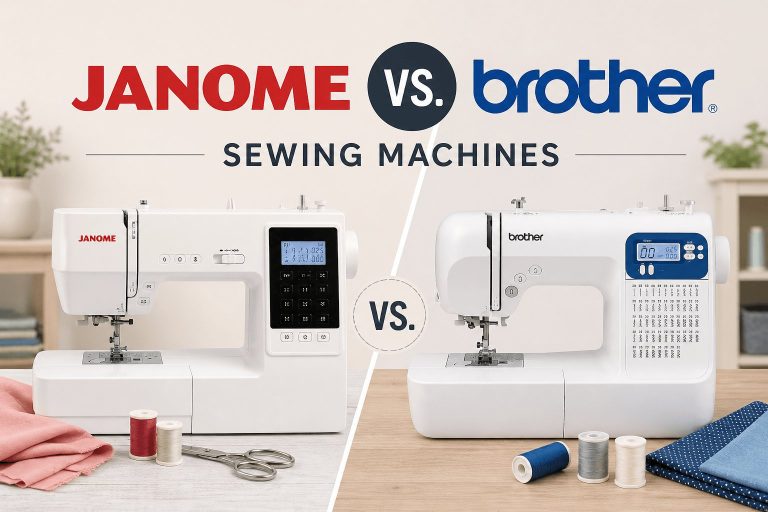
| Mechanical | Simple repairs and straight seams | A basic Singer or Brother with a dial |
| Electronic | Everyday sewing with easier controls | Push-button stitch selection models |
| Computerized | Decorative stitches and precision | Machines with an LCD screen |
| Serger (overlock) | Finishing raw edges fast | The 4-thread machines used in factories |
| Embroidery | Monograms and decorative designs | Machines that stitch a name onto a towel |
| Quilting | Large quilts and thick layered fabric | Machines with a wide throat space |
| Heavy-duty | Denim, canvas and thick layers | Machines marketed for jeans and upholstery |
Mechanical sewing machines
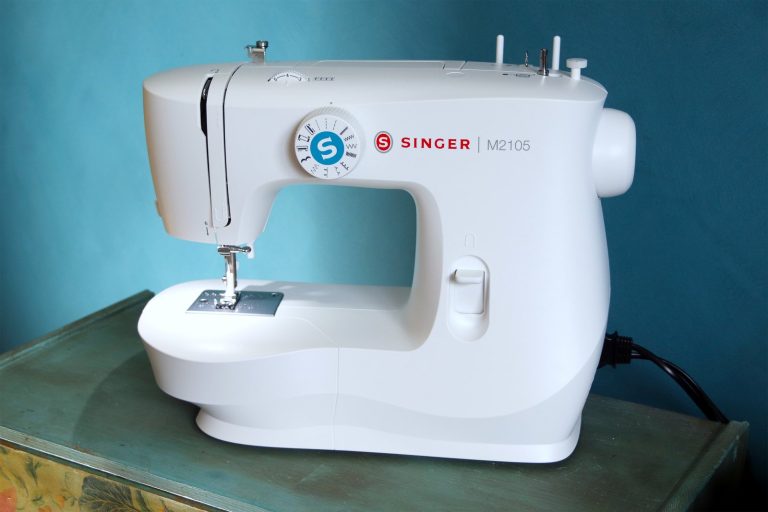
A mechanical machine runs on a foot pedal and dials you turn by hand — no screen, no buttons.
- It costs the least of any type, and basic new models are widely available.
- There’s almost nothing electronic to break, so repairs stay simple.
- You learn real sewing control, because you set stitch length and tension yourself.
- It handles straight stitching and zigzag — the two stitches most mending needs — without fuss.
A concrete example: hemming a pair of cotton trousers with a straight stitch, 2.5 mm long, on a basic machine.
Electronic sewing machines
An electronic machine looks like a mechanical one, but a small circuit board controls the stitches — you press a button instead of turning a dial, and the machine keeps the speed steady. That steady speed is the thing a mechanical machine can’t give you.
- Push-button stitch selection means fewer setting mistakes.
- The motor responds more smoothly, so slow, careful sewing is easier.
- Most models include 20–100 built-in stitches, enough for garment work.
- Needle up/down and automatic buttonholes save real time on garments.
A concrete example: sewing a 4-step automatic buttonhole on a child’s school shirt — press one button and the machine sews it.
Computerized sewing machines
A computerized machine has a screen and a memory: you pick a stitch by number, adjust its width and length, and the machine sews it the same way every time. It suits people who sew often, want decorative work, or plan to grow into harder projects.
- Hundreds of stitch options, including alphabets and eyelets, come built in.
- You can save your favourite settings and repeat them precisely.
- Sensors stop the machine if the thread breaks or the bobbin runs out.
- Many models connect to a computer for downloadable stitches and updates.
The limit: it costs more, and post-warranty repairs need a specialist.
Serger (overlock) machines

A serger trims the fabric edge and wraps it in thread at the same time, using 3, 4 or 5 threads. No standard sewing machine can do that — it’s the reason shop-bought clothes have clean, enclosed seams inside.
It suits people who make their own clothes. It’s not a beginner’s first machine: threading 3 or 4 threads through the right tension dials in order takes practice.
- It finishes a raw edge in one fast pass, so seams don’t unravel in the wash.
- It sews knits and stretch fabric beautifully, because the stitch chain stretches.
- It cuts sewing time on garments roughly in half once you’re comfortable.
A concrete example: running the cut edge of a T-shirt sleeve through a 4-thread overlock, about 2 seconds per seam.
Embroidery machines
An embroidery machine stitches pre-loaded designs on its own: you hoop the fabric, pick a design, and the machine moves the fabric while the needle decorates it. It suits people who personalize gifts, run a small craft business, or love monograms.
- It stitches names, logos and pictures with no hand-guiding at all.
- Built-in designs plus USB import give you thousands of patterns.
- Multi-needle models can change thread colours by themselves.
A concrete example: embroidering a single monogram letter, about 5 cm tall, onto a bath towel in one 10-minute automated run.
Quilting machines
A quilting machine is built to handle bulk: a long “throat” so a rolled-up quilt fits through, a walking foot that feeds all layers evenly, and usually a free-motion setting. It suits quilters, obviously, but also anyone sewing thick layered fabric like padded bags.
- The extended throat space takes a folded quilt without crushing it.
- A walking foot stops the layers from shifting as you sew.
- Free-motion quilting lets you draw patterns with the needle directly.
- Needle-down positioning holds the quilt in place when you pause.
A concrete example: stitching straight quilting lines 10 cm apart across a full-size quilt sandwich using a walking foot.
Heavy-duty sewing machines
A heavy-duty machine has a stronger motor and a metal interior frame, built to push a needle through denim, canvas, or upholstery fabric without stalling. It suits people who mend jeans, sew outdoor gear, or work with home-dec fabric.
- It powers through 8 or more layers of denim without the needle bending.
- The metal frame stops the vibration and skipping a light machine shows under load.
- It still does ordinary sewing, so it can be your only machine.
A concrete example: hemming a pair of jeans with a Jeans stitch, using a size 100/16 needle.
Other machines you’ll see
A few more types exist, mostly for specific trades:
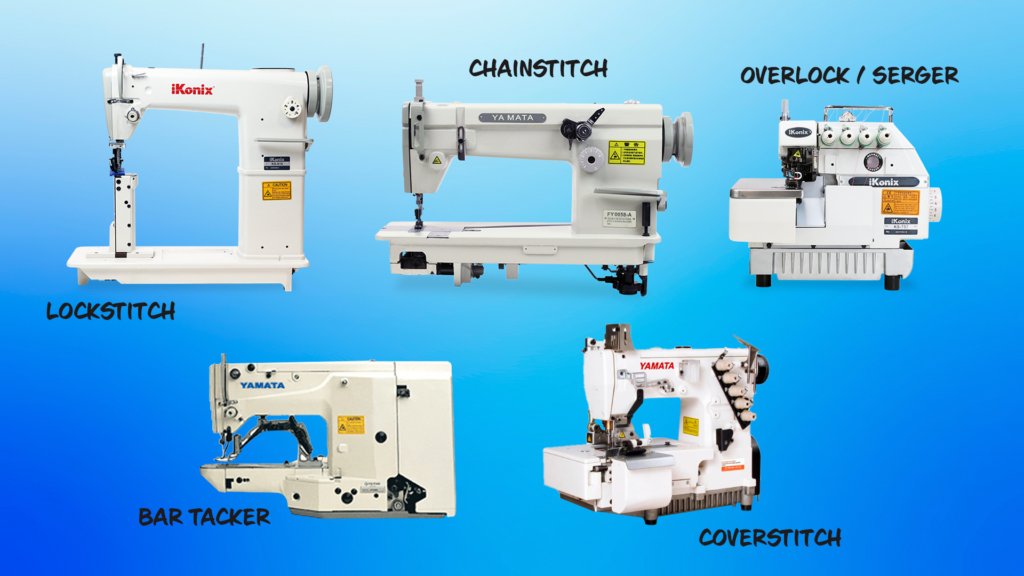
- Coverstitch machines — hem knits with the double row of stitching you see inside shop-bought T-shirts. Reach for one if you sew a lot of stretch clothing; it can’t do ordinary seams.
- Industrial machines — single-purpose, extremely fast workhorses for factories and upholstery shops. Only worth it if you sew the same job for hours daily.
- Leather and walking-foot machines — built for leather and vinyl, where a standard feed system drags the top layer. Specialist crafters and repair shops need these.
- Toy and mini machines — small, cheap, and fine for paper crafts or a child’s first stitches, but not for real fabric work.
How to choose your machine
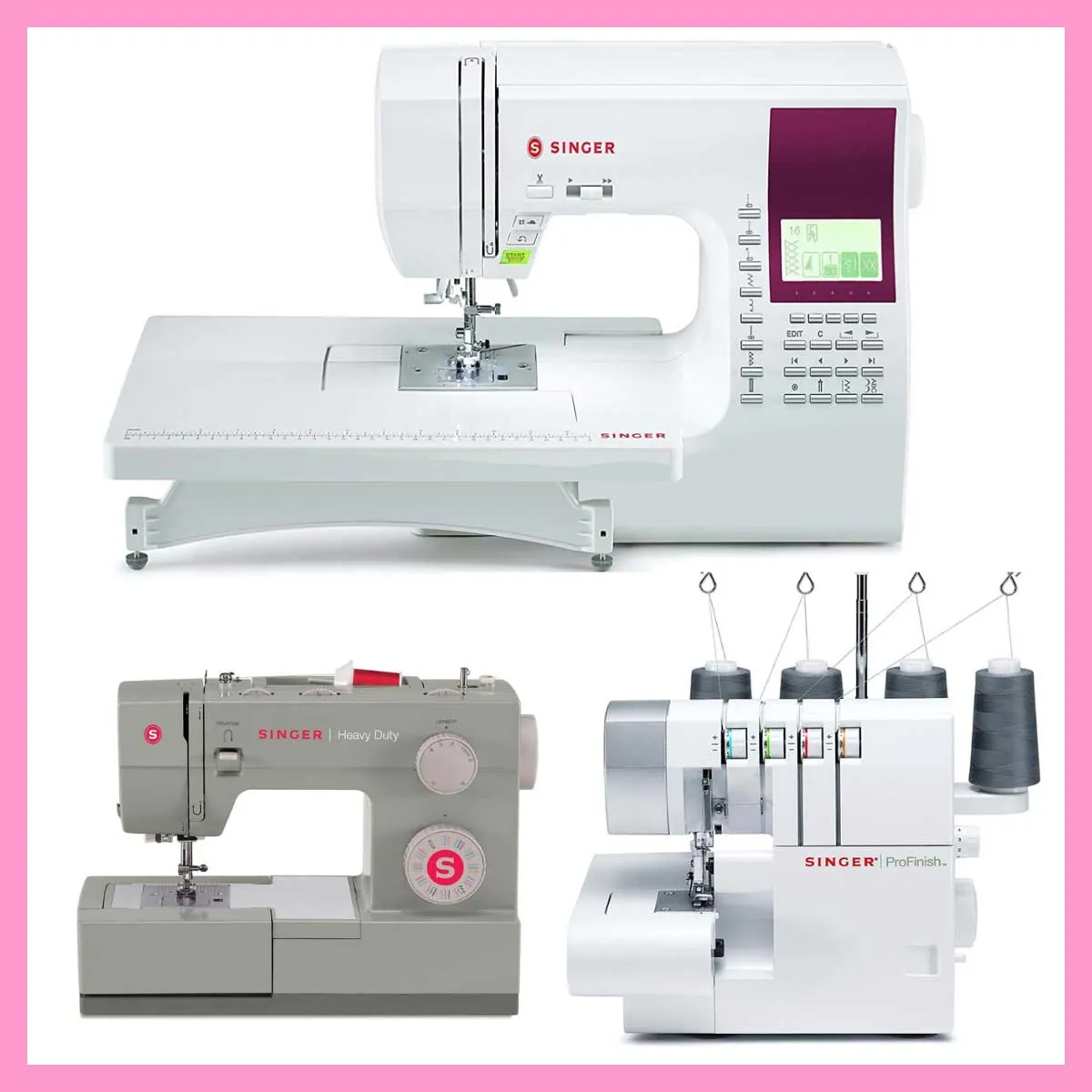
Three things about you settle it. First, what you already own: if you have a working mechanical machine, add a serger for knitwear rather than replacing it. Second, your time: if you sew under an hour a month, a mechanical machine is plenty; if you sew weekly, go electronic or computerized. Third, your goal: garment making points to a serger plus a basic machine, quilting points to a quilting model, and personalizing gifts points to embroidery.
Frequently asked questions
Can a serger replace a regular sewing machine?
No. A serger finishes edges and sews seams on knits, but it can’t do buttonholes, zippers, topstitching, or most decorative stitches. You’ll still need a regular machine for those, which is why most garment sewists own both.
How long does a sewing machine last?
A well-maintained mechanical machine often runs for decades — some 50-year-old Singers still sew daily. Computerized machines depend more on their electronics, so check the manufacturer’s stated warranty and parts availability before buying. Annual servicing extends any machine’s life.
Is it safe for a child to use a sewing machine?
Yes, with supervision and a machine that has a speed limiter. Keep fingers away from the needle area, use the foot pedal only when seated, and unplug when changing the needle. Many brands sell entry-level models with a slower maximum speed for this reason.
What happens if I use thick fabric on a normal machine?
The needle can bend or break, the motor can stall, and skipped stitches follow. If you only occasionally sew denim, use a size 100/16 needle and go slowly by hand-wheel over the thickest spots. For regular heavy work, that’s the point where a heavy-duty machine earns its price.
Do embroidery machines also sew normal stitches?
Some do, some don’t. Combination sewing-and-embroidery machines handle both, while embroidery-only models can’t sew a plain seam. Check the machine’s specification page before buying — the model name alone doesn’t always tell you which you’re getting.
Does it matter what thread I use?
Yes, badly matched thread causes most skipped stitches and breakages. Use polyester all-purpose thread for most sewing, heavy-duty or topstitch thread for denim, and match the needle size to the thread weight. The thread’s own label states what fabric it’s for.
Start with what you’ll sew this month
Pick the one machine type that matches the project you’ll actually finish first — a hem, a quilt, or a monogrammed gift. You’ll know it’s the right choice when that first project takes less effort than you expected. If the needle keeps breaking or the motor stalls on your fabric, stop and take the machine to an authorized dealer for a service before you push on.
{“@context”:”https://schema.org”,”@type”:”FAQPage”,”mainEntity”:[{“@type”:”Question”,”name”:”Can a serger replace a regular sewing machine?”,”acceptedAnswer”:{“@type”:”Answer”,”text”:”No. A serger finishes edges and sews seams on knits, but it can’t do buttonholes, zippers, topstitching, or most decorative stitches. You’ll still need a regular machine for those, which is why most garment sewists own both.”}},{“@type”:”Question”,”name”:”How long does a sewing machine last?”,”acceptedAnswer”:{“@type”:”Answer”,”text”:”A well-maintained mechanical machine often runs for decades — some 50-year-old Singers still sew daily. Computerized machines depend more on their electronics, so check the manufacturer’s stated warranty and parts availability before buying. Annual servicing extends any machine’s life.”}},{“@type”:”Question”,”name”:”Is it safe for a child to use a sewing machine?”,”acceptedAnswer”:{“@type”:”Answer”,”text”:”Yes, with supervision and a machine that has a speed limiter. Keep fingers away from the needle area, use the foot pedal only when seated, and unplug when changing the needle. Many brands sell entry-level models with a slower maximum speed for this reason.”}},{“@type”:”Question”,”name”:”What happens if I use thick fabric on a normal machine?”,”acceptedAnswer”:{“@type”:”Answer”,”text”:”The needle can bend or break, the motor can stall, and skipped stitches follow. If you only occasionally sew denim, use a size 100/16 needle and go slowly by hand-wheel over the thickest spots. For regular heavy work, that’s the point where a heavy-duty machine earns its price.”}},{“@type”:”Question”,”name”:”Do embroidery machines also sew normal stitches?”,”acceptedAnswer”:{“@type”:”Answer”,”text”:”Some do, some don’t. Combination sewing-and-embroidery machines handle both, while embroidery-only models can’t sew a plain seam. Check the machine’s specification page before buying — the model name alone doesn’t always tell you which you’re getting.”}},{“@type”:”Question”,”name”:”Does it matter what thread I use?”,”acceptedAnswer”:{“@type”:”Answer”,”text”:”Yes, badly matched thread causes most skipped stitches and breakages. Use polyester all-purpose thread for most sewing, heavy-duty or topstitch thread for denim, and match the needle size to the thread weight. The thread’s own label states what fabric it’s for.”}}]}