Best Sewing Machine for Knit Fabrics: Adjustable Pressure Guide
A machine with adjustable presser foot pressure is the best sewing machine for knit fabrics because it prevents the material from stretching or puckering while you sew. If you frequently sew delicate jerseys or heavy interlock knits, you need a model that lets you lighten the grip of the foot. When your machine lacks this setting, you’ll likely struggle with wavy, distorted seams that don’t lay flat. Always check your specific model’s manual for the pressure dial, as standard factory settings often pull too hard on stretchy fibers.
The Best Sewing Machine for Knit Fabrics
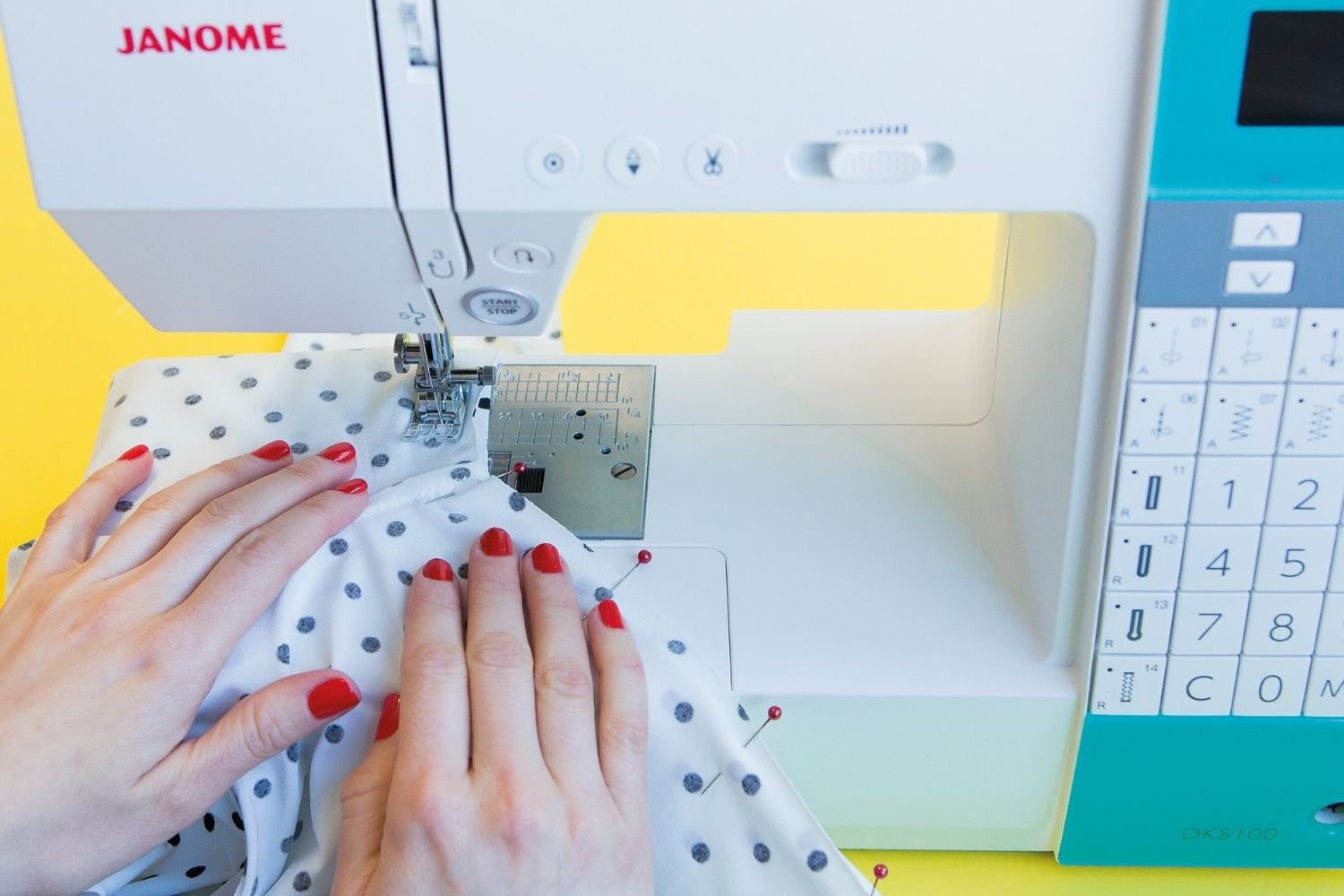
Choosing the right equipment depends on your project volume and your need for professional-grade finishes.
| Method | How long | Effort | Cost | Best for |
|---|---|---|---|---|
| Mechanical Sewing Machine | High | High | Low | Occasional repairs |
| Computerized Sewing Machine | Medium | Medium | Medium | Versatile projects |
| Dedicated Serger | Low | Low | High | Professional garments |
If you own a computerized machine, ensure it has a built-in stretch stitch setting, as this mimics the movement of knit fabric better than a standard straight stitch. For those who want the fastest results, a serger is the industry standard for knits because it cuts and finishes the edge in one pass.
Adjusting your mechanical machine
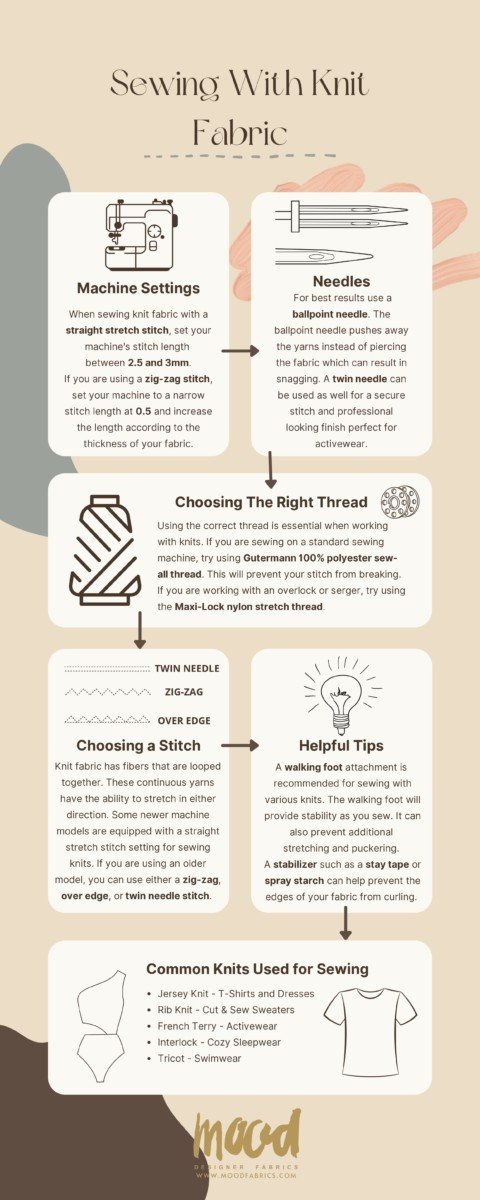
To sew knits on a basic mechanical machine, you must focus on controlling the tension. First, set your machine to a narrow zigzag stitch or a dedicated stretch stitch to allow the seam to expand with the fabric. Second, reduce your presser foot pressure if your machine has a dial on the top or side; if it does not, you must compensate by using a walking foot attachment. Third, use a ballpoint needle, which is designed to slide between the knit loops rather than piercing them.
This setup is excellent for beginners who only need to hem a few shirts or mend leggings. The main weakness of this method is that it can’t replicate the clean, enclosed seam of a professional serger, often leaving the inside of the garment looking bulky. If you encounter frequent skipped stitches, replace your needle immediately, as a dull point causes the machine to snag the delicate threads of the knit.
Utilizing computerized features
Computerized machines offer automated settings that take the guesswork out of sewing stretchy materials. Start by selecting the “knit” or “stretch” stitch from the digital menu, which automatically adjusts the stitch length and width for better elasticity. Then, adjust the differential feed if your machine offers it; this controls how much fabric is fed under the needle, preventing the “wavy” look common with knits. Finally, ensure you’re using a high-quality polyester thread, which provides the necessary strength and slight give that cotton thread lacks.
These machines are perfect for sewists who switch between different fabric types regularly, as you can save your preferred settings. However, the limitation is that computerized parts are sensitive; if you force the machine to sew through too many layers of thick knit, you risk damaging the internal timing. Always check the label on your fabric to see if it contains spandex, as higher spandex content requires even lighter pressure to avoid distortion.
Investing in a serger
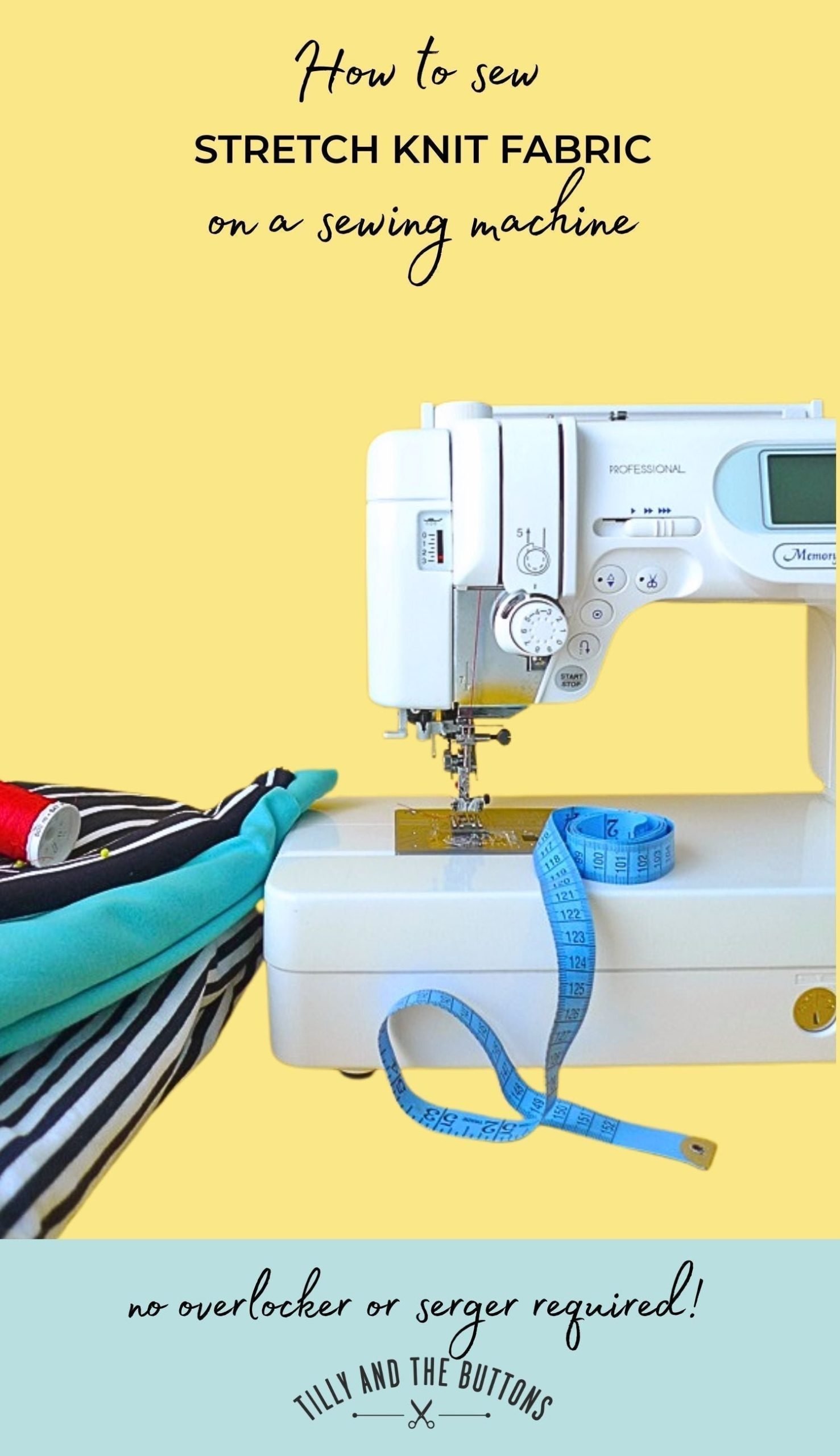
A serger operates differently by using three to four threads to create an overlock stitch that’s both durable and flexible. First, thread your machine exactly as the diagram shows, ensuring each spool sits in the correct tension disc. Second, adjust the differential feed dial to a higher setting if your fabric is stretching out, or lower it if the fabric is puckering. Third, test your stitch on a scrap piece of the same knit to confirm the loopers are balanced and the edge is fully encased.
This method is the winner for anyone looking for the most professional, long-lasting seams in garments like t-shirts or activewear. The trade-off is the steep learning curve required to master threading the loopers. If you find the process too complex, consult your local sewing shop for a demonstration, as attempting to force the thread through the wrong path can cause the machine to jam or snap the needle.
Which one should you use?
If you’re in a hurry, use a serger because it finishes seams and trims excess fabric in one swift motion, saving you from having to go back and clean up edges. When you’re doing this for the first time, choose a computerized machine because the pre-programmed stretch stitches remove the need for manual tension adjustments that often frustrate new users. If you want the best possible result whatever it takes, use a serger for the main seams and a computerized machine for topstitching, as this combination provides both maximum strength and a polished, retail-ready appearance.
The primary trade-off is between the ease of a simple machine and the high-quality finish of specialized equipment. While a mechanical machine costs less, it requires more skill to get professional results. Conversely, a serger produces perfect seams instantly but requires an investment of both money and time to learn maintenance. Always remember that no machine can fix poor-quality fabric; if your knit is extremely thin or unstable, use a stabilizer behind the seam.
The rules that apply whichever way you choose
Regardless of the machine you use, the most critical rule is to use a ballpoint or stretch needle to avoid creating holes in the fabric structure. Before you begin, always test your stitch on a scrap piece of the same knit; if the seam puckers, lower the presser foot pressure or decrease the needle tension. Partway through your project, check the underside of the fabric to ensure the threads are interlocking cleanly without loops or tangles.
At the end of your session, clean the lint out of the bobbin case and feed dogs using a soft brush, as knit fabrics shed tiny fibers that can clog the internal mechanics over time. If your machine fails to feed the fabric correctly, don’t attempt to open the motor housing or adjust internal timing yourself. A capacitor can hold a lethal charge even when unplugged; therefore, any internal mechanical failure must be handled by a professional service technician. Keep your manual handy to verify the recommended maintenance schedule for your specific model, as different brands require different oiling routines.
Frequently asked questions
Can I use a regular needle for knit fabrics?
No, you shouldn’t use a standard sharp needle because it will pierce the knit fibers and create permanent holes or runs in your garment. A ballpoint needle is essential because the rounded tip pushes the yarn aside instead of cutting it, which preserves the integrity of the fabric and prevents snags while you sew.
Why is my knit fabric stretching while I sew?
Your fabric is likely stretching because the presser foot pressure is too high, or you’re pulling the material through the machine as it sews. You should let the machine’s feed dogs do the work; if the issue continues, reduce the foot pressure or use a walking foot to help guide the fabric evenly.
How long does a knit seam last?
A well-constructed knit seam using a stretch stitch or a serger can last for years, provided you use high-quality polyester thread that matches the fabric’s elasticity. If you use a standard straight stitch, the seam will likely snap the first time you stretch the garment, as the thread won’t have enough give to accommodate the movement.
Is it safe to sew knits on a vintage machine?
Yes, you can safely sew knits on a vintage machine, but you’ll need to adjust your technique since these models lack modern stretch-stitch presets. You must use a narrow zigzag stitch to allow the seam to flex and ensure the needle is the correct type for the knit weight.
What happens if I don’t use a stretch stitch?
If you use a standard straight stitch on a knit fabric, the thread won’t stretch with the material, leading to broken stitches and a seam that can’t expand. This results in a garment that’s difficult to put on and prone to ripping at the stress points like shoulders or armholes.
Final Thoughts
Choosing the right equipment makes your projects look professional, but don’t forget that the right needle is just as important. Grab a ballpoint or stretch needle before you start your next garment. You’ll find that these simple tools make a world of difference, so you shouldn’t hesitate to test them out today.
{“@context”:”https://schema.org”,”@type”:”FAQPage”,”mainEntity”:[{“@type”:”Question”,”name”:”Can I use a regular needle for knit fabrics?”,”acceptedAnswer”:{“@type”:”Answer”,”text”:”No, you shouldn’t use a standard sharp needle because it will pierce the knit fibers and create permanent holes or runs in your garment. A ballpoint needle is essential because the rounded tip pushes the yarn aside instead of cutting it, which preserves the integrity of the fabric and prevents snags while you sew.”}},{“@type”:”Question”,”name”:”Why is my knit fabric stretching while I sew?”,”acceptedAnswer”:{“@type”:”Answer”,”text”:”Your fabric is likely stretching because the presser foot pressure is too high, or you’re pulling the material through the machine as it sews. You should let the machine’s feed dogs do the work; if the issue continues, reduce the foot pressure or use a walking foot to help guide the fabric evenly.”}},{“@type”:”Question”,”name”:”How long does a knit seam last?”,”acceptedAnswer”:{“@type”:”Answer”,”text”:”A well-constructed knit seam using a stretch stitch or a serger can last for years, provided you use high-quality polyester thread that matches the fabric’s elasticity. If you use a standard straight stitch, the seam will likely snap the first time you stretch the garment, as the thread won’t have enough give to accommodate the movement.”}},{“@type”:”Question”,”name”:”Is it safe to sew knits on a vintage machine?”,”acceptedAnswer”:{“@type”:”Answer”,”text”:”Yes, you can safely sew knits on a vintage machine, but you’ll need to adjust your technique since these models lack modern stretch-stitch presets. You must use a narrow zigzag stitch to allow the seam to flex and ensure the needle is the correct type for the knit weight.”}},{“@type”:”Question”,”name”:”What happens if I don’t use a stretch stitch?”,”acceptedAnswer”:{“@type”:”Answer”,”text”:”If you use a standard straight stitch on a knit fabric, the thread won’t stretch with the material, leading to broken stitches and a seam that can’t expand. This results in a garment that’s difficult to put on and prone to ripping at the stress points like shoulders or armholes.”}}]}