What Brand of Sewing Machine Is the Best for Your Projects
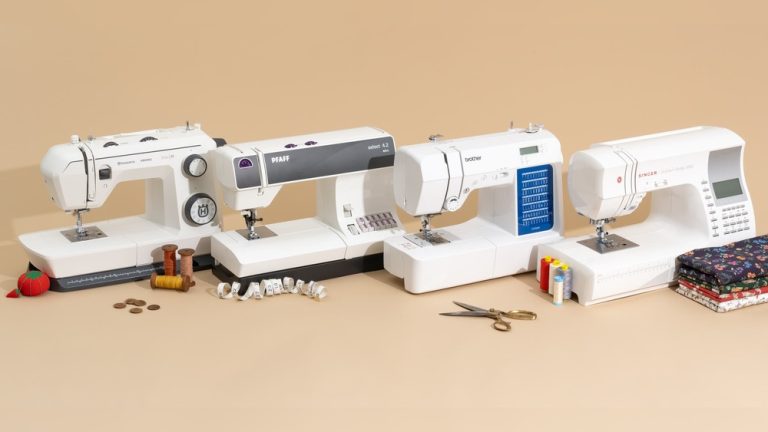
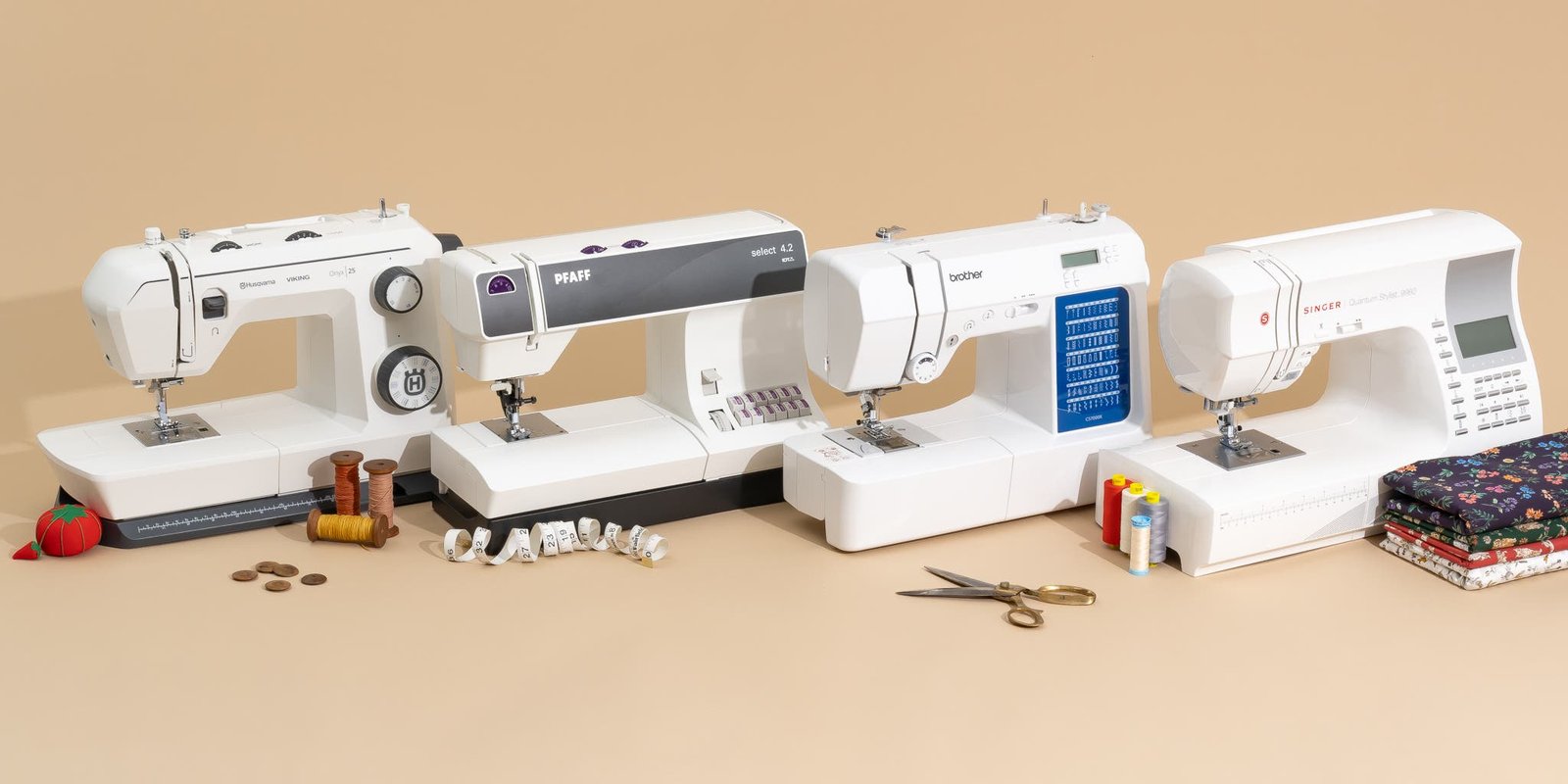
There’s no single brand of sewing machine that’s the best for everyone, as the right choice depends on your specific projects and experience level. Beginners often find that a mechanical machine from Brother or Janome offers the best value, while advanced quilters or garment makers frequently prefer the precision and specialized features of Juki or Bernina machines. Because every user has different needs, you should focus on the specific features of a model rather than the brand name alone when deciding which machine will best support your sewing goals.
The most important factor in your decision is the intended use of the machine, such as heavy-duty denim work, delicate quilting, or basic clothing repairs. If you choose a machine built for light, decorative stitching to do heavy leather work, you’ll likely encounter broken needles and motor strain. The most common mistake people make is buying a machine based on a brand’s reputation for industrial excellence without checking if the specific model is designed for domestic use.
This mistake often results in frustration because industrial-grade machines are heavy and lack the variety of stitch patterns that home users need. Conversely, choosing a machine that’s too simple limits your growth if you plan to move into complex embroidery or computerized quilting later. You should always read the product specifications from the manufacturer to ensure the machine’s motor power and feed system match the weight of the fabric you plan to sew most often.
Choosing the Right Sewing Machine
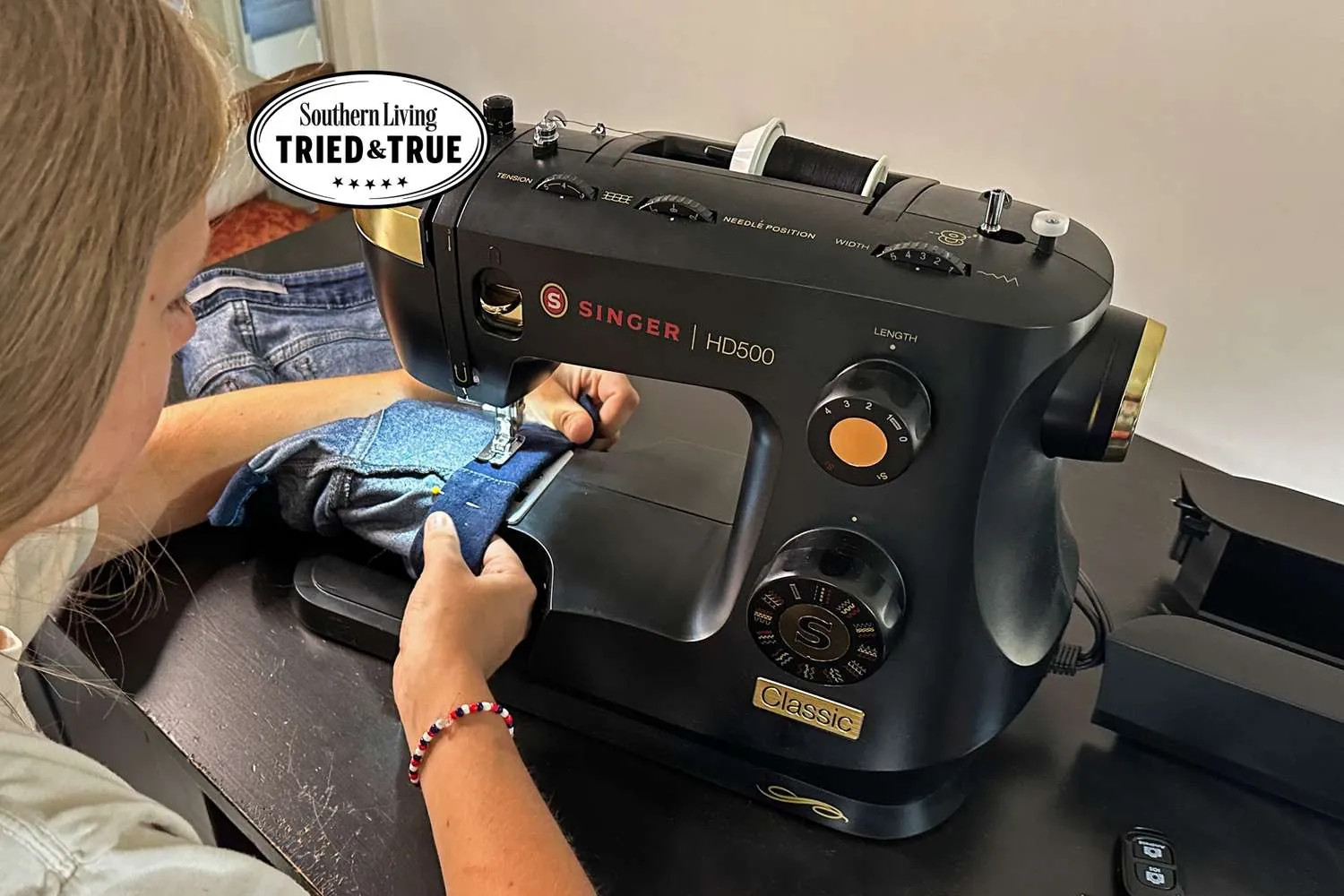
Identify your primary goal, such as garment construction, quilting, or basic mending, and narrow your search to machines designed for those specific tasks. If you intend to sew heavy denim or leather, prioritize machines with a high-torque motor rather than high stitch counts.
Select between a mechanical or computerized interface based on your comfort with technology. Mechanical models are easier to repair at home, while computerized ones offer automated features like needle-up/down positioning. A common mistake is paying for hundreds of decorative stitches you’ll never use; focus instead on the quality of the straight and zigzag stitch.
Check the maximum sewing speed, measured in stitches per minute (SPM), to ensure it meets your pace. Most home machines range from 700 to 1,000 SPM. If you’re a beginner, look for a machine with a speed limiter slider, which prevents you from accidentally stitching too fast during delicate work.
Verify the throat space, the distance between the needle and the machine body. A larger throat space is essential for quilting, while a standard 6-inch space is sufficient for basic clothing repairs. If you regularly work with bulky quilts, anything under 8 inches will cause significant fabric bunching.
Test the machine’s buttonhole function if you plan to make clothes. Ease varies between one-step or four-step systems. If the machine requires you to rotate the fabric manually for buttonholes, it’s much harder to achieve a professional result than with an automatic one-step system.
Consult with a local dealer to see if they offer training or service for your chosen brand. Having a professional nearby for annual maintenance is more important than the brand’s global prestige. A machine that can’t be serviced locally will eventually become a paperweight.
Time Needed for Selection
Choosing the right machine depends on your current skill level and the amount of research you conduct.
| Situation | Time to Research | What Changes It | What to Watch For |
|---|---|---|---|
| First-time buyer | 3–5 hours | Number of models compared | Hidden costs for extra feet |
| Upgrading user | 1–2 hours | Knowing your specific needs | Compatibility with old parts |
| Professional use | 10+ hours | Need for industrial testing | Warranty and service terms |
If your research takes longer than expected, it’s likely because you’re trying to find a “do-it-all” machine that doesn’t exist. Focus on the two features you use most often and prioritize those over secondary gadgets.
Most buyers fall into the trap of analysis paralysis by weighing every minor spec. If you find yourself reading more than five user manuals, stop. You’re no longer researching; you’re stalling.
Use this decision rule: If you can’t identify the primary task the machine must perform daily, don’t buy yet. If you can name the two most frequent tasks, buy the machine that performs those specific functions best. Ignore the rest. Choosing a machine that excels at two things is always better than choosing one that’s mediocre at ten.
Identifying a Quality Machine

You can tell if a machine is high quality by how smoothly it operates and how well it handles different fabric thicknesses. A good machine should feed fabric evenly without requiring you to pull or push the material, which causes uneven stitches. Listen for the sound of the motor; it should be steady and consistent rather than straining or making sharp clicking noises when moving between stitch types.
The most reliable sign of quality is the consistency of the stitch tension. Test this by sewing through two layers of cotton with a standard thread; the top and bottom threads should lock in the middle of the fabric layers. If the threads loop on the underside, the tension system is likely faulty or poorly calibrated.
Check the needle plate for any burrs or rough edges, as these snag fabric during the sewing process. Run a scrap of sheer silk over the plate; if it catches, the plate needs polishing or replacement.
If the machine feels light and vibrates excessively on a stable table at high speeds, the internal frame is likely plastic rather than metal. A plastic chassis often leads to timing issues after only a few years of heavy use. If you plan to sew denim or leather, prioritize machines with a cast-iron or aluminum alloy frame. These heavier builds absorb vibrations, ensuring your needle hits the exact same spot every time, which prevents broken needles and damaged projects.
Mistakes That Ruin Your Sewing
-
Ignoring the feed dog system: Using a machine with a weak feed dog on thick fabrics causes the material to bunch up and jam. Always ensure the feed system is rated for the weight of your fabric, or you’ll spend more time unpicking stitches than actually sewing. If your fabric layers exceed three millimeters in thickness, use a walking foot attachment to assist the feed dogs.
-
Overlooking the warranty terms: Purchasing a machine without checking the local repair policy often leaves you with a useless tool when a minor part breaks. Confirm that there’s a certified technician within a reasonable distance who can service your specific brand. If the manufacturer requires you to ship the machine for a simple tension adjustment, you’ll lose weeks of productivity and pay significant shipping costs.
-
Choosing based on stitch count: Many people prioritize a machine with 200+ decorative stitches, but most users only ever use a straight stitch and a zig-zag stitch. You should prioritize motor strength and build quality over the number of pre-programmed patterns, as you’ll get more value from a sturdy machine. If you find yourself choosing between a plastic-cased machine with 100 stitches and a metal-frame machine with 10, always choose the metal frame.
-
Neglecting regular cleaning: Failing to remove lint from the bobbin case causes timing issues that ruin your stitch quality over time. Follow the manufacturer’s schedule for oiling and cleaning to prevent the machine from seizing up during a project. A simple rule is to clear the bobbin race every time you finish a full spool of thread or notice a fuzzy buildup around the feed dogs.
Frequently Asked Questions
Can I use an industrial machine at home?
Yes, you can use an industrial machine at home if you have a heavy-duty table and dedicated space. These machines are built for high-speed straight stitching in factories. However, they lack the decorative stitches and versatility found on standard home sewing machines.
How often should I service my sewing machine?
You should have your machine professionally serviced every 12 to 24 months. Frequent daily use warrants an annual check-up to keep timing and tension systems in top shape. If you sew only occasionally, you can safely extend this interval to every two years.
Is it safe to buy a used sewing machine?
Buying a used machine is safe if you test it thoroughly before purchasing. Always bring your own fabric and thread to verify the stitch quality and tension. Ensure that parts like needles and bobbins are still being manufactured for that specific model.
Why does my thread keep breaking?
Thread breakage is usually caused by an incorrect tension setting, a dull needle, or poor-quality thread. Start by replacing your needle, as a dull point is the most common culprit. If issues persist, re-thread the machine and ensure you’re using a fresh, high-quality spool.
How long does a good sewing machine last?
Mechanical sewing machines can last 20 to 30 years, while computerized models typically last 10 to 15 years. Lifespan depends heavily on regular cleaning and proper motor care. Keeping the machine free of lint and avoiding heavy fabrics will ensure it remains a reliable tool.
What happens if I use the wrong needle?
Using the wrong needle can damage your fabric, break the needle, or cause skipped stitches. Always select a needle size and type that matches your specific fabric weight. This simple step prevents most common sewing headaches and protects your machine from unnecessary wear.
Conclusion
The best sewing machine for your home is the one that fits your specific project needs and feels comfortable under your hands. Take your time to test a few models in person, focus on the build quality and motor strength, and you’ll find a machine that serves you well for many years.
{“@context”:”https://schema.org”,”@type”:”FAQPage”,”mainEntity”:[{“@type”:”Question”,”name”:”Can I use an industrial machine at home?”,”acceptedAnswer”:{“@type”:”Answer”,”text”:”Yes, you can use an industrial machine at home if you have a heavy-duty table and dedicated space. These machines are built for high-speed straight stitching in factories. However, they lack the decorative stitches and versatility found on standard home sewing machines.”}},{“@type”:”Question”,”name”:”How often should I service my sewing machine?”,”acceptedAnswer”:{“@type”:”Answer”,”text”:”You should have your machine professionally serviced every 12 to 24 months. Frequent daily use warrants an annual check-up to keep timing and tension systems in top shape. If you sew only occasionally, you can safely extend this interval to every two years.”}},{“@type”:”Question”,”name”:”Is it safe to buy a used sewing machine?”,”acceptedAnswer”:{“@type”:”Answer”,”text”:”Buying a used machine is safe if you test it thoroughly before purchasing. Always bring your own fabric and thread to verify the stitch quality and tension. Ensure that parts like needles and bobbins are still being manufactured for that specific model.”}},{“@type”:”Question”,”name”:”Why does my thread keep breaking?”,”acceptedAnswer”:{“@type”:”Answer”,”text”:”Thread breakage is usually caused by an incorrect tension setting, a dull needle, or poor-quality thread. Start by replacing your needle, as a dull point is the most common culprit. If issues persist, re-thread the machine and ensure you’re using a fresh, high-quality spool.”}},{“@type”:”Question”,”name”:”How long does a good sewing machine last?”,”acceptedAnswer”:{“@type”:”Answer”,”text”:”Mechanical sewing machines can last 20 to 30 years, while computerized models typically last 10 to 15 years. Lifespan depends heavily on regular cleaning and proper motor care. Keeping the machine free of lint and avoiding heavy fabrics will ensure it remains a reliable tool.”}},{“@type”:”Question”,”name”:”What happens if I use the wrong needle?”,”acceptedAnswer”:{“@type”:”Answer”,”text”:”Using the wrong needle can damage your fabric, break the needle, or cause skipped stitches. Always select a needle size and type that matches your specific fabric weight. This simple step prevents most common sewing headaches and protects your machine from unnecessary wear.”}}]}