How to Choose the Right Thread for Sewing Machine: Ultimate Guide
Choosing the right thread for your sewing machine can make all the difference between a perfect stitch and a frustrating mess. If you’ve ever dealt with thread breaking, uneven stitches, or fabric puckering, you know how important it is to pick the right thread.
But with so many options out there, how do you know which one is best for your project? You’ll discover simple tips that help you find the ideal thread every time. Keep reading, and you’ll never have to worry about thread troubles again.
Credit: www.mh-chine.com
Types Of Sewing Threads
Choosing the right thread affects sewing quality and project durability. Threads come in many types, each made from different materials. Knowing these types helps pick the best thread for your fabric and project needs. This section explains common sewing thread types for your machine.
Cotton Threads
Cotton threads are soft and natural. They work well with cotton and linen fabrics. These threads handle heat well, so you can iron your project safely. They are less stretchy, making seams firm but easy to control. Cotton threads may break on stretchy fabrics.
Polyester Threads
Polyester threads are strong and slightly stretchy. They fit many fabric types, including synthetic and blended materials. These threads resist shrinking and fading after washing. Polyester threads hold up well under stress and are good for everyday sewing.
Nylon Threads
Nylon threads are very strong and flexible. They suit heavy fabrics like leather and upholstery. These threads resist water and chemicals, ideal for outdoor gear. Nylon can melt if ironed at high heat, so use care when pressing.
Silk Threads
Silk threads are smooth and shiny. They glide through delicate fabrics like silk and satin. These threads create fine, almost invisible seams. Silk threads are expensive but perfect for luxury sewing projects.
Specialty Threads
Specialty threads include metallic, elastic, and glow-in-the-dark types. They add unique effects to your sewing. Metallic threads create shiny, decorative stitches. Elastic threads stretch for stretchy fabrics. Choose specialty threads for creative sewing needs.
Thread Weight And Thickness
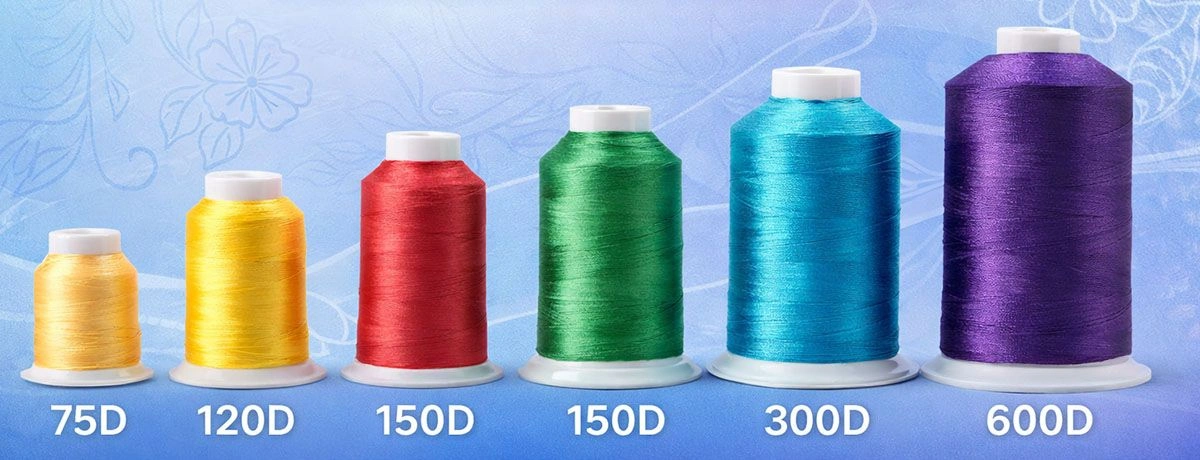
Choosing the right thread weight and thickness is key for sewing success. These two factors affect stitch quality and fabric appearance. Picking the wrong thread can cause puckering or weak seams. Understanding how weight and thickness work helps you match thread to fabric. This saves time and improves your sewing projects.
Understanding Thread Weight
Thread weight shows how thick or thin the thread is. The higher the number, the thinner the thread. For example, a weight of 50 is thinner than 30. Lightweight threads suit delicate fabrics. Heavyweight threads work best for thick or tough materials. Thread weight also affects stitch strength and visibility.
Choosing Thickness For Fabric Types
Thin threads are good for light fabrics like silk or chiffon. They make fine, nearly invisible stitches. Medium threads fit cotton, linen, and blends. They balance strength and softness well. Thick threads match heavy fabrics like denim or canvas. They create strong seams and stand out nicely. Use the right thickness to keep fabric smooth and seams strong.
Matching Thread To Fabric
Choosing the right thread for your sewing project starts with matching the thread to the fabric. The thread should be strong enough for the fabric but not too thick. Using the correct thread helps your stitches look neat and last longer. Different fabrics need different types of thread for the best results.
Lightweight Fabrics
Lightweight fabrics like silk, chiffon, and voile need fine thread. Use a thin polyester or cotton thread. This thread will not weigh down or damage the fabric. Thin thread helps create delicate and smooth seams. Avoid thick threads that can cause puckering or holes.
Medium-weight Fabrics
Medium-weight fabrics include cotton, linen, and broadcloth. Use all-purpose polyester or cotton thread. This thread offers strength and flexibility. It works well for daily wear and home decor. Medium threads keep stitches strong and even on these fabrics.
Heavyweight Fabrics
Heavyweight fabrics are denim, canvas, and upholstery fabric. Choose thick, strong thread like heavy-duty polyester or nylon. This thread holds up to stress and wear. It prevents thread breakage on tough materials. Use heavier thread to match the thick fabric texture.
Thread Color Selection
Thread color selection is important for sewing projects. It can change how your work looks. Choosing the right color helps your stitches blend or stand out. The thread can match the fabric or create a design effect. Picking the best color makes your sewing neat and attractive.
Color Matching Techniques
Matching thread color to fabric creates a smooth, clean look. Use a thread close to the fabric’s shade. Hold the thread against the fabric in daylight. Check if the thread disappears or blends well. If unsure, test a small stitch on scrap fabric. This helps see the final look before sewing.
Using Contrasting Colors
Contrasting thread colors can add style and focus. Use a thread color different from the fabric to highlight stitches. This works well for decorative seams or topstitching. Bright thread on dark fabric creates bold lines. Light thread on dark fabric adds eye-catching details. Contrasting colors can make your project unique and lively.
Thread Quality And Brand
Thread quality and brand play a big role in sewing success. Poor thread can break, tangle, or cause uneven stitches. Good thread lasts longer and works smoothly with your machine. Choosing the right thread quality and brand helps your project look neat and last longer.
Identifying High-quality Threads
High-quality thread feels smooth and strong. It has a consistent thickness with no loose fibers. Good thread does not shed or break easily. Look for threads made from strong materials like polyester or cotton-wrapped polyester. These threads resist heat and wear well. Spools with clear labels about thread type and weight show care from the manufacturer.
Popular Thread Brands
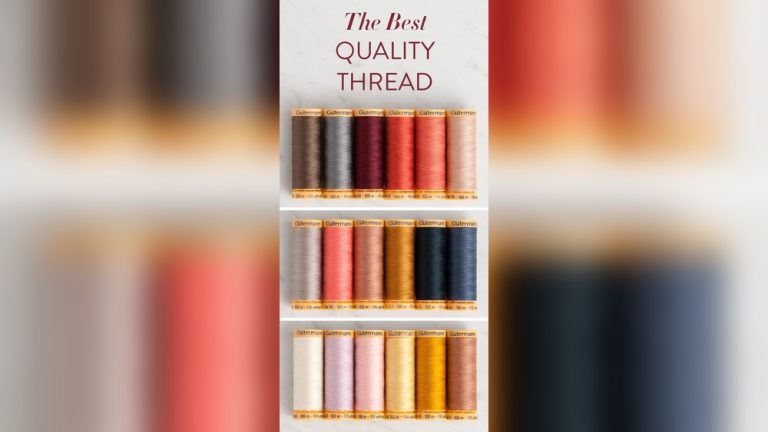
Several brands are known for reliable sewing threads. Coats and Gutermann offer strong, smooth threads for many fabrics. Mettler is popular for fine, detailed sewing work. Aurifil threads are praised for their softness and color range. These brands maintain strict quality control. Choosing a trusted brand reduces the chance of thread problems during sewing.
Credit: www.mhthread.com
Thread Maintenance Tips
Taking care of your sewing thread helps it last longer and work better. Proper maintenance stops thread from tangling, breaking, or getting dirty. This saves time and makes sewing easier. Follow simple tips to keep your thread in top shape.
Storage Recommendations
Keep thread in a cool, dry place. Avoid spots with sunlight or moisture. Use clear containers to see colors easily. Store spools upright to stop tangles. Separate different thread types to prevent damage. Label containers for quick access. Proper storage keeps thread clean and strong.
Preventing Thread Breakage
Thread breaks can ruin your project. Use the right thread for your fabric. Check your sewing machine tension before starting. Clean your machine regularly to avoid rough spots. Cut thread ends cleanly to stop fraying. Pull thread gently while sewing. These steps reduce breaks and improve stitching.
Troubleshooting Thread Issues
Thread issues can cause frustration during sewing. They affect the quality of your stitches and slow down your work. Knowing how to find and fix these problems saves time and improves results.
Some thread problems happen often. Others relate to thread tension. Understanding these helps you sew smoothly and neatly.
Common Thread Problems
Thread breaking is a frequent problem. It may happen if the thread is old or weak. Another issue is thread bunching or tangling. This can cause knots and uneven stitches. Sometimes, the thread may slip out of the needle eye. This interrupts sewing and wastes thread.
Thread lint or fuzz can clog the machine. It causes rough stitching or thread jams. Using the wrong thread type for fabric also creates trouble. The thread might be too thick or thin for your project.
Solutions For Thread Tension
Proper thread tension is key for smooth sewing. Tight tension pulls the thread too hard. This makes stitches pucker or break. Loose tension causes loose loops on the fabric’s underside.
Start by adjusting the tension dial on your machine. Turn it slowly and test on scrap fabric. Balance the tension for both upper and bobbin threads. Clean the tension disks regularly to avoid buildup.
Replace damaged needles that can catch or cut thread. Match your thread type to the fabric weight and needle size. This reduces thread stress and helps stitches form correctly.
Credit: www.goldstartool.com
Frequently Asked Questions
What Type Of Thread Works Best For Sewing Machines?
Polyester thread is ideal for most sewing machines. It offers strength, flexibility, and works well with various fabrics. Cotton thread suits natural fabrics but may break easily. Choose thread based on fabric type and project needs for best results.
How To Match Thread Color To Fabric Perfectly?
Use a thread color close to your fabric for seamless stitching. For contrast, pick a complementary color to enhance design. Test thread on fabric scrap to ensure proper match and avoid visible imperfections before starting your project.
Can Different Thread Weights Affect Sewing Quality?
Yes, thread weight impacts stitch appearance and fabric compatibility. Lightweight thread suits delicate fabrics, while heavier thread fits thick materials. Always match thread weight with fabric type for smooth sewing and durable stitches.
Why Is Thread Material Important For Sewing Machines?
Thread material affects strength, elasticity, and machine compatibility. Polyester is durable and versatile, cotton is natural but less strong. Using the right material prevents machine jams and ensures professional-looking seams.
Conclusion
Choosing the right thread improves your sewing results. Match thread type with fabric for strong stitches. Use thread weight suitable for your project. Always test thread on a scrap piece first. Quality thread prevents machine jams and thread breaks. Keep your thread clean and properly stored.
Small steps lead to better sewing experiences. Enjoy creating with confidence and fewer mistakes. Sewing becomes easier when you pick the right thread. Try different threads to find what works best. Your projects will look neat and last longer.