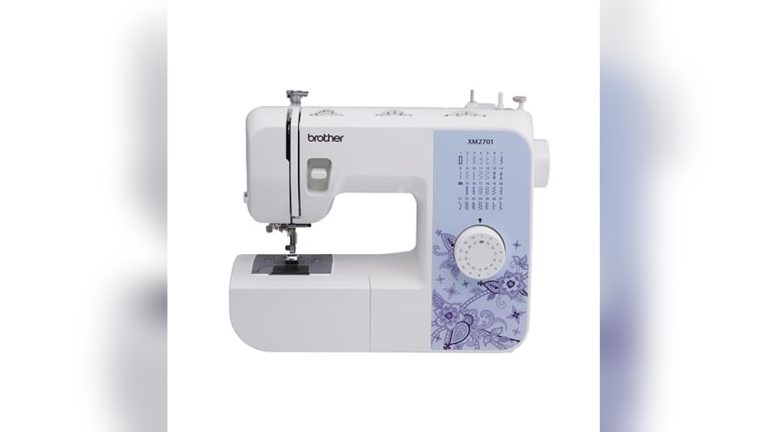
How Sewing Machine Works Step by Step: Ultimate Guide Unveiled
Have you ever wondered how a sewing machine actually works? Whether you’re just starting to sew or looking to improve your skills, understanding how your machine operates can make a huge difference.
Knowing each step in the process will help you sew faster, fix problems easily, and create beautiful stitches every time. You’ll discover exactly how a sewing machine works, step by step, in simple language. By the end, you’ll feel confident using your machine like a pro—and that’s a promise you don’t want to miss.
Keep reading to unlock the secrets behind your sewing machine’s magic!
Sewing Machine Basics
The sewing machine is a useful tool for making clothes and other fabric items. It speeds up sewing and makes stitches strong and even. Understanding the basics helps you use the machine better.
Each part of the sewing machine has a special job. Knowing these parts helps you fix problems and sew with ease. Different sewing machines work in different ways.
Key Components
The needle moves up and down to pass the thread through fabric. The bobbin holds the lower thread inside the machine. The presser foot holds the fabric steady while sewing. The feed dogs are small teeth that pull fabric forward. The hand wheel controls the needle’s movement manually. The tension dial adjusts how tight the thread is.
Types Of Sewing Machines
Mechanical machines use knobs and levers to control stitches. They are simple and easy to repair. Electronic machines have buttons and screens for stitch selection. They offer more stitch options and speed control. Computerized machines have a digital interface and many features. They can sew complex patterns automatically.
Preparing The Machine
Preparing the sewing machine is the first step before stitching. This ensures smooth sewing and prevents thread jams. The machine must be set up correctly to work well. Two main tasks are threading the upper thread and winding the bobbin. Both are easy to do and important for good sewing results.
Threading The Upper Thread
Start by placing the spool of thread on the spool pin. Pull the thread gently and follow the machine’s thread guide path. Pass the thread through the tension discs to control tightness. Next, pull the thread through the take-up lever. Finally, bring the thread down to the needle. Insert the thread through the needle’s eye from front to back. Pull a few inches of thread out to the back of the machine. This setup keeps the thread steady during sewing.
Winding And Inserting The Bobbin
Place an empty bobbin on the bobbin winder spindle. Take the thread from the spool and wrap it around the bobbin a few times. Push the bobbin winder to start winding the thread evenly. Once full, cut the thread and remove the bobbin. Open the bobbin case or cover on the machine. Insert the bobbin with the thread unwinding in the correct direction. Pull the thread through the bobbin tension spring. Close the bobbin case securely. The bobbin supplies the lower thread for stitching.
Setting Up For Stitching
Setting up your sewing machine correctly helps create neat and strong stitches. It prepares your machine to work smoothly without problems. This step saves time and avoids frustration during sewing.
Focus on choosing the right stitch, adjusting its size, and picking the proper needle and thread. These choices affect how your fabric looks and holds together.
Selecting Stitch Type
Most machines have many stitch options. Straight stitch is the most common for joining fabric pieces. Zigzag stitch helps finish edges and add stretch. Decorative stitches add style to your project. Choose a stitch based on your fabric and sewing need.
Adjusting Stitch Length And Width
Stitch length controls how far apart each stitch sits. Short stitches hold fabric tightly. Long stitches work well for basting or gathering. Stitch width changes zigzag size. Wider zigzags give stronger edges. Adjust length and width to match your fabric type and sewing task.
Choosing The Right Needle And Thread
Needle size and type must fit the fabric thickness and texture. Use a sharp needle for woven fabrics. Ballpoint needles work better for knits. Thread should be strong and smooth. Cotton thread suits light fabrics. Polyester thread works well for heavy or stretchy fabrics. Match needle and thread for smooth sewing without breaks or snags.

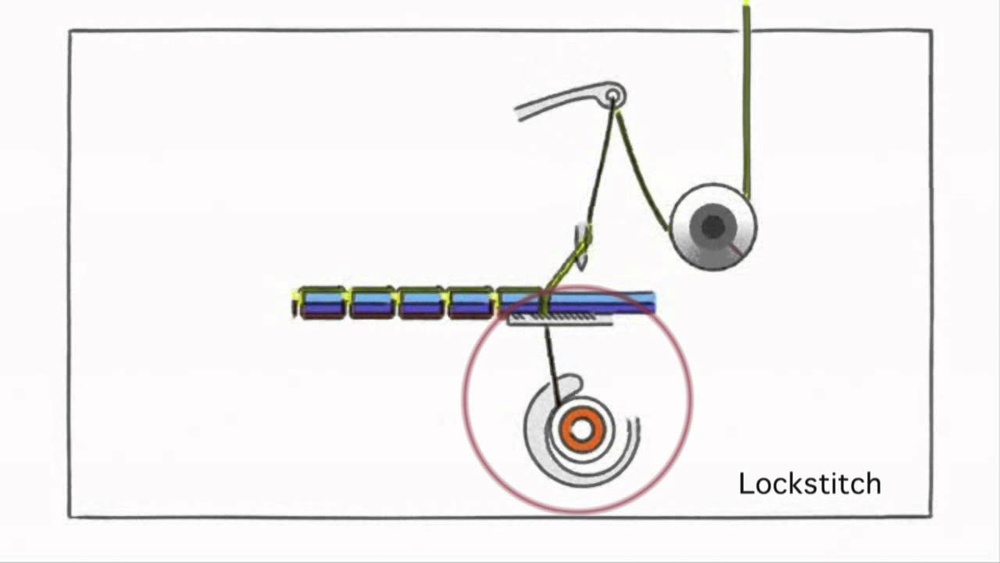
Credit: animagraffs.com
Step-by-step Sewing Process
The step-by-step sewing process helps you create neat and strong stitches. Understanding each step makes sewing easier and less confusing. Follow these simple actions to use your sewing machine correctly.
Positioning The Fabric
Place the fabric under the needle carefully. Align it with the guide marks on the machine. Hold the fabric firmly but do not stretch it. This ensures straight and even stitches.
Starting To Sew
Lower the presser foot to hold the fabric in place. Gently press the foot pedal or start button. The needle will begin moving up and down. Begin sewing slowly to check the fabric movement.
Controlling Speed And Direction
Use the foot pedal to control sewing speed. Press gently for slow stitching and harder for faster. Guide the fabric with your hands to change direction. Keep your hands steady to avoid uneven stitches.
Finishing The Stitch
Stop sewing a few stitches past the end of your line. Raise the needle and lift the presser foot. Pull the fabric away from the machine carefully. Cut the thread close to the fabric for a clean finish.
Common Issues And Fixes
Sewing machines work well most times, but problems can happen. Knowing common issues helps fix them fast. This keeps your sewing smooth and saves time. Below are some frequent problems and how to solve them step by step.
Thread Breakage
Thread breakage can stop your sewing and cause frustration. Check if the thread is old or weak. Replace it with good quality thread. Make sure the thread is correctly threaded through the machine. Tighten or loosen the tension if needed. Clean the machine to remove dust or lint. These steps often stop thread breaking.
Skipped Stitches
Skipped stitches make your sewing look uneven. Change the needle if it is dull or bent. Use the right needle for your fabric type. Check if the needle is inserted correctly and pushed up all the way. Adjust the machine tension to match your thread and fabric. Clean the machine’s bobbin area from dust. These fixes help create perfect stitches.
Fabric Jamming
Fabric jamming can stop your work suddenly. Remove the fabric gently to avoid damage. Check if the needle is the right size for the fabric. Clean the feed dogs and remove any thread or lint stuck there. Make sure the presser foot pressure matches your fabric thickness. Slow down your sewing speed to prevent jams. These tips reduce fabric jams efficiently.

Credit: hobbycouture.com
Maintenance Tips
Keeping your sewing machine in good shape helps it run smoothly. Regular maintenance avoids problems and saves money. Simple care steps extend your machine’s life and improve sewing quality.
Cleaning The Machine
Dust and lint gather inside the machine during use. Clean these particles often with a small brush. Remove the needle plate to reach hidden areas. Use a soft cloth to wipe the exterior. Never use water directly on the machine parts.
Lubrication Points
Moving parts need oil to work without friction. Check the manual for oiling spots and use sewing machine oil only. Apply a drop of oil to each point. Avoid over-oiling as it can cause dirt buildup. Lubricate the machine after every few hours of use.
Regular Checkups
Inspect your machine for loose screws and parts. Tighten screws to prevent damage during sewing. Test the tension and adjust if stitches look uneven. Replace worn needles regularly for better results. Schedule professional servicing once a year for deep maintenance.

Credit: love-sew.com
Frequently Asked Questions
How Does A Sewing Machine Create Stitches?
A sewing machine uses a needle and thread to form stitches. The needle passes through the fabric, interlocking the top and bobbin threads. This process creates strong, even stitches quickly and efficiently, making sewing faster than hand stitching.
What Are The Main Parts Of A Sewing Machine?
Key parts include the needle, bobbin, feed dogs, presser foot, and tension control. Each part plays a vital role in stitching fabric smoothly and accurately. Understanding these parts helps you operate the machine effectively.
How Does The Feed Dog Move Fabric In Sewing?
Feed dogs are small teeth beneath the needle plate. They grip and move fabric forward with each stitch. This movement ensures even stitching and consistent fabric feeding during sewing.
Why Is Thread Tension Important In Sewing Machines?
Proper thread tension ensures balanced stitches without loops or puckering. Adjusting tension controls the tightness of the thread on fabric. Correct tension improves stitch quality and prevents thread breakage.
Conclusion
Sewing machines join fabric quickly and neatly. Each part works together to make stitches. The needle moves up and down with thread. The bobbin thread loops below the fabric. You control speed and direction with pedals or buttons. Understanding these steps helps you use machines better.
Sewing becomes easier and more fun this way. Practice often to feel confident while sewing. Keep your machine clean and well-oiled too. Small efforts lead to smooth sewing results. Now, you know how a sewing machine works!