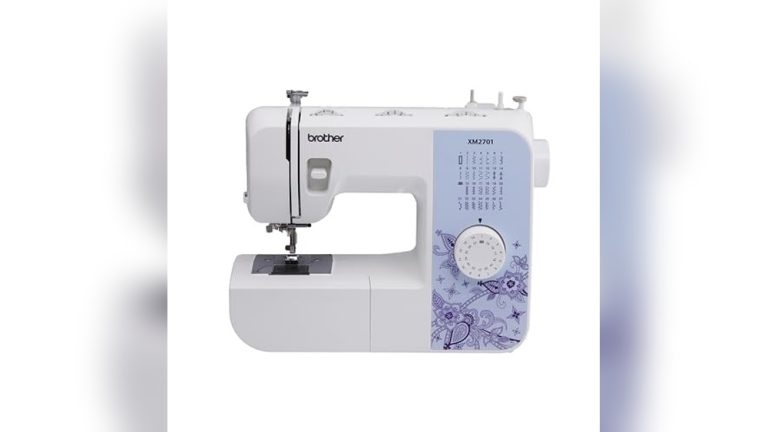
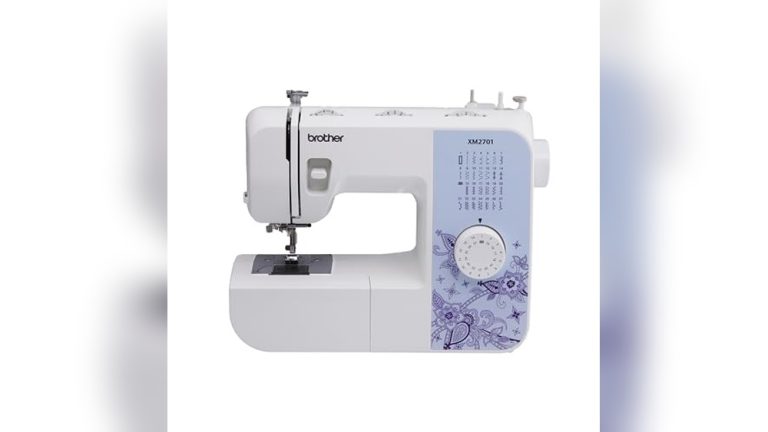
How Much Does Sewing Machine Weigh: Ultimate Guide to Sizes & Models
Are you wondering how much a sewing machine weighs? Whether you’re planning to carry your machine to classes, store it safely, or just curious before buying one, knowing its weight is important.
The weight can affect how easy it is to move, where you can place it, and even how comfortable it is to use. You’ll discover the typical weight range of different sewing machines and what that means for your daily sewing projects.
Keep reading to find out what to expect and how to choose the right machine for your needs.
Sewing Machine Weight Basics
Sewing machines come in many shapes and sizes. Their weight varies a lot. Knowing the basic facts about sewing machine weight helps you choose the right one. Weight affects how easy it is to carry and move the machine. It also changes how steady the machine feels when sewing.
Factors Influencing Weight
Size plays a big role in the weight of a sewing machine. Bigger machines usually weigh more. The type of sewing machine matters too. Mechanical models tend to be heavier than electronic ones. The built-in features add weight. More features mean more parts inside. Portability is another factor. Machines designed for travel are lighter. Heavy machines stay stable on the table but are hard to move.
Materials Used In Machines
The materials used in a sewing machine affect its weight. Older machines use metal parts, making them heavy. Modern machines use plastic and lightweight metals. Plastic parts reduce weight but may feel less sturdy. Metal parts add durability and weight. Some machines mix materials to balance weight and strength. The base material also matters. A metal base adds weight but improves stability.

Credit: auribuzz.com
Weight By Machine Type
Sewing machines come in different types. Each type has a different weight. Knowing the weight helps you choose the right machine for your needs. Some machines are heavy and stay on a table. Others are light and easy to carry. Let’s explore the weight of each machine type.
Mechanical Sewing Machines
Mechanical sewing machines are usually the heaviest. They weigh between 15 and 20 pounds. These machines have strong metal parts inside. This makes them durable but heavy. They are best for home use. They stay in one place because moving them is hard.
Electronic Sewing Machines
Electronic machines are lighter than mechanical ones. They weigh about 10 to 15 pounds. These machines have electronic parts that help with stitching. They are easier to move but still solid. Many sewers like them for their balance of weight and features.
Portable And Mini Machines
Portable and mini sewing machines are the lightest. They weigh between 3 and 8 pounds. These machines are small and easy to carry. You can take them to classes or trips. They work well for simple sewing tasks. Their light weight is perfect for quick fixes or beginners.
Weight Differences In Models
Sewing machines come in many types and sizes. Their weight varies a lot. Understanding these differences helps you pick the right machine. Weight affects how easy it is to move and use the machine. Some models are light and portable. Others are heavy and built for tough work.
Home Vs. Industrial Machines
Home sewing machines usually weigh between 10 and 20 pounds. They are made for basic sewing tasks. Lightweight models are easy to carry and store. This suits hobbyists and casual sewers well.
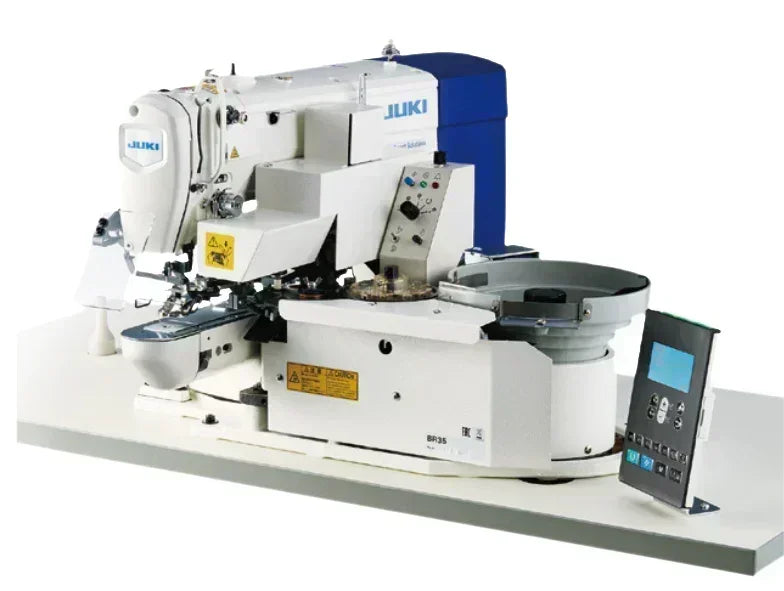
Industrial sewing machines are much heavier. They can weigh 50 pounds or more. These machines have strong motors and metal parts. They handle thick fabrics and long hours of work. Their weight adds stability and durability.
Specialty Sewing Machines
Specialty machines serve unique purposes like embroidery or quilting. Their weight varies depending on features and build. Embroidery machines can weigh around 15 to 25 pounds. Quilting machines tend to be heavier to support large fabric layers.
Some specialty models have extra attachments. These add to the overall weight. Choosing the right weight depends on your sewing needs and workspace.
Credit: all-about-sewing-canada.myshopify.com
Size And Weight Correlation
The size of a sewing machine often affects its weight. Larger machines usually weigh more. Smaller machines tend to be lighter and easier to carry. Understanding this link helps in choosing the right machine for your needs. Weight impacts portability and storage. Size affects workspace and type of projects you can handle.
Compact Models
Compact sewing machines are small and light. They typically weigh between 5 to 10 pounds. Easy to move and store, they fit well in tight spaces. These machines are perfect for beginners or casual sewing. They handle simple tasks but may lack advanced features. Their size makes them travel-friendly for sewing classes or trips.
Full-size Machines
Full-size sewing machines weigh more, usually 15 to 25 pounds. Their larger frames support heavy fabrics and complex projects. These machines offer more power and stability. Ideal for serious sewists or large projects like quilts. They need a dedicated workspace due to their size. Heavier weight means less movement during sewing for better precision.
Impact Of Weight On Portability
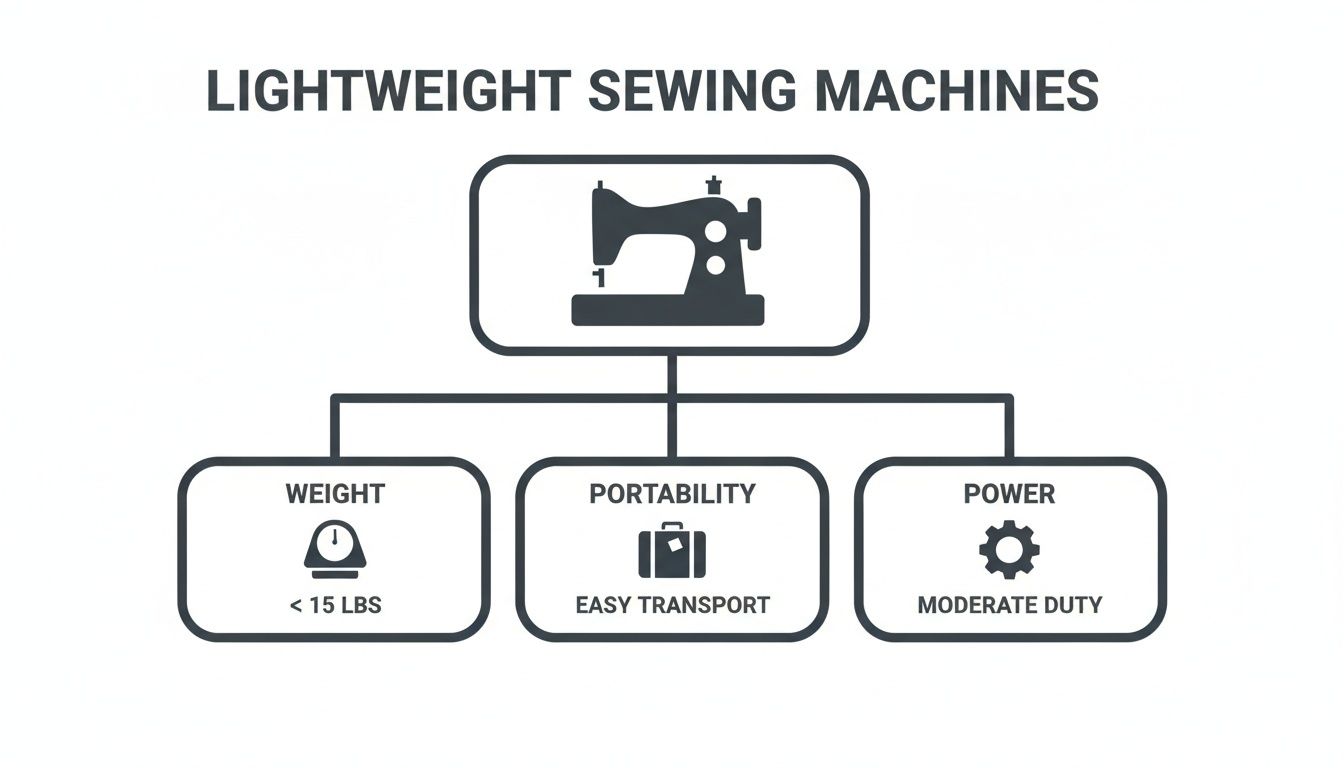
The weight of a sewing machine greatly affects how easy it is to carry. Portability matters for users who want to move their machine often. A heavy machine can be hard to transport and store. Lightweight models offer comfort and ease of use on the go.
Travel-friendly Machines
Small and light sewing machines weigh between 5 to 10 pounds. They fit easily into bags or small cases. These machines suit hobbyists and beginners who sew outside home. Their compact size makes them perfect for travel and quick projects. Most travel-friendly machines run on batteries or low power.
Heavy-duty Portability Solutions
Heavy-duty machines can weigh 15 pounds or more. They handle thick fabrics and long sewing sessions. To carry these, users need strong cases or carts. Some models come with wheels for easy movement. Heavy-duty solutions focus on protecting the machine during transport. They balance power and mobility for serious sewers.
Credit: prizzisewing.com
Choosing The Right Weight For Your Needs
Choosing the right weight for your sewing machine is important. The weight affects how easy it is to move and use the machine. It also impacts the type of projects you can do. Different users need different weights to work comfortably and safely.
Beginners And Light Machines
Light sewing machines usually weigh between 5 to 10 pounds. They are easy to carry and store. Beginners like these machines because they are simple and less heavy. Light machines suit small projects and basic sewing tasks. They work well for casual users or kids. These machines are easy to move from room to room. They also do not take much space on the table.
Experienced Users And Heavy Machines
Heavy sewing machines often weigh over 15 pounds. They are strong and stable for big projects. Experienced users prefer heavy machines for thick fabrics. These machines handle leather, denim, and multiple layers well. They stay steady during fast stitching or long sessions. Heavy machines may not be easy to carry around. They are best for a fixed sewing space at home or studio.
Tips For Handling Heavy Sewing Machines
Heavy sewing machines require careful handling to avoid injury and damage. Knowing how to lift, store, and move these machines can save time and effort. Follow simple tips to keep your sewing machine safe and yourself comfortable.
Safe Lifting Techniques
Bend your knees before lifting the machine. Keep your back straight and hold the machine close to your body. Use both hands to get a firm grip. Avoid twisting your body while carrying the machine. Lift slowly and steadily to prevent strain. Ask for help if the machine feels too heavy.
Storage And Transport
Store the machine on a sturdy, flat surface. Use a protective cover to keep dust away. For transport, place the machine in a strong box or case. Secure it with padding to prevent movement. Carry the box with care, using handles or straps. Avoid placing heavy items on top of the machine.
Frequently Asked Questions
How Much Does A Standard Sewing Machine Weigh?
A standard sewing machine typically weighs between 10 to 15 pounds. This weight makes it portable yet stable for most sewing tasks. Lightweight models may weigh less, while heavy-duty machines can be heavier.
What Factors Affect A Sewing Machine’s Weight?
The weight depends on the machine’s size, materials, and motor type. Metal components add weight, while plastic parts reduce it. Heavy-duty machines with larger motors are usually heavier than basic models.
Are Portable Sewing Machines Lighter In Weight?
Yes, portable sewing machines usually weigh between 5 to 10 pounds. They are designed for easy transport and light sewing projects. However, they may have fewer features than full-sized machines.
How Does Sewing Machine Weight Impact Usability?
Heavier machines provide stability and reduce vibration during use. Lightweight machines are easier to carry but may move around while sewing. Choose weight based on your sewing needs and portability preferences.
Conclusion
Sewing machine weight varies by type and size. Portable models weigh less, ideal for travel. Heavy machines offer stability but are harder to move. Choose a machine that fits your space and needs. Remember, weight affects comfort and ease of use.
Knowing the weight helps you make a smart choice. Keep this in mind when shopping for a sewing machine. Your project success depends on picking the right tool. Simple as that.