What the Best Machine for Quilters And Sewing: Top Picks Revealed
Are you ready to take your quilting and sewing projects to the next level? Choosing the best machine can make all the difference between frustration and pure creative joy.
Whether you’re a beginner or an experienced quilter, the right machine will help you work faster, stitch smoother, and bring your ideas to life with ease. You’ll discover exactly what to look for in a sewing machine that fits your needs perfectly.
Keep reading to find the perfect match for your craft and unlock your full creative potential.
Key Features For Quilting Machines
Choosing the right quilting machine means knowing the key features to prioritize. These features help create beautiful quilts with less effort. Understanding what makes a machine suitable for quilting saves time and frustration. Here are the essential features every quilter should consider.
Stitch Options And Customization
Quilting machines must offer various stitch types. Straight stitches, zigzag stitches, and decorative patterns are important. The ability to adjust stitch length and width allows for precise control. Customizing stitches helps match fabric types and design needs. Some machines include memory settings to save favorite stitches. This feature makes repeating complex patterns easier and faster.
Durability And Build Quality
A quilting machine must be strong and sturdy. Metal frames and quality parts ensure long-lasting use. Durable machines handle thick layers of fabric without damage. A solid build reduces vibrations and keeps stitches even. Machines with good durability require less maintenance and repair. This reliability is crucial for large quilting projects.
Ease Of Use And Setup
Simple setup saves time and reduces frustration. Clear instructions and user-friendly controls help beginners start quickly. Automatic needle threading and easy bobbin loading make sewing smoother. Intuitive screens and buttons improve the sewing experience. Machines designed for ease of use allow quilters to focus on creativity.
Workspace Size And Lighting
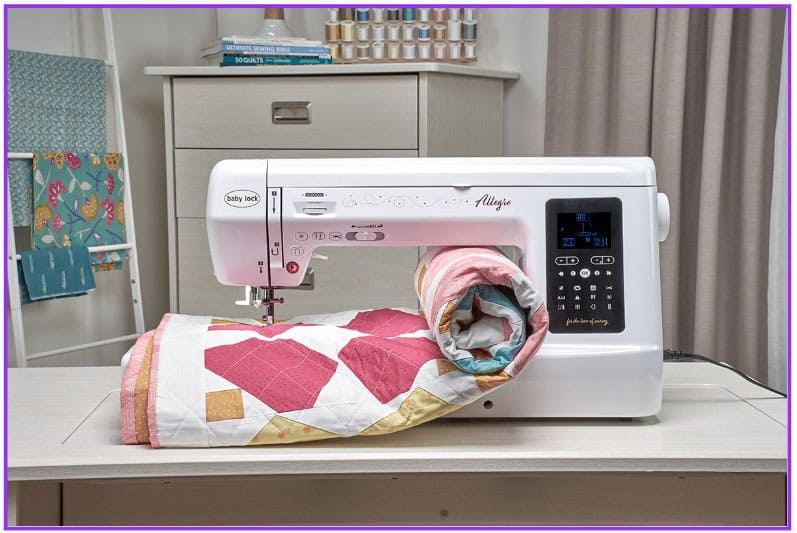
A large workspace supports handling big quilt pieces comfortably. Extra space helps keep fabric flat and straight during sewing. Bright built-in lights improve visibility of stitches and fabric details. Good lighting reduces eye strain during long quilting sessions. Spacious, well-lit areas enhance precision and overall quilting quality.
Credit: amongbrendasquilts.com
Types Of Sewing Machines For Quilters
Choosing the right sewing machine is key for quilters. Different machines offer various features suited for quilting tasks. Understanding the types of machines helps find the best fit for your needs. Some machines focus on basic stitching, while others provide advanced quilting options.
Here are the main types of sewing machines used by quilters.
Mechanical Machines
Mechanical machines have manual controls for stitch length and width. They are simple to use and easy to maintain. These machines suit beginners or those who prefer straightforward sewing. Mechanical models are often more affordable than computerized ones. They handle standard quilting tasks well.
Computerized Machines
Computerized machines offer programmable stitch patterns and settings. They provide precision and consistency in stitching. These machines can save custom designs for repeated use. Quilters who want more control and variety choose computerized models. They often include helpful features like automatic thread cutting.
Long-arm Quilting Machines
Long-arm machines have a large sewing area. They handle big quilts with ease. These machines allow smooth movement of the quilt under the needle. Quilters who work on large projects prefer long-arm models. They make quilting faster and reduce fabric handling challenges.
Portable And Lightweight Models
Portable machines are small and easy to carry. They fit well in limited spaces or for sewing on the go. Lightweight models suit quilters who attend classes or quilting groups. Despite their size, many portable machines offer good stitch quality. They balance convenience and functionality for everyday quilting.
Top Machines For Beginners
Choosing the right sewing machine is key for beginners. The best machines offer ease, reliability, and helpful features. These make learning fun and less stressful. A good machine helps you build skills quickly and with confidence.
Many machines target new quilters and sewers. They focus on simple controls and clear instructions. Some models come with extra tools for quilting and basic sewing projects. This section shows top beginner-friendly machines to consider.
Affordable And User-friendly Picks
Budget-friendly machines often have straightforward designs. They include essential stitches and easy threading systems. These models keep costs low without losing quality. Many offer automatic needle threading and simple stitch selection. This helps beginners start fast and avoid confusion.
Essential Features For Starters
Look for machines with clear stitch options and speed control. A built-in needle threader saves time and frustration. Adjustable stitch length and width help create neat seams. A free arm makes sewing sleeves and pant legs easier. Light weight and compact size improve portability and storage.
Recommended Brands And Models
Singer, Brother, and Janome lead in beginner machines. The Singer Start 1304 offers basic functions with solid build quality. Brother CS6000i has many stitches and an LCD screen for easy use. Janome Magnolia 7318 is known for smooth stitching and durability. These brands provide helpful manuals and online tutorials.

Credit: sewnikki.com
Best Machines For Advanced Quilters
Advanced quilters need machines that match their skill and creativity. These machines offer strong performance and special tools to handle complex projects. The right machine helps make quilting faster and more precise. It supports a wide range of fabrics and patterns.
Choosing a machine designed for heavy use ensures it lasts through many projects. Advanced quilters often work on large quilts, so the machine must be reliable. Below are key features to consider for the best machines for advanced quilters.
High-end Features And Performance
Top machines come with powerful motors for smooth stitching. They offer fast sewing speeds without losing control. Large workspaces accommodate big quilt pieces easily. Adjustable stitch length and width help create detailed designs. Bright LED lights show every stitch clearly.
Specialized Quilting Functions
Advanced machines include features like free-motion quilting and automatic thread cutting. Many have built-in quilting stitches and patterns. Some models offer precise needle positioning for complex designs. Walking feet and dual feed systems improve fabric handling. These functions make quilting easier and more enjoyable.
Durability For Heavy Use
Durable machines use metal frames for long-lasting strength. They handle thick layers of fabric without strain. Quality parts reduce wear and tear over time. Maintenance is simple, keeping the machine running well. A strong machine supports ongoing quilting projects without breaking down.
Budget-friendly Machines Worth Considering
Budget-friendly sewing machines offer great options for quilters and sewers. They provide good performance without a high price. Choosing the right machine means finding a balance between cost and features. Many affordable machines come with useful functions. These can help you complete projects with ease and precision.
Consider what features matter most. Some machines include automatic needle threading, adjustable stitch length, and multiple stitch patterns. These features make sewing smoother and more enjoyable. Quality matters too. A well-built machine lasts longer and handles different fabrics better.
Balancing Cost And Quality
Finding a machine that costs less but works well is key. Low price does not always mean low quality. Some budget machines have strong metal parts and reliable motors. These machines can handle quilting and sewing tasks without breaking down.
Check customer reviews and brand reputation. A trusted brand often offers better support and parts. Avoid very cheap machines with plastic parts that may wear out quickly. Aim for a machine that feels sturdy and runs smoothly.
Features You Shouldn’t Skip
Look for machines with adjustable stitch length and width. These let you customize your stitches for different projects. An automatic needle threader saves time and reduces eye strain. A free arm is helpful for sewing sleeves and small items.
Multiple stitch options allow creativity. Straight, zigzag, and buttonhole stitches are essential. Some machines include a speed control feature. This helps you sew slowly and accurately when needed.
Top Value Models
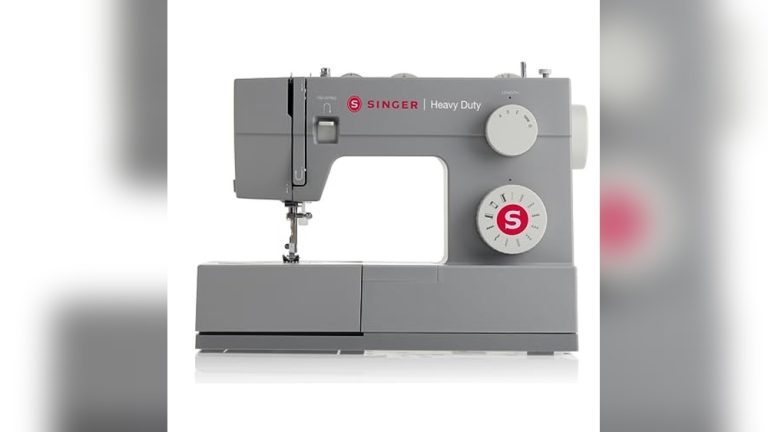
Several machines offer excellent value for quilters and sewers. Brands like Brother, Singer, and Janome have affordable models with good features. The Brother CS6000i offers a wide stitch selection and easy setup. Singer Heavy Duty 4423 is strong and fast for thick fabrics.
Janome Magnolia 7318 is simple to use and reliable. These machines fit well into a modest budget. They provide quality and features that meet the needs of most beginners and intermediate users.
Maintenance Tips For Sewing Machines
Maintaining your sewing machine is key to keeping it running smoothly. Regular care prevents problems and extends the machine’s life. Simple steps can save time and money in repairs. Here are essential tips every quilter and sewer should know.
Cleaning And Lubrication
Dust and lint build up inside the machine. Clean the bobbin area after every few uses. Use a small brush or compressed air to remove debris. Avoid using water or harsh cleaners.
Lubricate moving parts with sewing machine oil. Check your machine’s manual for oil points and recommended oil type. Use oil sparingly to avoid excess buildup. Regular lubrication reduces friction and keeps parts moving smoothly.
Troubleshooting Common Issues
Thread breaks often mean tension problems or poor threading. Re-thread the machine carefully and check tension settings. If stitches skip, check the needle for damage or incorrect size. Replace needles regularly to avoid fabric damage.
Unusual noises may signal a need for cleaning or lubrication. If the machine jams, remove fabric and clean the bobbin case. Consult the manual for basic troubleshooting steps before seeking help.
When To Get Professional Servicing
Schedule professional servicing at least once a year. Technicians clean, oil, and adjust parts precisely. Seek help if your machine has persistent issues after basic care. Avoid trying complex repairs yourself to prevent damage.
Professional servicing ensures your sewing machine stays in top condition. It helps maintain stitch quality and prolongs machine lifespan. Don’t delay service if your machine is showing signs of wear.
Accessories To Enhance Quilting Experience
Accessories play a big role in making quilting easier and more fun. They help improve the quality of your work. These tools save time and add precision. Choosing the right accessories can boost your quilting experience.
Presser Feet And Attachments
Presser feet help guide fabric smoothly under the needle. Special feet make tasks like quilting, piecing, and appliqué simpler. Walking feet prevent fabric from shifting. Free-motion feet allow creative stitching. Other attachments include rulers and guides for straight lines.
Quilting Software And Tools
Quilting software helps design patterns and layouts. It lets you preview your quilt before sewing. Some tools convert images into stitch patterns. These programs save time and reduce errors. Simple tools like seam gauges and rotary cutters also improve accuracy.
Storage And Organization Aids
Keeping supplies organized saves time and frustration. Storage bins, boxes, and drawers hold fabric and tools neatly. Thread racks and bobbin cases prevent tangles. Portable organizers help carry essentials to classes or retreats. A tidy space keeps creativity flowing smoothly.
Credit: www.youtube.com
Frequently Asked Questions
What Features Make A Sewing Machine Best For Quilters?
The best quilting machines offer large workspaces, adjustable stitch lengths, and strong motors. They handle thick fabrics and multiple layers easily. Features like a walking foot and needle position control are essential for precise quilting.
Which Sewing Machine Brands Are Preferred By Quilters?
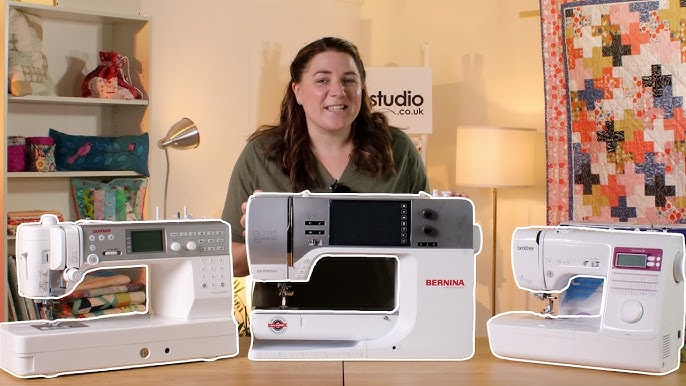
Popular brands for quilting include Brother, Janome, Singer, and Bernina. These brands provide reliable, durable machines with specialized quilting features. They also offer good customer support and a variety of models to suit different skill levels.
Can A Regular Sewing Machine Be Used For Quilting?
Yes, but regular machines may lack features like a large throat space and strong motors. Quilting requires handling thick layers, so a dedicated quilting machine is usually better. However, beginners can start quilting with a standard machine if it supports free-motion stitching.
How Important Is Stitch Variety For Quilting Machines?
Stitch variety is important but not critical. Straight and zigzag stitches are essential. Additional decorative stitches can enhance quilt designs. However, basic stitch options with adjustable length and width usually suffice for most quilting projects.
Conclusion
Choosing the best machine for quilters and sewing depends on your needs. Think about your skill level and project types. A good machine saves time and improves your work quality. Look for features like stitch variety and ease of use.
Comfort and durability matter too. Take your time to compare options before buying. This way, your sewing experience will be more enjoyable and productive. Happy sewing!