Is Brother or Singer a Better Sewing Machine?
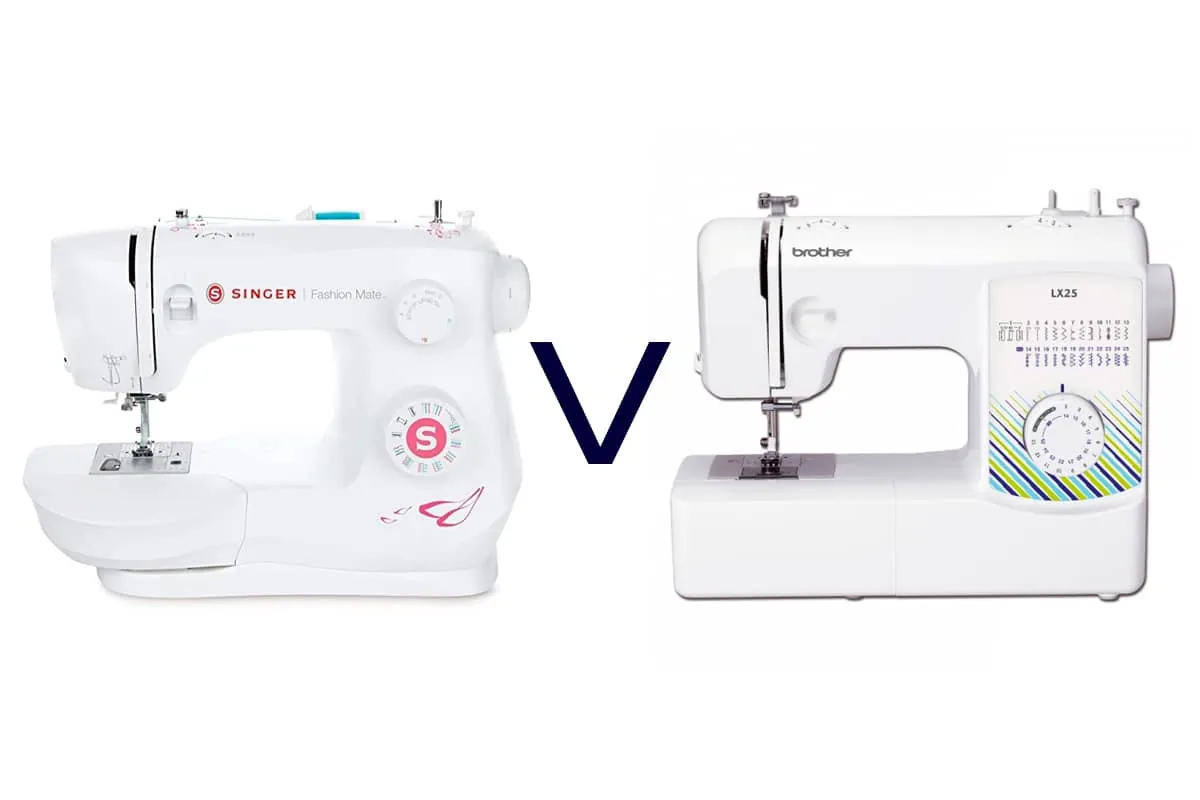
For most people, Brother is the better first sewing machine. Brother models like the XM2701 and CS7000X cost less than the alternatives and come with more built-in stitches and easier threading at that price. Singer still wins on heavy fabric and metal frames, especially the Heavy Duty 44S. If you sew denim or canvas most weeks, buy Singer. If you sew cotton, knits and repairs, buy Brother.
Which sewing machine is better
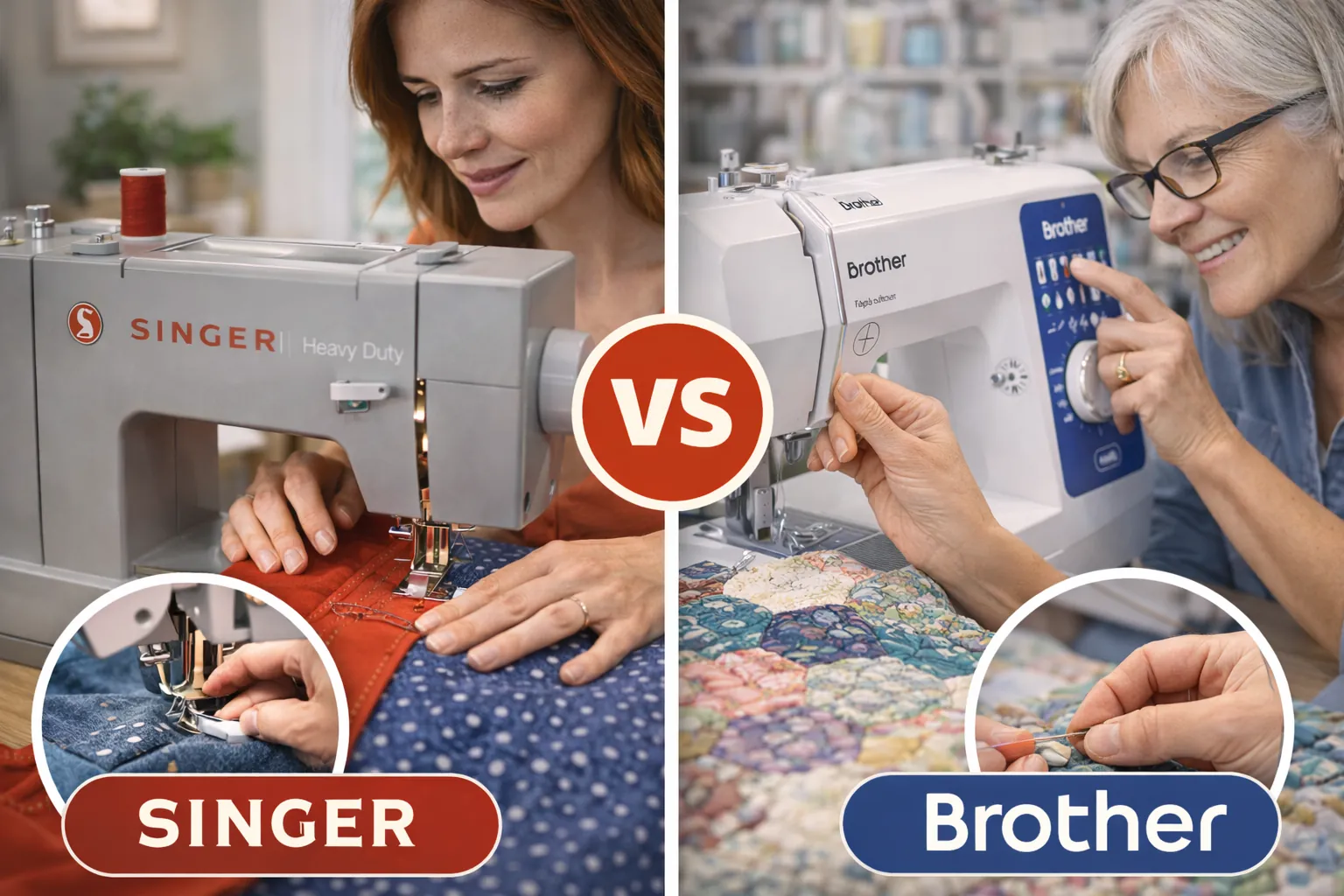
The price is the same. The parts inside are not. Brother puts its money into electronics — speed control, needle up/down, a one-step buttonhole — for less than the alternative. Singer puts its money into a metal frame and a stronger motor. That single split decides what each brand does well.
The mistake people make is buying on the name alone. Singer has been around since 1851, so it feels safer. But brand history doesn’t tell you what’s inside the box in front of you. Check the machine’s weight and motor amps on the spec sheet before you pay. A heavier machine handles thick seams better; a lighter one is easier to carry to a class.
How to pick the right one for your sewing
- Write down what you’ll sew most. If 8 out of 10 projects are cotton, quilting or hemming, Brother’s stitch count and auto threader save you time. If half your work is denim, canvas or leather, go Singer.
- Set your budget first. At the lower end, Brother gives more features for less money. At the higher end, both brands sell solid machines, so compare the motor amps, not the badge.
- Check the motor rating on the spec sheet. Most Brother home machines run lower than Singer Heavy Duty models. A higher rating means the needle pushes through thick layers without stalling. Have a technician confirm the rating if you’re unsure.
- Test the threading before you buy. Ask the store for a demo, or watch the brand’s own setup video. Brother’s auto needle threader is a real time-saver if your eyesight or hands aren’t what they were.
- Look at the feet and accessories in the box. A walking foot, a zipper foot and a quilting guide add up fast if you buy them later. Count what’s included on the product page.
- Check the warranty length and who repairs it. Brother and Singer both publish their warranty terms on their own sites. A local repair shop that services your brand matters more than a longer paper warranty.
Tip: Don’t judge by stitch count alone. A machine with 60 stitches you never use is worse value than one with 20 you do.
Tip: Bring a scrap of your thickest fabric to the store. If the demo machine can’t sew it, the one at home won’t either.
If your machine needs internal repair — the motor, the wiring, the foot pedal — stop there. That’s technician work, not a home fix. A sewing machine can start or run unexpectedly while you work on it, so unplug it and take it to an authorized service center.
How long each brand lasts

A Brother or Singer bought new for home use usually lasts a good while before it needs real service. That range assumes light to medium use — a few hours a week on cotton and knits. Heavy daily use, or thick fabric every session, shortens it. Neither brand publishes a fixed lifespan, so treat any exact number you see online with care.
| Situation | How long | What changes it | What to watch for |
|---|---|---|---|
| Light home use, cotton and knits | 8–10 years | Regular cleaning, fresh needles | Loose stitches, skipped stitches |
| Weekly quilting | 5–8 years | Batting thickness, needle changes | Motor heat after long sessions |
| Daily use, mixed fabric | 3–6 years | Motor load, service history | Slowing speed, odd noises |
| Heavy fabric most weeks | 2–5 years | Denim, canvas, leather | Stalling, broken needles |
| Stored unused for years | Unknown | Dust, dried oil, rust | Seized handwheel on first use |
If it’s taking far longer than the table says, stop forcing it. A machine that stalls on thin cotton needs a service check, not more pressure on the pedal.
Signs the machine is working right
Stitches should look even on both sides of the fabric, with no loops underneath. The feed dogs should pull the fabric through at a steady pace without you tugging. Listen for a smooth hum — a grinding or clicking sound means something is out of line. Check the needle: a bent or dull needle causes more skipped stitches than any brand difference.
The one test that settles it: sew a straight line on a scrap of your thickest fabric, then flip it over. If the top and bottom look the same, the tension and the machine are set up right. If the bottom is loopy, rethread the top and check the bobbin.
For safety and care rules, the U.S. Consumer Product Safety Commission publishes recall notices for both brands, so check there if a model number looks familiar. Follow the cleaning steps in your own manual — the manufacturer’s guide is the one that matches your machine.
Mistakes that ruin the result
- Buying on brand name alone. Singer’s long history doesn’t mean every Singer model beats every Brother. Check the motor amps and weight on the spec sheet, then decide.
- Ignoring the fabric you actually sew. A $150 Brother that’s perfect for quilting will struggle with denim. Match the machine to your most common project, not your dream project.
- Skipping the demo. Buying online without watching the setup video means you learn the threading at home, alone, with the manual. Watch the brand’s own video first.
- Never changing the needle. A dull needle causes skipped stitches, pulls fabric and can break. Change it every 6 to 8 hours of sewing, or sooner on thick fabric.
- Storing it without cleaning. Dust and old oil seize the handwheel over time. Clean the bobbin area and add a drop of machine oil per your manual before you put it away.
Frequently asked questions
Is Brother or Singer a better sewing machine for beginners?
Brother is usually the better pick for beginners. Its entry models cost less, thread more easily and include an auto needle threader. Singer suits a beginner who already knows they’ll sew denim or canvas. For plain cotton, repairs and simple quilting, start with Brother.
Can a Singer sew through denim?
Yes, Singer Heavy Duty models can sew denim. Their higher motor amps and metal frames push through thick seams that stall lighter machines. Use a denim needle (size 100/16) and go slow. A standard Brother home machine can handle light denim but will struggle with double-folded seams.
Why is my Brother sewing machine skipping stitches?
Skipped stitches usually mean a dull or wrong needle, not a brand fault. Change the needle, rethread the top, and check the bobbin is wound evenly. If it still skips on thin fabric, the tension needs adjusting. Take it to a service center if the problem continues after those checks.
How long do Brother sewing machines last?
A Brother home machine lasts a good while with light to medium use. That assumes a few hours a week on cotton and knits, plus regular cleaning and needle changes. Heavy daily use or thick fabric shortens that. Brother doesn’t publish a fixed lifespan, so check your manual for care steps.
Is it safe to repair a sewing machine at home?
No, not past basic cleaning. You can change the needle, the bobbin and the presser foot yourself. Anything inside the housing — motor, wiring, foot pedal — is technician work. Unplug the machine before you handle it, so it can’t start while you work, and take it to an authorized service center.
What happens if I use the wrong needle?
The wrong needle causes skipped stitches, snagged fabric and broken needles. A ballpoint needle for knits, a sharp for wovens, and a denim needle for thick fabric. Using a sharp needle on knits can pull the fabric and leave holes. Match the needle to the fabric every time.
How often should I service a sewing machine?
Service it once a year for home use, or every 6 months if you sew daily. That covers oiling, timing checks and cleaning inside the housing. Between services, clean the bobbin area and change the needle yourself. A local repair shop that handles your brand is the best place to go.
Conclusion
The honest answer is that neither brand wins everywhere. Brother gives more features for less money, which suits most home sewers. Singer gives more muscle, which suits thick fabric and heavy use. Read your own spec sheet, check the motor amps and the weight, and let those two numbers decide for you.
{“@context”:”https://schema.org”,”@type”:”FAQPage”,”mainEntity”:[{“@type”:”Question”,”name”:”Is Brother or Singer a better sewing machine for beginners?”,”acceptedAnswer”:{“@type”:”Answer”,”text”:”Brother is usually the better pick for beginners. Its entry models cost less, thread more easily and include an auto needle threader. Singer suits a beginner who already knows they’ll sew denim or canvas. For plain cotton, repairs and simple quilting, start with Brother.”}},{“@type”:”Question”,”name”:”Can a Singer sew through denim?”,”acceptedAnswer”:{“@type”:”Answer”,”text”:”Yes, Singer Heavy Duty models can sew denim. Their higher motor amps and metal frames push through thick seams that stall lighter machines. Use a denim needle (size 100/16) and go slow. A standard Brother home machine can handle light denim but will struggle with double-folded seams.”}},{“@type”:”Question”,”name”:”Why is my Brother sewing machine skipping stitches?”,”acceptedAnswer”:{“@type”:”Answer”,”text”:”Skipped stitches usually mean a dull or wrong needle, not a brand fault. Change the needle, rethread the top, and check the bobbin is wound evenly. If it still skips on thin fabric, the tension needs adjusting. Take it to a service center if the problem continues after those checks.”}},{“@type”:”Question”,”name”:”How long do Brother sewing machines last?”,”acceptedAnswer”:{“@type”:”Answer”,”text”:”A Brother home machine lasts a good while with light to medium use. That assumes a few hours a week on cotton and knits, plus regular cleaning and needle changes. Heavy daily use or thick fabric shortens that. Brother doesn’t publish a fixed lifespan, so check your manual for care steps.”}},{“@type”:”Question”,”name”:”Is it safe to repair a sewing machine at home?”,”acceptedAnswer”:{“@type”:”Answer”,”text”:”No, not past basic cleaning. You can change the needle, the bobbin and the presser foot yourself. Anything inside the housing — motor, wiring, foot pedal — is technician work. Unplug the machine before you handle it, so it can’t start while you work, and take it to an authorized service center.”}},{“@type”:”Question”,”name”:”What happens if I use the wrong needle?”,”acceptedAnswer”:{“@type”:”Answer”,”text”:”The wrong needle causes skipped stitches, snagged fabric and broken needles. A ballpoint needle for knits, a sharp for wovens, and a denim needle for thick fabric. Using a sharp needle on knits can pull the fabric and leave holes. Match the needle to the fabric every time.”}},{“@type”:”Question”,”name”:”How often should I service a sewing machine?”,”acceptedAnswer”:{“@type”:”Answer”,”text”:”Service it once a year for home use, or every 6 months if you sew daily. That covers oiling, timing checks and cleaning inside the housing. Between services, clean the bobbin area and change the needle yourself. A local repair shop that handles your brand is the best place to go.”}}]}