Sewing Machine Cotton: Why It Is Best for Your Home Projects
For most general home projects, high-quality long-staple sewing machine cotton is the best choice because it offers excellent durability and a natural finish that matches the texture of common fabrics like quilting cotton or linen. You’ll find that this material behaves predictably under tension, making it ideal for beginners and experienced sewers alike. If you’re working with synthetic fabrics or need high-stretch seams, a polyester-core thread is a better option to prevent breakage. Always check your machine’s manual to see if it lists specific thread weight requirements for your needle size.
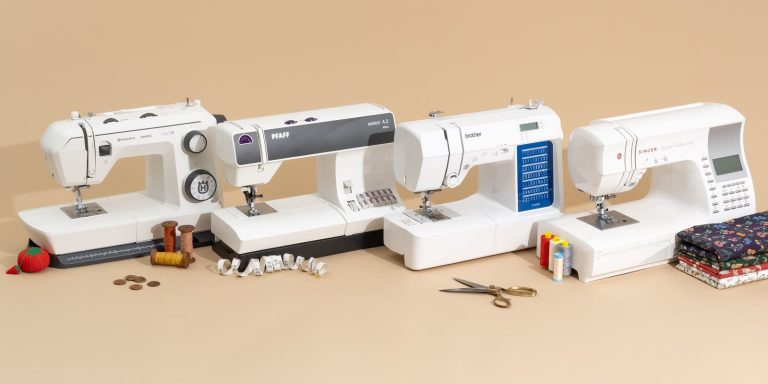
Comparing cotton for your sewing machine
Photo: blog.sulky.com on Google
The right thread choice depends heavily on the fabric you’re stitching and the intended use of the finished item.
| Method | How long | Effort | Cost | Best for |
|---|---|---|---|---|
| All-Cotton Thread | Permanent | Low | Medium | Natural fabrics |
| Polyester Thread | Permanent | Low | Low | Synthetic knits |
| Silk Thread | Permanent | High | High | Delicate finishes |
| Cotton-Wrapped Poly | Permanent | Low | Medium | General sewing |
If you choose a thread that’s too thick for your needle, the fabric will pucker. Conversely, a thread that’s too thin might lack the strength to hold the seam under pressure. Always match the needle size to the thread weight; for example, a size 80/12 needle typically pairs well with standard 50-weight thread. If the thread keeps snapping, check your tension settings before switching to a thicker thread, as the issue is often a simple mechanical adjustment rather than the material itself.
Natural fiber thread application
Using pure fiber thread requires attention to detail to ensure the stitches remain consistent and strong.
- Select a 50-weight thread, which is the standard size for most household sewing machines.
- Ensure your needle is a universal or sharp point size 80/12 to accommodate the slightly thicker texture of the fiber.
- Set your machine tension to the middle range, usually between 3 and 5, and perform a test stitch on a scrap piece of your project fabric.
- Clean the bobbin area of your machine to remove lint buildup, as natural fibers tend to shed more than synthetic alternatives.
This method excels in projects where the fabric must be pressed at high temperatures, as cotton thread won’t melt like polyester. However, it isn’t for high-stretch garments, as it lacks the elasticity needed for activewear. If you’re uncertain about thread quality, ASTM International standard D204 provides technical specifications for testing the strength and performance of sewing threads.
Synthetic blended thread application
Blended threads combine the strength of polyester with the outer appearance of cotton, making them very versatile for daily tasks.
- Match the color of the thread to your fabric as closely as possible, as these threads are often used for visible topstitching.
- Use a universal needle size 80/12, which works for the vast majority of medium-weight fabrics.
- Adjust your stitch length to 2.5 millimeters for a balance of strength and aesthetic appeal.
- Thread your machine according to the manufacturer’s instructions, ensuring the spool spins freely to prevent uneven tension.
These threads are excellent for beginners because they’re less likely to snap during complex maneuvers. They also resist shrinking, which helps keep seams flat after the garment is washed. The main weakness is that they can melt if you use a very hot iron directly on the seam, so always use a pressing cloth.
Specialized silk thread application
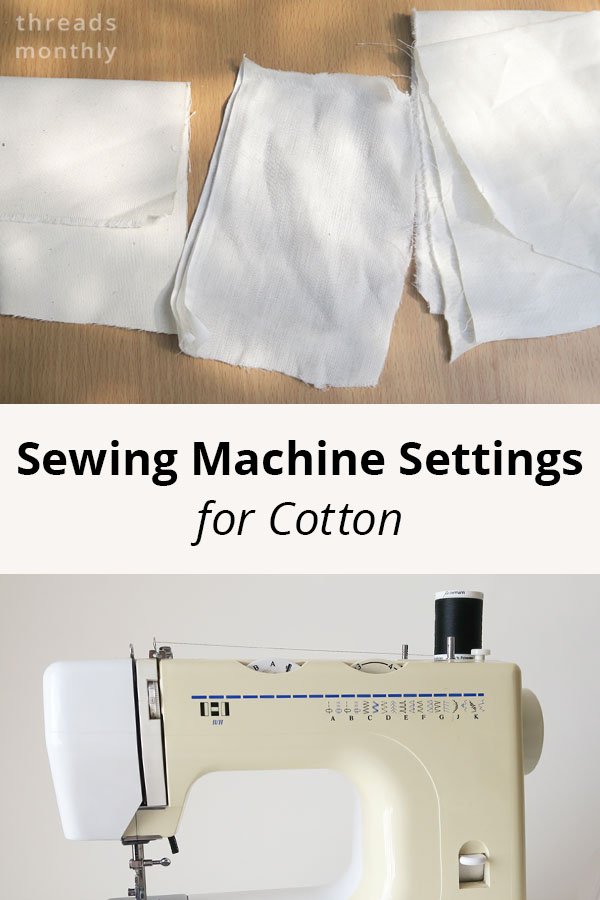
Silk thread is the premium choice for projects that require a soft, luxurious finish or for working with fine materials.
- Use a fine needle, such as a size 70/10, to prevent large holes from appearing in your delicate fabric.
- Reduce the machine speed to ensure the thread doesn’t fray as it passes through the tension discs.
- Use a shorter stitch length of approximately 2.0 millimeters to maintain a tight, secure hold on light fabrics.
- Check that your bobbin is wound evenly, as uneven winding can cause the thread to knot inside the machine.
Silk is highly valued for its natural sheen and ability to blend into silk or wool garments seamlessly. It isn’t for heavy-duty work, such as sewing denim or canvas, where the thread will likely break under the weight of the fabric. If you’re doing buttonholes, this thread provides a beautiful, professional look that holds its shape well over time.
Which one should you use?
When you’re in a hurry, use a cotton-wrapped polyester blend because it’s the most forgiving thread and rarely tangles in the machine. If you’re doing this for the first time, stick to standard 50-weight cotton thread; its lack of stretch makes it the easiest to control while you learn to manage your stitch length and tension. When you want the best possible result regardless of the effort required, use silk thread for delicate items or high-quality long-staple cotton for quilting and garment construction.
The primary trade-off is between durability and finish. Polyester-based threads offer superior strength and longevity for everyday clothing, whereas pure cotton or silk threads offer a superior tactile experience and heat resistance. If you ignore the needle-to-thread ratio, you risk damaging your fabric or breaking the needle. Always check the thread label for the manufacturer’s recommended needle size, as this varies by model.
The rules that apply whichever way you choose
Regardless of the thread you select, you must ensure your machine is properly maintained. Start by cleaning the bobbin case and feed dogs to remove dust, which can cause the thread to snag. Always check your tension partway through a long seam; if the stitches look uneven, stop immediately and re-thread the machine. At the end of your project, trim all thread tails closely to ensure the work looks professional.
If your machine isn’t working correctly, don’t attempt to open the casing or touch the internal electrical components, as a capacitor can hold a lethal charge even when unplugged. For internal mechanical issues, consult a professional technician who is authorized by the manufacturer. Using the wrong thread weight for your specific machine model can lead to skipped stitches or jammed bobbins. If you’re unsure about the settings, refer to your machine’s user manual, which lists the specific thread types and sizes compatible with your machine’s hook system.
Frequently asked questions
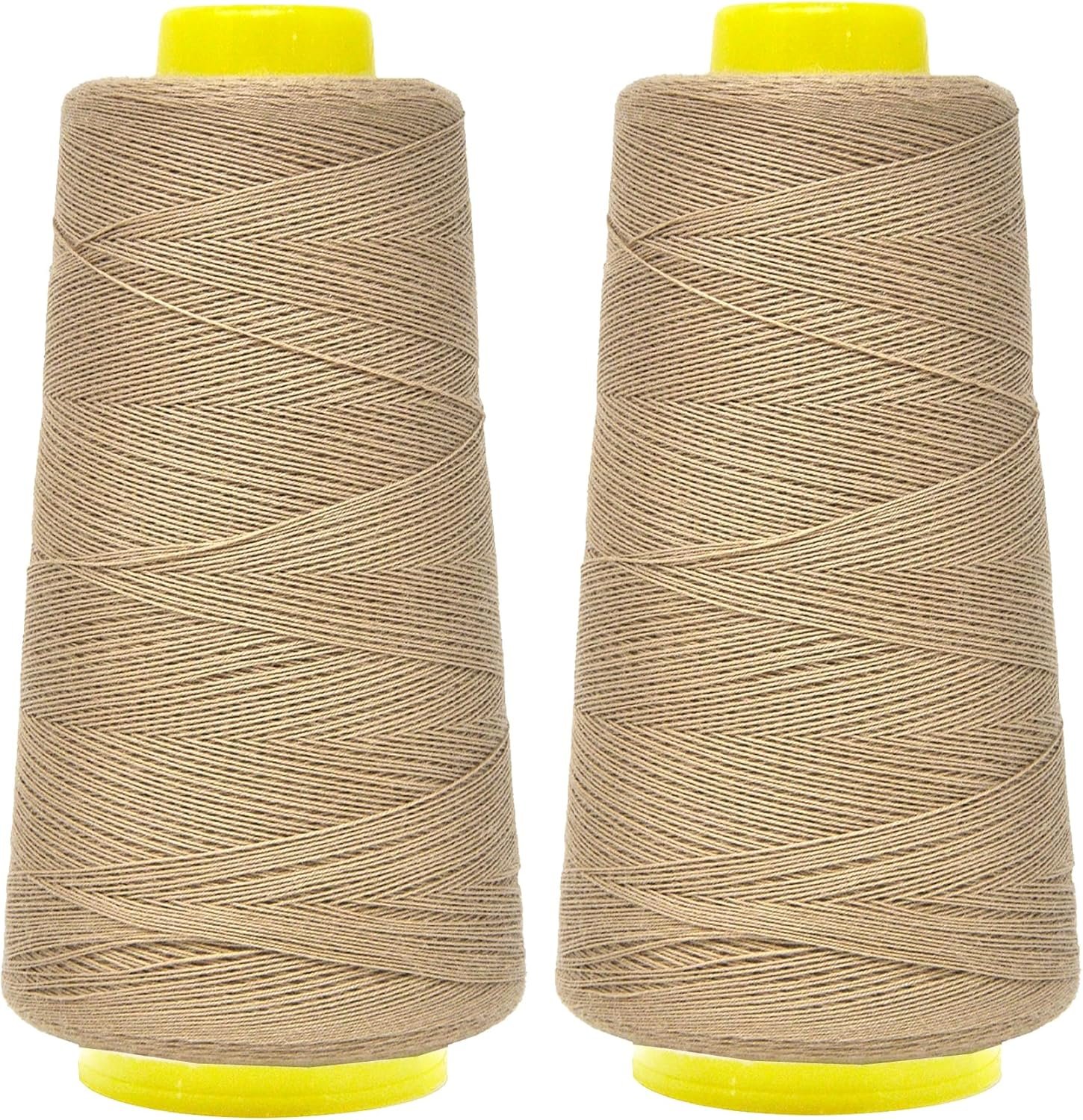
Using sewing machine cotton
Yes, you can use high-quality cotton thread in most machines, provided it’s labeled for machine use. Hand-sewing thread is often too thick and lacks the smooth finish required for the high-speed motion of a sewing machine, which can lead to frequent breakage or machine jams. Always ensure the thread is labeled as “machine quilting” or “sewing machine” thread to avoid these issues.
Why is my thread breaking constantly?
Thread breakage is usually caused by incorrect tension settings or a needle that’s too small for the thread weight. Check that your spool isn’t catching on the cap and that the thread path is completely free of obstructions. If the problem persists, replace the needle, as a dull or bent tip can shred the thread as it passes through the eye.
How long does thread last in storage?
Thread can last for many years if stored in a cool, dry place away from direct sunlight. Sunlight and high humidity can degrade the fibers, making them brittle and prone to snapping during use. If your thread is very old, perform a simple pull test; if it breaks easily with a gentle tug, it’s likely too weak for reliable sewing.
Is it safe to mix thread types?
It’s generally not recommended to mix different types of thread in the same seam. Different fibers have different levels of elasticity, which can cause the seam to pucker or pull unevenly after washing. For the best results, use the same type and weight of thread in both the needle and the bobbin for every individual seam.
What happens if I use the wrong needle size?
Using the wrong needle size often results in skipped stitches, puckered fabric, or broken thread. A needle that’s too small for the thread will cause friction and fraying, while a needle that’s too large for the fabric will leave visible holes in the material. Always check your machine manual for the recommended needle size for your specific project.
Final Thoughts
Choosing the right thread makes your sewing experience much smoother and more enjoyable. Once you’ve picked your spool, try running a quick test on a scrap piece of fabric to ensure your tension is perfect. You’ll find that your finished projects look more professional when you’ve taken this extra bit of care.
Related guides
- Best Cotton for Sewing Machines 2026: Top Picks for Quality Sewing
- Best Cotton Thread for Sewing Machines 2026: Top Picks for Quality & Durability