
Can you provide a comparison chart for sewing machines?
Yes — a comparison chart for sewing machines is below, and it works best when you fill in the last column yourself. The one condition that flips the answer: if you’re buying your first machine, the chart matters less than your budget and the fabric you’ll sew. Spend the next minute scrolling to the chart, then mark the two or three rows that match what you actually make.
Which sewing machine fits your situation
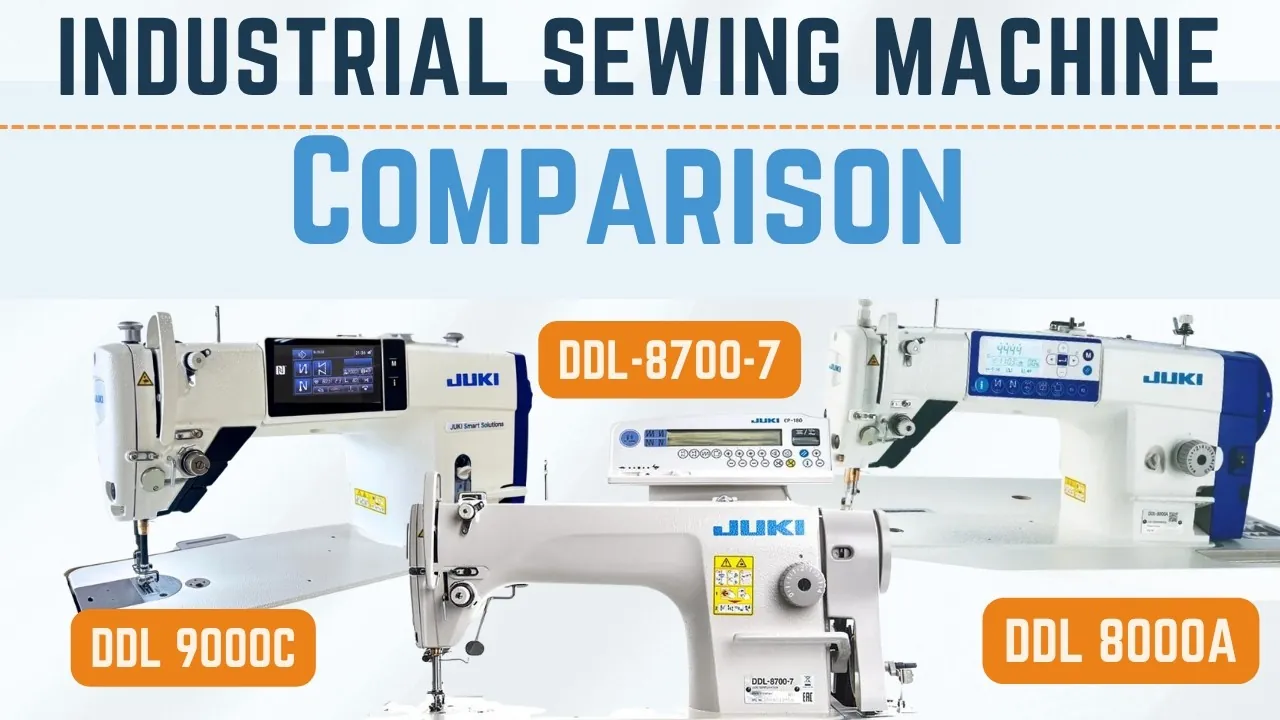
Most buyers start with a guess about what they need. The table below sorts the common situations so you can find yours first, then compare only the machines that fit it. Every row is something a reader can recognise in their own sewing, not a spec they’d have to measure.
| Your situation | Answer | Why |
|---|---|---|
| Mending clothes and hemming at home | Basic mechanical machine | You need straight and zigzag stitches, little else |
| Quilting large projects | Machine with a wide throat | More room to the right of the needle for bulky quilts |
| Sewing knits and stretch fabric | Machine with stretch stitches | A straight seam pops when the fabric stretches |
| Making bags or denim | Heavy-duty machine | A stronger motor drives the needle through layers |
| Embroidery and decorative work | Embroidery machine or add-on unit | Design placement needs a hoop and motorised feed |
| One project a year, borrowed patterns | Borrow or rent first | Buying for one project rarely pays off |
| Teaching a child to sew | Simple mechanical machine | Fewer buttons and settings mean fewer frustrations |
What actually decides the machine you need
The stitch count on the box decides far less than people think. Three things matter more: what the machine is built from, how much room the needle area gives you, and whether you can control the speed. A metal-framed mechanical machine with 12 stitches will outlast and out-sew a plastic computerised one with 200, if your projects are hems and repairs.
The real decision sits between mechanical and computerised. A mechanical machine costs less, has fewer parts that fail, and you fix most problems yourself with the manual. A computerised machine gives you buttonholes at the push of a button, memory for stitch patterns, and finer speed control — but it costs more, and a failed circuit board is usually a repair-shop job. That’s the trade-off: simplicity and repairability against convenience and precision.
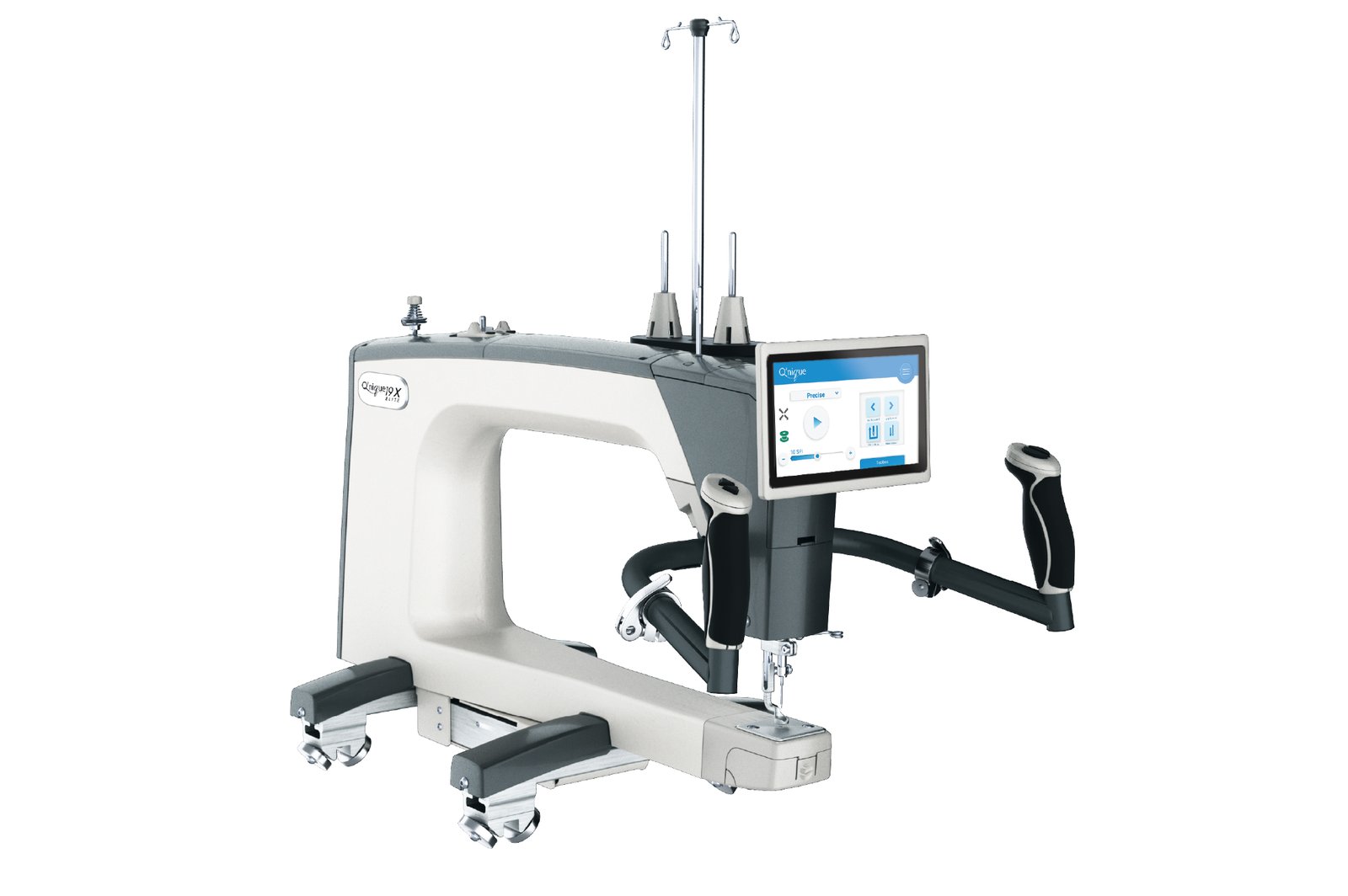
Throat size is the quiet limit. It’s the space between the needle and the machine’s body, and it decides how much quilt or fabric you can roll through. Standard home machines give you a few inches; long-arm quilting machines give you feet. If you quilt full-size quilts, this number matters more than anything on the stitch menu.
So the rule is: if you sew heavy fabric or quilts weekly, prioritise frame strength and throat size; if you sew light fabrics occasionally, prioritise a simple, well-built mechanical machine and spend the savings on good thread and needles.
How to build a comparison chart for sewing machines
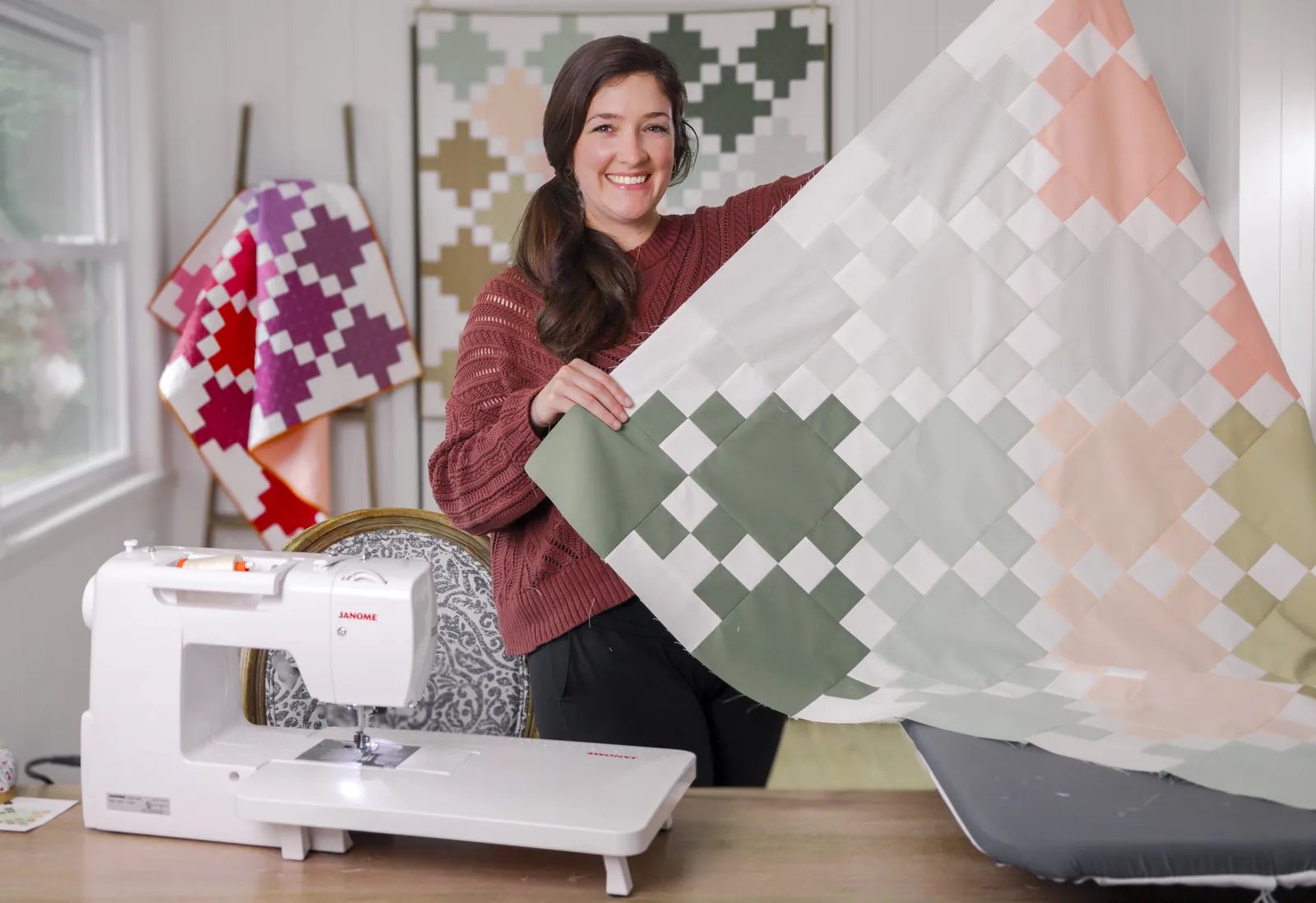
The chart only helps if you fill it in honestly. These steps take about an hour, and the sign each one worked is a chart where two or three machines stand out for your actual projects.
- Write your top three projects at the top. Name them exactly — “denim jeans”, “cotton quilt”, “stretch t-shirts”. If you can’t name three, you’re not ready to compare machines yet.
- List the features those projects demand. Check which stitch types, presser feet, and needle positions they need. You’ll know this step worked when the list is under ten items — longer lists hide the real requirements.
- Add one column per machine you’re considering. Start with three or four machines in your budget. More than five columns and the chart becomes unreadable on a phone.
- Copy specs from the manufacturer’s own pages, not store listings. Store listings get details wrong. If a manual isn’t clear, the maker’s support pages usually have the machine manual downloads that settle questions about feet, bobbins, and stitch settings.
- Mark each cell “yes”, “no”, or “check”. Don’t write half-features like “sort of”. A “check” means you ask the dealer or read the manual before deciding.
- Cross out every machine with a “no” in a required row. What’s left is your real shortlist. If three machines survive, the tiebreaker is warranty length and local repair access.
- Test-sew on the finalists. Take your own fabric to a dealer and sew a seam. The sign it worked: the seam looks the same on your fabric as the shop’s sample.
The mistake that ruins the comparison
The most common error is comparing machines on stitch count and price alone. It costs money twice: first on a machine packed with decorative stitches you’ll never use, then again when it can’t handle the denim project you actually bought it for.
A 100-stitch machine with a plastic frame is a worse buy for heavy work than a 15-stitch machine with a metal one. The check that avoids this: before you look at any price, write down the three fabrics you sew most, and give priority to the machine that handles the heaviest of them well.
When to stop comparing and ask a dealer

Some questions a chart can’t answer, and pushing past them costs you a repair bill or a dead machine.
- The machine skips stitches or jams on your fabric — timing and feed problems need a trained technician.
- You’re choosing between a used machine and a new one — a dealer can test the motor and inspect the wiring, which you can’t do from a listing.
- The manual names a part as “non-user-serviceable” — opening it yourself usually voids the warranty.
- You sew several hours a day — an industrial machine dealer, not a hobby shop, handles that properly.
If a repair quote approaches the cost of a new basic machine, ask the technician to say which way they’d go before you commit.
Frequently asked questions
How many stitches do I actually need?
Between 8 and 20 for most home sewing. Straight, zigzag, a stretch stitch, and one good buttonhole cover mending, garments, and quilting. Decorative stitches beyond that are nice to have, not need to have — check your project list before paying extra for them.
Is it safe to leave a sewing machine plugged in?
No, unplug it when you finish sewing. The foot pedal can be pressed accidentally, and a needle through a finger is the most common sewing injury. Unplugging also protects the machine’s electronics from power surges. Make it the last step of every session.
What happens if I use the wrong needle for the fabric?
The seam fails before the machine does. A needle too fine for denim bends or snaps; a needle too coarse leaves holes in knits. Match the needle type and size to your fabric — the needle packet lists which fabrics each size handles, and it’s the cheapest fix on this page.
How long should a home sewing machine last?
Roughly 5 to 25 years, depending on the frame material and how often you service it. A metal-framed mechanical machine with regular cleaning and oiling sits at the top of that range; a plastic computerised machine used weekly sits lower. Check the manufacturer’s warranty length as a rough signal of expected life.
Does it matter if I buy a computerised machine as a beginner?
Usually no, and sometimes it helps. The automatic needle threader and speed control make learning easier. The catch is cost and repairs: a computerised machine that fails is a shop job. If your budget is tight, a simple mechanical machine teaches the same skills for less money.
Can I sew denim on a regular sewing machine?
Yes, if it’s a standard home machine in good condition and you sew two layers, not six. Use a denim needle, slow the speed, and turn the handwheel through thick joins by hand. If you regularly sew many layers or heavy canvas, you need a heavy-duty machine with a stronger motor.
How much should a beginner spend on a first machine?
A new mechanical machine in the US is inexpensive relative to the alternative, and less still if you buy a serviced used one from a dealer. Below that, machines often jam and frustrate. Spend the money you save on needles, thread, and fabric instead.
Your first step with the comparison chart
Open the chart above and write your top three projects in the margin now. Within a day of filling in the columns, you’ll see two or three machines pull ahead, and that’s your shortlist. If the chart shows a tie you can’t break, or a machine you own already jams on your fabric, stop and take it to a sewing machine dealer before buying anything.
{“@context”:”https://schema.org”,”@type”:”FAQPage”,”mainEntity”:[{“@type”:”Question”,”name”:”How many stitches do I actually need?”,”acceptedAnswer”:{“@type”:”Answer”,”text”:”Between 8 and 20 for most home sewing. Straight, zigzag, a stretch stitch, and one good buttonhole cover mending, garments, and quilting. Decorative stitches beyond that are nice to have, not need to have — check your project list before paying extra for them.”}},{“@type”:”Question”,”name”:”Is it safe to leave a sewing machine plugged in?”,”acceptedAnswer”:{“@type”:”Answer”,”text”:”No, unplug it when you finish sewing. The foot pedal can be pressed accidentally, and a needle through a finger is the most common sewing injury. Unplugging also protects the machine’s electronics from power surges. Make it the last step of every session.”}},{“@type”:”Question”,”name”:”What happens if I use the wrong needle for the fabric?”,”acceptedAnswer”:{“@type”:”Answer”,”text”:”The seam fails before the machine does. A needle too fine for denim bends or snaps; a needle too coarse leaves holes in knits. Match the needle type and size to your fabric — the needle packet lists which fabrics each size handles, and it’s the cheapest fix on this page.”}},{“@type”:”Question”,”name”:”How long should a home sewing machine last?”,”acceptedAnswer”:{“@type”:”Answer”,”text”:”Roughly 5 to 25 years, depending on the frame material and how often you service it. A metal-framed mechanical machine with regular cleaning and oiling sits at the top of that range; a plastic computerised machine used weekly sits lower. Check the manufacturer’s warranty length as a rough signal of expected life.”}},{“@type”:”Question”,”name”:”Does it matter if I buy a computerised machine as a beginner?”,”acceptedAnswer”:{“@type”:”Answer”,”text”:”Usually no, and sometimes it helps. The automatic needle threader and speed control make learning easier. The catch is cost and repairs: a computerised machine that fails is a shop job. If your budget is tight, a simple mechanical machine teaches the same skills for less money.”}},{“@type”:”Question”,”name”:”Can I sew denim on a regular sewing machine?”,”acceptedAnswer”:{“@type”:”Answer”,”text”:”Yes, if it’s a standard home machine in good condition and you sew two layers, not six. Use a denim needle, slow the speed, and turn the handwheel through thick joins by hand. If you regularly sew many layers or heavy canvas, you need a heavy-duty machine with a stronger motor.”}},{“@type”:”Question”,”name”:”How much should a beginner spend on a first machine?”,”acceptedAnswer”:{“@type”:”Answer”,”text”:”A new mechanical machine in the US is inexpensive relative to the alternative, and less still if you buy a serviced used one from a dealer. Below that, machines often jam and frustrate. Spend the money you save on needles, thread, and fabric instead.”}}]}


