3 Main Types of Sewing Machines: Mechanical, Electronic, Computerized
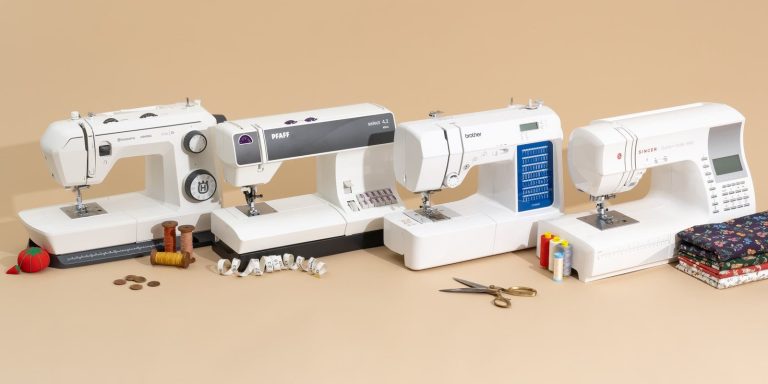
Mechanical, electronic, and computerized are the three main types of sewing machines that serve different needs for home hobbyists and professionals. Each style uses unique internal technology to move the needle and manage the fabric feed. You can identify your machine type by examining your stitch selection method and the controls that manage needle movement.
Comparison of sewing machine types
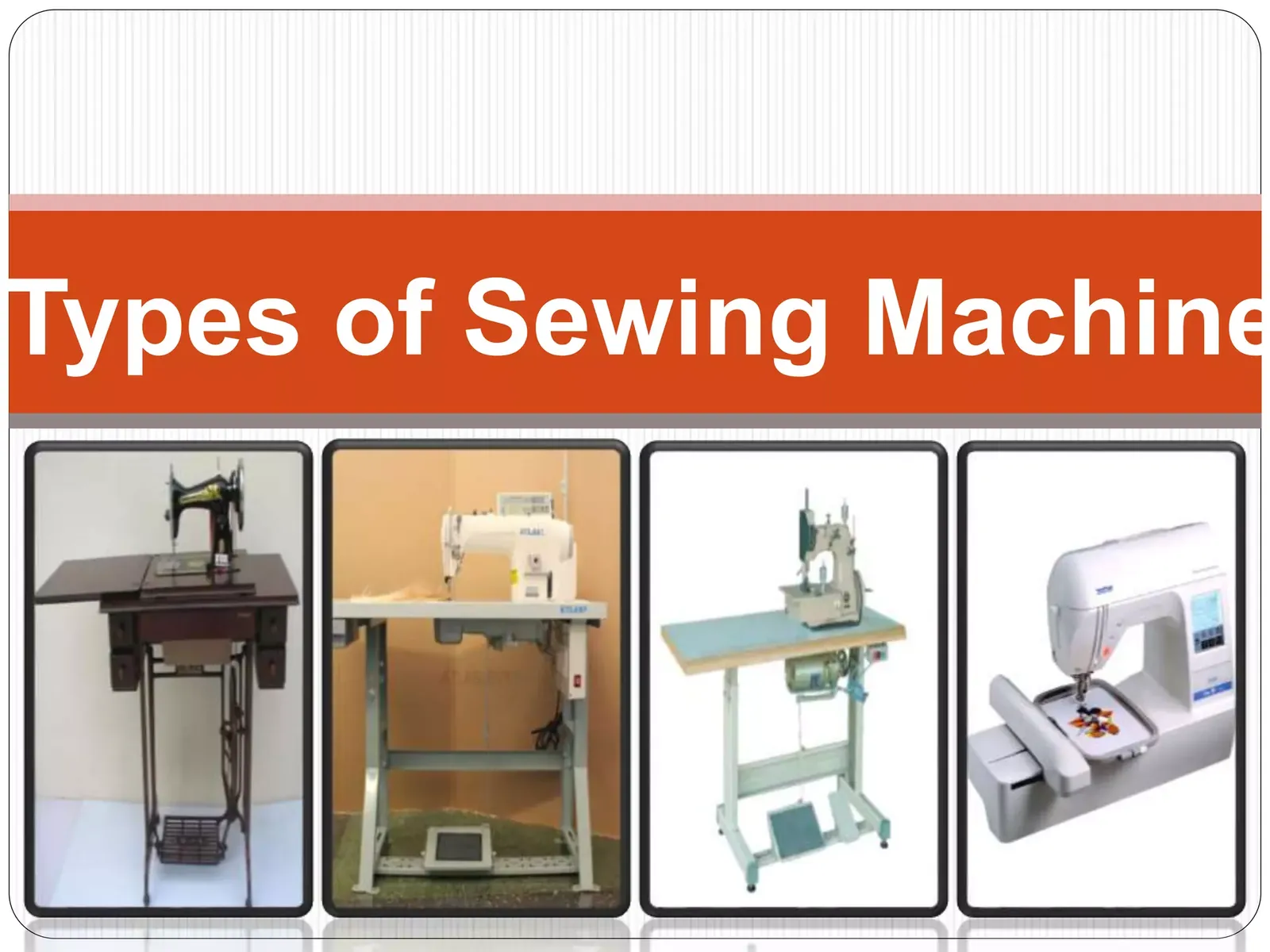
| Type | How common | How to confirm it | Fix it yourself? |
|---|---|---|---|
| Mechanical | High | Manual dials and knobs | Yes |
| Electronic | Medium | Button selection and screen | Yes with care |
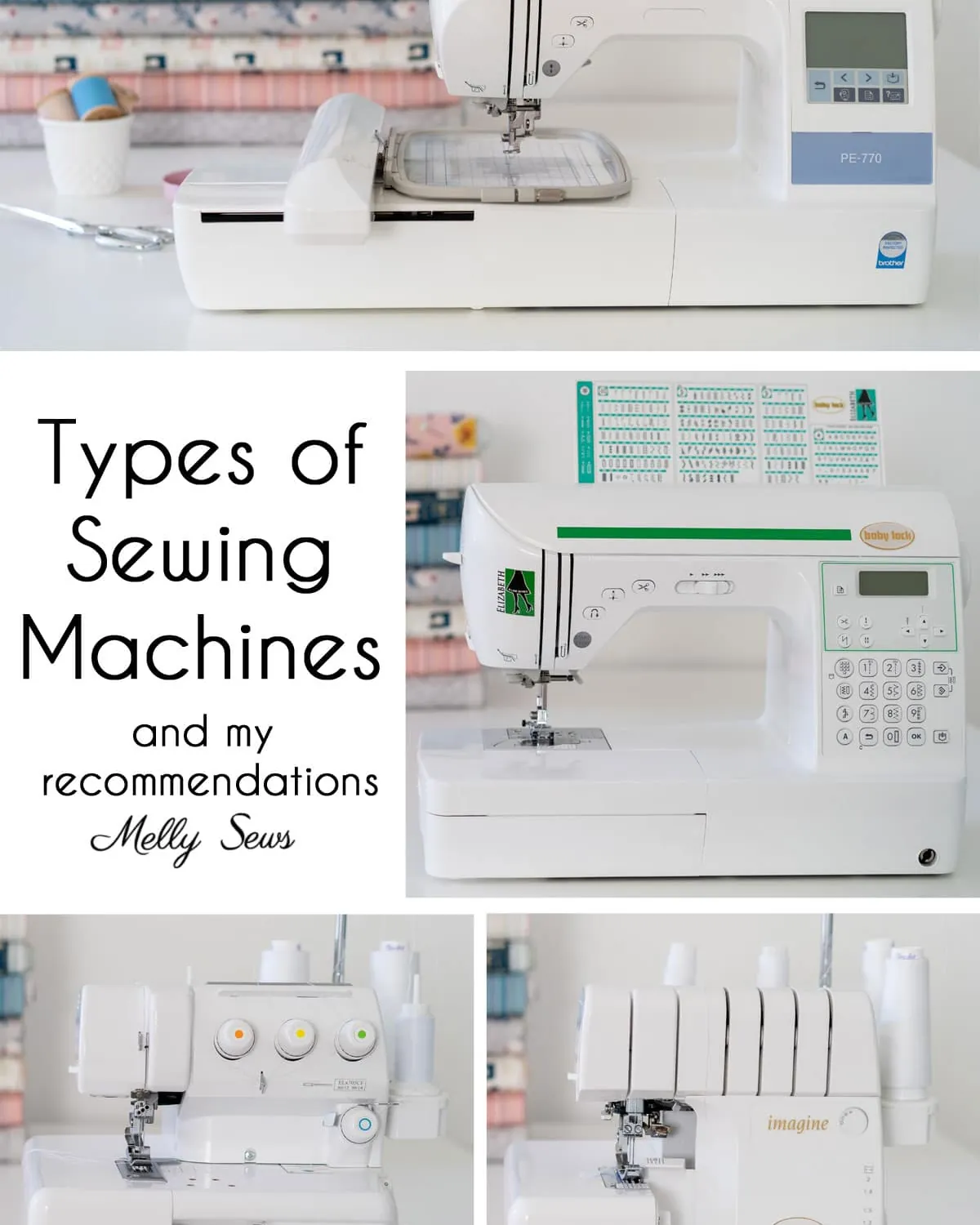
| Computerized | High | Digital touch display | No |
| Embroidery | Low | Large hoop and screen | No |
| Serger | Low | Multiple thread spools | No |
| Industrial | Low | Heavy metal table base | No |
Mechanical sewing machines for beginners
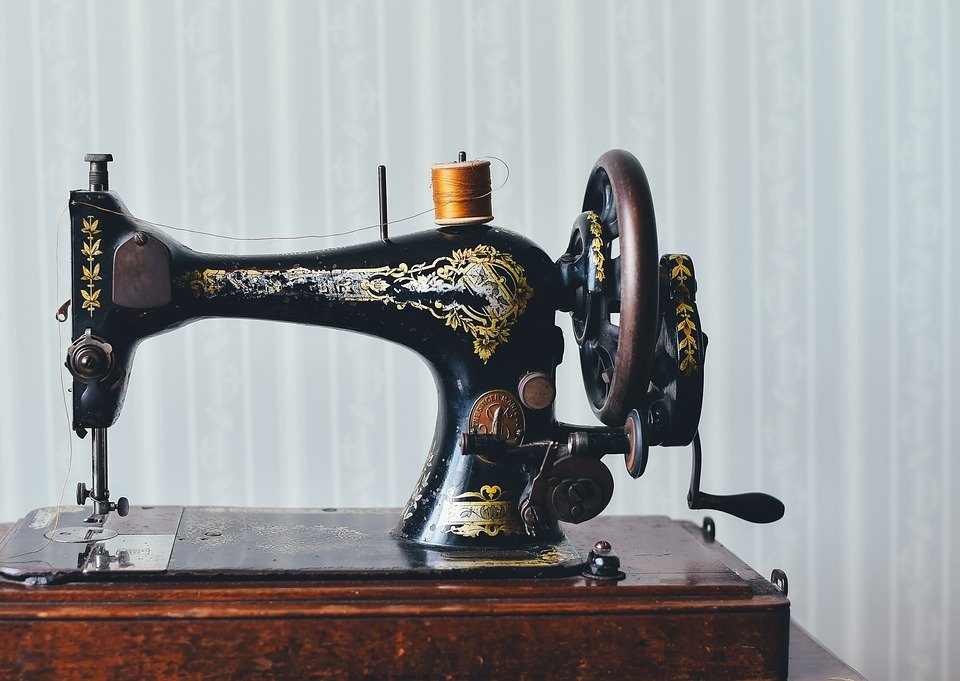
Mechanical models remain the standard for those who want a simple, durable machine without complex software. These machines use physical gears and levers to control stitch patterns. You select your stitch by turning a manual dial on the front or side of the machine. Because they lack digital components, they’re often easier to repair if a gear slips or a belt wears out.
To confirm you have a mechanical model, check for a lack of an LCD screen and the presence of physical knobs that click into place. If you’re a heavy user, you might find the limit of your machine in its stitch variety; mechanical models usually offer fewer than 20 built-in stitch options.
If the machine stops sewing, check the bobbin area for tangled thread first. A common mistake is using the wrong needle type for the fabric weight, which can bend the needle or damage the throat plate. Always match your needle size to your fabric; for example, use a size 80/12 needle for light cottons and a 100/16 needle for heavy denim.
Electronic machines for precise control

Electronic sewing machines bridge the gap between manual operation and digital convenience. Unlike mechanical versions, these machines use a motor-driven system to push the needle, but they rely on an internal circuit board to manage stitch settings. You typically see a small LED display and push-button controls to adjust the width and length of your stitches.
You can tell if you have an electronic machine by the way the motor sounds when you press the foot pedal. These machines often have a constant speed control, which keeps the needle force high even if you sew slowly. This is a major benefit over mechanical models, which may lose piercing power at low speeds.
If your machine fails to start, verify that the foot controller is plugged in firmly, as loose connections are the most common cause of power loss. If the screen displays an error code, consult your manual before opening the casing, as the circuit boards are sensitive to static.
Computerized machines for advanced projects
Computerized sewing machines use a dedicated microprocessor to control every aspect of the sewing process. These machines allow you to save custom stitch patterns, use automatic thread cutters, and even connect to a computer for downloading new embroidery designs. They’re the most sophisticated option available for home use.
You can identify a computerized machine by its large, high-resolution color screen and the presence of a USB port or memory card slot. These machines aren’t for people who prefer a simple “plug and play” experience. If you’re looking for a machine that handles complex quilting patterns or decorative stitches automatically, this is the right choice. However, if you only sew simple seams, the extra cost of these features may not be worth the investment.
The main trade-off is complexity versus convenience. While a computerized machine does much of the work for you, it’s harder to service yourself. If the software glitches or the internal computer fails, you must take it to a professional technician. Never attempt to open the main computer housing yourself, as this can void your warranty and cause permanent damage to the delicate internal components.
Rare and specialized machine types
- Sergers: These use three to five threads to trim and finish edges simultaneously, which is ideal for knit fabrics.
- Embroidery machines: These feature an extra-wide arm and a hoop attachment for precise, automated thread art.
- Industrial machines: These are built for high-speed, continuous operation in factories and require a dedicated, heavy-duty table.
- Heavy-duty mechanicals: These are standard machines with reinforced metal frames meant to handle thick leather or canvas.
If you possess an industrial or embroidery machine, professional maintenance is required for any internal issues because these units use specialized timing belts and high-torque motors that differ from standard home machines.
What maintenance and repair involve
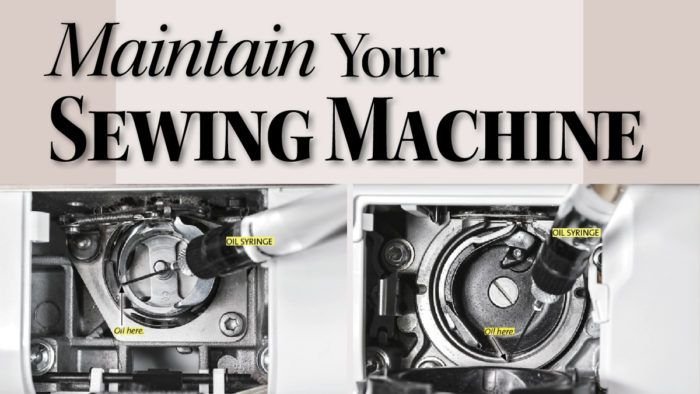
Fixing a sewing machine usually involves cleaning, oiling, or replacing small parts like the needle or bobbin case. Basic maintenance, such as removing lint from the feed dogs, requires only a small brush and a screwdriver. This takes about 10 minutes and should be done every 15 to 20 hours of sewing time.
If your machine needs a new timing belt or a computer board replacement, the cost is significant and often approaches the price of a new entry-level machine. Always get a quote from a local shop before authorizing a repair. You can find the specific maintenance schedule for your model in the user manual or on the manufacturer’s official support page. If your machine is under warranty, always use an authorized service center to ensure you don’t void your coverage.
Frequently Asked Questions
Can I use a regular sewing machine for heavy leather?
Most standard machines can’t handle thick leather without risking damage to the motor or the timing gears. If you need to sew leather, look for a machine specifically rated for “heavy-duty” use with a high-torque motor, as standard home machines are designed for fabrics up to the weight of denim or light canvas.
How often should I take my machine for professional service?
You should take your machine for a professional tune-up once every two years if you sew regularly. If you hear loud grinding noises or notice that the stitch quality has dropped even after you have cleaned the feed dogs and bobbin area, take it in sooner to prevent further damage to the internal drive system.
Is it safe to leave my sewing machine plugged in?
It isn’t safe to leave your machine plugged into the wall when you aren’t using it. Power surges can damage the sensitive electronic components in computerized machines, and leaving the machine turned on creates a fire risk if the motor or foot pedal malfunctions while you’re away from the unit.
How do I know if my sewing machine is broken or just jammed?
A machine is likely just jammed if you can clear the thread from the bobbin area and the needle moves freely by hand. If the machine makes a loud clicking noise, fails to pick up the bobbin thread, or shows an error light after you clear the lint, it’s likely broken.
Do all sewing machines use the same needle size?
No, sewing machines use specific needle types like 70/10 for silk or 110/18 for heavy upholstery. Using the wrong needle size can cause skipped stitches or break the needle, so always check the material requirements on your fabric packaging and match them to the needle chart found in your machine’s instruction manual.
Why does my thread bunch up under the fabric?
Thread usually bunches up when the upper tension is too loose or the machine isn’t threaded correctly. Re-thread the top spool and bobbin completely, ensuring the presser foot is up while you thread the top; if the issue persists, the tension disc may be stuck and require a professional cleaning or adjustment.
Conclusion
Proper care is the best way to extend the life of your machine. Keep it covered when not in use to prevent dust from settling in the motor, and always use the specific oil recommended by the manufacturer in the locations shown in your manual. By following these simple steps, you’ll keep your machine running smoothly for many years.
{“@context”:”https://schema.org”,”@type”:”FAQPage”,”mainEntity”:[{“@type”:”Question”,”name”:”Can I use a regular sewing machine for heavy leather?”,”acceptedAnswer”:{“@type”:”Answer”,”text”:”Most standard machines can’t handle thick leather without risking damage to the motor or the timing gears. If you need to sew leather , look for a machine specifically rated for \”heavy-duty\” use with a high-torque motor, as standard home machines are designed for fabrics up to the weight of denim or light canvas.”}},{“@type”:”Question”,”name”:”How often should I take my machine for professional service?”,”acceptedAnswer”:{“@type”:”Answer”,”text”:”You should take your machine for a professional tune-up once every two years if you sew regularly. If you hear loud grinding noises or notice that the stitch quality has dropped even after you have cleaned the feed dogs and bobbin area, take it in sooner to prevent further damage to the internal drive system.”}},{“@type”:”Question”,”name”:”Is it safe to leave my sewing machine plugged in?”,”acceptedAnswer”:{“@type”:”Answer”,”text”:”It isn’t safe to leave your machine plugged into the wall when you aren’t using it. Power surges can damage the sensitive electronic components in computerized machines, and leaving the machine turned on creates a fire risk if the motor or foot pedal malfunctions while you’re away from the unit.”}},{“@type”:”Question”,”name”:”How do I know if my sewing machine is broken or just jammed?”,”acceptedAnswer”:{“@type”:”Answer”,”text”:”A machine is likely just jammed if you can clear the thread from the bobbin area and the needle moves freely by hand. If the machine makes a loud clicking noise, fails to pick up the bobbin thread, or shows an error light after you clear the lint, it’s likely broken.”}},{“@type”:”Question”,”name”:”Do all sewing machines use the same needle size?”,”acceptedAnswer”:{“@type”:”Answer”,”text”:”No, sewing machines use specific needle types like 70/10 for silk or 110/18 for heavy upholstery. Using the wrong needle size can cause skipped stitches or break the needle, so always check the material requirements on your fabric packaging and match them to the needle chart found in your machine’s instruction manual.”}},{“@type”:”Question”,”name”:”Why does my thread bunch up under the fabric?”,”acceptedAnswer”:{“@type”:”Answer”,”text”:”Thread usually bunches up when the upper tension is too loose or the machine isn’t threaded correctly. Re-thread the top spool and bobbin completely, ensuring the presser foot is up while you thread the top; if the issue persists, the tension disc may be stuck and require a professional cleaning or adjustment.”}}]}