Best Janome Sewing Machine: The Skyline S5 Review and Guide
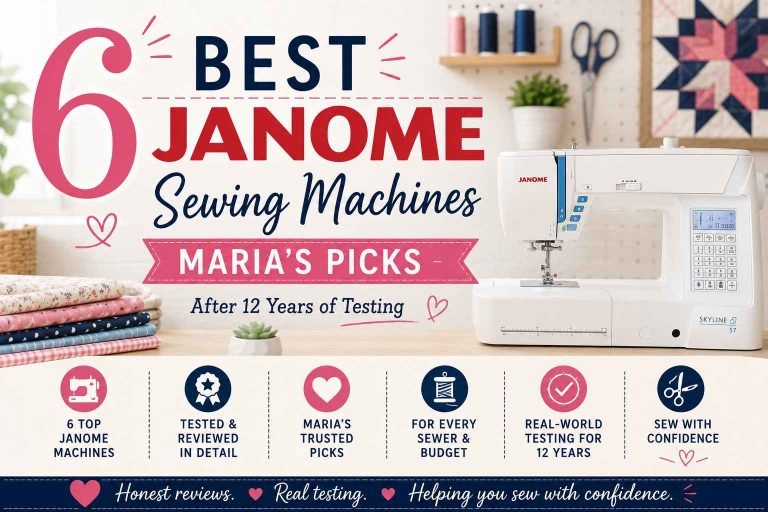
The Janome Skyline S5 is the best janome sewing machine for most users because it balances a powerful motor with an intuitive interface that suits both beginners and advanced quilters. If you need a machine strictly for heavy-duty industrial work, however, you should look toward the specialized Janome HD series instead. This choice depends on your primary fabric type and the frequency of your projects, as these machines are built for different levels of mechanical stress and creative output.
Comparing the best Janome sewing machines

Selecting the right model requires weighing your specific sewing goals against the features provided by Janome’s diverse product lineup.
If you’re a casual user, a mechanical machine provides enough functionality for basic mending without the complexity of a computerized screen. For those who frequently switch between fabrics, the computerized models offer automatic tension settings that save significant time during production. This assumes you maintain the machine according to the Janome product support guidelines to ensure long-term mechanical reliability.
Manual mechanical stitching systems
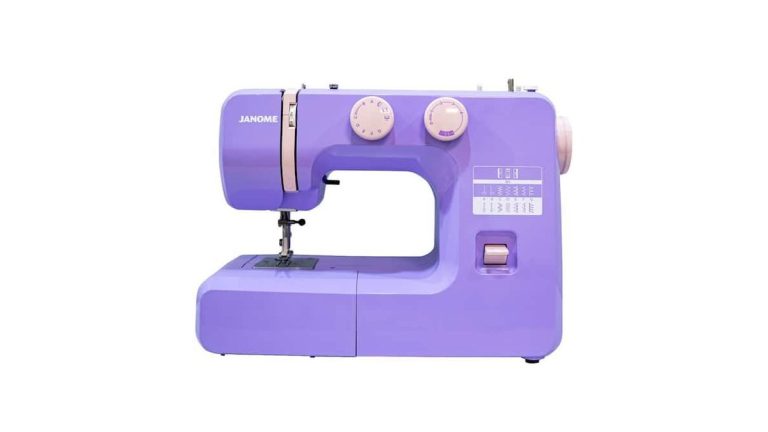
Mechanical machines rely on physical dials rather than digital menus to control stitch width and length. This design is ideal for those who prefer tactile feedback and want a machine that’s easy to troubleshoot without technical knowledge.
- Turn the dial on the right to select your desired stitch pattern.
- Adjust the stitch length knob to the setting indicated on your fabric guide.
- Lower the presser foot using the manual lever to secure the material.
- Press the foot pedal slowly to begin, as these machines often lack speed control sliders.
These models are excellent for people learning to sew because they don’t overwhelm you with complex software options. The main weakness is the lack of precision; you can’t program specific stitch sequences, and you must manually adjust tension for every fabric weight change. If you attempt to sew heavy leather on a basic mechanical model, you risk breaking the needle or damaging the timing of the machine.
Computerized creative platforms
These machines use a liquid crystal display to manage hundreds of stitch patterns, buttonholes, and memory functions for complex designs. They’re designed for users who want to move beyond basic garment construction into decorative arts.
- Select your stitch category on the touchscreen interface.
- Fine-tune the width and length using the digital plus or minus icons.
- Engage the “start/stop” button if you prefer to sew without using the foot controller.
- Use the automatic thread cutter to finish your seam with a clean edge.
These units excel at repetitive tasks like quilting or decorative applique where consistency is necessary. The downside is the learning curve; it takes time to understand the menu hierarchy. This isn’t for someone who only sews once a year, as the electronics can be intimidating and the interface may change between generations. Always check the label on your specific model, as power requirements for the motor vary by region.
Industrial-grade heavy duty units

Built for high-speed operation, these machines feature all-metal frames and high-torque motors capable of handling thick materials like denim or upholstery canvas. They prioritize performance over decorative stitch variety.
- Set the feed dog height for thick layers using the external adjustment knob.
- Adjust the tension dial to a higher number to pull heavier thread through the fabric.
- Use a heavy-duty needle size 100/16 or higher to prevent needle deflection.
- Maintain a steady speed to ensure the motor stays within its optimal torque range.
These machines are perfect for professional-style tailoring and heavy fabric work. The weakness is their weight and lack of versatility; they’re often too heavy to move easily and don’t offer the wide range of stretch stitches found on standard home models. If you prioritize speed, choose a model with a high stitches-per-minute rating, though this varies by model — check the label for the manufacturer’s speed limit. Simple mechanical machines are a better choice for light fabrics like silk or rayon.
Which one should you use?
When you’re in a hurry, choose a computerized model because the automatic settings for thread tension and stitch selection save you from manual testing. This allows you to jump straight into your project without endless adjustments.
When you’re doing this for the first time, a mechanical machine is the superior choice. It teaches you the fundamentals of how a machine actually works without the distraction of digital menus. You’ll learn more about tension and feed dog pressure by doing it manually, which makes you a better sewer in the long run.
When you want the best possible result whatever it takes, use a high-end Memory Craft model. These machines offer advanced features like automatic needle threaders and precise stitch spacing that simply can’t be replicated on cheaper, mechanical versions. The trade-off is clear: you pay more for the convenience of automation, but you gain time and precision. If you’re a beginner, don’t buy an industrial model, as the high speed can be difficult to control safely and may cause you to ruin your first few projects.
The rules that apply whichever way you choose
Regardless of the model you select, you must adhere to basic maintenance to keep the machine running. First, always use the correct needle type for your fabric, as using a universal needle on heavy denim will cause skipped stitches. Second, clean the bobbin area after every project to remove lint buildup; if you ignore this, the machine will eventually jam.
Check your machine’s manual for the recommended oiling schedule. Some modern machines are “self-lubricating” and should never be oiled by the user, while older or industrial models require a drop of sewing machine oil regularly. If the machine begins to make a loud knocking sound, stop immediately and check for a bent needle or a thread tangle in the hook.
Never attempt to open the casing to repair internal electrical components yourself. A capacitor can hold a lethal charge even when the machine is unplugged, so any internal electrical work must be handled by a certified technician. Always store your machine in a dry, room-temperature environment to prevent rust on the metal internal components, which can seize the drive system over time.
Frequently asked questions
Can I use any thread in my machine?
No, you must use thread appropriate for your specific project and machine type. Using heavy-duty upholstery thread in a standard home machine will cause tension issues and may clog the bobbin case. Always match your thread weight to your needle size to ensure the machine can pull the thread through the fabric layers without snagging or breaking the stitch.
Why is my machine skipping stitches?
Skipping stitches is almost always caused by an incorrect needle type or a dull needle tip. If your needle isn’t the correct size for the fabric thickness, it can’t properly form the loop for the bobbin hook to catch. Change your needle to a fresh one specifically designed for your fabric, such as a ballpoint for knits or a denim needle for heavy materials.
How long should a machine last?
A well-maintained machine will easily last fifteen to twenty years of regular use. The lifespan depends heavily on how often you clean the lint from the bobbin area and whether you take the machine in for professional servicing as part of your usual clean. Neglecting to clear out thread scraps causes friction that wears down the plastic gears found in many modern home sewing units.
Is it safe to leave my machine plugged in?
No, you should always unplug your machine when you’re finished sewing or when you’re changing needles. Leaving a computerized model plugged in leaves it vulnerable to power surges, which can fry the delicate circuit board. Unplugging it’s the only way to ensure the machine is completely powered down and safe from electrical fluctuations in your home.
What happens if I sew over pins?
Sewing over pins will almost certainly damage your needle and can scratch the needle plate or the hook assembly. A broken needle tip can fall into the machine’s internal mechanisms, potentially causing a mechanical failure that requires a professional repair. Always remove your pins just before they reach the presser foot to protect both your machine and your fabric.
Final Thoughts
Choosing the right tool is a personal journey, so take a moment to visit a local dealer to test a few models in person. Feeling the tension and hearing the motor’s rhythm will help you decide which one truly fits your hands. You’ll be sewing your next beautiful project before you know it.
{“@context”:”https://schema.org”,”@type”:”FAQPage”,”mainEntity”:[{“@type”:”Question”,”name”:”Can I use any thread in my machine?”,”acceptedAnswer”:{“@type”:”Answer”,”text”:”No, you must use thread appropriate for your specific project and machine type. Using heavy-duty upholstery thread in a standard home machine will cause tension issues and may clog the bobbin case. Always match your thread weight to your needle size to ensure the machine can pull the thread through the fabric layers without snagging or breaking the stitch.”}},{“@type”:”Question”,”name”:”Why is my machine skipping stitches?”,”acceptedAnswer”:{“@type”:”Answer”,”text”:”Skipping stitches is almost always caused by an incorrect needle type or a dull needle tip. If your needle isn’t the correct size for the fabric thickness, it can’t properly form the loop for the bobbin hook to catch. Change your needle to a fresh one specifically designed for your fabric, such as a ballpoint for knits or a denim needle for heavy materials.”}},{“@type”:”Question”,”name”:”How long should a machine last?”,”acceptedAnswer”:{“@type”:”Answer”,”text”:”A well-maintained machine will easily last fifteen to twenty years of regular use. The lifespan depends heavily on how often you clean the lint from the bobbin area and whether you take the machine in for professional servicing as part of your usual clean. Neglecting to clear out thread scraps causes friction that wears down the plastic gears found in many modern home sewing units.”}},{“@type”:”Question”,”name”:”Is it safe to leave my machine plugged in?”,”acceptedAnswer”:{“@type”:”Answer”,”text”:”No, you should always unplug your machine when you’re finished sewing or when you’re changing needles. Leaving a computerized model plugged in leaves it vulnerable to power surges, which can fry the delicate circuit board. Unplugging it’s the only way to ensure the machine is completely powered down and safe from electrical fluctuations in your home.”}},{“@type”:”Question”,”name”:”What happens if I sew over pins?”,”acceptedAnswer”:{“@type”:”Answer”,”text”:”Sewing over pins will almost certainly damage your needle and can scratch the needle plate or the hook assembly. A broken needle tip can fall into the machine’s internal mechanisms, potentially causing a mechanical failure that requires a professional repair. Always remove your pins just before they reach the presser foot to protect both your machine and your fabric.”}}]}