Best Singer Sewing Machine for Leather: The Heavy Duty 4423
The Heavy Duty 4423 is the best singer sewing machine for leather because its high-torque motor and reinforced metal frame handle thick materials without stalling. If you work with thin, soft garment leather, this model performs well; however, if you plan to sew heavy saddlery or thick belts, you’ll need an industrial-grade machine instead. This machine offers a reliable balance of speed and power for hobbyists who want to sew leather projects at home without needing a massive, specialized setup.
The Best Singer Sewing Machine for Leather
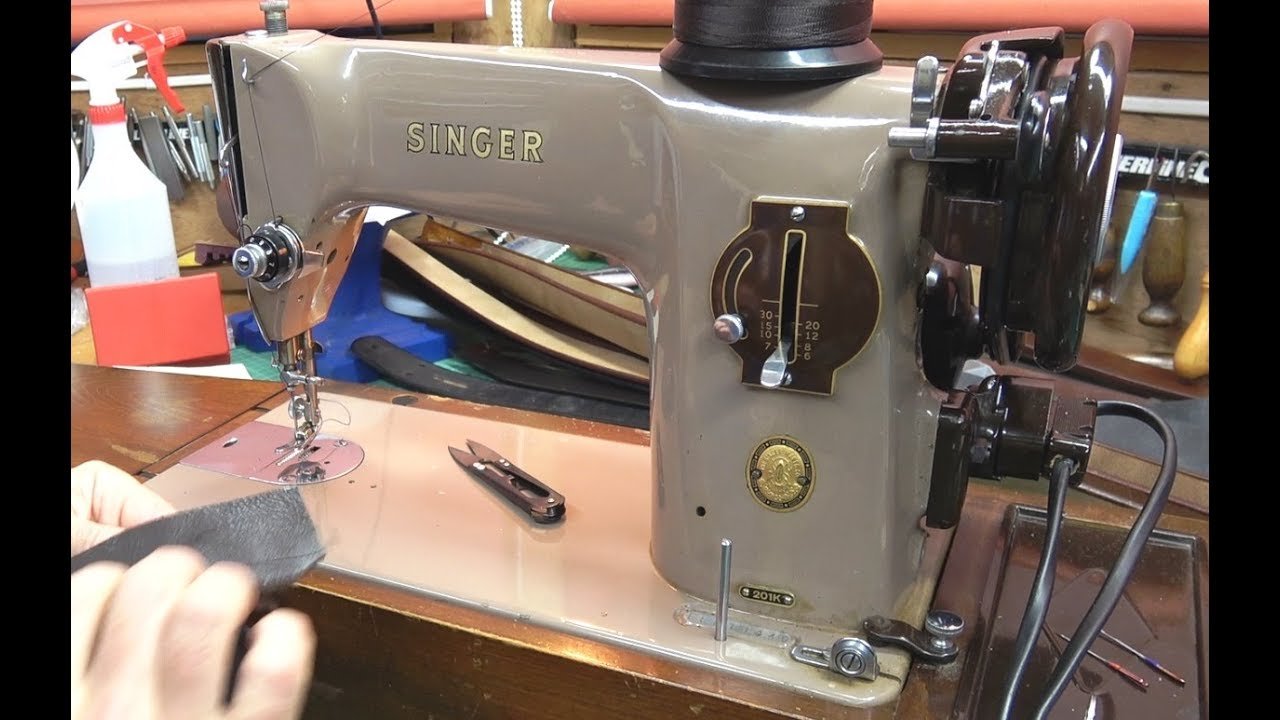
The right choice depends on your specific leather thickness and the frequency of your projects. Most Singer machines are designed for home use, meaning they work best with thin-to-medium leathers rather than heavy hides.
| Method | How long | Effort | Cost | Best for |
|---|---|---|---|---|
| Heavy Duty 4423 | Fast | Low | Low | Clothing/Bags |
| Mechanical 3232 | Medium | Medium | Low | Small repairs |
| Computerized 9960 | Fast | Low | Medium | Decorative work |
If you choose a computerized model, remember that you must use a specialized leather needle to prevent skipped stitches. If you use a standard needle, you risk damaging the machine’s timing. This varies by model — check the label for the maximum recommended fabric weight.
Using the Heavy Duty 4423
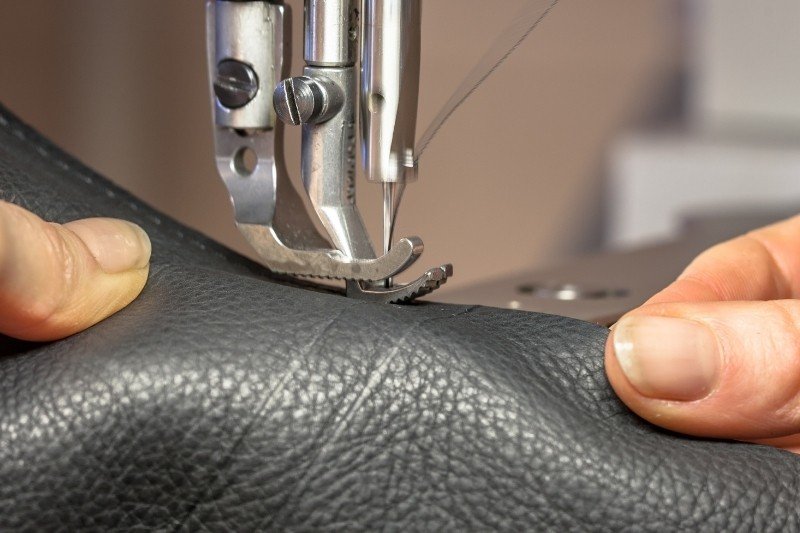
This machine uses a powerful motor to pull thick materials through the feed dogs. You should always use a dedicated leather needle, which has a wedge-shaped point designed to slice through skin without creating large, weak holes.
- Install a size 16 or 18 leather needle into the needle bar.
- Set the stitch length to a longer setting, between 3mm and 4mm, to prevent the leather from tearing due to over-perforation.
- Replace the standard plastic presser foot with a Teflon or roller foot to stop the leather from sticking to the plate.
- Test your stitch tension on a scrap piece of the exact leather you plan to use.
This machine is perfect for sewing leather pouches, wallets, and thin jacket patches. A common mistake is trying to sew multiple layers of thick leather at once; this can break the needle or jam the bobbin case. If you find the machine struggling, stop immediately to avoid motor burnout. This isn’t for professional upholstery or heavy-duty industrial work. If you need to sew thick, rigid leather for horse tack, seek out an industrial machine with a walking foot, as home machines lack the necessary clearance.
Utilizing the 9960 Computerized model
This machine offers precise control for decorative stitching on leather accessories. The internal computer manages the needle position, which helps when you need to pivot at the corners of a leather wallet or case.
- Select a straight stitch with a width of zero and a length of 3.5mm.
- Use a high-quality bonded nylon thread, which resists the friction and tension better than standard cotton thread.
- Keep your stitch speed slow and steady to ensure the machine maintains consistent timing through the thick material.
- Clean the bobbin area after every project, as leather dust can accumulate and interfere with the hook mechanism.
This machine excels at adding intricate details and embroidery to leather projects. Its weakness is the electronic sensitivity; if you force a needle that’s too thick through the material, you risk damaging the internal timing mechanism. This requires an official Singer sewing machine manual to ensure you’re using the correct needle and thread combinations for your specific model. Always check the manufacturer’s guide to confirm the limits of your machine’s motor.
Manual sewing and hole punching
Photo: mermaidsden.com on Google
When you don’t want to risk your machine, punching holes by hand is the safest way to join thick leather. This method ensures your stitch line is perfect every time.
- Mark your stitch line using a wing divider or a stylus tool.
- Use a diamond-shaped stitching chisel and a mallet to punch holes through the leather layers.
- Apply a small amount of leather cement to hold the edges together before you begin stitching.
- Use two needles and a length of waxed linen thread to perform a traditional saddle stitch.
This method produces the strongest possible bond for leather goods and will never fail due to mechanical issues. The main trade-off is time; hand stitching a single wallet can take hours, whereas a machine does it in minutes. This isn’t for people who need to produce large quantities of items quickly. If your leather is thicker than 4mm, you must use a punch and hammer, as even the strongest home machines will fail to penetrate the material cleanly.
Which one should you use?
If you’re in a hurry, the Heavy Duty 4423 is your best choice because it reaches high speeds quickly and handles basic leather thicknesses with ease. If you’re doing this for the first time, choose the Mechanical 3232. It has fewer settings, making it much easier to learn the basics of tension and needle care without getting lost in digital menus. If you want the best possible result, use the hand-stitching method. While it takes the most time, it provides a level of durability and aesthetic quality that no home sewing machine can match.
The trade-off is clear: machines offer speed and convenience, but they come with a risk of mechanical strain and limited material capacity. Hand sewing offers total control and superior strength but requires significant manual labor.
The rules that apply whichever way you choose
Regardless of the method, you must focus on the needle and thread combination. Using the wrong needle is the most common mistake, and it often costs the user a broken needle plate or a bent needle bar.
Always prepare your workspace by ensuring you have enough light and a stable table. Partway through your project, stop and inspect the underside of your work to ensure the tension is balanced and no loops are forming. At the end, tie off your threads securely, as leather doesn’t hold knots as easily as fabric. If you find that your machine is skipping stitches, change the needle first; a dull needle is the primary cause of poor results. If the problem continues after changing the needle, check the presser foot pressure if your model allows it. If your machine requires internal repair or timing adjustments, take it to a professional technician. Don’t attempt to open the motor housing yourself, as capacitors can hold a lethal charge even when the power cord is unplugged.
Frequently asked questions
Can I use a regular sewing machine for leather?
Yes, you can use a regular machine for thin, soft leather provided you switch to a leather-specific needle and a Teflon foot. If your machine is a lightweight plastic model, it will struggle with anything thicker than a single layer of garment leather. Always test your settings on a scrap piece first to ensure the machine can handle the material without skipping stitches or jamming the bobbin.
How long does it take to sew leather by machine?
It takes about 10 to 20 minutes to sew a simple leather wallet once you have prepared your pieces and set the machine. The time increases significantly if you’re working with multiple layers or thick hides that require slow, deliberate movement. If you’re a beginner, allow for extra time to troubleshoot tension settings, as leather requires different tension than standard cotton fabric.
Is it safe to sew leather on a home machine?
Yes, it’s safe as long as you follow the manufacturer’s maximum thickness limits and don’t force the machine through material it can’t handle. The biggest risk isn’t to your safety, but to the machine itself; forcing a needle through thick leather can break the needle or damage the internal timing. Always keep your fingers away from the needle path while the motor is running.
What happens if I use the wrong needle for leather?
If you use a standard sharp or ballpoint needle, it will likely break or create large, ragged holes that weaken the leather. A leather needle has a specialized cutting point that slices through the fibers, creating a clean hole that the thread can fill. Using the wrong needle also leads to skipped stitches because the needle can’t properly penetrate the dense material to meet the bobbin hook.
Why is my sewing machine skipping stitches on leather?
This usually happens because your needle is dull or the wrong size for the thickness of the leather. Leather dulls needles much faster than fabric, so you should replace yours after every major project. Another cause is insufficient presser foot pressure; if the leather isn’t being held firmly against the feed dogs, it will move inconsistently, causing the hook to miss the thread loop.
Final Thoughts
Choosing the right tool is just the start of your journey. Once you’ve picked up some scrap leather and a pack of specialized needles, you’ll be ready to test your first project. Don’t be afraid to experiment with your stitch length, as you’ll find it’s the key to getting that professional, clean look.
Related guides
- Best Older Singer Sewing Machine for Leather 301A: Top Belts & Accessories
- Best Old Sewing Machine for Leather: Durable, Heavy-Duty & Precision Craftsmanship
- Best Older Singer Sewing Machine for Leather: Durable, Heavy-Duty Models Reviewed