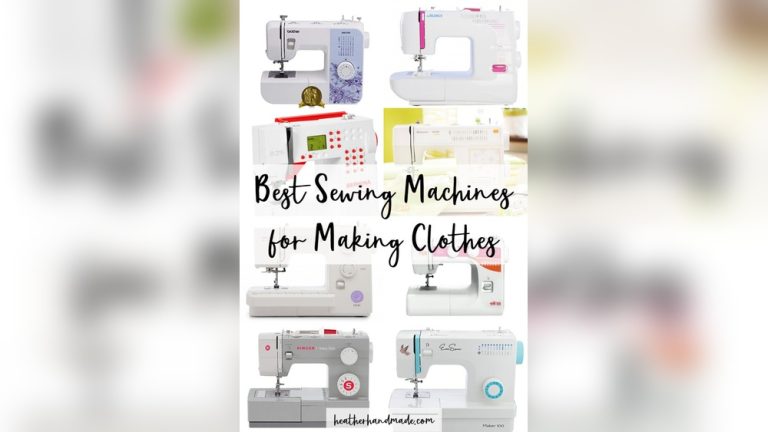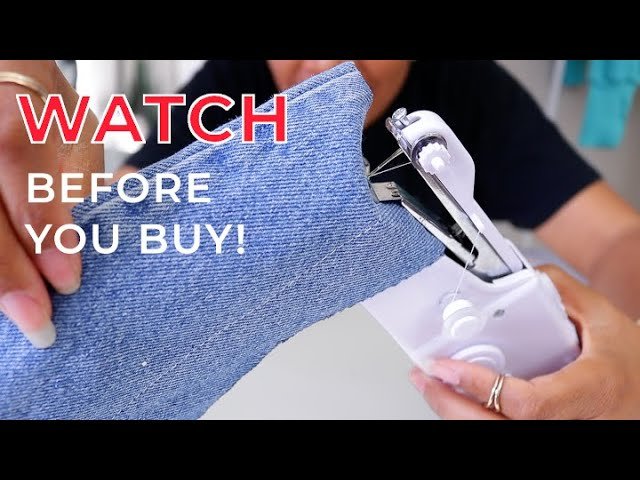
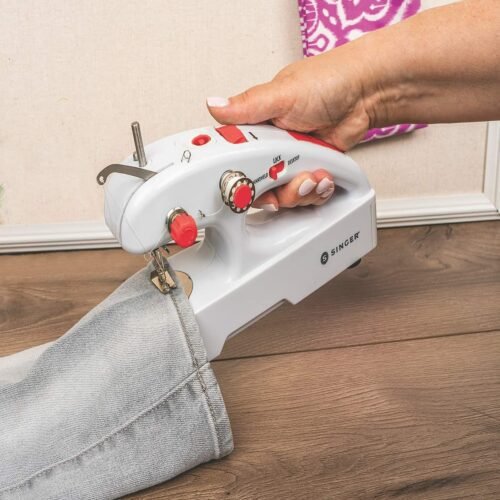
Best Handheld Sewing Machine for Hemming: Singer Stitch Quick+
The Singer Stitch Quick+ is widely considered the best handheld sewing machine for hemming because it provides the most consistent stitch tension for thin to medium-weight fabrics. If you need to hem heavy denim or thick curtains, you should use a full-sized desktop machine instead. These compact tools are meant for quick repairs on the go, not for heavy-duty construction or long-term durability. Always check the manufacturer’s manual for the specific thread thickness allowed, as using the wrong size can jam the internal gears.
The best handheld sewing machine for hemming compared
Photo: www.thecreativecurator.com on Google
Choosing the right tool depends entirely on your fabric type and the length of the hem.
Handheld units are perfect for a quick fix on a shirt sleeve, but they lack the power to punch through multiple layers of heavy denim. If you prioritize speed, a desktop machine is the clear winner, though it requires more space and setup time. If you prioritize portability, the handheld option is unmatched, but it can’t handle complex patterns or thick seams. Always check the Consumer Product Safety Commission guidance on electrical safety before using any plug-in sewing equipment, as damaged cords can pose a significant fire hazard.
Portable chain-stitch devices
These devices use a single thread to create a chain stitch, which is fast but can unravel if the end isn’t secured properly.
- Thread the needle and pull roughly 6 inches of thread through the eye.
- Position the fabric under the presser foot and hold the end of the thread firmly with your left hand.
- Press the power button and guide the fabric slowly; don’t pull or push the material, as the machine feeds it automatically.
- Once finished, cut the thread and tie a double knot at the back to stop the chain from pulling out.
These machines are excellent for quick, temporary hems on light cotton or silk. They’re compact enough to fit in a travel bag. However, the stitch isn’t as strong as a lock-stitch, meaning it isn’t ideal for high-stress areas like pants cuffs. This isn’t for anyone expecting professional-grade results on heavy garments, as the motor is simply too weak to handle thick seams.
Traditional needle and thread
Manual sewing remains the most reliable method for delicate fabrics or small, precision hems that require a hidden finish.
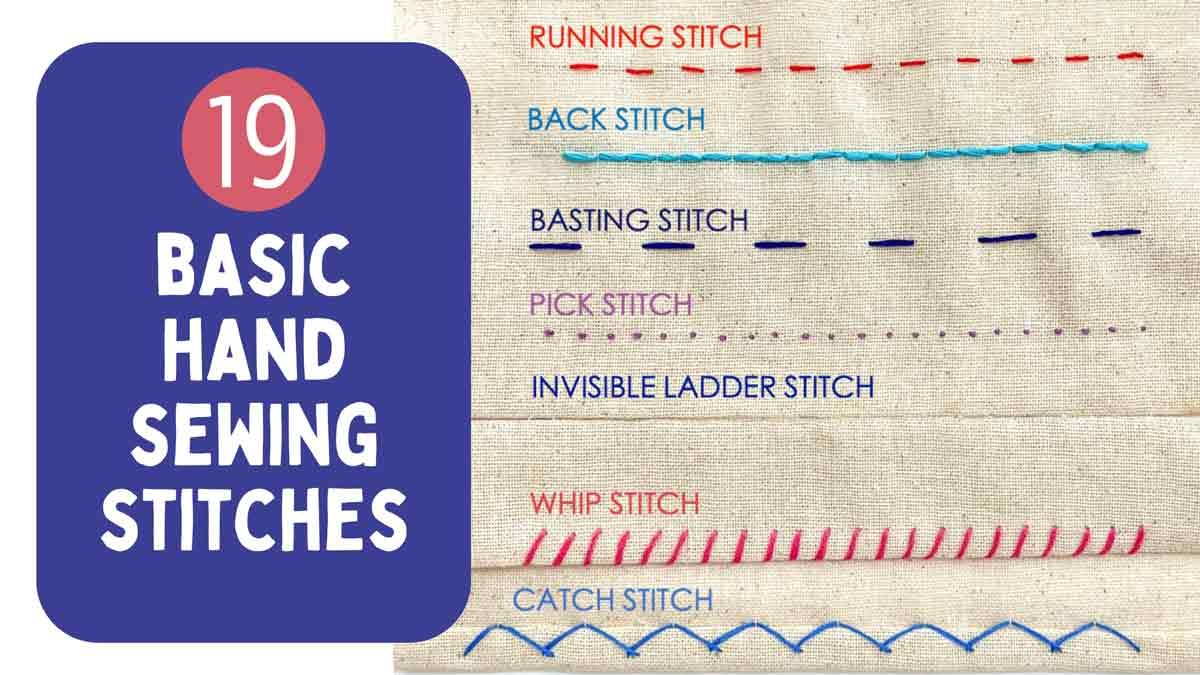
- Cut a length of thread roughly 18 inches long to prevent tangling during the sewing process.
- Knot the end of the thread and push the needle through the underside of the fabric to hide the knot.
- Take small, even stitches every 1/4 inch along the hem line.
- Secure the final stitch with two tiny back-stitches and trim the excess thread close to the fabric.
This method gives you total control over the tension and stitch size. It’s perfect for silk or thin synthetics where a machine might leave puckers. The main weakness is the time required; it’s significantly slower than any mechanical option. If you aren’t careful with your needle placement, you can easily prick your fingers. This isn’t for anyone who needs to finish a large project in a hurry, as the physical labor adds up quickly.
Desktop sewing machines
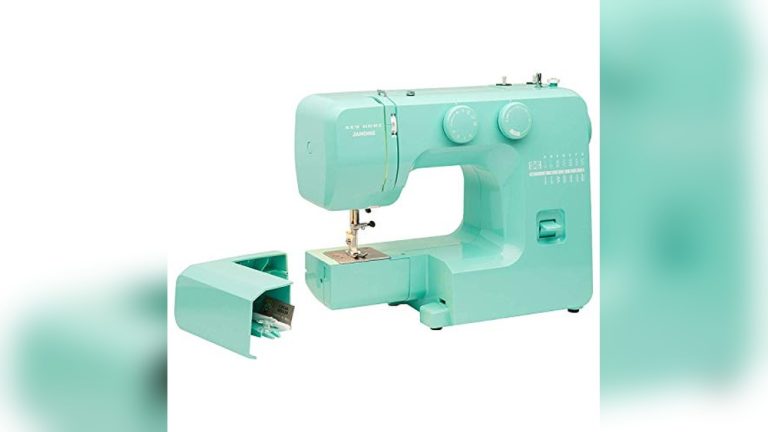
A full-sized machine is designed to handle heavy-duty tasks that handheld tools can’t manage.
- Plug the machine into a grounded outlet and ensure the bobbin is wound correctly.
- Set the stitch length to 2.5 mm for a standard hem.
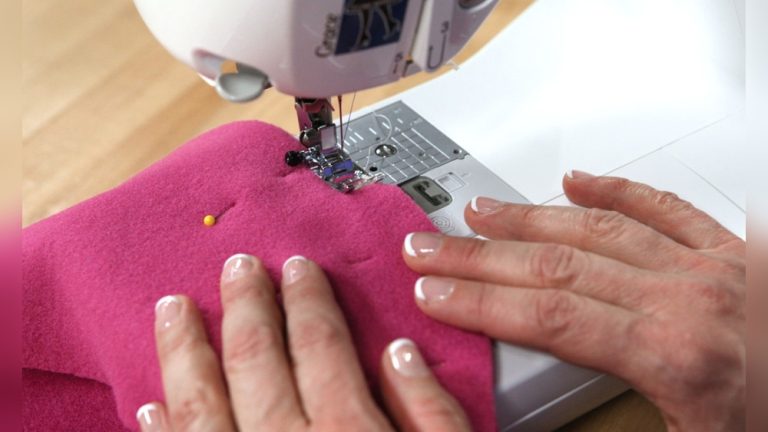
- Place the fabric under the presser foot, lower the needle, and use the foot pedal to control the speed.
- Backstitch at the start and end of the hem to lock the thread in place.
These machines offer the best results for durability and professional appearance. They can handle multiple layers of fabric with ease. The primary weakness is the size; they’re heavy, require a dedicated workspace, and aren’t portable. If you don’t have a flat, stable surface for the machine, you’ll struggle to keep your hem straight. This isn’t for users who only need to perform minor, infrequent repairs on small items.
Which one should you use?
If you’re in a hurry, use a handheld device because it requires minimal setup time. If you’re doing this for the first time, use a traditional needle and thread; it allows you to see exactly how the fabric reacts to each stitch without the risk of a machine jam. If you want the best possible result, use a desktop sewing machine. It provides the strongest, most uniform stitch that will last through many washes.
The trade-off is always between speed and quality. A handheld device is fast but the stitch is weak. A desktop machine is slower to set up but delivers professional strength. Manual sewing is the slowest, but it’s the safest for delicate fabrics that might tear under the pressure of a motorized needle. Always consider the weight of your fabric first. If the fabric is thick, don’t force it through a small machine, as you’ll likely break the needle or damage the motor.
The rules that apply whichever way you choose
Regardless of the tool, you must press your hem with an iron before you begin sewing. This creates a sharp crease that acts as a guide, ensuring your hem stays straight from start to finish. If you fail to press the fabric, the hem will look twisted and uneven. Always perform a test on a scrap piece of the same fabric to check your tension settings. If the thread loops on the bottom, your tension is too loose; if the fabric bunches up, it’s too tight.
Check the needle size before starting; using a needle that’s too thick for delicate silk will leave permanent holes. If you’re using an electric machine, never leave it plugged in while you aren’t using it to prevent accidental activation. If you encounter a jam, unplug the machine immediately before trying to clear it. Never attempt to service the internal motor or circuit board yourself, as these contain components that may hold a dangerous electrical charge even when disconnected. If the machine stops working, take it to a professional technician for repairs. Always keep your workspace clean and well-lit to avoid errors that are difficult to undo once the thread is locked in.
Frequently asked questions
Can I use a handheld machine on denim?
No, most handheld devices aren’t powerful enough to pierce multiple layers of heavy denim. These machines are designed for light fabrics like cotton or polyester blends. If you try to sew denim, you’ll likely stall the motor or snap the needle. For heavy materials, you must use a standard desktop sewing machine that has a high-torque motor and can accommodate a heavy-duty needle.
Why is my handheld machine skipping stitches?
Skipped stitches usually happen because the needle is blunt or improperly inserted. Check that the needle is pushed all the way into the holder and tightened securely. If the needle is bent, replace it immediately with a new one of the same size. Also, ensure your thread isn’t catching on the spool, as any resistance will prevent the loop from forming correctly for the next stitch.
How long does a handheld hem last?
A hem performed by a handheld machine can last through several normal laundry cycles if you tie off the thread properly. Because these machines use a chain stitch, they’re prone to unraveling if the end isn’t secured with a knot. If you want the hem to last for years, you should use a lock-stitch machine or a hand-sewn blind hem, which provides much higher structural integrity.
Is it safe for children to use?
No, handheld sewing machines aren’t toys and shouldn’t be used by children without direct adult supervision. The needle moves very fast and can easily pierce skin or cause injury if fingers are placed too close to the presser foot. Always store the machine in a safe place, unplugged and with the needle in the lowest position, to prevent accidents when it isn’t in use.
What happens if the thread jams?
If the thread jams, stop the machine immediately and turn it off. Never force the fabric out, as this can bend the internal mechanism or pull the needle out of alignment. Unplug the unit, open the bobbin or needle plate area, and carefully snip the jammed thread with small scissors. Once the tangled thread is removed, re-thread the machine completely before attempting to sew again.
Final Thoughts
Keep your tool in a small pouch with a spare needle and a few pre-wound bobbins so you’re ready for any wardrobe malfunction. You’ll find that having these supplies handy makes sudden repairs much less stressful. Once you’ve practiced on a scrap piece of fabric, you won’t worry about loose hems anymore.
{“@context”:”https://schema.org”,”@type”:”FAQPage”,”mainEntity”:[{“@type”:”Question”,”name”:”Can I use a handheld machine on denim?”,”acceptedAnswer”:{“@type”:”Answer”,”text”:”No, most handheld devices aren’t powerful enough to pierce multiple layers of heavy denim. These machines are designed for light fabrics like cotton or polyester blends. If you try to sew denim, you’ll likely stall the motor or snap the needle. For heavy materials, you must use a standard desktop sewing machine that has a high-torque motor and can accommodate a heavy-duty needle.”}},{“@type”:”Question”,”name”:”Why is my handheld machine skipping stitches?”,”acceptedAnswer”:{“@type”:”Answer”,”text”:”Skipped stitches usually happen because the needle is blunt or improperly inserted. Check that the needle is pushed all the way into the holder and tightened securely. If the needle is bent, replace it immediately with a new one of the same size. Also, ensure your thread isn’t catching on the spool, as any resistance will prevent the loop from forming correctly for the next stitch.”}},{“@type”:”Question”,”name”:”How long does a handheld hem last?”,”acceptedAnswer”:{“@type”:”Answer”,”text”:”A hem performed by a handheld machine can last through several normal laundry cycles if you tie off the thread properly. Because these machines use a chain stitch, they’re prone to unraveling if the end isn’t secured with a knot. If you want the hem to last for years, you should use a lock-stitch machine or a hand-sewn blind hem, which provides much higher structural integrity.”}},{“@type”:”Question”,”name”:”Is it safe for children to use?”,”acceptedAnswer”:{“@type”:”Answer”,”text”:”No, handheld sewing machines aren’t toys and shouldn’t be used by children without direct adult supervision. The needle moves very fast and can easily pierce skin or cause injury if fingers are placed too close to the presser foot. Always store the machine in a safe place, unplugged and with the needle in the lowest position, to prevent accidents when it isn’t in use.”}},{“@type”:”Question”,”name”:”What happens if the thread jams?”,”acceptedAnswer”:{“@type”:”Answer”,”text”:”If the thread jams, stop the machine immediately and turn it off. Never force the fabric out, as this can bend the internal mechanism or pull the needle out of alignment. Unplug the unit, open the bobbin or needle plate area, and carefully snip the jammed thread with small scissors. Once the tangled thread is removed, re-thread the machine completely before attempting to sew again.”}}]}