What is the Best Sewing Machines for Beginners: Top Picks 2026
Are you ready to start sewing but unsure which machine is right for you? Choosing the best sewing machine for beginners can feel overwhelming with so many options out there.
You want a machine that’s easy to use, reliable, and won’t break the bank. What if you could find a sewing machine that makes learning simple and fun from the very first stitch? Keep reading, and you’ll discover the top beginner-friendly sewing machines that can turn your creative ideas into beautiful projects—without frustration or confusion.
Your perfect sewing companion is just a few clicks away.

Credit: www.youtube.com
Features To Look For In Beginner Sewing Machines
Choosing the right sewing machine helps beginners learn faster and enjoy sewing more. Certain features make a machine easier to use and more effective for new sewers. These features help avoid frustration and build confidence.
Focusing on key aspects ensures the machine matches beginner needs. Simple controls, useful stitch options, and a good size matter a lot. Also, durability and price affect how practical the machine is for first-time users.
User-friendly Controls
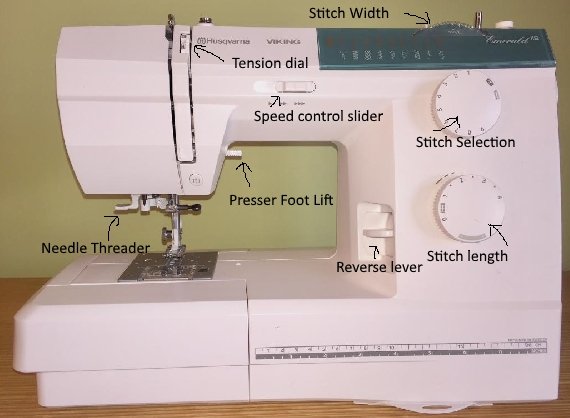
Easy-to-understand controls make sewing less confusing. Large knobs and clear labels help beginners adjust settings quickly. Simple buttons for start, stop, and speed control reduce mistakes. Machines with a clear manual or tutorial support learning well.
Stitch Options
Basic stitch choices suit most beginner projects. Straight stitch and zigzag are must-have options. Extra stitches add fun but should not overwhelm. The ability to adjust stitch length and width improves project quality.
Portability And Size
Compact and lightweight machines are easy to move and store. Small size fits well in limited space. Portable machines allow sewing anywhere at any time. Weight under 15 pounds is ideal for beginners.
Durability And Build Quality
Strong materials ensure the machine lasts longer. Metal parts inside mean better performance and less breakdown. A sturdy base reduces shaking during sewing. Reliable build quality helps beginners stay confident.
Price Range
Affordable machines suit most beginner budgets. Spending between $100 and $300 offers good value. Avoid very cheap machines with poor quality. Investing a bit more brings better features and durability.
Types Of Sewing Machines Suitable For Beginners
Choosing the right sewing machine helps beginners learn faster. Different types fit different needs and budgets. Knowing the basics of each type guides you to the best choice.
Mechanical Machines
Mechanical sewing machines use manual controls. You turn knobs and dials to select stitches. These machines are simple and easy to fix. They usually cost less than other types. Great for learning the basics of sewing.
Electronic Machines
Electronic machines have buttons and digital displays. They offer more stitch options than mechanical machines. Controls are easier to use with clear settings. These machines run faster and smoother. Good for beginners who want more features.
Computerized Machines
Computerized sewing machines connect to a screen or computer. They come with many stitch patterns and automatic functions. These machines adjust tension and stitch length by themselves. Ideal for beginners ready to try advanced sewing projects. They can be more expensive but save time and effort.
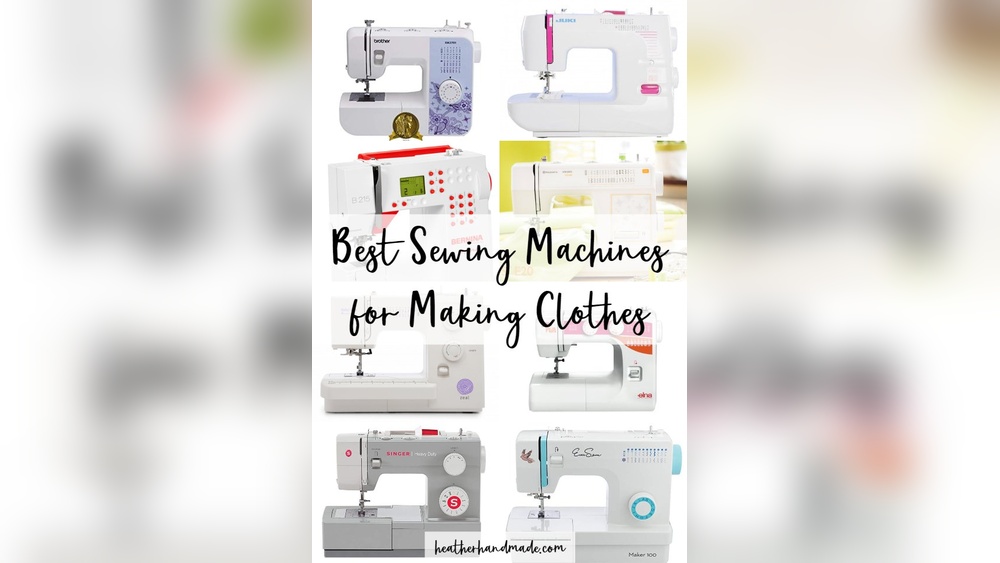
Top Sewing Machines For Beginners In 2026
Choosing the right sewing machine can make learning easier and more fun. Beginners need machines that are simple to use and reliable. In 2026, there are many options designed to help new sewists create beautiful projects quickly.
This guide highlights the top sewing machines for beginners. Each one suits different needs and budgets. Find the perfect match to start your sewing journey with confidence.
Best Overall Machine
This model offers a balance of features and ease of use. It has multiple stitch options and an automatic needle threader. The machine runs smoothly and handles various fabrics well. Its sturdy build supports beginners as they learn new skills.
Best Budget Option
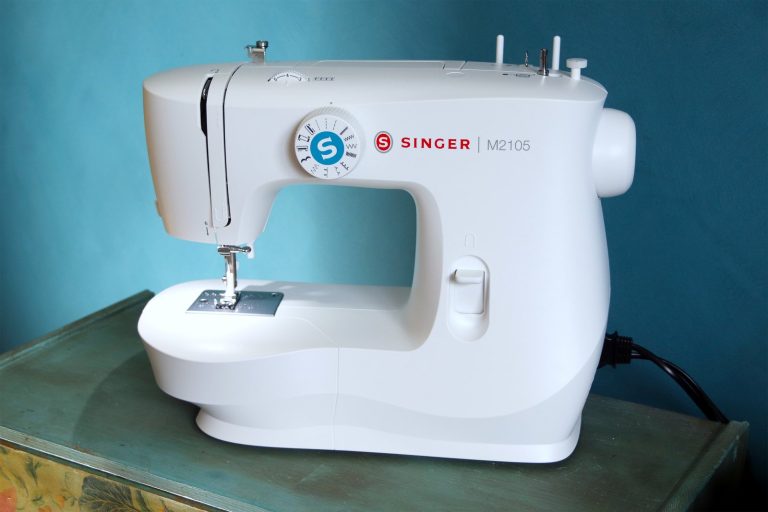
This machine is affordable without sacrificing quality. It includes basic stitches and simple controls. The lightweight design makes it easy to move and store. It is perfect for those who want to sew without spending much.
Best For Quilting
This sewing machine is designed for quilting projects. It has a large workspace and strong motor. The machine offers precise stitching and multiple quilting stitches. Beginners can create beautiful quilts with ease and comfort.
Best For Portability
This model is compact and lightweight, ideal for travel. It fits easily in small spaces and bags. Despite its size, it sews well on different fabrics. Beginners who sew on the go will find this machine useful.
Best Computerized Model
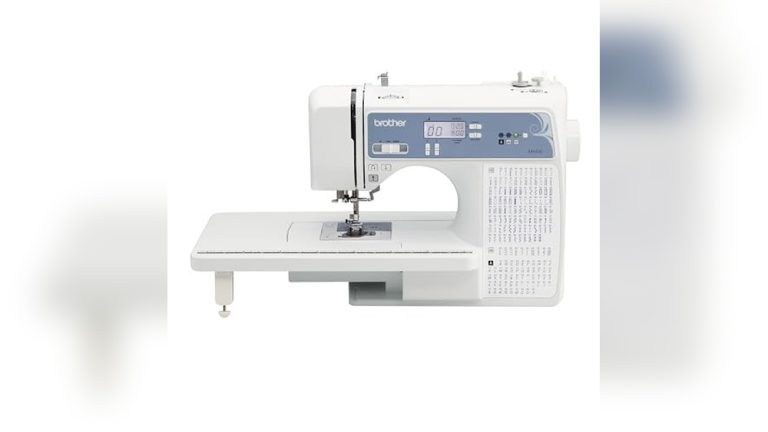
This machine has digital controls and a clear display. It offers many stitch patterns and automatic features. The computer helps beginners select settings easily. This model combines modern technology with user-friendly operation.
Tips For Choosing The Right Machine
Choosing the right sewing machine is key for beginners. A good machine makes learning easier and more fun. Consider a few important points before buying. These tips help find a machine that fits your needs and skill level.
Assessing Your Sewing Goals
Think about what you want to sew. Simple projects need fewer features. Fancy machines can confuse beginners. Decide if you want to make clothes, crafts, or repairs. This helps pick a machine with the right functions.
Considering Maintenance And Support
Check how easy it is to keep the machine running. Some machines need regular oiling or cleaning. Look for brands with good customer support. A machine with easy-to-find parts and service saves stress later.
Trying Before Buying
Test machines in stores if possible. Feel how heavy and noisy they are. Try basic stitches and controls. Comfort and ease of use matter for beginners. Hands-on experience shows what suits you best.
Reading User Reviews
Read reviews from other beginners. They share honest opinions about machines. Look for feedback on reliability and ease of use. Reviews reveal common problems and praises. This helps avoid bad choices.
Essential Accessories For Beginner Sewers
Starting to sew is exciting. The right accessories make the process easier. They help beginners learn and enjoy sewing projects.
This section covers essential tools and materials for beginner sewers. These items improve skills and boost confidence. They also make sewing more fun and less frustrating.
Basic Sewing Tools
Every beginner needs a few simple tools. A good pair of sharp scissors cuts fabric cleanly. Needles are important for hand sewing and machine use. Pins hold fabric pieces together before sewing. A seam ripper removes mistakes without damage. Measuring tape and rulers help with precise cuts and measurements. A pincushion keeps pins safe and easy to reach.
Recommended Fabric Types
Some fabrics are easier for beginners than others. Cotton is soft, easy to cut, and sew. It does not stretch much, so it stays in place. Muslin is great for practice and testing patterns. Felt is thick but simple for small projects. Avoid stretchy or slippery fabrics at first. These can be hard to control and sew evenly.
Starter Kits And Add-ons
Many starter kits include useful sewing accessories. They often have basic tools and a variety of threads. Some kits offer different needles and extra bobbins. Extra presser feet for the machine add new sewing options. A fabric marker or chalk helps mark sewing lines. A small ironing board and iron improve fabric handling. These kits save time and keep essential items together.

Credit: seekatesew.com
Maintenance And Care For Sewing Machines
Taking care of your sewing machine is important. Good maintenance keeps it working well. It helps you avoid problems and saves money. Regular care makes sewing easier and more fun. Even beginners can keep their machines in great shape.
Cleaning Tips
Dust and lint build up inside the machine. Clean it often to stop clogs. Use a small brush or soft cloth. Remove the needle plate to clean inside. Avoid using water or harsh cleaners. Wipe the outside gently to remove dirt.
Regular Servicing
Take your machine to a professional for check-ups. Servicing every year keeps parts working smoothly. A technician can oil and adjust the machine. This stops wear and tear on key parts. Regular service helps the machine last longer.
Troubleshooting Common Issues
Threads can break or get stuck. Check the threading and re-thread the machine. Use the right needle and thread for your fabric. If stitches are uneven, adjust the tension. Listen for strange sounds and stop sewing. Look for loose parts or jammed fabric.

Credit: www.gloryallan.com
Frequently Asked Questions
What Features Should Beginners Look For In A Sewing Machine?
Beginners should seek easy stitch selection, automatic needle threading, and adjustable speed. Lightweight and portable models help with handling and storage. A clear instruction manual and basic stitch variety make learning easier and more enjoyable.
Which Sewing Machine Brand Is Best For Beginners?
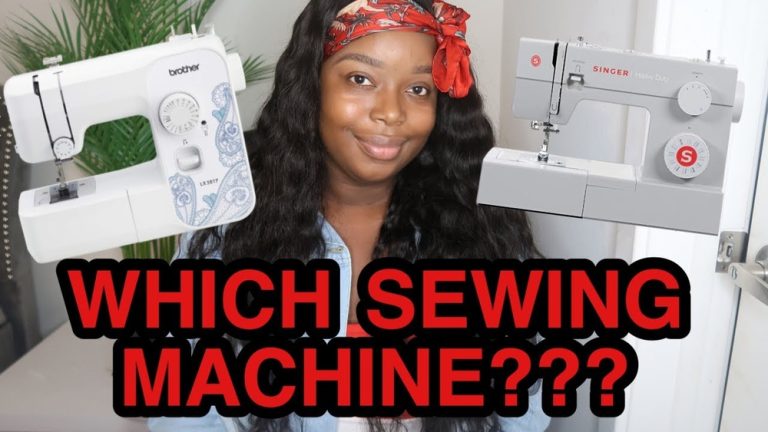
Brands like Brother, Singer, and Janome are popular for beginners. They offer reliable, user-friendly machines with good customer support. These brands balance affordability with quality, making them ideal for new sewers learning essential skills.
How Much Should I Spend On A Beginner Sewing Machine?
A beginner sewing machine typically costs between $100 and $300. Models in this range provide essential features without overwhelming complexity. Investing in a quality machine ensures durability and a better learning experience.
Can A Beginner Sew Complex Fabrics With A Basic Machine?
Basic machines handle most fabrics like cotton and polyester easily. Heavy or stretchy fabrics may need a more advanced machine. Beginners should start with simple fabrics before progressing to complex materials for best results.
Conclusion
Choosing the best sewing machine for beginners helps you start sewing with confidence. A simple, easy-to-use machine makes learning fun. Focus on basic features and good build quality. Small steps lead to great skills over time. Enjoy each stitch and keep practicing often.
Sewing becomes easier with patience and the right tools. Your perfect sewing machine is ready to help you create. Keep sewing and watch your projects grow.