100 Cotton Thread for Sewing Machine: Why and How to Use It
You should choose a high-quality, mercerized 100 cotton thread for sewing machine projects when you need a natural fiber that can withstand heat and dye processes. This thread is the standard choice for garments made from cotton fabrics because it shrinks at the same rate as the material. If you’re sewing synthetic fabrics, however, you should use polyester instead to prevent the thread from snapping when the fabric stretches.
The options compared
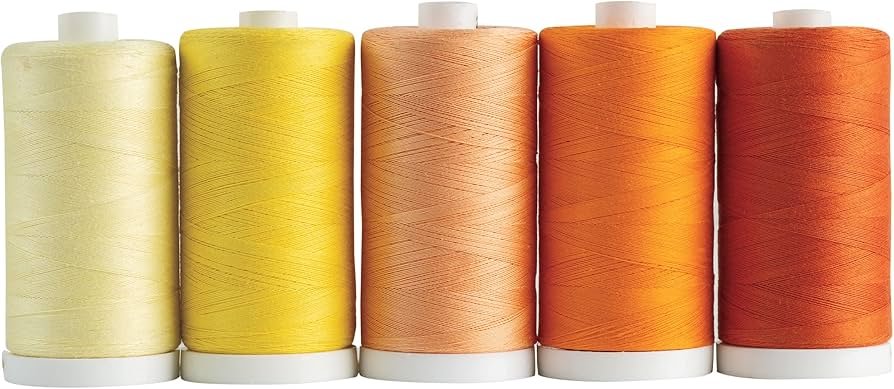
Selecting the right thread depends on your machine’s tension and the fabric you’re using.
| Method | How long | Effort | Cost | Best for |
|---|---|---|---|---|
| Standard Mercerized | Long-term | Low | Low | Everyday cotton sewing |
| Long-staple Egyptian | Long-term | Medium | High | Heirloom, delicate projects |
| Quilting Weight | Long-term | Low | Medium | Thick patchwork layers |
If you choose a low-quality, non-mercerized cotton, you’ll likely face frequent thread breaks, as the fibers aren’t strong enough for the high-speed motion of a sewing machine. Always check the label for the term “mercerized,” which indicates the thread has been treated to improve strength and luster.
Using mercerized cotton for general sewing
This is the most common form of natural thread. It has been treated with caustic soda to make it stronger and more receptive to dyes.
- Place the thread spool on the horizontal or vertical pin according to your machine’s manual.
- Set your machine tension to a medium level, usually between three and five.
- Use a sharp or universal needle size 80/12 for standard weight cotton fabrics.
- Increase your stitch length slightly to 2.5mm or 3.0mm to avoid gathering the fabric.
This thread is excellent for creating clean hems and seams in natural textiles, offering a matte finish that blends well with most cotton surfaces.
Selecting long-staple threads for fine work
Long-staple cotton uses fibers that are much longer than standard cotton. This creates a smoother, stronger thread with fewer loose ends.
- Select a 50-weight or 60-weight thread for fine, detailed stitching.
- Lower your top tension slightly to prevent the thread from pulling too tight.
- Use a high-quality microtex needle to pierce the fabric cleanly.
- Test your tension on a scrap piece of the same fabric before starting your main project.
This thread is perfect for heirloom sewing, delicate embroidery, or projects where the stitching must be nearly invisible. It creates very little lint, which keeps your machine’s bobbin area cleaner. The disadvantage is the higher cost and the fact that it’s harder to find in basic craft stores. If you find the thread keeps shredding, it’s usually a sign that your needle is blunt or the wrong size for the thread weight.
Using heavier weights for quilting
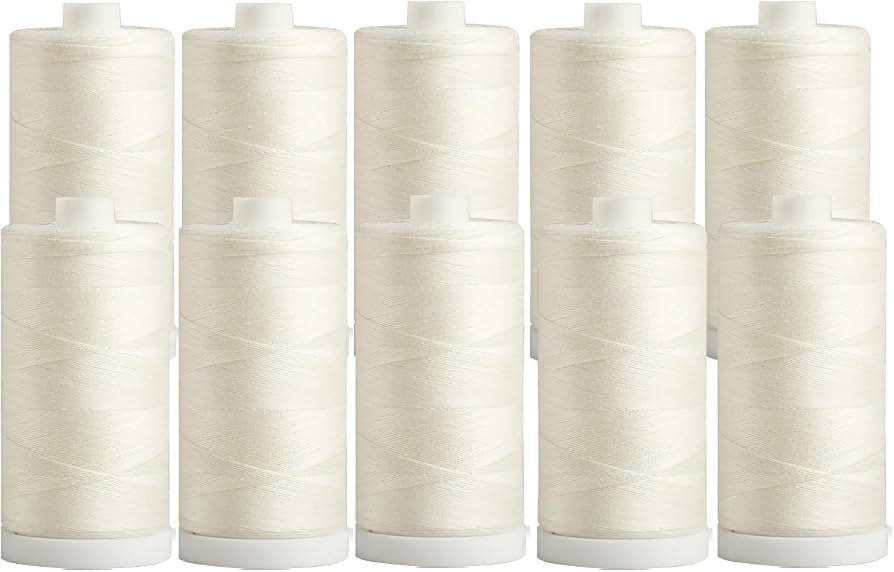
Photo: www.amazon.ie on Google
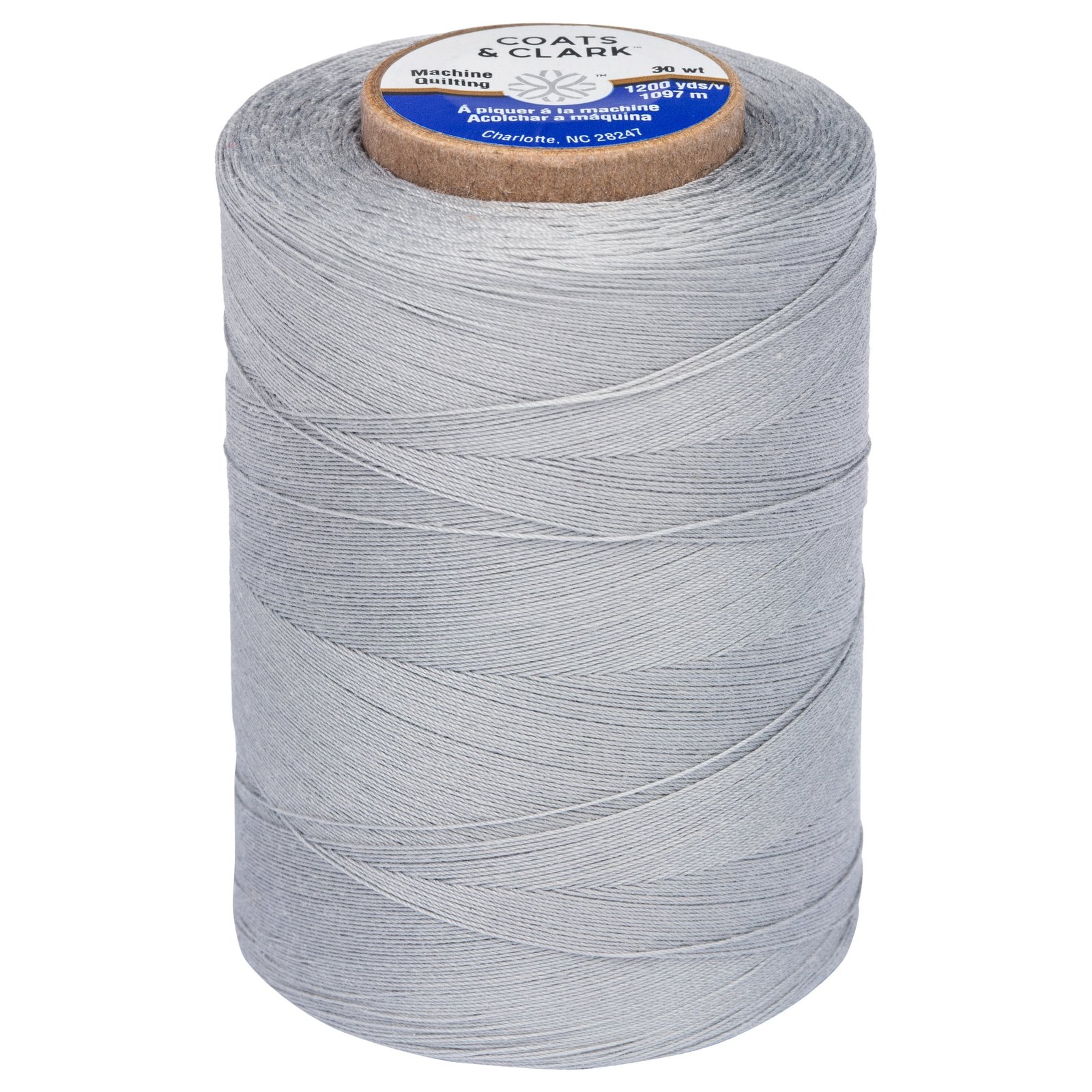
Quilting cotton is often thicker and more durable than standard sewing thread. It’s designed to hold heavy layers of fabric together securely.
- Use a 40-weight thread for piecing or decorative topstitching.
- Install a denim or quilting needle size 90/14 to accommodate the thicker thread.
- Increase your stitch length to 3.0mm or 3.5mm to ensure a balanced look.
- Clean the bobbin case with a soft brush after every project to remove cotton dust.
This thread is ideal for heavy-duty projects where strength is the priority. It provides a bold, visible stitch that looks professional on quilts and thick bags. The limitation is that it’s too thick for delicate or lightweight silk and rayon fabrics. If you use this on thin fabric, the thread will create puckers and ruin the drape of the garment.
Choosing 100 cotton thread for sewing machine
If you’re in a hurry, use standard mercerized cotton. It’s widely available, easy to find in any color, and works predictably with almost all standard cotton fabrics.
If you’re doing this for the first time, use a medium-weight mercerized thread. It’s the most forgiving option for a beginner, as it doesn’t require complex tension adjustments and behaves well in most sewing machines.
If you want the best possible result whatever it takes, choose high-quality long-staple cotton. While it’s more expensive, the reduced lint and superior strength produce a finish that looks much more professional on detailed or heirloom pieces.
The trade-off is always between strength, thickness, and elasticity. Cotton is great for non-stretch fabrics but isn’t suitable for activewear or anything that needs to move with the body. Always match your thread weight to your fabric weight; if you use a heavy thread on light fabric, the seam will look bulky and uneven.
The rules that apply whichever way you choose
Regardless of the thread you pick, your machine’s health depends on proper maintenance. Always use a fresh, sharp needle; a dull needle is the most common cause of skipped stitches and shredded thread. If you notice the machine is struggling, stop immediately and check the bobbin case for tangled lint.
You should always test your settings on a scrap of the exact fabric you intend to sew. If the thread loops on the bottom, your top tension is too loose; if it loops on the top, your tension is too tight. If you’re working with an industrial machine, follow the manufacturer’s specific oiling and maintenance schedule to avoid mechanical failure.
Never attempt to repair internal electrical components or motors yourself. If you hear grinding noises or smell burning, turn the machine off, unplug it, and take it to a qualified technician. A capacitor inside the motor housing can hold a lethal charge even when the machine is unplugged. Proper storage is also vital; keep your thread in a cool, dry place away from direct sunlight to prevent the fibers from becoming brittle and weak over time.
Frequently asked questions
Can I use cotton thread on polyester fabric?
No, you shouldn’t use cotton thread on polyester fabric. Cotton doesn’t have the stretch needed to match the fabric, which causes the thread to snap when the garment is worn.
How long does cotton thread last in storage?
Cotton thread can last for many years if kept in a cool, dry box. It stays strong as long as it’s protected from humidity and direct sunlight.
Is it safe to use old thread from a vintage machine?
No, it isn’t safe to use very old thread because the fibers weaken over time. Old thread will break inside your machine, causing frustration and potential jams.
Why is my thread breaking constantly?
Your thread is likely breaking because your needle is dull or the tension is set too high. Change the needle first, as this fixes most issues.
What happens if I use the wrong needle size?
If you use the wrong needle size, your fabric will pucker or the thread will shred. Always match the needle size to the weight of your thread.
How do I know if my thread is mercerized?
You can check the label on the spool for the word “mercerized.” If the label doesn’t mention it, the thread may be weaker and less shiny.
Final Thoughts
When you’re ready to start your next project, try testing a small scrap of fabric first. It’s a great way to see how the stitches look before you commit to the final piece. You’ll find that using the right materials makes your sewing experience much smoother and more enjoyable every time.
Related guides
- Best Invisible Thread for Sewing Machine 2026: Top Picks Reviewed
- Best Thread for Brother Sewing Machine 2026: Top Picks for Quality
- Best Cotton for Sewing Machines 2026: Top Picks for Quality Sewing