What is the Best Quality Thread for Sewing Machines: Ultimate Guide
Are you tired of your sewing projects falling apart because of weak thread? Choosing the best quality thread for your sewing machine can make all the difference in how your creations hold up.
The right thread not only strengthens your stitches but also makes your work look professional and last longer. You’ll discover exactly what to look for when picking thread, so your next project turns out flawless every time. Keep reading to learn how to make your sewing stronger, smoother, and more satisfying.

Credit: www.goldstartool.com
Types Of Sewing Threads
Sewing threads come in many types. Each type suits different fabrics and projects. Choosing the right thread improves stitch quality and durability. Understanding thread types helps pick the best one for your sewing machine and project.
Cotton Threads
Cotton threads are natural and soft. They work well with cotton and linen fabrics. These threads handle high temperatures and ironing. They give a matte finish and blend well with natural fibers. Cotton threads shrink slightly after washing, matching fabric behavior.
Polyester Threads
Polyester threads are strong and flexible. They resist shrinking and fading over time. These threads suit most fabrics and sewing tasks. Polyester threads have a smooth finish and slight shine. They work well for stretch fabrics and outdoor items.
Nylon Threads
Nylon threads are very strong and elastic. They are ideal for heavy-duty sewing and upholstery. These threads resist abrasion and water damage. Nylon threads have a shiny look. Use them for leather, canvas, and sports gear projects.
Silk Threads
Silk threads are smooth and fine. They glide easily through delicate fabrics like silk and satin. These threads produce a subtle sheen. Silk threads are ideal for hand sewing and embroidery. They are strong but more expensive than other threads.
Specialty Threads
Specialty threads include metallic, glow-in-the-dark, and elastic types. They add unique effects and textures to projects. These threads suit decorative sewing and crafts. Specialty threads may need special machine settings. They help create eye-catching and creative designs.
Credit: suzyquilts.com
Factors Affecting Thread Quality
Thread quality plays a big role in sewing machine performance. Good quality thread makes sewing easier and results better. Several key factors affect thread quality. Understanding these factors helps choose the best thread for your projects.
Thread Strength
Thread strength means how much force the thread can hold before breaking. Strong thread prevents snapping during sewing. This strength depends on the material and how tightly the thread is spun. Threads with high strength work well for heavy fabrics.
Thread Smoothness
Smooth thread moves easily through the sewing machine. It reduces friction and stops thread from catching or tangling. Smooth thread also gives neat stitches. Threads made from fine fibers usually feel smoother.
Colorfastness
Colorfastness shows how well thread keeps its color. Good colorfast thread does not fade or bleed after washing. This is important for maintaining the look of sewn items. Dye quality and thread material affect colorfastness.
Elasticity
Elasticity means how much thread stretches and returns to shape. Some fabrics need stretchy thread to avoid breaking. Threads with good elasticity fit well with stretchy or knit fabrics. Too little stretch can cause stitches to snap.
Durability
Durability refers to how long thread lasts under use. Durable thread resists wear, washing, and sunlight. It keeps stitches strong over time. High-quality thread materials and good manufacturing improve durability.
Choosing Thread For Different Fabrics
Choosing the right thread for different fabrics helps create strong, neat seams. Each fabric type needs a specific thread to hold stitches well and avoid damage. Thread quality affects sewing machine performance and final project look. Understanding thread types for various fabrics improves sewing results and fabric care.
Threads For Cotton Fabrics
Cotton fabrics work best with cotton or polyester thread. Cotton thread matches fabric stretch and breathability. It blends well and creates smooth stitches. Polyester thread is stronger and resists shrinking and fading. Both threads avoid fabric damage and keep seams neat.
Threads For Synthetic Fabrics
Synthetic fabrics like nylon or polyester need polyester thread. Polyester thread stretches slightly and resists heat and chemicals. It fits well with synthetic fibers for durable seams. Avoid cotton thread; it may break or shrink on synthetics.
Threads For Knits And Stretch Materials
Use polyester or nylon thread for knits and stretch fabrics. These threads stretch with the fabric without breaking. Stretchy threads prevent seam puckering and tearing. Avoid cotton thread, which lacks elasticity and can break.
Threads For Heavyweight Fabrics
Heavyweight fabrics like denim or canvas need heavy-duty polyester or cotton-wrapped polyester thread. These threads are thick and strong for tough seams. They resist abrasion and stress during wear. Thin threads may break or cause weak seams on heavy materials.
Thread Weight And Size
Thread weight and size are important for sewing machines. They affect how your stitches look and hold up. Choosing the right thread weight helps your project last longer and look better. Different fabrics need different thread sizes. Using the wrong thread can cause problems like thread breakage or puckering. Understanding thread weight and size helps you pick the best thread for your project.
Understanding Thread Weight
Thread weight shows how thick or thin the thread is. The number is usually on the thread spool. A higher number means thinner thread. A lower number means thicker thread. Thicker threads are strong and good for heavy fabrics. Thinner threads work well with light fabrics and detailed work. Knowing thread weight helps you match the thread to your fabric and project.
Matching Thread Size To Needle And Fabric
Thread size must fit the needle size. Thin thread needs a small needle eye. Thick thread needs a larger needle eye. The needle size must also suit the fabric. Heavy fabrics need bigger needles and thicker thread. Light fabrics need smaller needles and finer thread. Using the right needle and thread size stops thread breaks and sewing problems. This match improves sewing machine performance and stitch quality.
Best Brands For Sewing Threads
Choosing the right thread brand affects sewing quality. Top brands offer strong, smooth, and colorfast threads. They suit different fabrics and sewing needs. Trustworthy brands ensure fewer thread breaks and better stitch appearance.
Explore the best brands for cotton, polyester, and specialty threads below. Each brand has unique features that help create lasting projects.
Top Cotton Thread Brands
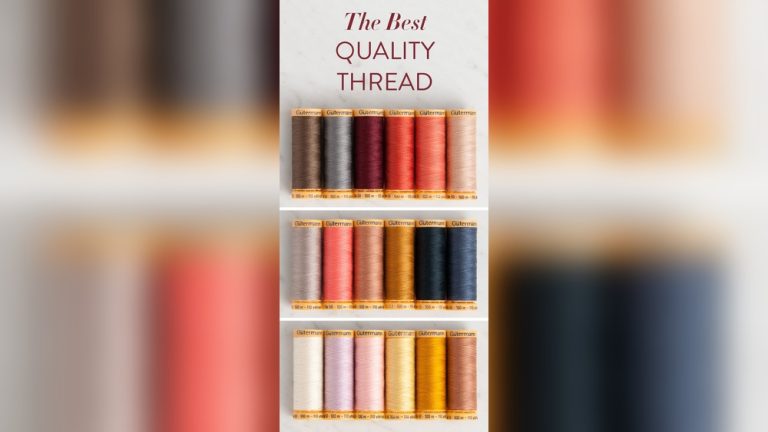
Coats & Clark is a popular name in cotton threads. Their threads are soft and strong, perfect for quilting and sewing natural fabrics. Aurifil is another favorite, known for fine, high-quality cotton threads. These threads work well for detailed stitching and embroidery. Gutermann also offers reliable cotton threads, known for their color range and durability.
Top Polyester Thread Brands
Polyester threads last longer and resist shrinking. Mettler threads are strong and smooth, ideal for daily sewing tasks. Sulky is well-known for vibrant colors and smooth finish. They work great on synthetic and blended fabrics. Coats & Clark also provides durable polyester threads trusted by many sewers.
Premium Specialty Threads
Specialty threads add texture and shine to projects. Madeira offers high-quality metallic and embroidery threads. These threads add sparkle without breaking easily. YLI produces silk and rayon threads, perfect for delicate and decorative sewing. These premium threads enhance the beauty of any creation.
Tips For Maintaining Thread Quality
Maintaining the quality of your sewing thread is important for better sewing results. Good thread quality prevents problems like thread breakage and uneven stitches. Follow simple tips to keep your thread in top shape and make your sewing projects easier and more enjoyable.
Proper Storage Practices
Store thread away from direct sunlight and moisture. Keep it in a cool, dry place to prevent weakening. Use airtight containers or plastic bags to protect thread from dust and dirt. Avoid storing thread near heat sources, as heat can cause damage. Organize thread by color and type to find it quickly and avoid tangling.
Avoiding Thread Tangles And Breakage
Use the right needle size for your thread type. Thread tension should not be too tight. Pull thread gently to prevent snapping or tangling. Unroll thread slowly from the spool during sewing. Replace the bobbin case if it causes thread catching or uneven tension. Regularly clean the sewing machine to remove lint and dust.
Replacing Old Or Damaged Threads
Check thread for signs of wear before use. Discard threads that look faded, brittle, or frayed. Old thread can cause stitching problems and uneven seams. Always use fresh thread for important projects. Label and date your thread spools to track their age. Using good thread ensures smooth sewing and strong seams.
Common Thread Problems And Solutions
Thread problems can slow down your sewing projects and cause frustration. Knowing common thread issues helps you fix them quickly. This keeps your work smooth and your stitches strong.
Thread Breaking Issues
Thread breaking is a frequent problem during sewing. It happens when the thread is too weak or the tension is too high. Old or low-quality thread often breaks easily. Check your machine’s tension settings and adjust them if needed. Using strong, high-quality thread reduces breakage. Also, clean your machine’s needle and thread path to avoid snags.
Uneven Stitching
Uneven stitching makes your sewing look messy. It can be caused by poor thread quality or wrong tension. Thread that is too thick or too thin for your fabric leads to uneven stitches. Select thread that matches your fabric’s weight and type. Adjust the machine tension to balance the stitch. Regularly clean the machine to prevent thread jams that affect stitch quality.
Color Bleeding
Color bleeding ruins the look of your project. It happens when thread dye is not stable. Use colorfast thread to avoid bleeding on light fabrics. Test the thread by wetting a small piece before sewing. Wash the fabric after sewing to check if the color runs. Choose threads made for your fabric type and color to keep colors sharp.
Compatibility With Sewing Machine
Not all threads work well with every sewing machine. Some threads are too thick or slippery for certain machines. Using incompatible thread causes tension problems and thread breakage. Check your machine manual for recommended thread types. Use polyester or cotton thread for most domestic machines. Avoid specialty threads unless your machine supports them for smooth sewing.
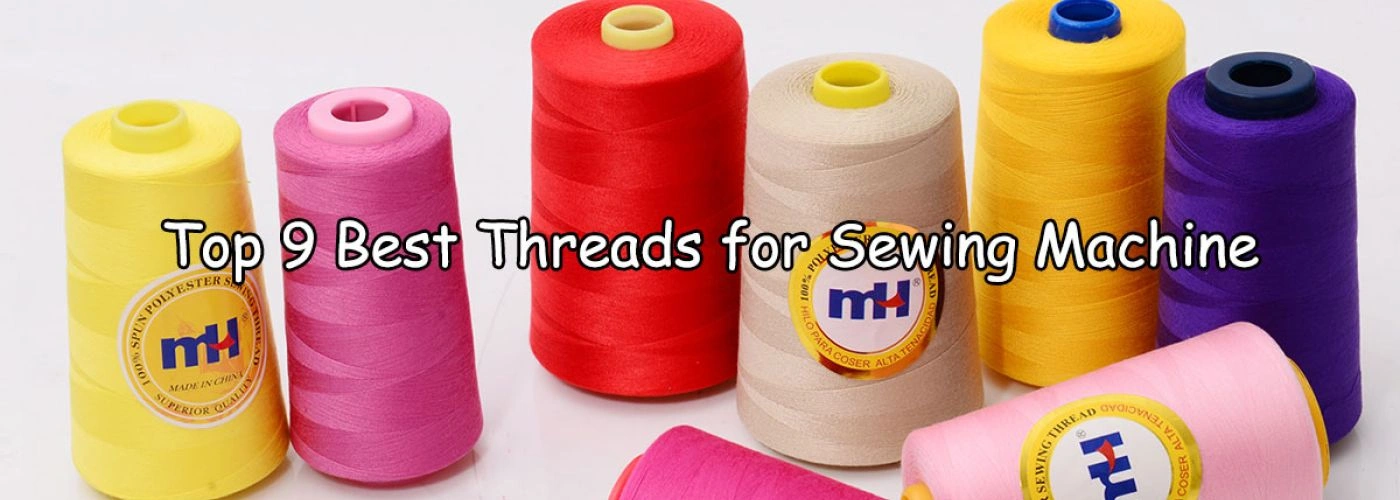
Credit: www.mhthread.com
Frequently Asked Questions
What Is The Strongest Thread For Sewing Machines?
Polyester thread is the strongest for sewing machines. It offers high durability, stretch resistance, and works well on most fabrics.
Which Thread Type Is Best For Delicate Fabrics?
Silk thread is best for delicate fabrics. It is smooth, fine, and reduces fabric damage during sewing.
Can Cotton Thread Be Used In All Sewing Projects?
Cotton thread suits natural fibers like cotton and linen. It’s not ideal for stretchy or synthetic fabrics.
How Does Thread Quality Affect Sewing Machine Performance?
High-quality thread prevents breakage and tension issues. It ensures smooth stitching and extends your sewing machine’s life.
Conclusion
Choosing the right thread improves sewing results every time. Strong, smooth thread helps machines run better. Cotton and polyester threads suit most projects well. Consider thread thickness and fabric type carefully. Good thread prevents breaks and uneven stitches. Always pick quality thread for durable, neat seams.
This small choice makes a big difference in sewing. Keep your projects looking clean and lasting longer. Simple steps lead to better sewing experiences. Your machine deserves the best thread you can find.