Is It Worth Repairing a Sewing Machine? When to Fix or Replace
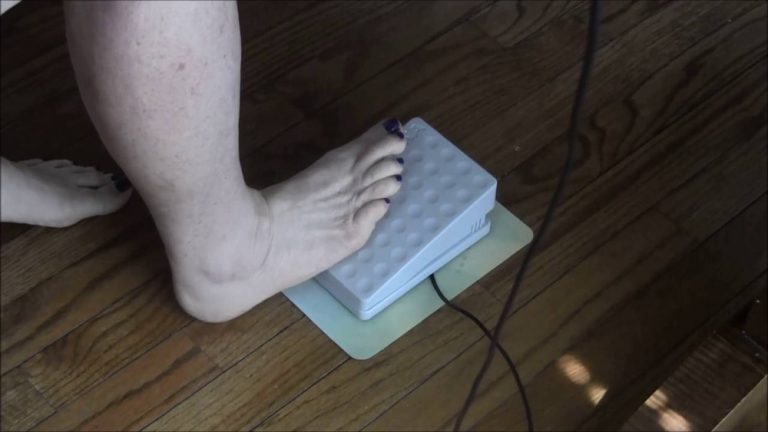
If the machine is fairly new and one thing has failed — a belt, a bobbin winder, a foot pedal — repairing it’s usually worth it. If it’s a modern plastic machine with a cracked frame or a dead circuit board, put the money toward a new one instead.
Repair or replace at a glance
| If this is true | Repair | Replace |
|---|---|---|
| Tension or stitch problem only | Repair — usually a simple adjustment | |
| Machine is under 5 years old | Repair — parts are still easy to find | |
| Motor runs but needle won’t move | Repair — belt or gear, common fix | |
| Plastic frame is cracked | Replace — the housing holds everything together | |
| Circuit board has failed | Replace — board costs near a new machine | |
| Same fault, third time this year | Replace — repeat faults mean more coming | |
| Still under warranty | Repair — you shouldn’t pay at all |
When repairing a sewing machine is the right call
A machine that runs but sews badly is almost always worth fixing. Tension problems, skipped stitches, a noisy motor, a needle that won’t pick up the bobbin thread — these are adjustments and small parts, not a dead machine. Cleaning and re-timing a machine is standard service work, and a technician does it in an hour or two.
Mechanical parts are cheap because they’re simple. A belt, a bobbin winder, a presser foot, a foot pedal — these cost a fraction of a new machine, and they’re the parts that fail most. If your machine is still recent, the maker still stocks those parts, so the repair is quick.
Servicing also fixes problems you didn’t notice. Lint packed around the feed dogs, old oil turned to gum, a bent needle you kept using — a full service clears all of it at once. That’s why a machine that’s been sitting for years often comes back sewing better than you remember.
If the machine is mechanical rather than electronic, repair is almost always the better call. There’s no board to fail and no software to go wrong. A good all-metal machine from the 1960s or 1970s can run for decades more with basic care.
When replacing a sewing machine makes more sense

A cracked frame is the clearest sign to stop. On modern machines the plastic housing holds the needle bar, the feed dogs and the gears in line. Once that shell flexes or splits, stitches wander and no adjustment holds. Fixing it means replacing the whole housing, which costs about as much as the machine did.
Electronic failures are the second warning sign. A dead circuit board or a burnt-out motor on a computerized machine often costs close to the price of a new one, and the board may be discontinued. Check the maker’s parts page for your model before you agree to anything.
Repeated faults are the third. If the same problem has come back a third time in a year, the machine has a deeper issue — worn gears, a bent shaft — and each repair is a patch on the last. Two or three repairs in 12 months usually add up to more than a new machine.
Cheap machines hit a wall too. On a basic model that cost very little, a single repair bill can come close to the purchase price. That’s not a reason to throw away a good machine, but it’s a reason to do the math before saying yes.
The costs people forget
- The diagnostic fee. Many shops charge just to look at the machine, and that fee often isn’t refunded if you say no to the repair.
- The wait. Service queues can run from a few days to several weeks, and you’re without the machine the whole time.
- The second attempt. If the first repair doesn’t hold, you pay again — sometimes for the same fault.
- Disposal. Old machines are heavy, and some areas charge to take them at the dump. Check your local waste rules.
- Setting up the new one. A new machine needs learning — threading, tension, the feet it came with.
Questions to ask before you agree to a repair
- What’s the total, including the diagnostic fee? Get the full number before any work starts, so a surprise bill can’t appear later.
- Is the part still made for my model? If it’s discontinued, the repair may not be possible at all.
- How long is the repair guaranteed? A shop that stands behind its work will say so in writing.
- Is this the same fault as last time? A repeat fault means the real problem was never found.
- Would you repair this machine yourself? An honest technician will tell you when a machine isn’t worth the money.
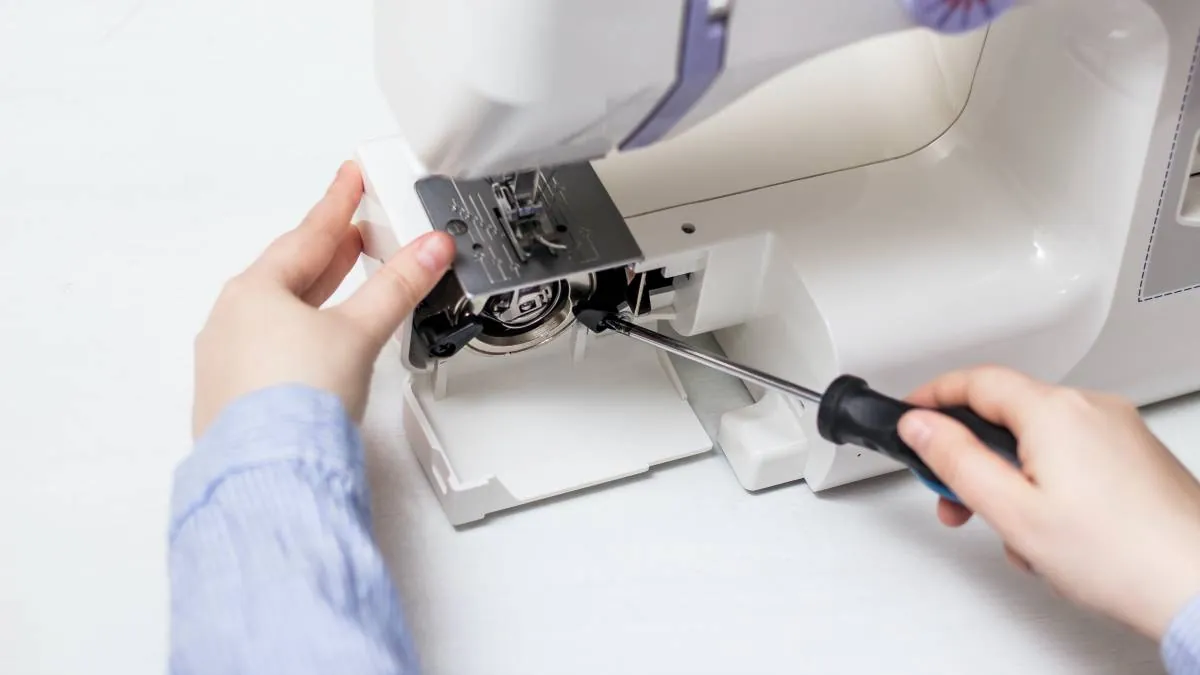
Anything inside the housing — the motor, the wiring, the timing gears — is technician work. Don’t open the case yourself. You can safely check the power cord, the foot pedal connection, the needle, and the bobbin area, and clean lint where your manual says you may.
What to look for in a replacement

Buy a machine with metal internal gears, not plastic ones. Plastic gears are the part that strips first, and they’re the reason so many modern machines fail early. Ask before you buy, or check the spec sheet — makers usually list gear material.
Look for a machine with adjustable presser foot pressure and a proper tension dial. These two controls let you handle thick fabric and fine fabric on the same machine, which cuts down on the strain that wears parts out.
Check that bobbins, needles and feet for the model are easy to find. A machine you can’t get parts for is a machine you’ll replace again soon. Before buying, search the maker’s own site for the accessory list — if it’s short or missing, walk away.
Skip the extra electronics if you don’t need them. More screens and sensors mean more that can fail. A simple mechanical machine with good build quality will outlast a feature-heavy one.
Related guides
- Simple Sewing Machine for Hemming: A Guide to Easy Repairs
- Minor Home Repairs: When to Do Them Yourself Safely
Frequently asked questions
How long does a sewing machine repair take?
Most shops need 1 to 3 weeks, depending on their queue and whether the part is in stock. A simple fix like a belt or a tension reset can be same-day if you book ahead. Ask for the estimated time in writing before you leave the machine.
Is it worth repairing a 20-year-old sewing machine?
Yes, if it’s mechanical and the frame is solid. Older all-metal machines have simple parts that last, and a service often brings them back to full working order. If it’s an older electronic model and the board has failed, replacement is usually the better choice.
Can I repair a sewing machine myself?
For small things, yes — rethreading, changing the needle, cleaning lint, adjusting tension. Anything inside the housing, like the motor, wiring or timing, needs a technician. Opening the case yourself can void the warranty and cause damage that costs more to fix.
Why does my sewing machine keep breaking needles?
Usually the needle is bent, the wrong size for the fabric, or not pushed up into the clamp fully. It can also mean the timing is off, which is a technician job. Check the needle and its size first, then book a service if it keeps happening.
Is it safe to use an old sewing machine?
Yes, if the cord and plug aren’t cracked or frayed and the machine isn’t overheating. Check the cord along its whole length before you plug it in. If you see bare wire or the plug feels hot, stop using it and have it checked.
What happens if I don’t repair a sewing machine with a cracked frame?
The stitches will keep drifting and no tension adjustment will hold, because the parts are no longer lined up. It usually gets worse with use. A cracked frame isn’t a safe or reliable machine to sew on, so replacement is the practical answer.
Does it matter if the repair shop is authorized by the maker?
Yes, if the machine is still under warranty. An unauthorized repair can void your coverage, and the maker may refuse later claims. Out of warranty, any experienced technician can do the work — just ask about their guarantee on parts and labor.
How much does a sewing machine service cost?
It varies by shop and by machine, so ask for a quote before you commit. A basic clean-and-oil service is usually the cheapest option, while a repair with parts costs more. Your local shop’s posted price list is the number to trust.
Conclusion
The honest answer comes down to two things: how old the machine is, and what exactly broke. A mechanical fault on a solid machine is nearly always worth fixing. A structural or electronic failure on a plastic one rarely is. Get the full quote first, then decide — the number will tell you more than the machine’s age ever will.
{“@context”:”https://schema.org”,”@type”:”FAQPage”,”mainEntity”:[{“@type”:”Question”,”name”:”How long does a sewing machine repair take?”,”acceptedAnswer”:{“@type”:”Answer”,”text”:”Most shops need 1 to 3 weeks, depending on their queue and whether the part is in stock. A simple fix like a belt or a tension reset can be same-day if you book ahead. Ask for the estimated time in writing before you leave the machine.”}},{“@type”:”Question”,”name”:”Is it worth repairing a 20-year-old sewing machine?”,”acceptedAnswer”:{“@type”:”Answer”,”text”:”Yes, if it’s mechanical and the frame is solid. Older all-metal machines have simple parts that last, and a service often brings them back to full working order. If it’s an older electronic model and the board has failed, replacement is usually the better choice.”}},{“@type”:”Question”,”name”:”Can I repair a sewing machine myself?”,”acceptedAnswer”:{“@type”:”Answer”,”text”:”For small things, yes — rethreading, changing the needle, cleaning lint, adjusting tension. Anything inside the housing, like the motor, wiring or timing, needs a technician. Opening the case yourself can void the warranty and cause damage that costs more to fix.”}},{“@type”:”Question”,”name”:”Why does my sewing machine keep breaking needles?”,”acceptedAnswer”:{“@type”:”Answer”,”text”:”Usually the needle is bent, the wrong size for the fabric, or not pushed up into the clamp fully. It can also mean the timing is off, which is a technician job. Check the needle and its size first, then book a service if it keeps happening.”}},{“@type”:”Question”,”name”:”Is it safe to use an old sewing machine?”,”acceptedAnswer”:{“@type”:”Answer”,”text”:”Yes, if the cord and plug aren’t cracked or frayed and the machine isn’t overheating. Check the cord along its whole length before you plug it in. If you see bare wire or the plug feels hot, stop using it and have it checked.”}},{“@type”:”Question”,”name”:”What happens if I don’t repair a sewing machine with a cracked frame?”,”acceptedAnswer”:{“@type”:”Answer”,”text”:”The stitches will keep drifting and no tension adjustment will hold, because the parts are no longer lined up. It usually gets worse with use. A cracked frame isn’t a safe or reliable machine to sew on, so replacement is the practical answer.”}},{“@type”:”Question”,”name”:”Does it matter if the repair shop is authorized by the maker?”,”acceptedAnswer”:{“@type”:”Answer”,”text”:”Yes, if the machine is still under warranty. An unauthorized repair can void your coverage, and the maker may refuse later claims. Out of warranty, any experienced technician can do the work — just ask about their guarantee on parts and labor.”}},{“@type”:”Question”,”name”:”How much does a sewing machine service cost?”,”acceptedAnswer”:{“@type”:”Answer”,”text”:”It varies by shop and by machine, so ask for a quote before you commit. A basic clean-and-oil service is usually the cheapest option, while a repair with parts costs more. Your local shop’s posted price list is the number to trust.”}}]}