Most Common Sewing Machine Problem: Tension Trouble
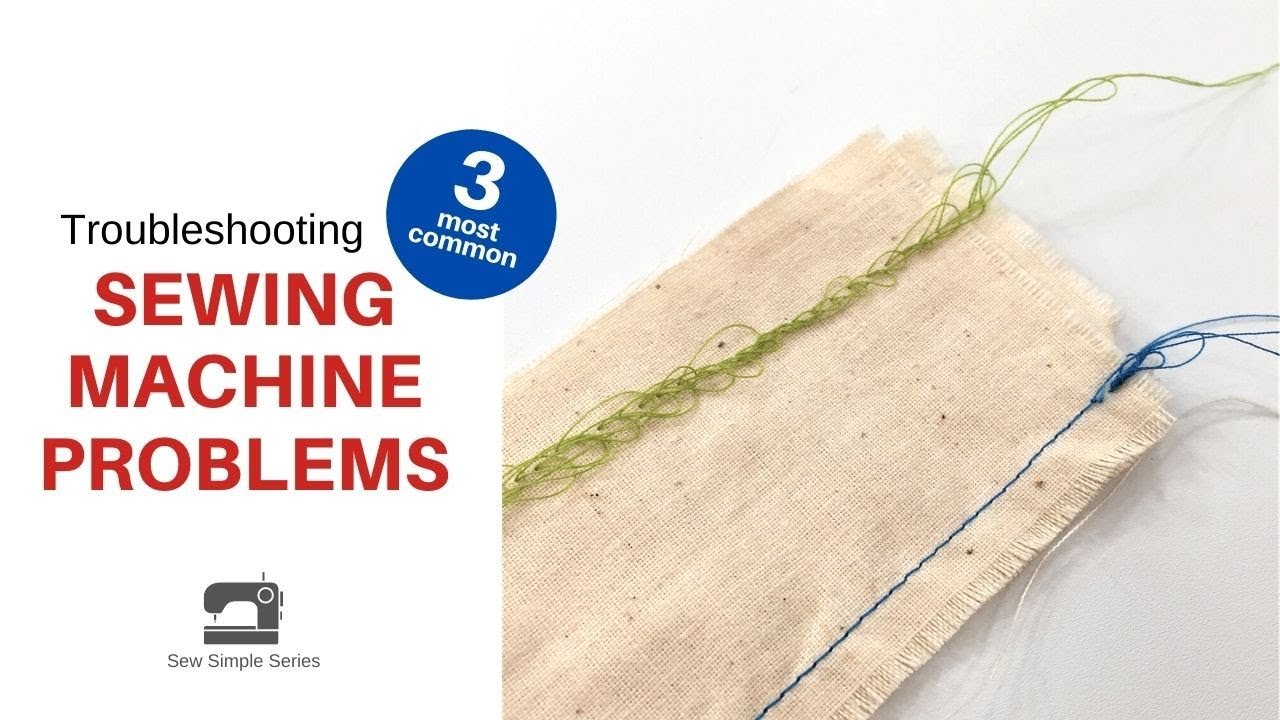
The most common problem for a sewing machine is tension trouble — stitches that loop, pucker, or snag because the upper and lower threads aren’t balanced. It isn’t a broken machine; it’s almost always a threading or bobbin issue, and you can usually fix it in minutes without a repair shop.
Key Takeaways
- Tension and threading errors cause the majority of stitch problems, not mechanical failure.
- Rethread with the presser foot up so the thread seats fully in the tension discs.
- Clean the bobbin area every few bobbins — lint is the second-biggest culprit.
- Match needle to fabric: a dull or wrong-size needle mimics tension problems.
- Change the needle every 6–8 hours of sewing, or sooner for tough fabrics.
- Most “broken” machines are fixed by rethreading, a new needle, and a clean bobbin case.
Why Tension Is the Most Common Sewing Machine Problem
Every stitch is a tug-of-war between two threads. The upper thread runs from the spool, through tension discs, and down to the needle. The lower thread sits in the bobbin case, held by a small spring. When the two pull evenly, the knot hides inside the fabric. When they don’t, you see loops on top or tangles underneath.
The machine rarely breaks. What happens is the upper thread never enters the tension discs, so it has no resistance at all. The result looks like a tension disaster but is really a threading mistake. This is why “check your threading” is the first advice every manual gives — and why it works.
The Symptoms and What They Mean
| Symptom | Usual Cause | First Fix |
|---|---|---|
| Loops on the underside | Upper thread not in tension discs | Rethread with presser foot up |
| Loops on top | Bobbin thread too loose or bobbin wound unevenly | Rewind bobbin, check bobbin case |
| Tangled nest under fabric | Bobbin inserted wrong or thread caught | Remove bobbin, reinsert per manual |
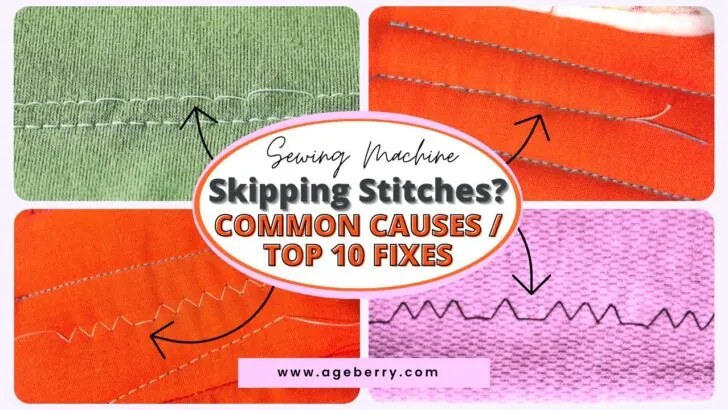
| Skipped stitches | Dull or wrong needle | Replace needle, match to fabric |
| Puckered seam | Too much tension or too-tight stitch | Lower tension, lengthen stitch |
| Thread shredding | Rough needle eye or wrong thread | New needle, quality thread |
Notice that only two of these are true tension problems. The rest are needle, bobbin, or thread issues wearing a tension costume.
The Fix That Works Most Often
Step 1: Raise the Presser Foot
This is the step people skip. The tension discs only open when the presser foot is up. If you thread with the foot down, the thread sits on top of the discs instead of between them, and you get instant loops. Raise the foot, then thread.
Step 2: Rethread Completely
Don’t just re-check. Pull the thread out and start over, following the numbered path in your manual. Miss one guide — especially the take-up lever — and the stitch fails.
Step 3: Reset the Bobbin
Remove the bobbin, check for lint, and reinsert it so the thread feeds in the correct direction. On most machines the bobbin thread should pull out with light resistance, like a slow yo-yo.
Step 4: Test on Scrap
Sew a few inches on the same fabric you’re using. Never test on a different weight — a stitch that’s perfect on cotton can loop on knits.
Pro Tip: Set the upper tension dial to its midpoint (usually 4 or 5) before you start adjusting. Turn in small increments and test after each change. Chasing tension with big turns makes it worse.
Lint, the Quiet Culprit
If threading is correct and stitches still misbehave, look inside. Lint from thread and fabric packs into the bobbin case, feed dogs, and tension discs. It lifts the bobbin, blocks the discs, and throws off timing.
Clean the bobbin area with the small brush that came with your machine. Remove the needle plate if your manual allows it. A can of compressed air helps, but blow lint out, not deeper in. Most manufacturers recommend cleaning every few bobbins, and a full service once a year for regular sewers.
Needle Problems That Look Like Tension
A needle is the cheapest part to replace and the most overlooked. A bent, dull, or wrong-size needle causes skipped stitches, shredded thread, and puckering — all of which mimic tension faults.
| Fabric | Needle Type | Size |
|---|---|---|
| Light cotton, silk | Universal or Sharp | 60/8–70/10 |
| Medium cotton, linen | Universal | 80/12 |
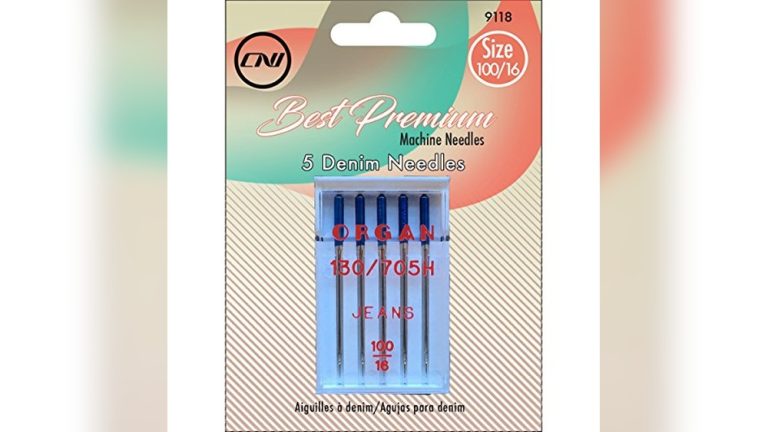
| Denim, canvas | Denim/Jeans | 90/14–100/16 |
| Knits, jersey | Ballpoint or Stretch | 75/11–90/14 |
| Leather, vinyl | Leather | 90/14–110/18 |
Replace the needle after every 6–8 hours of sewing. If it hits a pin or makes a thumping sound, swap it immediately. A $1 needle prevents a $100 repair.
Thread and Bobbin Mistakes
Cheap thread is fuzzy, uneven, and breaks. It also sheds lint faster. Use quality all-purpose thread for most projects and match thread weight to fabric. Heavy thread in a fine needle will shred every time.
Bobbin winding matters too. A bobbin wound too loose or too tight feeds unevenly, and no tension adjustment can fix a bad wind. Wind at a steady speed and stop when the bobbin is full, not overfull.
When It’s Actually Mechanical
Some problems need a technician. Watch for these signs:
- Timing is off — the needle hits the bobbin case or the machine jams repeatedly.
- The machine won’t pick up the bobbin thread after correct threading.
- Grinding or clunking noises that don’t stop after cleaning.
- The hand wheel is stiff or won’t turn.
- Electronic errors on a computerized model that won’t clear.
If you’ve rethreaded, changed the needle, cleaned, and reset the bobbin, and it still fails, stop. Forcing it can bend the hook or break the timing belt, turning a $40 tune-up into a $200 repair.
Warning: Never turn the hand wheel backward to clear a jam. It can throw off the timing, which is a shop-only fix on most machines.
Quick Prevention Checklist

- Rethread with the presser foot up every time you change thread.
- Clean the bobbin case every few bobbins, not every few months.
- Change the needle on a schedule, not when it breaks.
- Use quality thread matched to your fabric.
- Wind bobbins evenly and don’t overfill them.
- Dust the machine and cover it when not in use.
- Service annually if you sew regularly.
Frequently Asked Questions
Why does my sewing machine keep jamming?
Jamming almost always traces to the bobbin area. Lint, a wrongly inserted bobbin, or thread caught under the bobbin case causes it. Remove the bobbin, clean the case, reinsert it correctly, and rethread the top. If it jams again immediately, the timing may be off and needs a technician.
Why are my stitches looping underneath?
Loops underneath mean the upper thread has no tension. The usual cause is threading with the presser foot down, so the thread never enters the tension discs. Raise the foot, rethread completely, and set the dial to its midpoint. If loops continue, check that the bobbin is wound evenly.
How often should I change my sewing machine needle?
Change it every 6–8 hours of sewing, or at the start of each new project. Replace it immediately if it hits a pin, bends, or starts making a thumping sound. A fresh needle prevents skipped stitches, shredded thread, and fabric damage — and it costs far less than a repair.
Why is my machine skipping stitches?
Skipped stitches usually mean a dull, bent, or wrong needle for the fabric. Switch to a fresh needle matched to your material — ballpoint for knits, denim for heavy fabric. If that doesn’t fix it, check that the needle is inserted all the way up and facing the right direction.
Can I fix tension problems myself?
Yes, in most cases. Rethreading with the presser foot up, resetting the bobbin, and cleaning lint solve the majority of tension issues. Adjust the upper tension dial in small steps, testing on scrap fabric after each change. Only persistent problems after these steps point to a mechanical fault.
Why does my thread keep breaking?
Thread breaks from a dull needle, the wrong needle size, cheap or old thread, or a rough spot in the needle eye or tension discs. Replace the needle, switch to quality thread matched to your fabric, and check the thread path for snags. If it still breaks, the tension may be too high.
Tension and threading cause most sewing machine problems, and you can fix nearly all of them at home with a rethread, a clean bobbin case, and a fresh needle. Start there before you assume the worst.
Conclusion
Grab your manual, raise the presser foot, and rethread from scratch right now. If the stitch still misbehaves after a new needle and a clean bobbin area, that’s your signal to book a service — but most of the time, those three steps solve it.
{“@context”:”https://schema.org”,”@type”:”FAQPage”,”mainEntity”:[{“@type”:”Question”,”name”:”Why does my sewing machine keep jamming?”,”acceptedAnswer”:{“@type”:”Answer”,”text”:”Jamming almost always traces to the bobbin area. Lint, a wrongly inserted bobbin, or thread caught under the bobbin case causes it. Remove the bobbin, clean the case, reinsert it correctly, and rethread the top. If it jams again immediately, the timing may be off and needs a technician.”}},{“@type”:”Question”,”name”:”Why are my stitches looping underneath?”,”acceptedAnswer”:{“@type”:”Answer”,”text”:”Loops underneath mean the upper thread has no tension. The usual cause is threading with the presser foot down, so the thread never enters the tension discs. Raise the foot, rethread completely, and set the dial to its midpoint. If loops continue, check that the bobbin is wound evenly.”}},{“@type”:”Question”,”name”:”How often should I change my sewing machine needle?”,”acceptedAnswer”:{“@type”:”Answer”,”text”:”Change it every 6–8 hours of sewing, or at the start of each new project. Replace it immediately if it hits a pin, bends, or starts making a thumping sound. A fresh needle prevents skipped stitches, shredded thread, and fabric damage — and it costs far less than a repair.”}},{“@type”:”Question”,”name”:”Why is my machine skipping stitches?”,”acceptedAnswer”:{“@type”:”Answer”,”text”:”Skipped stitches usually mean a dull, bent, or wrong needle for the fabric. Switch to a fresh needle matched to your material — ballpoint for knits, denim for heavy fabric. If that doesn’t fix it, check that the needle is inserted all the way up and facing the right direction.”}},{“@type”:”Question”,”name”:”Can I fix tension problems myself?”,”acceptedAnswer”:{“@type”:”Answer”,”text”:”Yes, in most cases. Rethreading with the presser foot up, resetting the bobbin, and cleaning lint solve the majority of tension issues. Adjust the upper tension dial in small steps, testing on scrap fabric after each change. Only persistent problems after these steps point to a mechanical fault.”}},{“@type”:”Question”,”name”:”Why does my thread keep breaking?”,”acceptedAnswer”:{“@type”:”Answer”,”text”:”Thread breaks from a dull needle, the wrong needle size, cheap or old thread, or a rough spot in the needle eye or tension discs. Replace the needle, switch to quality thread matched to your fabric, and check the thread path for snags. If it still breaks, the tension may be too high.”}}]}