How Much Does Sewing Machine Servicing Cost?
A basic sewing machine service costs about $75 to $120 in most US shops, and a full clean-and-tune with timing runs $120 to $200. Machines with electronics or embroidery units often go higher, up to $250.
Quick answer: what you’ll pay

- A standard mechanical machine service runs $75 to $120 at most local shops, and that covers cleaning, oiling, and tension adjustment.
- A computerized or embroidery machine costs more — usually $120 to $250 — because the tech has more parts to check and calibrate.
- Many shops charge a flat “bench fee” of $60 to $90 just to open the machine and diagnose it. That fee often comes off the final bill if you approve the repair.
- A tune-up alone (no repair) is the cheapest option at $50 to $80, but it only makes sense if your machine still stitches fine.
- Parts are extra. A new belt or bobbin case usually adds $10 to $40, and labor after the first hour often runs $60 to $100 per hour.
- If the machine was stored in a damp garage or hasn’t run in years, expect the higher end — rust and seized parts take more time.
Why service prices swing so much
The biggest driver is labor time, not parts. A technician has to open the machine, clean out lint and old oil, check the timing, and test-stitch it. On a mechanical machine that’s a short job. On a computerized one, there are sensors, a circuit board, and a screen to check too, so the clock runs longer.
Where you live matters as much as the machine. A shop in a big city pays higher rent and wages, so its bench fee is higher than a rural shop doing the same work. Two shops an hour apart can quote you $80 and $150 for the identical job, and both are being fair about it.
The condition of your machine decides the rest. A machine that’s been serviced every year needs a light clean. A machine that sat unused for five years needs deep cleaning, and maybe a new belt. That’s why a phone quote is only a guess — the real number comes after the tech opens it up.
One thing worth knowing: a machine that’s overheating, sparking, or smoking is a real hazard, not just an annoyance. Don’t keep running a machine that smells like burning.
When the price changes
The simple answer above assumes a working machine that just needs routine care. Here’s where that changes.
| Situation | What changes | What to do instead |
|---|---|---|
| Machine won’t power on | Electrical fault, higher labor | Ask for a diagnosis quote first |
| You bought it used, unknown history | Full strip-down needed | Budget for the top of the range |
| It’s a vintage or rare model | Parts are hard to find | Call a specialist, not a general shop |
| You only sew a few times a year | Service may not be worth it | Do a basic clean yourself |
| Machine is under warranty | Third-party service may void it | Go through the brand’s own service |
| Repair costs more than the machine | Poor value | Put the money toward a new one |
How to get your machine serviced
-
Find the right shop first. Search for “sewing machine repair” plus your city, and check that the shop services your brand. Brand-authorized centers are listed on the maker’s official site, and they’re the safest bet for warranty machines. Call two or three and ask their bench fee before you commit.
-
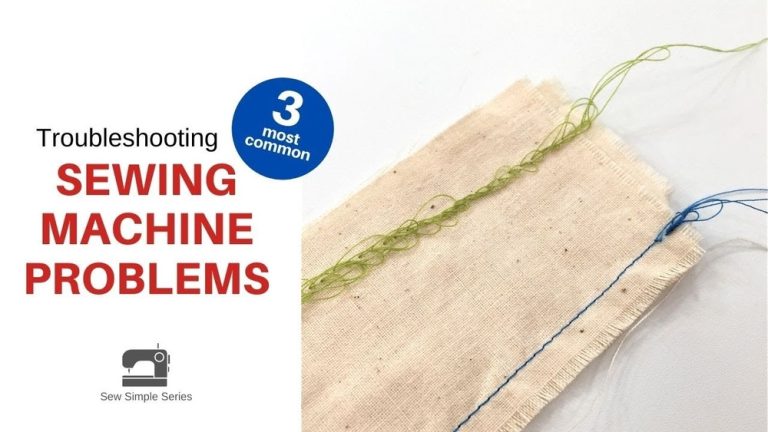
Describe the problem clearly when you call. Say the brand, the model, and what it’s doing wrong — skipping stitches, loud noise, thread bunching. That one detail often tells the tech whether it’s a quick fix or a big job, and it gets you a closer estimate.
-
Ask for the estimate in writing before any work starts. A good shop will tell you the diagnosis fee, the hourly rate, and whether parts are extra. If a shop won’t put a number on paper, walk away.
-
Clean the machine before you drop it off. Remove the bobbin, the needle, and loose lint from the bobbin case. Wipe the outer body with a dry cloth. This isn’t required, but it saves the tech time and shows you the machine’s real condition.
-
Bring the accessories you use. Take your bobbin case, presser feet, and the power cord. If you use a specific thread or fabric, bring a sample so the tech can test-stitch on what you actually sew with.
-
Get the pickup date and a test-stitch before you pay. Ask the shop to stitch a seam in front of you when you collect it. Check the tension on both sides of the fabric. If it’s still skipping or looping, point it out before you leave.
-
Keep the receipt and the service notes. The receipt lists what was done and any parts replaced. That record helps the next tech, and it’s proof if the same fault comes back within the shop’s warranty period.
-
Set a service rhythm based on your use. If you sew weekly, book a service once a year. If you sew a few times a month, every 18 to 24 months is fine. If the machine sits unused, get it checked before a big project, not after.
Mistakes that cost you money
- Saying yes to the first quote. Shops vary a lot on price for the same job. Calling two more shops often saves $30 to $50, and it takes ten minutes.
- Skipping the diagnosis fee question. Some shops charge $60 to $90 just to look, then add labor on top. If you don’t ask, the final bill surprises you.
- Running a machine that smells like burning. That’s a sign of an electrical fault. Keep using it and you risk a bigger repair, or a fire.
- Letting a machine sit for years without a check. Old oil turns gummy and parts seize. A cheap clean now beats a costly rebuild later.
- Taking a warranty machine to a random shop. Many brands require authorized service to keep the warranty valid. One unauthorized repair can void it.
Frequently asked questions
How much does a sewing machine service cost?
A standard service runs $75 to $120 for a mechanical machine, and $120 to $250 for a computerized or embroidery model. That range assumes a machine in working order that needs routine cleaning and adjustment. If the machine has a fault, add parts and extra labor on top.
How often should I service my sewing machine?
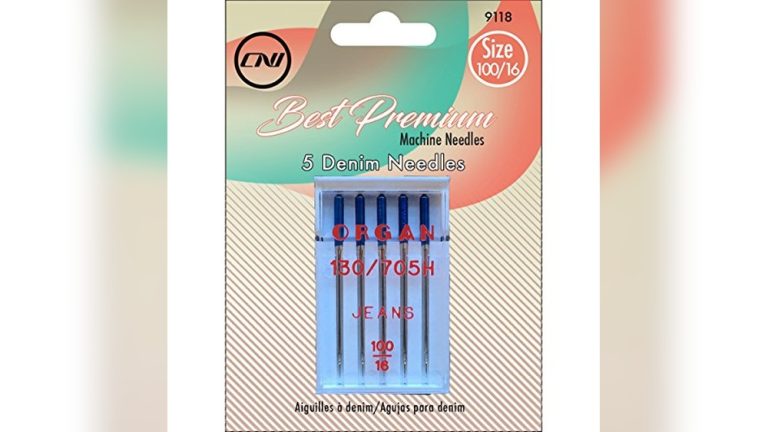
Once a year if you sew weekly, and every 18 to 24 months if you sew a few times a month. If you use it daily or sew heavy fabrics like denim, every 6 to 8 months is safer. Your manual often lists the maker’s own recommendation — check that page first.
Can I service my sewing machine myself?
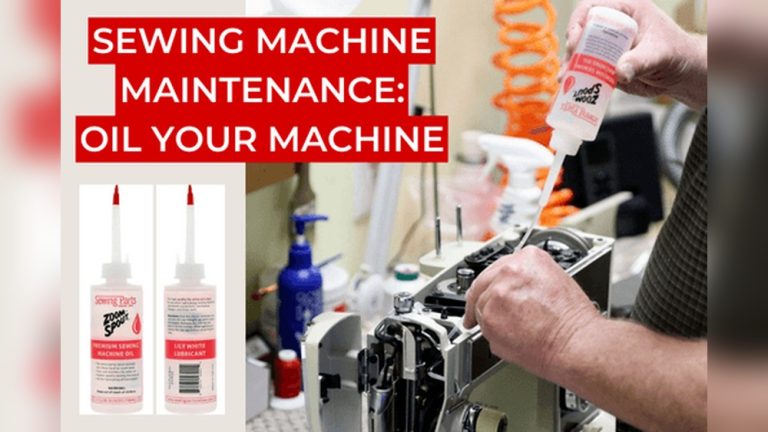
You can do the light parts safely — brushing lint from the bobbin area, changing the needle, and oiling the points your manual names. You shouldn’t open the housing or touch the motor and wiring. Those parts carry a shock risk and can void your warranty, so leave them to a technician.
Is it worth servicing an old sewing machine?
It’s worth it if the machine is solid metal, a known brand, or has sentimental value. A $100 service on a machine you’ll use for years is good value. It’s not worth it if the repair quote is close to the price of a new machine, or if parts are no longer made.
Why did my service cost more than the quote?
Extra cost comes from what the tech finds once the machine is open — worn belts, a cracked gear, rust, or a bent shaft. Most shops call you before doing extra work. If they didn’t call, ask for an itemized bill showing labor hours and each part replaced.
How long does a sewing machine service take?
Most shops keep the machine 3 to 7 days, and busy seasons push it to 2 weeks. A simple tune-up can be same-day if you book ahead. Ask for the pickup date when you drop it off, and call the day before to confirm it’s ready.
Does a service fix skipped stitches?
Often yes, if the cause is lint, a worn needle, or a timing issue. A service resets the timing and clears the debris that causes most skips. If the machine still skips after a full service, the problem is usually the needle type or thread, not the machine itself.
Do I need to service a machine I rarely use?
Yes, but less often — every 2 to 3 years is enough for a machine that sits idle. Old oil dries out and turns sticky even when the machine isn’t running. Get it checked before a big project so it doesn’t fail halfway through.
Conclusion
The price you pay comes down to three things: your machine type, your local labor rate, and how long it’s been since the last service. Call two or three shops, ask for the bench fee in writing, and get a test-stitch before you pay. That ten-minute habit is what keeps the bill where you expect it.
{“@context”:”https://schema.org”,”@type”:”FAQPage”,”mainEntity”:[{“@type”:”Question”,”name”:”How much does a sewing machine service cost?”,”acceptedAnswer”:{“@type”:”Answer”,”text”:”A standard service runs $75 to $120 for a mechanical machine, and $120 to $250 for a computerized or embroidery model. That range assumes a machine in working order that needs routine cleaning and adjustment. If the machine has a fault, add parts and extra labor on top.”}},{“@type”:”Question”,”name”:”How often should I service my sewing machine?”,”acceptedAnswer”:{“@type”:”Answer”,”text”:”Once a year if you sew weekly, and every 18 to 24 months if you sew a few times a month. If you use it daily or sew heavy fabrics like denim, every 6 to 8 months is safer. Your manual often lists the maker’s own recommendation — check that page first.”}},{“@type”:”Question”,”name”:”Can I service my sewing machine myself?”,”acceptedAnswer”:{“@type”:”Answer”,”text”:”You can do the light parts safely — brushing lint from the bobbin area, changing the needle, and oiling the points your manual names. You shouldn’t open the housing or touch the motor and wiring. Those parts carry a shock risk and can void your warranty, so leave them to a technician.”}},{“@type”:”Question”,”name”:”Is it worth servicing an old sewing machine?”,”acceptedAnswer”:{“@type”:”Answer”,”text”:”It’s worth it if the machine is solid metal, a known brand, or has sentimental value. A $100 service on a machine you’ll use for years is good value. It’s not worth it if the repair quote is close to the price of a new machine, or if parts are no longer made.”}},{“@type”:”Question”,”name”:”Why did my service cost more than the quote?”,”acceptedAnswer”:{“@type”:”Answer”,”text”:”Extra cost comes from what the tech finds once the machine is open — worn belts, a cracked gear, rust, or a bent shaft. Most shops call you before doing extra work. If they didn’t call, ask for an itemized bill showing labor hours and each part replaced.”}},{“@type”:”Question”,”name”:”How long does a sewing machine service take?”,”acceptedAnswer”:{“@type”:”Answer”,”text”:”Most shops keep the machine 3 to 7 days, and busy seasons push it to 2 weeks. A simple tune-up can be same-day if you book ahead. Ask for the pickup date when you drop it off, and call the day before to confirm it’s ready.”}},{“@type”:”Question”,”name”:”Does a service fix skipped stitches?”,”acceptedAnswer”:{“@type”:”Answer”,”text”:”Often yes, if the cause is lint, a worn needle, or a timing issue. A service resets the timing and clears the debris that causes most skips. If the machine still skips after a full service, the problem is usually the needle type or thread, not the machine itself.”}},{“@type”:”Question”,”name”:”Do I need to service a machine I rarely use?”,”acceptedAnswer”:{“@type”:”Answer”,”text”:”Yes, but less often — every 2 to 3 years is enough for a machine that sits idle. Old oil dries out and turns sticky even when the machine isn’t running. Get it checked before a big project so it doesn’t fail halfway through.”}}]}