Which Singer Sewing Machine Is the Most Valuable?
The most valuable Singer sewing machine is almost always the Singer Featherweight 221, specifically early-production examples from the 1930s in mint condition with their original case, manual, and attachments — those routinely sell in the $800 to $3,500 range, with rare variants and pristine museum-grade machines occasionally reaching $5,000 or more. No other Singer model combines such a devoted collector base with such consistently high sale prices.
Key Takeaways
- The Featherweight 221 is the value king; the 222 “Free-Westinghouse” variant sells for roughly double a comparable 221.
- Condition and completeness matter more than age — a mint 1950 Featherweight can outsell a beat-up 1933 example.
- Original accessories (case, manual, attachment tin, foot pedal) can add $200–$600 to a machine’s value.
- The Singer 201, 301, and 66 are collectible but generally sell for $150–$800, not thousands.
- Treadle machines and 1970s–80s plastic-body models are usually worth $50–$300 — sentimental value, not market value.
- Never plug in or run an untested vintage machine before having it appraised; motor damage can cut value in half.
Why the Featherweight 221 Wins
Singer introduced the Featherweight in 1933 as a portable, lightweight machine for home sewers who wanted to take their work to classes and club meetings. It weighs about 11 pounds, stitches beautifully, and — critically for collectors — was built with an aluminum body and precision engineering that has survived decades of use.
The 221 was produced from 1933 until 1961 in the United States, with additional production in Scotland and Canada. That long run means supply is plentiful, but demand from quilters has kept prices high for decades. Quilters prize the machine’s perfect straight stitch, and the collector community around it’s one of the largest of any vintage sewing machine.
The Most Valuable Singer Models
| Model | Production Years | Typical Value Range | Why It’s Valuable |
|---|---|---|---|
| Featherweight 221 | 1933–1961 | $800–$3,500 | Portable icon, quilter demand |
| Featherweight 222 | 1935–1961 | $1,500–$5,000+ | Free-arm version, far rarer |
| Singer 201 | 1935–1964 | $200–$700 | “Rolls Royce” of Singers, gear-driven |
| Singer 301 | 1951–1959 | $150–$500 | Slant-needle, Featherweight’s successor |
| Singer 66 | 1900–1950s | $100–$400 | Red-eye decals, treadle and electric |
| Singer 15 | 1890s–1950s | $75–$350 | Workhorse, common but beloved |
| Singer 99 | 1911–1950s | $75–$300 | ¾-size version of the 66 |
Values above reflect typical asking and sold prices on collector marketplaces; actual sale prices vary widely with condition, provenance, and timing.
What Actually Drives the Price
Condition Is Everything
A machine in mint, fully functional condition with intact decals and no rust can command ten times the price of the same model in rough shape. Collectors use terms like “mint in box” (MIB) and “excellent” to grade machines, and the gap between grades is enormous.
Completeness Adds Hundreds
The original black carry case, the manual, the attachment tin with its feet and screwdrivers, the foot pedal, and even the original box and packing materials all add value. A complete “outfit” is worth significantly more than a bare machine.
Rare Variants and Finishes
Most Featherweights are black with gold decals, but Singer also produced them in white, tan, and green, plus special commemorative editions. The 222, with its removable arm for free-arm sewing, is the rarest standard variant. Centennial editions and machines with documented provenance — original purchase receipts, family history, or celebrity ownership — can push prices well above the norm.
Which Serial Numbers Matter

Singer stamped a serial number on every machine, and the number identifies the production date and factory. Early Featherweights (1933–1936) with low serial numbers are more desirable than later ones, but the difference is usually a few hundred dollars — not thousands. You can look up any serial number through Singer’s own records to confirm the year and plant.
Pro Tip: Photograph the serial number plate clearly before requesting an appraisal. Most collectors and dealers will give you a rough estimate from photos alone, and a clear serial number speeds up the process considerably.
How to Check Your Machine’s Value
- Find the serial number. On Featherweights it’s on the underside of the machine, stamped into the metal base.
- Identify the model. The 221 and 222 look nearly identical; the 222 has a removable section on the bed.
- Grade the condition. Note rust, missing decals, cracked cases, and whether the motor runs.
- Inventory the accessories. List every original item you have.
- Check completed sales, not asking prices. Sites that show “sold” listings give you real market data.
- Get a professional appraisal if you believe the machine is worth over $1,000.
Where to Sell or Appraise
- Specialist vintage sewing machine dealers — often the fastest route to a fair price.
- Quilting and sewing guilds — members frequently know local buyers.
- Estate auction houses — good for complete, high-grade outfits.
- Online collector marketplaces — broad reach, but you handle shipping and disputes.
- Antique shows and quilt festivals — strong in-person buyer pool.
Avoid general “we buy anything” antique flippers unless you’ve already gotten an independent estimate; they typically pay 30–50% of retail.
Common Mistakes That Destroy Value
- Plugging in an untested machine. A seized motor or dried-out wiring can burn out and cost more to repair than the machine is worth.
- Cleaning with harsh chemicals. Abrasive cleaners strip the gold decals that collectors pay for.
- Repainting or “restoring.” Original finish, even worn, beats a refinish in almost every case.
- Throwing away the case or attachments. Those “extras” are often worth more than the machine itself.
- Storing in a damp garage or attic. Rust is the single biggest value killer.
Warning: If you inherit a machine and it hasn’t run in years, don’t test it yourself. Have a qualified sewing machine technician inspect the wiring and motor first — the cost of an inspection is trivial compared to the damage a shorted motor can cause.
Singer vs. Other Collectible Brands

Singer dominates the vintage market, but a few other brands hold value too. Bernina models from the 1960s–70s, Pfaff machines with built-in walking feet, and early Viking models all have collector followings. That said, none approaches the Featherweight’s combination of portability, name recognition, and quilter demand. If you’re deciding what to collect or sell, Singer is the safest bet — but only the right Singer.
Frequently Asked Questions
How do I know if my Singer is a Featherweight?
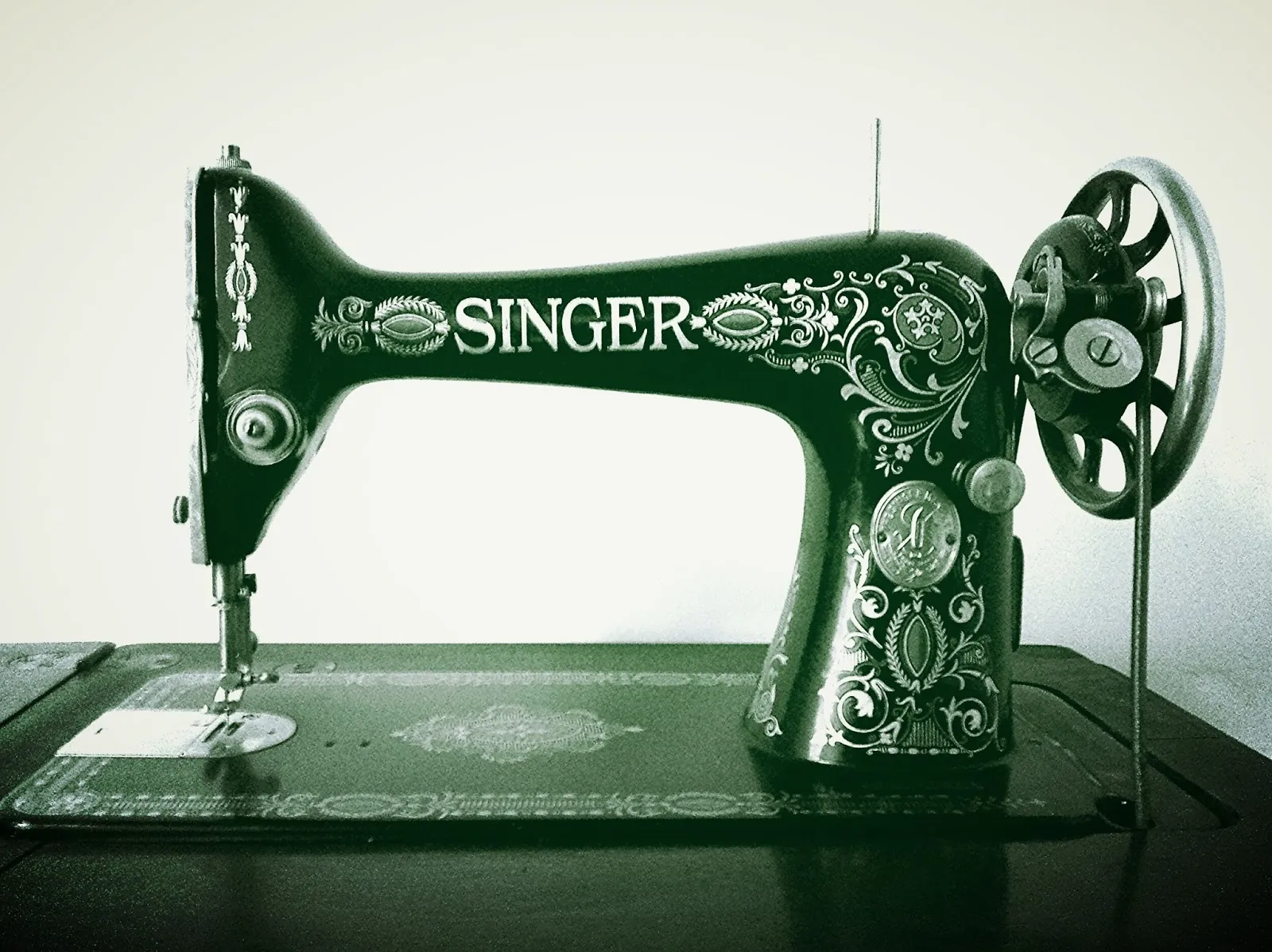
Look for the model number stamped on the machine. Featherweights are marked 221 or 222. They’re small, lightweight (about 11 pounds), and have a distinctive curved profile with the Singer name in gold on the side. If it’s heavy and boxy, it’s a different model.
Are old Singer sewing machines worth money?
Some are, most aren’t. Featherweights, 201s, and 222s hold real value. Common treadle machines, 1970s plastic-body models, and mass-produced 15s usually sell for under $200. Condition, completeness, and model matter far more than age alone.
What is the rarest Singer sewing machine?
The Featherweight 222 is the rarest widely collected model, especially early examples. Truly rare one-offs and prototypes exist but almost never reach the open market. Among production machines, the 222 in original condition with all accessories is the realistic top prize.
Can I still get parts for a vintage Singer?
Yes. The Featherweight and 201 have strong aftermarket support, with belts, bobbins, motors, and foot pedals widely available. Less common models can be harder to service, so check parts availability before buying a fixer-upper.
Does the original case add value?
Significantly. The black carry case in good condition with intact latches can add several hundred dollars. Original manuals, attachment tins, and even the cardboard box add value too. Buyers pay a premium for a complete “outfit.”
Should I insure my Featherweight?
If your machine is worth over $1,000, yes. Standard homeowner policies often cap collectibles at low limits. Ask your insurer about a scheduled personal property rider, and document the machine with clear photos and any appraisal paperwork.
A Final Word on Value
The honest answer is that value lives in the details — the model, the serial number, the condition, and how complete the outfit is. Start by identifying your machine and grading it honestly, then check real sold prices before you accept any offer. If you own a Featherweight in good shape, treat it like the collectible it is: keep it dry, keep it complete, and get a professional opinion before you sell.
{“@context”:”https://schema.org”,”@type”:”FAQPage”,”mainEntity”:[{“@type”:”Question”,”name”:”How do I know if my Singer is a Featherweight?”,”acceptedAnswer”:{“@type”:”Answer”,”text”:”Look for the model number stamped on the machine. Featherweights are marked 221 or 222 . They’re small, lightweight (about 11 pounds), and have a distinctive curved profile with the Singer name in gold on the side. If it’s heavy and boxy, it’s a different model.”}},{“@type”:”Question”,”name”:”Are old Singer sewing machines worth money?”,”acceptedAnswer”:{“@type”:”Answer”,”text”:”Some are, most aren’t. Featherweights, 201s, and 222s hold real value. Common treadle machines, 1970s plastic-body models, and mass-produced 15s usually sell for under $200. Condition, completeness, and model matter far more than age alone.”}},{“@type”:”Question”,”name”:”What is the rarest Singer sewing machine?”,”acceptedAnswer”:{“@type”:”Answer”,”text”:”The Featherweight 222 is the rarest widely collected model, especially early examples. Truly rare one-offs and prototypes exist but almost never reach the open market. Among production machines, the 222 in original condition with all accessories is the realistic top prize.”}},{“@type”:”Question”,”name”:”Can I still get parts for a vintage Singer?”,”acceptedAnswer”:{“@type”:”Answer”,”text”:”Yes. The Featherweight and 201 have strong aftermarket support, with belts, bobbins, motors, and foot pedals widely available. Less common models can be harder to service, so check parts availability before buying a fixer-upper.”}},{“@type”:”Question”,”name”:”Does the original case add value?”,”acceptedAnswer”:{“@type”:”Answer”,”text”:”Significantly. The black carry case in good condition with intact latches can add several hundred dollars. Original manuals, attachment tins, and even the cardboard box add value too. Buyers pay a premium for a complete \”outfit.\””}},{“@type”:”Question”,”name”:”Should I insure my Featherweight?”,”acceptedAnswer”:{“@type”:”Answer”,”text”:”If your machine is worth over $1,000 , yes. Standard homeowner policies often cap collectibles at low limits. Ask your insurer about a scheduled personal property rider, and document the machine with clear photos and any appraisal paperwork.”}}]}