How to Fix Sewing Machine Parts: Easy Tips for Quick Repairs
Is your sewing machine acting up right when you need it most? Don’t let broken parts stop your creativity.
You can fix many common sewing machine problems yourself, even if you’re not a tech expert. Imagine saving time and money by learning simple tricks to get your machine running smoothly again. In this guide, you’ll discover easy steps to identify and repair the parts that cause trouble.
Keep reading, and soon your sewing machine will be ready to bring your ideas to life without a hitch.

Credit: www.youtube.com
Common Sewing Machine Issues
Sewing machines are helpful tools for making clothes and crafts. They work well most times but can have common problems. These issues stop your work or make sewing hard. Knowing these problems helps fix them fast. This saves time and keeps your machine in good shape.
Thread Tension Problems
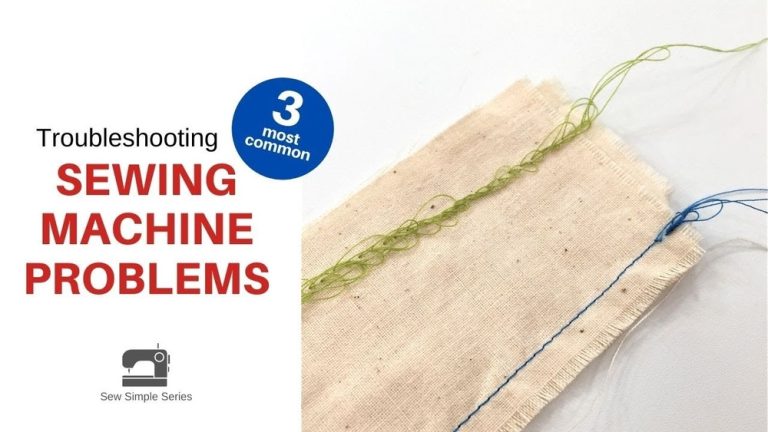
Thread tension controls how tight the thread pulls during sewing. If tension is too tight, thread may break often. If too loose, stitches look messy and uneven. Adjust tension using the machine’s dial or knob. Clean the tension discs to remove dust or lint. Use the right thread for your fabric type.
Needle Breakage
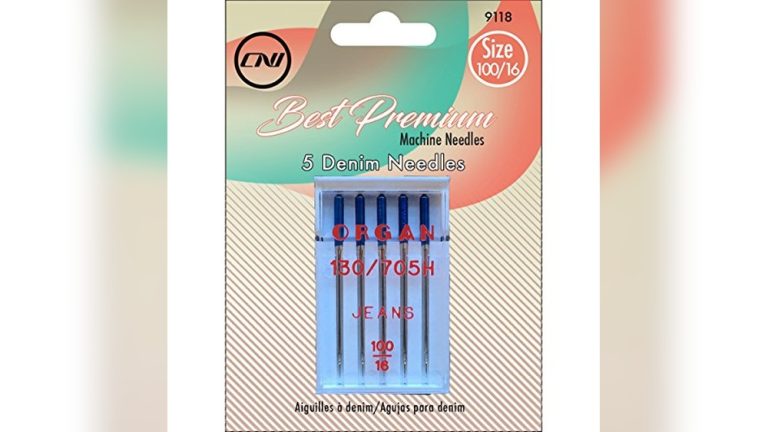
Needles break because they are old, bent, or wrong size. Sewing thick fabric with a thin needle causes breaks. Needles also break if they hit pins or hard spots. Change needles regularly and choose the right needle for your fabric. Insert the needle correctly and tighten the clamp well.
Bobbin Troubles
Bobbin problems cause uneven stitches or thread jams. Incorrect bobbin winding makes thread tangle or run out quickly. Insert the bobbin in the right direction inside its case. Clean the bobbin area to remove lint and dust. Use the right bobbin size for your machine model.
Machine Jamming
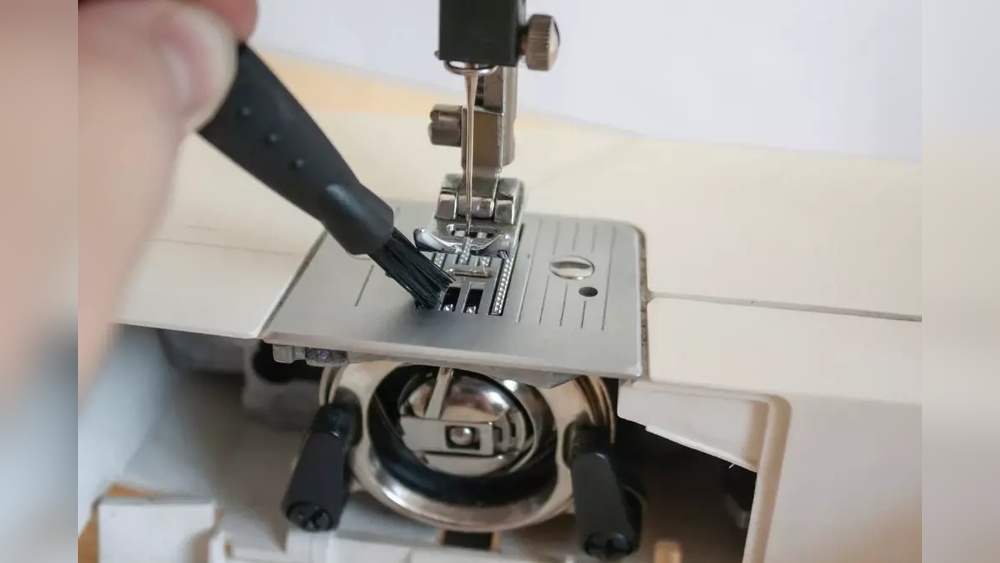
Jamming stops the machine from moving or sewing smoothly. Dust, lint, or old grease cause parts to stick. Remove the needle plate and clean inside with a small brush. Oil the machine parts as per the manual instructions. Avoid pulling fabric while sewing to prevent jams.

Credit: www.youtube.com
Essential Tools For Repairs
Fixing sewing machine parts needs the right tools. These tools help you work safely and fix problems fast. Using the correct tools saves time and stops damage to your machine. Keep these tools ready before you start any repairs.
Screwdrivers And Tweezers
Screwdrivers are a must for opening your sewing machine. Choose small ones that fit screws perfectly. Tweezers help grab tiny parts and remove lint. Both tools give you good control during repairs.
Cleaning Brushes
Cleaning brushes remove dust and threads from inside the machine. Use soft brushes to avoid scratching metal parts. Regular cleaning keeps your machine running smoothly and stops jams.
Lubricants And Oils
Oils keep the machine parts moving without friction. Use sewing machine oil only. Apply a few drops in the right spots to avoid build-up. Proper lubrication makes your machine quieter and lasts longer.
Replacement Parts
Sometimes, parts break and need replacement. Keep common parts like needles, bobbins, and belts on hand. Using the right parts ensures your machine works well. Always buy parts that match your machine model.
Step-by-step Repair Techniques
Fixing sewing machine parts can seem hard. Simple steps make it easier. Follow clear instructions to solve common problems. You save time and avoid damage.
Each part needs different care. Start with small fixes and check the machine often. This keeps your sewing smooth and your machine working well.
Adjusting Thread Tension
Thread tension controls the tightness of the thread. Too tight or too loose causes bad stitches. Find the tension dial on your machine. Turn it in small steps. Test the stitch on scrap fabric. Adjust until stitches look even on both sides.
Replacing The Needle
A bent or dull needle can break fabric or thread. Turn off your machine first. Loosen the needle clamp screw. Remove the old needle carefully. Insert a new needle with the flat side facing back. Push it up fully and tighten the screw. Use the correct needle size for your fabric.
Fixing Bobbin Issues
Bobbin problems cause thread jams and uneven stitches. Open the bobbin case and remove the bobbin. Check for tangled thread or lint. Clean the area with a small brush. Reinsert the bobbin correctly, making sure the thread flows smoothly. Close the case firmly.
Clearing Machine Jams
Jams stop your machine from working. Turn off the power first. Open the needle plate and remove the fabric. Look for stuck thread or fabric pieces. Use tweezers to pull out the jam carefully. Clean the area and reassemble the parts. Test the machine with no fabric before sewing again.

Credit: www.youtube.com
Maintenance Tips To Prevent Problems
Keeping your sewing machine in good condition helps it work better and last longer. Small daily habits stop many common problems. These maintenance tips save time and money. They keep your machine smooth and quiet. Follow these easy steps to avoid repairs and enjoy sewing more.
Regular Cleaning
Dust and lint build up inside the machine. Clean it after every few uses. Use a soft brush or cloth to remove dirt. Avoid using water or harsh cleaners. Pay attention to the bobbin area and feed dogs. Clean parts keep the machine running smoothly.
Proper Lubrication
Machines need oil to reduce friction. Use sewing machine oil only. Apply a small drop to moving parts as the manual says. Too much oil causes dirt to stick. Oiling keeps the machine quiet and fast. Check the oil points regularly to avoid wear.
Correct Threading
Thread the machine carefully every time. Wrong threading causes knots and thread breaks. Follow the guides on your machine. Make sure the thread passes through all the tension discs. Use good quality thread for best results. Proper threading prevents many common problems.
Safe Storage Practices
Store your machine in a dry, dust-free place. Cover it with a cloth or case. Avoid places with high humidity or direct sunlight. Keep it away from children and pets. Safe storage protects parts from damage and rust. A well-stored machine lasts much longer.
When To Seek Professional Help
Fixing a sewing machine can be simple for small issues. Some problems need special skills or tools. Knowing when to seek professional help saves time and avoids damage. It ensures your machine works safely and well.
Complex Mechanical Failures
Mechanical parts can break or wear out. Gears, shafts, or timing systems may fail. Fixing these needs experience and special tools. Professionals know how to take apart and fix machines. Avoid trying complex repairs yourself to prevent more damage.
Electrical Malfunctions
Sewing machines with motors or lights may face electrical issues. Wiring or switches can wear or short circuit. Handling electricity without skills is dangerous. Experts have the right tools and knowledge to fix electrical problems safely. Let a professional manage these repairs to avoid injury.
Warranty Considerations
Many sewing machines come with a warranty. Attempting repairs yourself may void it. Check your warranty terms before fixing parts. Professional repairs often keep your warranty valid. Using authorized service centers protects your rights and machine.
Frequently Asked Questions
How Do I Fix A Jammed Sewing Machine Needle?
To fix a jammed needle, first turn off the machine and unplug it. Remove the fabric and check the needle for damage. Replace the needle if bent or dull. Clean the bobbin area and rethread the machine carefully to prevent future jams.
Why Is My Sewing Machine Skipping Stitches?
Skipped stitches often occur due to a dull or bent needle. Replace the needle with the correct type and size. Ensure the machine is threaded properly and the tension is adjusted. Clean the machine regularly to avoid lint buildup that affects stitch quality.
How Can I Oil My Sewing Machine Properly?
Use sewing machine oil sparingly on moving metal parts only. Refer to your machine’s manual for exact oiling points. Avoid over-oiling to prevent fabric stains. Regular oiling keeps your machine smooth and extends its lifespan.
What Causes My Sewing Machine To Make Strange Noises?
Strange noises usually indicate a mechanical issue or dirt buildup. Turn off the machine and clean the bobbin case and feed dogs. Check for loose screws or parts. If noises persist, consider professional servicing to avoid damage.
Conclusion
Fixing sewing machine parts can save time and money. Start by identifying the problem clearly. Use the right tools for each task. Take your time and work carefully. Small steps lead to big results. Keep your machine clean and well-oiled.
Regular checks help avoid future issues. Don’t hesitate to ask for help when stuck. Practice makes the process easier and faster. Your sewing machine will work better with simple care. Enjoy sewing without worry.