How Do You Know When to Oil Sewing Machine: Expert Signs Revealed
Your sewing machine is more than just a tool—it’s your creative partner. But when was the last time you gave it some care?
Knowing when to oil your sewing machine can save you from frustrating jams and costly repairs. If you’ve noticed strange noises, slower stitching, or rough fabric movement, it might be time to give your machine some attention. Keep reading to discover the simple signs your sewing machine needs oiling and how doing this can keep your projects running smoothly every time.
Signs Your Sewing Machine Needs Oil
Knowing when to oil your sewing machine helps it work well. Proper oiling keeps parts moving smoothly. Skipping this step can cause damage and slow down your work. Watch for clear signs that your machine needs oiling.
Unusual Noises During Operation
Listen closely while your machine runs. Strange sounds like squeaks or grinding mean parts are rubbing too hard. These noises show the machine needs oil to reduce friction.
Machine Running Slower Than Usual
Your sewing machine should work at a steady speed. If it slows down or feels stiff, oil might be missing. Oil helps parts move freely and keeps speed consistent.
Skipping Stitches Or Thread Breakage
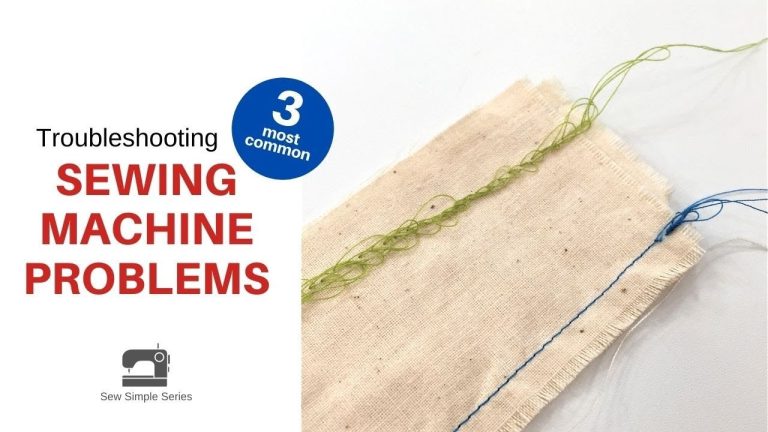
Skipping stitches or broken thread can signal internal issues. Lack of oil causes tension problems and rough movements. Oiling can fix these problems and improve stitch quality.
Visible Dust And Lint Buildup
Dust and lint gather inside your machine over time. This buildup blocks parts and stops oil from spreading. Clean the machine and add oil to keep it running smooth.
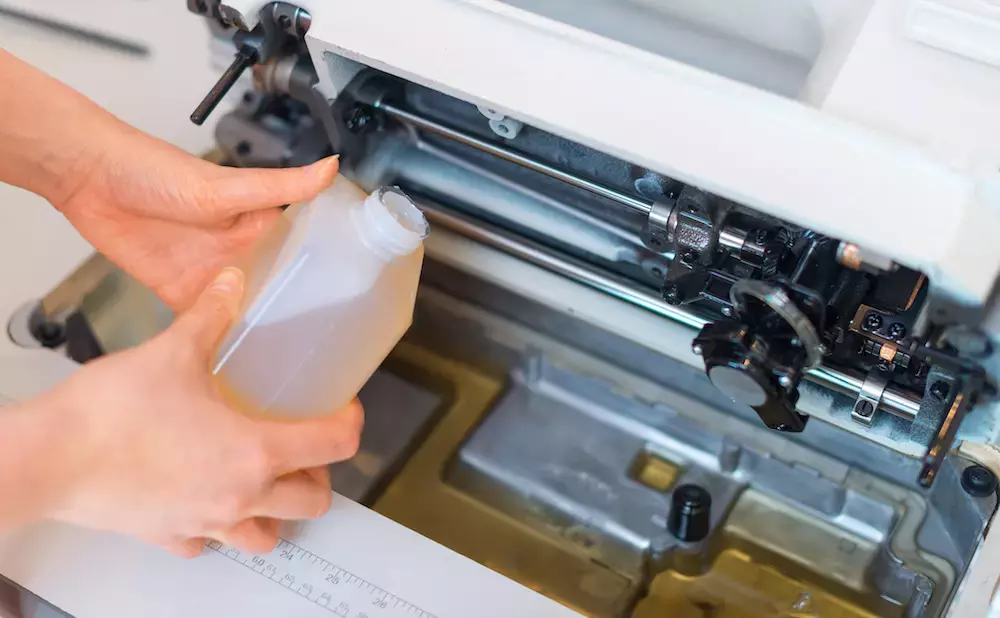
Credit: www.goldstartool.com
How Often To Oil Your Sewing Machine
Knowing how often to oil your sewing machine keeps it running smooth. Oiling reduces wear and tear on moving parts. It helps prevent rust and keeps stitches even. The right schedule depends on several important factors. Understanding these helps you protect your machine well.
Manufacturer Recommendations
Check your machine’s manual first. Most brands suggest a regular oiling routine. Some need oil after every few hours of use. Others recommend oiling less often, like once a month. Follow these guidelines for the best care. Using the right oil type matters too. Avoid using anything not made for sewing machines.
Usage Frequency Impact
The more you sew, the more often oiling is needed. If you sew daily, oil every week or two. For light use, oil every few months might be enough. Heavy use means parts move faster and dry out. Skip oiling too long and your machine may jam. Watch for noises or rough movement as signs to oil.
Environmental Factors To Consider
Where you sew affects oiling needs. Dusty or humid places cause faster dirt buildup. Machines in dry climates may need oil less often. Keep the machine covered when not in use. Clean the machine regularly to avoid grime build-up. These steps help your machine stay clean and last longer.
Choosing The Right Oil For Your Machine
Choosing the right oil for your sewing machine keeps it running smooth. Not all oils work well with every machine. Using the wrong oil can cause damage or poor performance. It is important to pick oil made for sewing machines. These oils are light and do not gum up the parts.
Types Of Sewing Machine Oils
Sewing machine oils come in a few types. The most common is clear, light oil. It lubricates without leaving residue. Some machines need special oils with a little thickness. These help with older or heavy-duty models. Avoid using household oils like WD-40 or cooking oil. They can clog or harm the machine. Use only oils labeled for sewing machines.
Avoiding Common Oil Mistakes
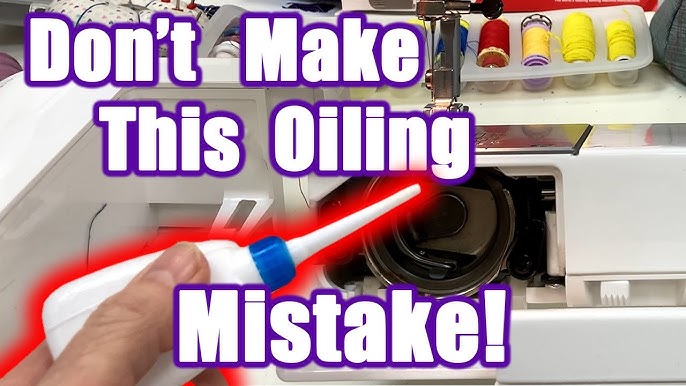
Do not over-oil your machine. Too much oil attracts dust and dirt. This can cause more problems than no oil. Use just a few drops in the right places. Clean old oil and dust before adding new oil. Never use oils that are thick or sticky. Avoid oils not meant for small mechanical parts. Keep your machine clean and oiled for best results.
Credit: www.youtube.com
Step-by-step Oiling Process
Oiling a sewing machine keeps it running smoothly and extends its life. The process is simple and only takes a few minutes. Follow these clear steps to oil your machine correctly. This helps avoid damage and keeps your stitches perfect.
Preparing The Machine
Turn off and unplug the sewing machine. Remove the needle and presser foot for safety. Open the machine’s cover to access moving parts. Clean dust and lint with a soft brush. Use a small cloth to wipe surfaces gently. Make sure the machine is dry before oiling.
Applying Oil To Key Parts
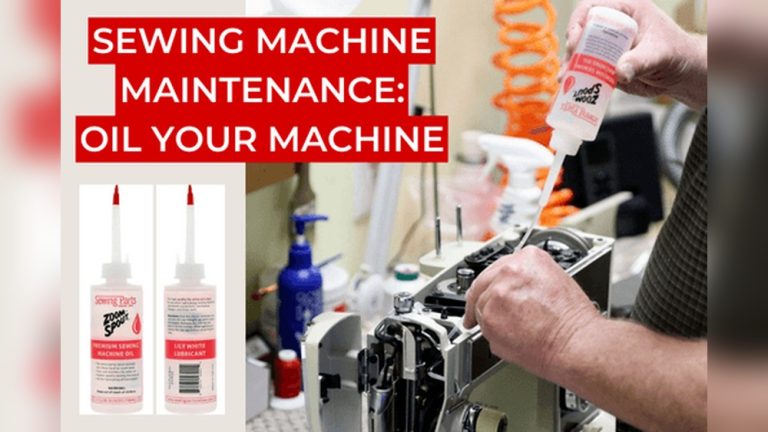
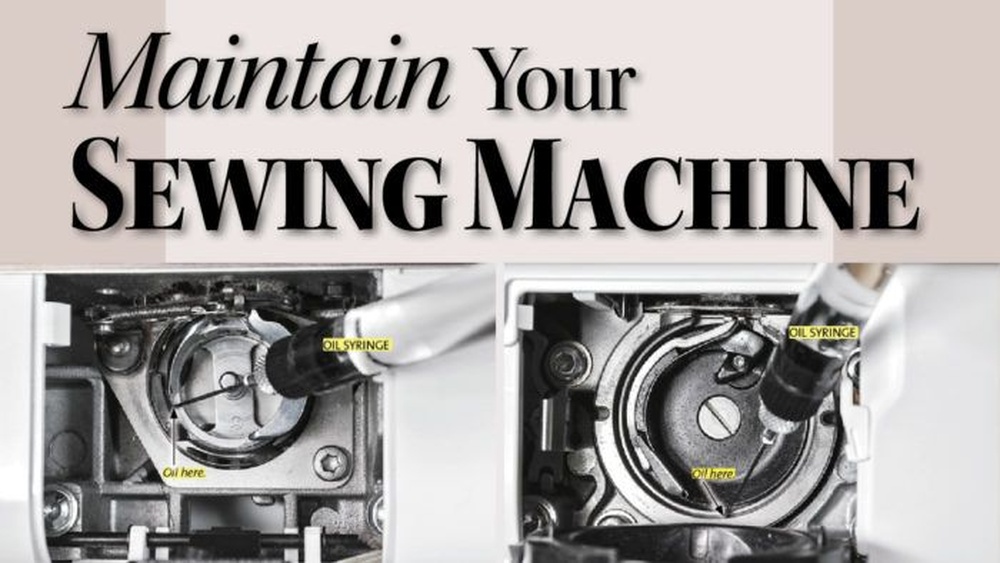
Use only sewing machine oil, never substitute with other oils. Apply a drop of oil to moving joints and metal parts inside. Focus on the hook race, bobbin case, and needle bar. Avoid over-oiling, a small drop is enough. Turn the handwheel slowly to spread oil evenly.
Cleaning Excess Oil
Wipe off extra oil with a clean cloth. Remove any oil on the surface to avoid stains. Run a few test stitches on scrap fabric to check. If you see oil spots on fabric, clean again. Keep the machine dry and tidy after oiling.
Preventive Maintenance Tips
Preventive maintenance keeps your sewing machine working smoothly. Oiling is just one part of care. Regular upkeep helps avoid big problems later. Follow simple steps to protect your machine.
Regular Cleaning Routines
Dust and lint build up inside your machine. Clean it after every few uses. Use a small brush or soft cloth. Remove thread scraps and dirt carefully. Cleaning helps oil reach the right parts. It also prevents jams and wear.
Storage Best Practices
Store your machine in a dry, dust-free place. Cover it with a cloth or case. Avoid damp rooms that cause rust. Keep it away from direct sunlight. Proper storage keeps oil fresh and parts safe.
When To Seek Professional Servicing
Notice odd noises or skipping stitches? The machine might need expert care. Professionals can clean hard-to-reach spots. They check timing and replace worn parts. Service your machine once a year or as needed.

Credit: www.wikihow.com
Frequently Asked Questions
How Often Should You Oil A Sewing Machine?
You should oil your sewing machine every 8 to 10 hours of use. Regular oiling prevents friction and keeps the machine running smoothly. Check your machine’s manual for specific instructions, as some models may require less frequent oiling or use special lubricants.
What Are The Signs My Sewing Machine Needs Oil?
If your sewing machine makes unusual noises, slows down, or feels stiff, it likely needs oil. Lack of lubrication causes friction and wear. Oiling helps restore smooth movement and extends your machine’s lifespan. Always clean the machine before applying oil.
Can I Use Any Oil For My Sewing Machine?
No, use only sewing machine oil or light machine oil. Other oils can gum up or damage your machine. Sewing machine oil is lightweight, clear, and designed to lubricate delicate parts without residue. Avoid WD-40 or household oils for best results.
Where Do I Apply Oil On A Sewing Machine?
Apply oil to moving metal parts like the needle bar, shuttle race, and bobbin case. Avoid oiling plastic parts or belts. Refer to your manual for exact oil points. Use a drop or two; over-oiling can attract dust and cause issues.
Conclusion
Oiling your sewing machine keeps it running smooth and quiet. Watch for squeaks or slow stitching as signs to oil. Clean the machine before adding oil to avoid dirt build-up. Use the right oil and apply it in small amounts.
Regular oiling helps your machine last longer and work better. Don’t wait for problems to start; care prevents damage. A well-oiled machine makes sewing easier and more fun. Keep a small bottle of sewing machine oil nearby for quick fixes.
Simple steps protect your machine and improve your sewing experience.