Minor Home Repairs: When to Do Them Yourself Safely
You should perform minor home repairs? only when you have the right tools and feel confident in your ability to follow manufacturer safety guidelines. Most simple tasks like fixing a leaky faucet or replacing a loose cabinet handle take less than one hour for a beginner. If a task involves high-voltage electrical work, pressurized gas lines, or structural supports, it’s best to hire a licensed professional. You must always check your local building codes, as some regions require permits even for small plumbing or electrical adjustments.
Why this happens
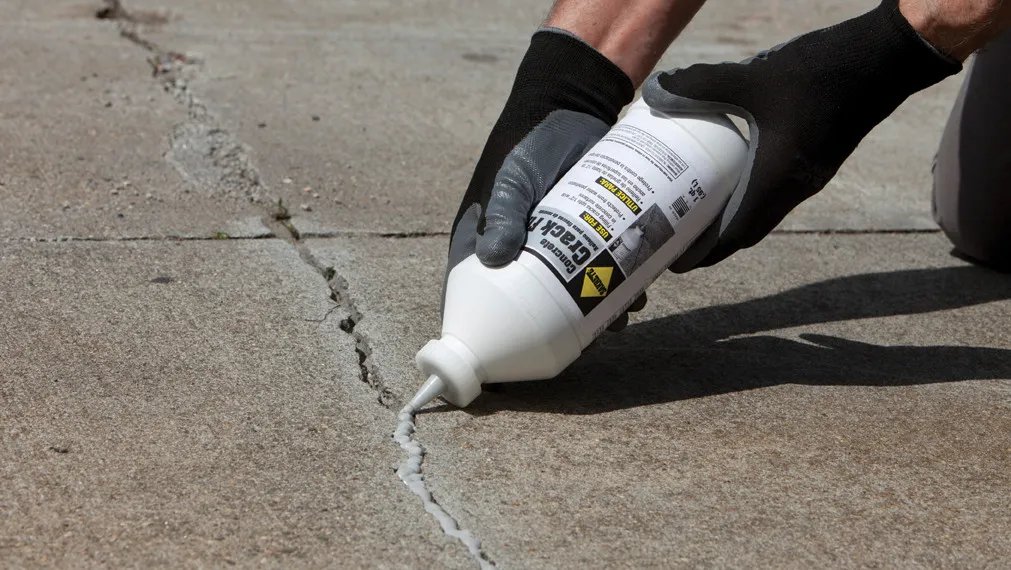
Household items break because of normal wear, poor installation, or simply reaching the end of their design life. A common cause for mechanical failure is the lack of routine maintenance. For instance, screws loosen over time due to vibration, and seals degrade when exposed to hard water or temperature changes. When you notice a small issue, fixing it immediately prevents it from becoming a larger, costlier problem.
Another cause is using the wrong tool for the job. Attempting to force a bolt with the wrong wrench size often strips the metal, making a simple adjustment turn into a difficult extraction. It’s also common for people to ignore small warnings, such as a flickering light or a dripping pipe. These are often signs of a deeper issue that will eventually fail completely.
If you’re unsure why something stopped working, look for visual signs of damage first. Check for corrosion on metal parts, cracks in plastic housing, or frayed wires. If you can’t find a clear cause, don’t force the item. Forcing a stuck component can cause it to snap, which often makes a repair impossible. If you lack the manual for your appliance, search for the model number online to find the official manufacturer service manual to ensure you follow the correct steps.
Use the right tools
This fix is for anyone dealing with loose hardware, basic plumbing leaks, or simple electrical faceplate replacements. Before starting, gather a basic toolkit: a screwdriver set, an adjustable wrench, needle-nose pliers, and a voltage tester. If you’re working on electrical items, you must turn off the power at the breaker box first. Never guess if the power is off; use your tester on the wires to confirm.
If you’re tightening a loose cabinet hinge, don’t overtighten the screws. Turn them until they feel snug, then stop. Overtightening strips the wood inside the hole, which makes it impossible for the screw to hold in the future. If the screw spins without gripping, you need to use a wood filler or a larger screw.
For plumbing, if you’re replacing a washer in a faucet, turn off the water supply valves under the sink first. Open the faucet to drain the remaining water before you take anything apart. This prevents a mess. If you see deep cracks in the metal body of the faucet, a simple washer replacement won’t work; the entire unit requires a replacement. This fix isn’t for those who are uncomfortable working with water lines, as a mistake can lead to flooding. If you feel overwhelmed, shut the water main off and call a plumber.
Tighten connections properly
This fix is for repairing loose furniture, wobbly chairs, or rattling door handles. The goal is to ensure stability without damaging the finish or the material. Start by checking if the fasteners are simply loose or if the holes have become enlarged. If the holes are stripped, you can’t fix this by just tightening the screw further.
If it’s a wood joint, use a small amount of wood glue in the hole, insert a wooden dowel or toothpicks, and let it dry before putting the screw back in. This creates a new, solid base for the screw to bite into. For metal-on-metal connections, a drop of thread-locking fluid prevents the screw from backing out due to daily vibrations.
Always work on a flat, stable surface. If you’re fixing a chair, turn it upside down so you can see all the joints clearly. If the chair frame is cracked, you need more than just a screwdriver; you need clamps and wood glue to restore the structural integrity. This varies by model — check the label on your furniture to see if it uses specialized cam-lock fasteners, which require a specific screwdriver and a gentle touch to avoid breaking the plastic housing.
Inspect the surrounding area
This fix is for identifying if your repair will solve the root cause or just hide the symptom. Before you finish, look at the area around the broken part. If you’re fixing a leaking pipe, check the wood in the cabinet underneath. Is it soft or discolored? If so, the leak has likely been happening for a long time, and you may have mold or rot behind the wall.
This is the point where you must decide if you can continue alone. If you see mold, structural damage, or signs of an electrical short like charred plastic, this is no longer a simple repair. You need to stop and contact a professional. A professional can assess whether the issue is isolated or part of a larger system failure.
If the area looks clean and dry, you’re likely safe to proceed. However, if the repair involves removing drywall or cutting into pipes, you must be prepared for the fact that these tasks often reveal hidden problems. It’s better to know the full extent of the damage before you start, as it saves you from having to leave a repair halfway through. If you don’t have the time or the proper safety gear, such as gloves or goggles, wait until you’re fully prepared.
What not to do
- Don’t use household glue like superglue for structural repairs, as it’s brittle and will snap under the weight of furniture.
- Don’t leave the power on while working on electrical outlets, as this carries a high risk of shock and injury.
- Don’t use pliers to tighten nuts on finished surfaces, as the metal teeth will scratch and ruin the finish of your fixtures.
- Don’t try to bend metal pipes back into place, as this causes hidden fractures that will leak later.
How to stop it happening again
Routine inspections prevent small issues from turning into major expenses. By checking your home systems regularly, you catch problems when they’re still easy to fix.
| If you’re doing this | Do this instead | Why |
|---|---|---|
| Waiting for a leak | Check under sinks monthly | Catches drips before rot starts |
| Forcing a tight door | Check hinges for loose screws | Prevents frame damage |
| Ignoring a flickering bulb | Check the wire connection | Stops potential fire hazards |
| Using tape on pipes | Replace the seal or gasket | Tape is only a temporary fix |
Frequently asked questions

Can I repair a leaky pipe myself?
You can repair minor leaks at joints or faucets if you have the right replacement parts and the water supply is shut off. A simple washer or O-ring replacement is a standard DIY task. If the leak is behind a wall or involves a main supply line, call a plumber.
Why is my door handle loose?
The screws holding the handle to the door have likely backed out over time due to regular use. You can fix this by tightening the screws with a screwdriver. If the holes are stripped, you must fill them with wood filler or matchsticks before re-installing the screws.
How long do appliance repairs take?
Most minor repairs take between thirty minutes and two hours, depending on the complexity of the machine. If you need to order a part, the repair will take longer due to shipping times. Ensure you have the correct replacement part by checking your appliance model number before starting.
Is it safe to fix electrical outlets?
It isn’t safe to touch electrical wiring unless you have confirmed the power is off at the breaker and have experience with basic wiring. Electrical work carries a risk of shock or fire if done incorrectly. If you’re unsure how to use a voltage tester, hire a licensed electrician.
What happens if I overtighten a screw?
Overtightening a screw usually strips the threads, making the connection impossible to secure. When you feel resistance, give the screw one final quarter-turn and stop. If you continue, you’ll damage the material, which often requires a more difficult repair like using a larger screw or wall anchor.
Final Thoughts
Taking care of your home doesn’t have to be overwhelming if you start small. Keep a basic kit handy so you’re ready when a minor issue pops up. If you aren’t sure about a project, don’t hesitate to ask a friend for help. You’ll feel much better once you’ve gained that extra experience.
Related guides
- How to Fix Sewing Machine Leg: Quick Tips for Easy Repair
- How to Fix Sewing Machine Handwheel: Quick & Easy Repair Tips