Backpack Sewing Machine: How to Choose the Right Model
The best backpack sewing machine for heavy-duty repair is a mechanical walking-foot model, because it handles thick webbing and multiple layers of nylon that standard home units can’t pierce. If you’re working with lightweight fabrics or decorative patches, a portable zigzag machine is the better choice for its versatility and ease of use. A dedicated backpack sewing machine must have a high-torque motor to punch through dense materials like Cordura or ballistic nylon without stalling or breaking the needle.
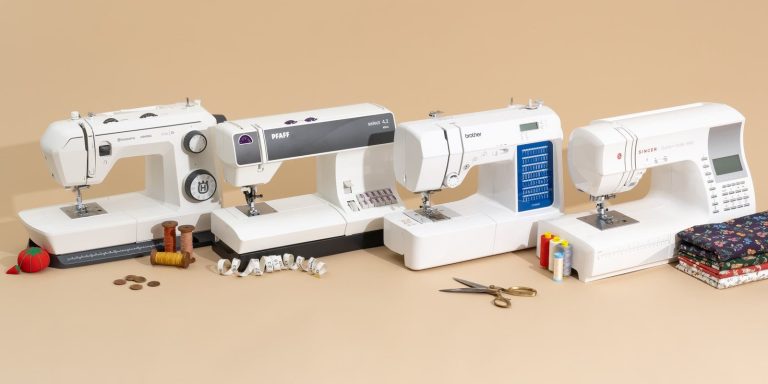
Comparing backpack sewing machine choices
The right tool for your project depends on the thickness of the fabric and the type of stitch you require for your gear.
If you need to sew thick webbing, choose a walking-foot machine; if you’re only adding patches, a portable zigzag unit is sufficient. Always verify the maximum stitch thickness in the user manual provided by the manufacturer for your specific unit, as exceeding these limits can damage the internal timing gears.
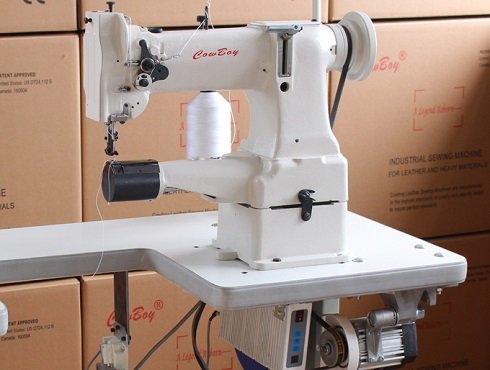
Walking foot industrial machines
These machines use a mechanism that moves the presser foot and feed dogs in sync, ensuring that thick, slippery layers of fabric don’t slide against each other.
- Set your stitch length to three millimeters for structural seams on shoulder straps.
- Use a size 100/16 or 110/18 denim needle to prevent snapping during heavy passes.
- Keep the machine speed low to maintain control when transitioning over existing seam intersections.
- Use a bonded nylon thread, which provides the strength needed for load-bearing gear.
This method is excellent for building custom packs from scratch or reinforcing high-stress points like attachment points and buckles. A significant weakness is the weight and size of these machines, as they aren’t portable and require a dedicated table. They aren’t for someone who needs to move their workspace frequently. If you aren’t familiar with industrial machinery, seek a professional to adjust your tension settings, as improper timing can cause the needle to strike the throat plate.
Portable mechanical machines
These machines are lighter and use a standard feed system that works well for basic repairs or adding pockets to existing gear.
- Select a straight stitch setting for structural seams and a zigzag setting for securing loose edges.
- Adjust your top tension to a lower setting to compensate for the thickness of nylon fabric.
- Feed the material slowly, using your hands to support the weight of the bag so it doesn’t pull the needle out of alignment.
- Use a universal or sharp needle, ensuring it’s new for every project to avoid skipped stitches on synthetic materials.
These machines are perfect for beginners who want to sew on patches or repair small tears in thin nylon. The trade-off is that they lack the power to sew through multiple layers of heavy webbing, which often causes the motor to overheat. If you try to force the needle through too many layers, the motor may stall; stop immediately to prevent burning out the internal electronics.
Hand stitching with an awl
This manual method uses a stitching awl to create a lockstitch by hand, which is often stronger than what many home machines can produce.
- Punch a hole through your fabric using the awl tip.
- Pass the needle through the hole and pull the thread taut to create a loop on the underside.
- Pass the second thread through the loop created by the first thread and pull both ends firmly to lock the stitch in place.
- Repeat this process at a consistent spacing of four millimeters to ensure even load distribution.
This is the best method for repairs in tight spots where a sewing machine arm can’t reach. It’s also very cheap, as it requires only the tool and some heavy-duty thread. The main disadvantage is the time required, as it takes much longer than machine sewing. If you’re sewing through leather or very stiff plastics, you may need a pair of pliers to pull the needle through the material safely.
Which one should you use?
If you’re in a hurry, use a portable mechanical machine for quick repairs on thin fabrics, as it’s the fastest way to get a functional seam. If you’re doing this for the first time, start with a portable machine because the controls are simpler and the risk of damaging the equipment is lower. If you want the best possible result whatever it takes, use a walking-foot industrial machine because it creates the most durable, professional-grade seams for load-bearing straps.
The decision comes down to a trade-off between power and portability. The heavy industrial units win on strength and reliability, while the portable mechanical units win on convenience and price. If your goal is to build a pack that will carry heavy weight for years, the walking-foot machine is the only logical choice. If you’re only fixing a small tear or adding a patch to a school bag, a portable machine is more than enough for the job.
The rules that apply whichever way you choose
Regardless of the machine you pick, you must use the correct thread type, such as bonded nylon or polyester, to ensure the seams don’t rot over time. Always test your settings on a scrap piece of fabric that matches the thickness of your backpack before you begin the actual repair. If you’re unsure of your machine’s capabilities, check the manufacturer’s guidance on maximum fabric thickness, as forcing the machine beyond its limit can void your warranty.
If you encounter a jammed needle or a bird’s nest of thread under the plate, don’t force the handwheel. Instead, stop and lift the presser foot to release the tension before carefully cutting the thread away. This varies by model — check the label on your machine for specific maintenance requirements. If your machine requires internal repairs, such as timing adjustments or motor replacement, this is technician-only work because a capacitor can hold a lethal charge even when the unit is unplugged. Always keep your fingers clear of the needle area while the machine is powered on to avoid injury.
Frequently asked questions
Photo: www.amazon.com on Google
Can I use a regular sewing machine for heavy webbing?
No, most home sewing machines will struggle or break when trying to sew through multiple layers of heavy webbing. You need a machine with a high-torque motor and a walking foot to handle such dense material without stalling. If you try to force it, you’ll likely break the needle or damage the internal timing of the machine, which is a costly repair.
How long does it take to sew a backpack repair?
A simple patch repair takes about 15 minutes, while a full strap reinforcement can take 30 to 60 minutes depending on the complexity. If you’re hand stitching, allow at least two hours for a clean, secure finish. These times assume you have the material prepared and the machine already threaded; adding custom features will increase the time significantly.
Is it safe to sew heavy nylon at home?
Yes, it’s safe as long as you follow basic safety rules and don’t force the machine through material it can’t handle. Keep your fingers away from the needle path at all times and never try to open the machine housing to perform internal repairs yourself. If the machine begins to smell like burning plastic, turn it off immediately and unplug it from the wall.
What happens if I use the wrong needle size?
Using a needle that’s too small for the fabric will result in skipped stitches, broken needles, or thread shredding. A needle that’s too large will leave visible holes in the fabric, which weakens the seam and can cause the material to tear under stress. Always match the needle size to the thickness of the thread and the density of the fabric you’re using.
Why does my thread keep breaking?
Thread often breaks because the top tension is too high, the needle is dull, or the thread path is obstructed by lint. First, re-thread the machine and ensure the spool is unwinding freely. If the problem persists, check for burrs on the needle plate or the hook area. If you can’t find the cause, a professional technician should inspect the machine for internal timing issues.
Final Thoughts
Once you’ve chosen the right tool for your projects, don’t be afraid to practice on scrap fabric first. Getting comfortable with your machine’s tension settings will make your repairs look professional. You’ll soon be ready to fix your gear and head back out on the trail with complete confidence.
{“@context”:”https://schema.org”,”@type”:”FAQPage”,”mainEntity”:[{“@type”:”Question”,”name”:”Can I use a regular sewing machine for heavy webbing?”,”acceptedAnswer”:{“@type”:”Answer”,”text”:”No, most home sewing machines will struggle or break when trying to sew through multiple layers of heavy webbing. You need a machine with a high-torque motor and a walking foot to handle such dense material without stalling. If you try to force it, you’ll likely break the needle or damage the internal timing of the machine, which is a costly repair.”}},{“@type”:”Question”,”name”:”How long does it take to sew a backpack repair?”,”acceptedAnswer”:{“@type”:”Answer”,”text”:”A simple patch repair takes about 15 minutes, while a full strap reinforcement can take 30 to 60 minutes depending on the complexity. If you’re hand stitching, allow at least two hours for a clean, secure finish. These times assume you have the material prepared and the machine already threaded; adding custom features will increase the time significantly.”}},{“@type”:”Question”,”name”:”Is it safe to sew heavy nylon at home?”,”acceptedAnswer”:{“@type”:”Answer”,”text”:”Yes, it’s safe as long as you follow basic safety rules and don’t force the machine through material it can’t handle. Keep your fingers away from the needle path at all times and never try to open the machine housing to perform internal repairs yourself. If the machine begins to smell like burning plastic, turn it off immediately and unplug it from the wall.”}},{“@type”:”Question”,”name”:”What happens if I use the wrong needle size?”,”acceptedAnswer”:{“@type”:”Answer”,”text”:”Using a needle that’s too small for the fabric will result in skipped stitches, broken needles, or thread shredding. A needle that’s too large will leave visible holes in the fabric, which weakens the seam and can cause the material to tear under stress. Always match the needle size to the thickness of the thread and the density of the fabric you’re using.”}},{“@type”:”Question”,”name”:”Why does my thread keep breaking?”,”acceptedAnswer”:{“@type”:”Answer”,”text”:”Thread often breaks because the top tension is too high, the needle is dull, or the thread path is obstructed by lint. First, re-thread the machine and ensure the spool is unwinding freely. If the problem persists, check for burrs on the needle plate or the hook area. If you can’t find the cause, a professional technician should inspect the machine for internal timing issues.”}}]}