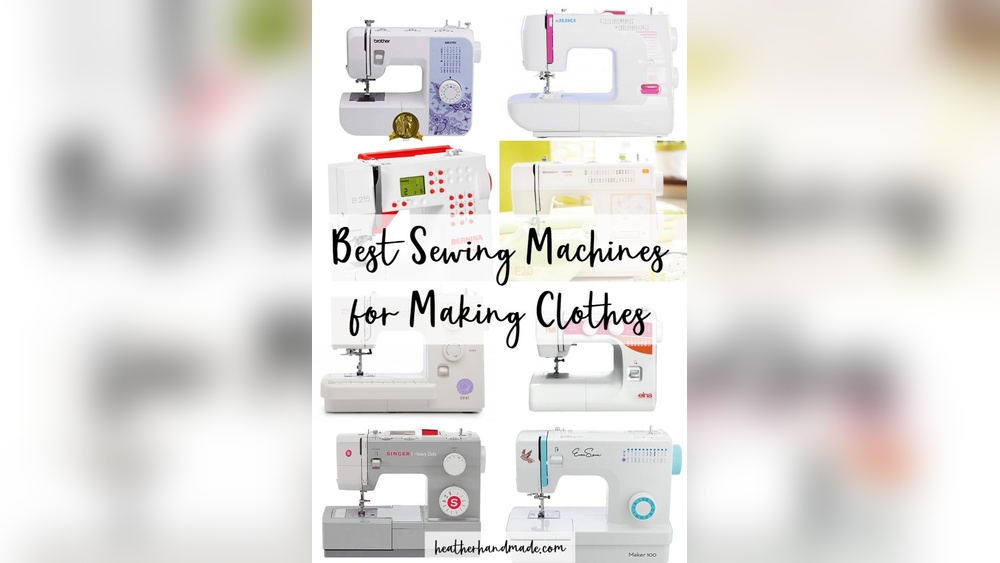
What’S the Best Sewing Machine to Buy for Beginners: Top Picks 2026
Are you ready to start sewing but feel overwhelmed by all the options out there? Choosing the best sewing machine as a beginner can be tricky, but it doesn’t have to be.
You want a machine that’s easy to use, reliable, and fits your budget. This guide will help you cut through the noise and find the perfect sewing machine that makes learning fun and stress-free. Keep reading, and you’ll discover exactly what to look for so you can start creating beautiful projects with confidence.
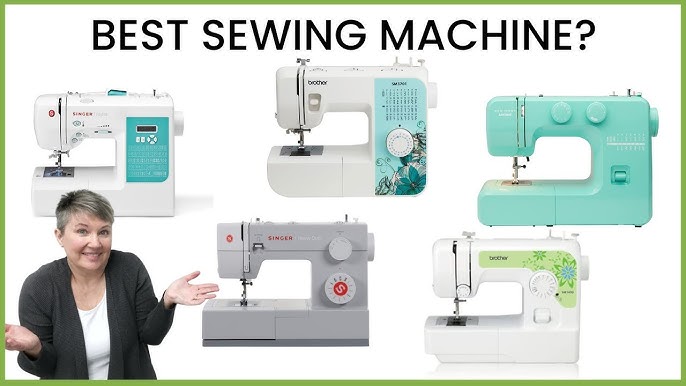
Credit: www.youtube.com
Key Features For Beginners
Choosing the right sewing machine can make learning fun and easy for beginners. Key features matter most. They help you avoid frustration and stay motivated. Understanding these features guides you to pick the best machine for your needs.
Ease Of Use
A beginner needs a sewing machine that is simple to operate. Clear instructions and intuitive controls help. Automatic needle threading and easy bobbin loading save time. Machines with fewer buttons avoid confusion. This lets beginners focus on sewing, not settings.
Stitch Options
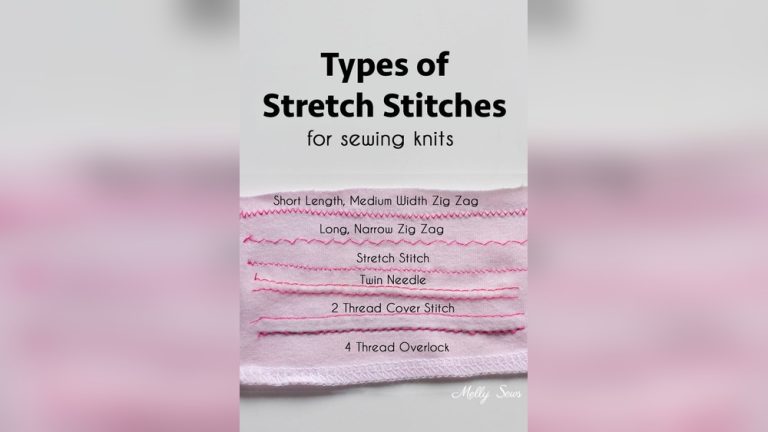
Basic stitch options suit most beginner projects. Straight and zigzag stitches are essential. Some machines offer decorative stitches, but keep it simple at first. A good machine lets you adjust stitch length and width. This flexibility supports learning different techniques.
Durability
Choose a machine built to last. Look for metal parts and sturdy construction. Durable machines handle thicker fabrics better. This means fewer repairs and longer use. A reliable machine grows with your skills.
Portability
Lightweight and compact machines are easier to move and store. Beginners often need to sew in different places. A portable sewing machine fits well in small spaces. It is handy for classes and travel.
Price Range
Beginner sewing machines come in many price ranges. Affordable models offer good features without overspending. It is smart to invest in quality, but avoid costly extras. Focus on what you really need to start sewing.

Credit: seekatesew.com
Top Sewing Machines For 2026
Sewing machines are essential tools for beginners. Choosing the right one helps build skills fast. In 2026, many models suit new sewers. Each offers unique features and ease of use. The list below highlights top picks for different needs.
Consider what fits your budget and goals. Some machines offer simple functions. Others include advanced options for growth. Portability and fabric strength are also important. Find a machine that matches your style.
Best Overall Machine
The Brother CS6000i is a top choice. It combines ease with many functions. This machine features 60 built-in stitches. It also has an automatic needle threader. Perfect for beginners wanting room to grow.
Best Budget Option
The Singer Start 1304 is affordable and simple. It offers six basic stitches for daily sewing. Lightweight and easy to use, it suits those on a tight budget. Great for learning without extra costs.
Best For Advanced Beginners
The Janome Magnolia 7318 fits sewers ready to advance. It has 18 stitch options and adjustable speed. This model handles more complex projects easily. Ideal for users improving their skills.
Best Portable Model
The Singer Stitch Sew Quick is compact and light. It works well for small repairs and travel. Battery-powered, it offers convenience on the go. A practical choice for those who sew outside home.
Best For Heavy Fabrics
The Janome HD3000 is strong and durable. It handles denim, canvas, and leather with ease. This machine features a powerful motor for thick materials. A smart pick for sewing tough fabrics confidently.
Comparing Machine Types
Choosing the right sewing machine type is key for beginners. Each type offers different features and controls. Knowing the differences helps pick the best fit for learning and projects.
We compare mechanical, electronic, and computerized machines. This guide makes the choice clear and easy to understand.
Mechanical Vs Electronic
Mechanical machines use knobs and dials to control settings. They are simple and easy to fix. They work well for basic sewing tasks.
Electronic machines have some automatic functions. They offer more stitch options and speed control. These machines are still easy to use but provide more help.
Computerized Features
Computerized machines have digital screens and buttons. They offer many stitch patterns and designs. Some can connect to a computer or USB for updates.
These machines guide beginners with step-by-step instructions. They can sew complex patterns with little effort. They are more expensive but very user-friendly.
Manual Controls
Manual control machines have simple levers and wheels. Beginners can learn sewing basics without distractions. These machines teach how to adjust stitch length and tension by hand.
Manual machines are durable and last long. They are perfect for those who want a hands-on sewing experience. These machines help build strong sewing skills.
Essential Accessories To Consider
Choosing the right sewing machine is just the start for beginners. Essential accessories help improve your sewing experience. They make your work easier and more enjoyable. These tools support different fabric types and sewing tasks. Understanding which accessories to have is important for smooth sewing.
Presser Feet
Presser feet hold fabric in place while sewing. Different feet serve different purposes. A standard foot works for most fabrics. A zipper foot helps sew close to zippers. A buttonhole foot makes buttonholes fast and neat. Having a few types gives more sewing options.
Needle Types
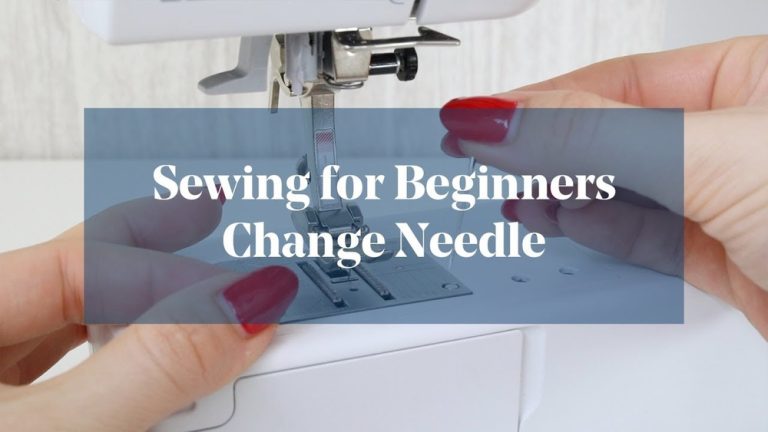
Needles come in various sizes and styles. Choose needles based on fabric thickness and type. Universal needles suit most fabrics. Ballpoint needles work well with knits. Sharps needles are good for woven fabrics. Change needles often for best results and fewer breaks.
Thread Choices
Thread choice affects stitch quality and durability. Cotton thread fits natural fabrics. Polyester thread works well with most materials. Use matching thread colors for neat seams. Keep extra spools of basic colors ready. Quality thread reduces thread breaks and tangles.
Maintenance Tools
Maintenance tools keep the machine running smoothly. A small brush cleans lint and dust. Sewing machine oil lubricates moving parts. Screwdrivers help adjust and tighten components. Regular cleaning and oiling prevent machine problems. Keep tools nearby to fix issues quickly.
Tips For First-time Buyers
Buying your first sewing machine can feel confusing. A good choice makes learning easier. Focus on simple features and ease of use. Think about how the machine fits your needs and budget. These tips help you find the right machine without stress.
Test Before You Buy
Try the machine in the store if possible. Feel how heavy or light it is. Check how smooth it runs. Test basic stitches to see the quality. A hands-on trial shows if the machine suits you.
Reading Customer Reviews
Read reviews from other beginners. Look for common problems or praises. Honest feedback helps spot real issues. Focus on machines with mostly positive comments. Reviews reveal what you might not notice at first.
Warranty And Support
Check the warranty length and what it covers. A good warranty protects your investment. See if the company offers easy repair or support. Fast help saves time and frustration. Support matters for beginners learning to use the machine.
Learning Resources
Find machines with clear manuals and tutorials. Videos and guides speed up learning. Some brands offer free online classes. Good resources help beginners build confidence fast. Learning is easier with support at hand.

Credit: www.youtube.com
Frequently Asked Questions
What Features Should Beginners Look For In A Sewing Machine?
Beginners should seek machines with easy stitch selection, automatic needle threading, and adjustable speed. Lightweight and portable models help with handling. A clear user manual and basic stitch options make learning faster and less frustrating. These features improve the overall sewing experience for new users.
Which Sewing Machine Brands Are Best For Beginners?
Brands like Brother, Singer, and Janome are top choices for beginners. They offer reliable, user-friendly machines with essential features. These brands provide good customer support and affordable price points. Their machines have durable build quality, making them great for learning and long-term use.
How Much Should Beginners Spend On A Sewing Machine?
Beginners should expect to spend between $100 and $300 for a quality sewing machine. This price range offers essential features without overwhelming complexity. Investing in a mid-range machine ensures durability and ease of use. Avoid very cheap models that may lack reliability and basic functions.
Can Beginners Use Computerized Sewing Machines Effectively?
Yes, beginners can use computerized machines if they have simple, intuitive controls. These machines often offer automatic features that simplify sewing tasks. However, starting with a mechanical machine might be easier for some beginners. Choose a model with clear instructions and basic functions to avoid confusion.
Conclusion
Choosing the best sewing machine for beginners depends on needs and budget. Focus on ease of use and basic features first. A simple machine helps build confidence and skills fast. Avoid complicated models that can cause frustration early on. Practice regularly to improve your sewing abilities.
Enjoy the creative process and have fun sewing. A good beginner machine makes learning smooth and enjoyable. Start small, grow your skills step by step. Soon, you will create projects with pride and joy.